
 EN
EN
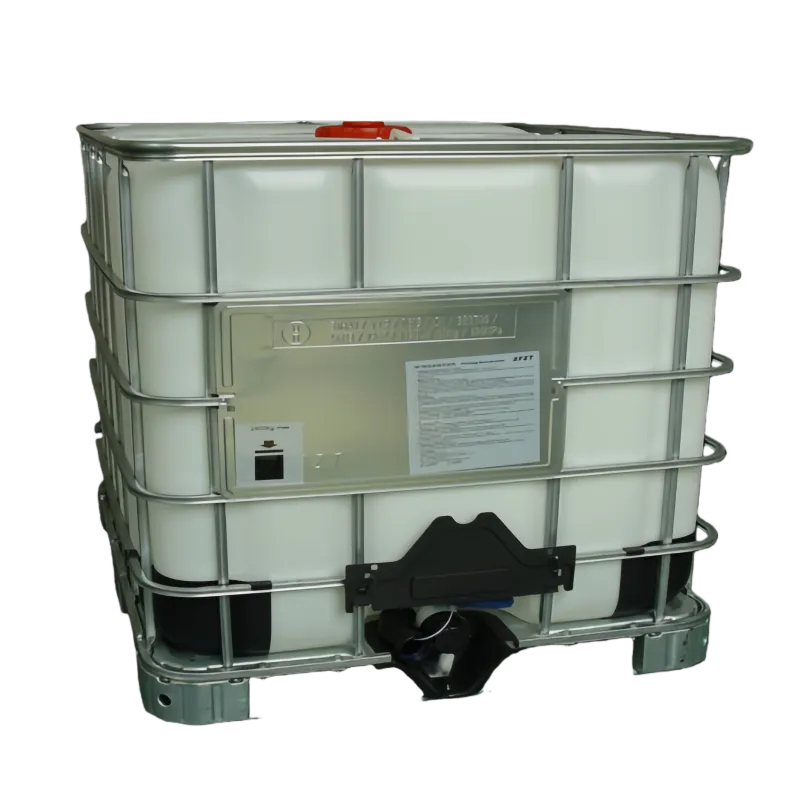
The storage and transportation of corrosive chemicals present significant challenges for industrial operations, requiring specialized containment solutions that can withstand aggressive substances while maintaining product integrity. Inner coating steel drums have emerged as a critical solution for companies dealing with acids, alkalis, solvents, and other corrosive materials that would otherwise compromise standard storage containers. These advanced containment systems combine the structural strength of steel with protective interior coatings that create an effective barrier against chemical attack, ensuring both product quality and extended shelf life.
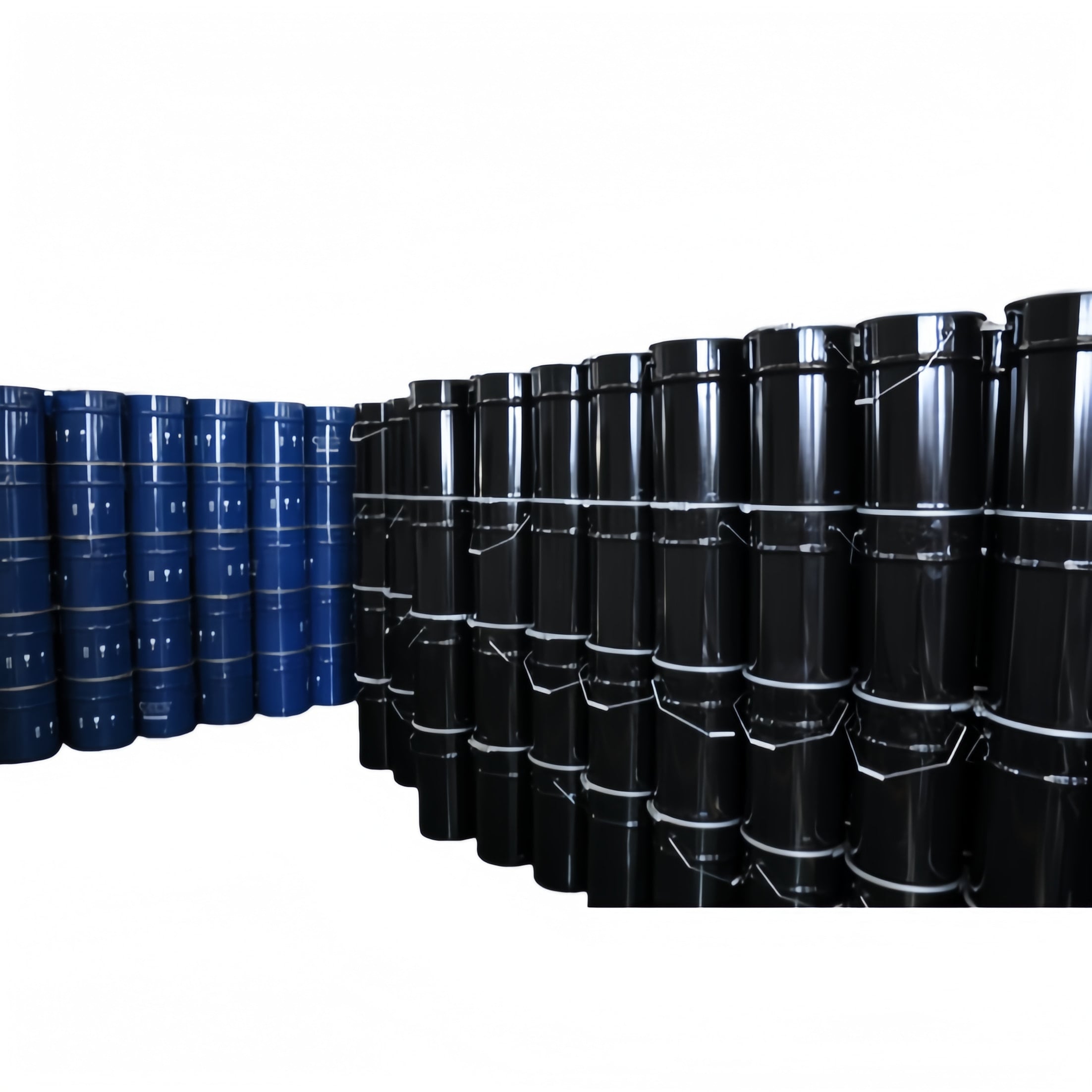
Modern chemical processing industries require reliable containment systems that can handle diverse corrosive substances without compromising safety or product quality. The development of inner coating steel drums represents a significant advancement in industrial packaging technology, addressing the specific needs of companies that must store and transport chemicals with varying pH levels and reactive properties. These specialized containers have revolutionized how manufacturers approach long-term storage solutions for corrosive materials.
Understanding the relationship between container materials and chemical compatibility is essential for optimizing storage conditions and preventing costly product degradation. Inner coating steel drums provide a comprehensive solution by combining multiple protective layers that work together to create an impermeable barrier against chemical penetration. This multi-layered approach ensures that even highly aggressive substances remain isolated from the steel substrate, preventing corrosion and maintaining product purity throughout extended storage periods.
Understanding Chemical Corrosion and Container Degradation
Mechanisms of Chemical Attack on Storage Containers
Chemical corrosion occurs through various mechanisms that can rapidly compromise the integrity of storage containers, particularly when dealing with acids, bases, and organic solvents. The primary modes of attack include electrochemical corrosion, where metal surfaces undergo oxidation-reduction reactions in the presence of corrosive chemicals, and direct chemical dissolution, where aggressive substances physically break down container materials. Understanding these mechanisms is crucial for selecting appropriate inner coating steel drums that can resist specific types of chemical attack.
Temperature fluctuations and concentration variations significantly impact the rate of corrosion in storage environments. Higher temperatures accelerate chemical reactions, while concentrated solutions often exhibit more aggressive behavior toward container materials. Inner coating steel drums are specifically designed to maintain their protective properties across wide temperature ranges and chemical concentration gradients, ensuring consistent performance regardless of storage conditions.
Impact of Container Degradation on Product Quality
Container degradation has far-reaching consequences beyond simple containment failure, affecting product quality through contamination, pH changes, and chemical interactions. When storage containers begin to deteriorate, metal ions can leach into stored products, causing discoloration, precipitation, or unwanted chemical reactions that compromise product specifications. Inner coating steel drums eliminate these risks by creating an inert barrier that prevents any interaction between the stored chemical and the steel substrate.
Product contamination from container degradation can result in batch rejection, customer complaints, and significant financial losses for manufacturers. The protective coatings used in inner coating steel drums are formulated to be chemically inert, ensuring that stored products maintain their original composition and properties throughout their intended shelf life. This protection is particularly critical for pharmaceutical, food-grade, and high-purity industrial chemicals where even trace contamination can render products unusable.
Advanced Coating Technologies for Chemical Resistance
Epoxy and Phenolic Coating Systems
Modern inner coating steel drums utilize sophisticated coating systems based on epoxy and phenolic resins that provide exceptional chemical resistance across a broad spectrum of corrosive substances. Epoxy coatings offer excellent adhesion to steel substrates and superior resistance to alkaline solutions, while phenolic coatings excel in acidic environments and provide outstanding temperature stability. The combination of these coating technologies in inner coating steel drums creates a versatile protection system suitable for diverse chemical storage applications.
The application process for these advanced coatings involves multiple stages, including surface preparation, primer application, and final coating layers that cure under controlled conditions to achieve optimal chemical resistance. Each coating layer serves a specific function, from promoting adhesion to providing the primary chemical barrier. The resulting coating system in inner coating steel drums typically ranges from 250 to 400 microns in thickness, ensuring robust protection against chemical penetration.
Specialized Coating Formulations for Specific Applications
Different chemical families require specialized coating formulations to achieve optimal storage performance and extended shelf life. Acid storage applications benefit from phenolic-rich formulations that resist low pH environments, while alkaline chemicals require epoxy-based systems that maintain integrity in high pH conditions. Inner coating steel drums can be customized with specific coating formulations tailored to the exact chemical compatibility requirements of individual applications.
Solvent-resistant coatings represent another critical category for inner coating steel drums, utilizing cross-linked polymer networks that resist swelling and dissolution when exposed to organic solvents. These specialized formulations maintain their protective properties even when subjected to aggressive solvents such as ketones, esters, and aromatic hydrocarbons. The development of these solvent-resistant systems has expanded the application range of inner coating steel drums to include paint, ink, and adhesive storage applications.
Shelf Life Extension Through Protective Containment
Preventing Oxidation and Contamination
Oxidation represents one of the primary degradation mechanisms affecting chemical products during storage, particularly for organic compounds and metal-containing formulations. Inner coating steel drums provide an effective barrier against oxygen permeation, significantly reducing oxidation rates and extending product shelf life. The protective coatings used in these containers are formulated with low permeability characteristics that minimize gas exchange between the stored product and the external environment.
Contamination prevention extends beyond simple chemical compatibility to include protection against particulate matter, moisture ingress, and microbial growth. The smooth, non-porous surface of coating systems in inner coating steel drums eliminates crevices where contaminants could accumulate, while their chemical inertness prevents the growth of bacteria and fungi that could compromise stored products. This comprehensive contamination control is essential for maintaining product quality throughout extended storage periods.
Maintaining Chemical Stability Over Time
Chemical stability during storage depends on minimizing interactions between stored products and their containment environment. Inner coating steel drums achieve this stability by eliminating catalytic surfaces that could promote unwanted reactions, while their thermal stability ensures consistent performance across temperature variations. The protective coatings remain chemically inert over extended periods, preventing the formation of degradation products that could compromise stored chemicals.
Long-term storage studies demonstrate that products stored in inner coating steel drums maintain their original specifications significantly longer than those stored in unprotected containers. This extended stability translates into improved inventory management, reduced waste, and enhanced customer satisfaction through consistent product quality. The investment in inner coating steel drums typically pays for itself through reduced product losses and extended usable storage life.
Industry Applications and Performance Benefits
Chemical Manufacturing and Processing
Chemical manufacturing facilities rely on inner coating steel drums for storing intermediate products, raw materials, and finished chemicals that require extended shelf life. These containers enable manufacturers to optimize their production schedules without concern for container compatibility or product degradation during storage. The reliability of inner coating steel drums allows for bulk purchasing and strategic inventory management, reducing overall operational costs.
Process efficiency improvements result from the use of inner coating steel drums throughout chemical manufacturing operations. The containers can be safely cleaned and reused for multiple production campaigns, while their chemical resistance ensures that cross-contamination between different products is eliminated. This versatility makes inner coating steel drums an essential component of lean manufacturing strategies in chemical processing facilities.
Pharmaceutical and Food Industry Applications
Pharmaceutical manufacturing requires the highest standards of product purity and container cleanliness, making inner coating steel drums an ideal choice for storing active pharmaceutical ingredients and excipients. The FDA-compliant coatings used in these containers meet stringent regulatory requirements while providing the chemical resistance necessary for pharmaceutical applications. The ability to validate cleaning procedures and demonstrate product compatibility makes inner coating steel drums essential for pharmaceutical operations.
Food industry applications benefit from the food-grade certifications available for specialized inner coating steel drums designed for food contact applications. These containers provide the durability and chemical resistance required for storing food acids, flavorings, and processing chemicals while maintaining compliance with food safety regulations. The non-reactive surfaces prevent flavor transfer and ensure that stored products retain their intended taste and aroma profiles.
Quality Assurance and Testing Protocols
Coating Integrity Verification
Quality assurance for inner coating steel drums begins with comprehensive coating integrity testing that verifies the absence of defects such as pinholes, holidays, or thin spots that could compromise chemical resistance. Advanced testing methods include holiday detection using high-voltage spark testers, coating thickness measurement using magnetic and eddy current gauges, and adhesion testing to ensure proper coating-to-substrate bonding. These quality control measures ensure that every inner coating steel drum meets specified performance standards.
Accelerated aging tests simulate long-term storage conditions to validate the durability of coating systems in inner coating steel drums. These tests expose coated samples to elevated temperatures, chemical exposure, and mechanical stress to predict long-term performance. The results of these tests provide confidence in the extended service life of inner coating steel drums and help establish appropriate storage recommendations for different chemical products.
Chemical Compatibility Testing
Chemical compatibility testing involves exposing coating samples to actual stored products under controlled conditions to verify resistance and identify any potential interactions. This testing protocol ensures that inner coating steel drums are suitable for specific applications and helps establish storage guidelines for different chemical families. The comprehensive nature of these tests provides customers with confidence in product compatibility and expected shelf life extension.
Regulatory compliance testing ensures that inner coating steel drums meet industry standards and government regulations for specific applications. This includes testing for extractable substances, migration potential, and compliance with food contact regulations where applicable. The documentation provided with these tests supports regulatory submissions and demonstrates due diligence in container selection for critical applications.
FAQ
What types of chemicals are suitable for storage in inner coating steel drums?
Inner coating steel drums are suitable for a wide range of corrosive chemicals including acids, alkalis, organic solvents, and specialty chemicals. The specific coating formulation determines chemical compatibility, with epoxy-phenolic systems handling most industrial chemicals effectively. However, compatibility testing is recommended for critical applications or highly specialized chemicals to ensure optimal performance and extended shelf life.
How much longer can products be stored in inner coating steel drums compared to standard containers?
Products stored in inner coating steel drums typically demonstrate shelf life extensions of 200-300% compared to standard steel containers, depending on the specific chemical and storage conditions. This extension results from eliminated container corrosion, reduced contamination risk, and maintained chemical stability. The exact improvement varies by application, but most users experience significant reductions in product degradation and waste.
Can inner coating steel drums be cleaned and reused for different products?
Yes, inner coating steel drums can be effectively cleaned and reused for different products, provided that proper cleaning procedures are followed and chemical compatibility is maintained. The smooth, non-porous coating surface facilitates thorough cleaning, while the chemical resistance ensures that cleaning agents do not damage the protective coating. Cleaning validation and compatibility verification are essential for safe reuse in different applications.
What maintenance is required for inner coating steel drums during storage?
Inner coating steel drums require minimal maintenance during storage, primarily consisting of periodic visual inspection for coating integrity and proper sealing. Storage in controlled temperature environments helps maximize coating life, while protection from physical damage prevents coating breaches. Proper handling procedures and regular inspection schedules ensure optimal performance throughout the container's service life.
Table of Contents
- Understanding Chemical Corrosion and Container Degradation
- Advanced Coating Technologies for Chemical Resistance
- Shelf Life Extension Through Protective Containment
- Industry Applications and Performance Benefits
- Quality Assurance and Testing Protocols
-
FAQ
- What types of chemicals are suitable for storage in inner coating steel drums?
- How much longer can products be stored in inner coating steel drums compared to standard containers?
- Can inner coating steel drums be cleaned and reused for different products?
- What maintenance is required for inner coating steel drums during storage?
