
 EN
EN
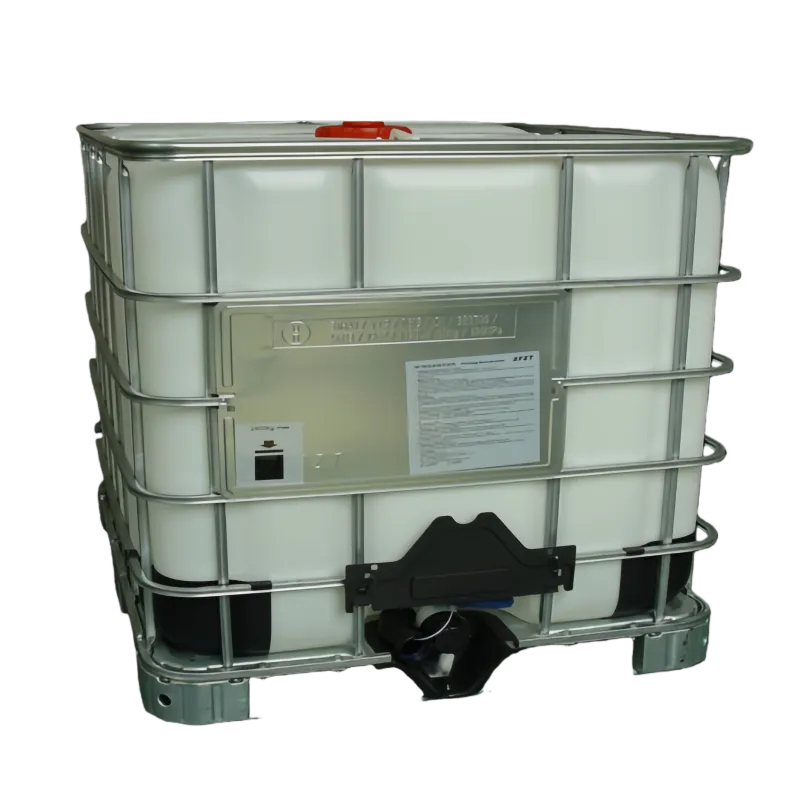
The performance and reliability of industrial storage containers depend heavily on the quality and specifications of their protective barriers. When it comes to inner coating steel drums, the thickness of the internal protective layer plays a crucial role in determining the container's durability, chemical resistance, and overall service life. Understanding how coating thickness impacts performance is essential for industries that rely on these specialized containers for storing chemicals, food products, and other sensitive materials. The relationship between coating thickness and performance involves complex interactions between material properties, application methods, and environmental factors that must be carefully balanced to achieve optimal results.
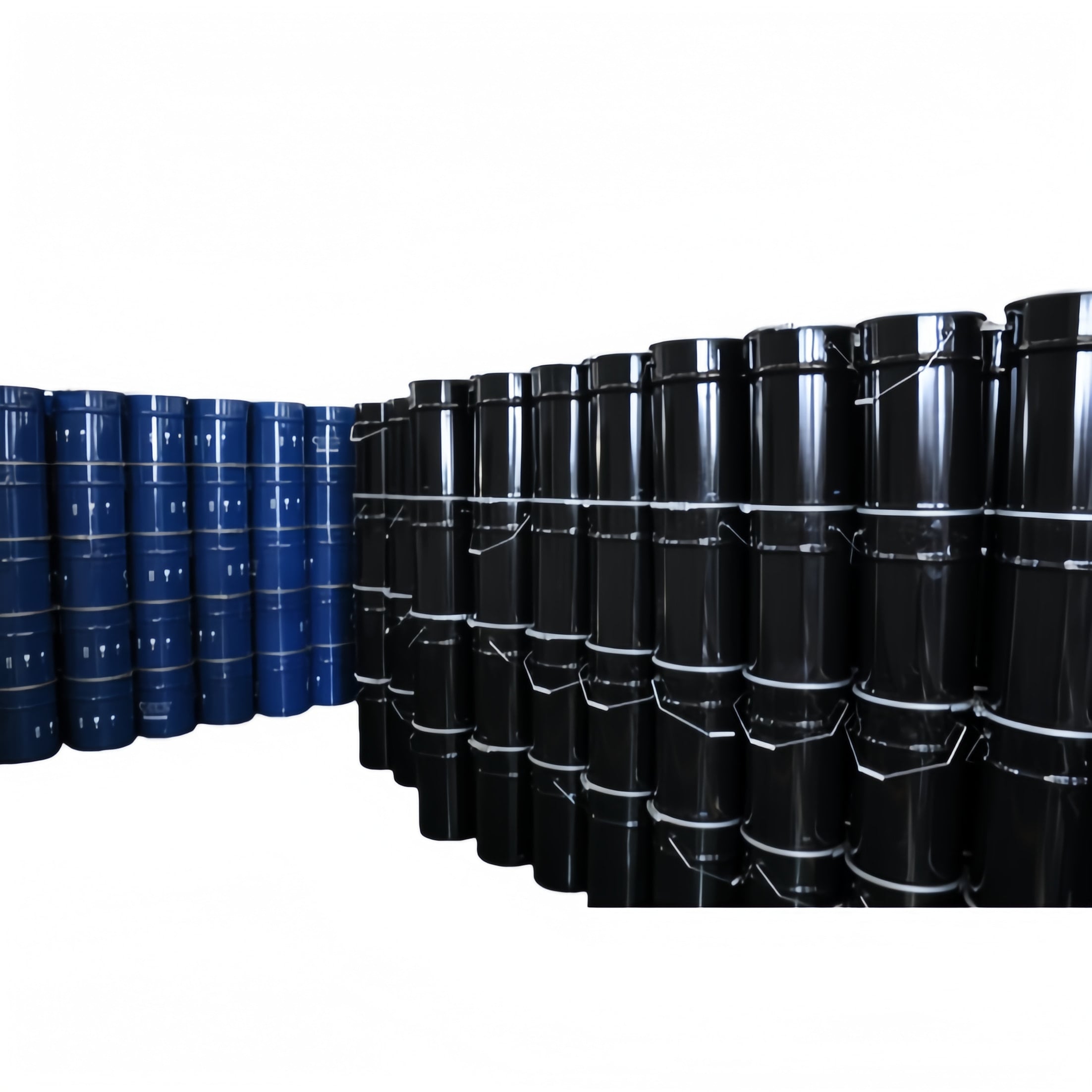
Understanding Coating Thickness in Steel Drum Manufacturing
Measurement Standards and Industry Specifications
Coating thickness in inner coating steel drums is typically measured in microns or mils, with industry standards varying depending on the intended application and stored materials. Most commercial inner coating steel drums feature coating thicknesses ranging from 10 to 100 microns, though specialized applications may require thicker or thinner coatings. The measurement process involves sophisticated instruments such as magnetic induction gauges or eddy current devices that provide accurate readings without damaging the coating surface. These measurements are critical for quality control and ensuring compliance with industry regulations and customer specifications.
Manufacturing standards for inner coating steel drums often specify minimum and maximum thickness requirements to ensure consistent performance across production batches. The American Society for Testing and Materials (ASTM) and International Organization for Standardization (ISO) provide guidelines for coating thickness measurement and acceptance criteria. These standards help manufacturers maintain quality consistency while providing customers with reliable performance expectations. Understanding these specifications is crucial for selecting the appropriate inner coating steel drums for specific applications and ensuring long-term storage success.
Factors Influencing Coating Thickness Selection
Several critical factors determine the optimal coating thickness for inner coating steel drums, including the chemical nature of stored materials, storage duration requirements, and environmental conditions. Aggressive chemicals such as acids, bases, or solvents typically require thicker coatings to provide adequate protection against chemical attack and permeation. Temperature fluctuations, humidity levels, and mechanical stress during handling also influence coating thickness requirements, as these factors can accelerate degradation processes and reduce protective effectiveness.
The substrate material and surface preparation methods significantly impact coating adhesion and performance, affecting the optimal thickness selection. Proper surface cleaning, profiling, and primer application create the foundation for effective coating systems in inner coating steel drums. Economic considerations also play a role in thickness selection, as thicker coatings require more material and processing time, increasing production costs. However, the long-term benefits of enhanced protection often justify the additional investment, particularly for high-value stored materials or critical applications where container failure could result in significant losses.
Chemical Resistance and Barrier Properties
Permeation Protection Mechanisms
The thickness of coatings in inner coating steel drums directly affects their ability to prevent chemical permeation through the protective barrier. Thicker coatings provide longer diffusion paths for aggressive molecules, significantly reducing permeation rates and extending container service life. This barrier effect is particularly important when storing volatile organic compounds, corrosive chemicals, or materials that could react with steel substrates. The relationship between coating thickness and permeation resistance follows complex mathematical models that consider molecular size, coating polymer structure, and chemical compatibility factors.
Advanced coating formulations used in inner coating steel drums incorporate multiple barrier mechanisms, including physical obstruction, chemical absorption, and molecular tortuosity. Thicker coatings allow for more complete cross-linking of polymer chains, creating denser networks that resist molecular penetration. This enhanced barrier performance is especially critical in applications involving small, highly mobile molecules that can easily penetrate thin coatings. The effectiveness of these barrier properties can be quantified through standardized permeation testing methods that simulate real-world storage conditions.
Chemical Compatibility and Resistance Testing
Comprehensive chemical resistance testing of inner coating steel drums involves exposing coated samples to various chemicals under controlled conditions while monitoring thickness-dependent performance parameters. These tests evaluate coating integrity, color changes, surface degradation, and mechanical property retention over extended exposure periods. Thicker coatings generally demonstrate superior resistance to chemical attack, maintaining their protective properties longer under aggressive conditions. However, the relationship is not always linear, as coating chemistry and curing conditions also significantly influence performance outcomes.
Laboratory testing protocols simulate accelerated aging conditions to predict long-term performance of inner coating steel drums with different coating thicknesses. These studies help establish optimal thickness ranges for specific chemical families and storage conditions. Results from these tests inform coating specification development and help customers select appropriate containers for their applications. Regular testing of production samples ensures that manufacturing processes maintain consistent coating thickness and performance characteristics across different production batches.
Mechanical Durability and Impact Resistance
Abrasion and Wear Protection
Coating thickness plays a fundamental role in protecting inner coating steel drums against mechanical damage during filling, handling, and transportation operations. Thicker coatings provide greater resistance to abrasive wear, impact damage, and surface scratching that could compromise container integrity. The mechanical properties of coating materials, including hardness, flexibility, and adhesion strength, interact with thickness to determine overall durability performance. Proper thickness selection ensures that coatings can withstand expected mechanical stresses without cracking, delamination, or excessive wear.
Impact resistance testing of inner coating steel drums reveals the protective benefits of increased coating thickness against sudden mechanical loads. Falling weight tests, puncture resistance measurements, and cyclic fatigue studies demonstrate how thicker coatings absorb and distribute mechanical energy more effectively. This enhanced mechanical protection is particularly valuable in industrial environments where containers experience rough handling, stacking loads, and transportation stresses. The relationship between coating thickness and mechanical durability helps guide specification development for demanding applications.
Flexibility and Thermal Cycling Performance
The flexibility characteristics of coatings in inner coating steel drums are significantly influenced by thickness, affecting their ability to accommodate thermal expansion and contraction cycles. Thicker coatings may exhibit reduced flexibility, potentially leading to stress concentrations and crack formation under extreme temperature variations. However, properly formulated thick coatings can maintain adequate flexibility while providing enhanced protection. The balance between thickness and flexibility requires careful consideration of operating temperature ranges and thermal cycling frequency in the intended application environment.
Thermal cycling tests evaluate how different coating thicknesses perform under repeated heating and cooling cycles that simulate real-world storage conditions. These tests measure coating adhesion retention, crack development, and mechanical property changes over multiple thermal cycles. Results help optimize coating thickness for applications involving temperature fluctuations, such as outdoor storage or heated processing operations. Understanding the thermal performance characteristics of inner coating steel drums enables better specification development and improved container reliability in challenging environments.
Economic Considerations and Cost Optimization
Material Cost Analysis
The economic impact of coating thickness decisions in inner coating steel drums extends beyond initial material costs to include long-term operational benefits and potential failure costs. While thicker coatings require more raw materials and processing time, they often provide superior protection that justifies the additional investment. Economic analysis must consider the total cost of ownership, including container replacement frequency, product contamination risks, and environmental cleanup costs associated with container failures. This comprehensive approach helps identify the optimal thickness that balances initial costs with long-term performance benefits.
Raw material costs for coating formulations represent a significant portion of inner coating steel drums manufacturing expenses, making thickness optimization crucial for competitive pricing. Advanced coating technologies may command premium prices but offer enhanced performance at reduced thicknesses, potentially offsetting higher material costs through improved efficiency. Manufacturers must carefully evaluate the cost-performance relationship for different coating systems and thickness combinations to maintain market competitiveness while meeting customer requirements.
Production Efficiency and Quality Control
Manufacturing efficiency considerations significantly influence optimal coating thickness selection for inner coating steel drums production lines. Thicker coatings typically require longer application and curing times, reducing throughput and increasing energy costs. However, consistent thickness control can reduce reject rates and rework requirements, improving overall production efficiency. Advanced application equipment and process control systems enable manufacturers to achieve target thicknesses more reliably, minimizing material waste and quality variations that could impact production costs.
Quality control systems for inner coating steel drums must monitor coating thickness continuously to ensure compliance with specifications and maintain consistent performance characteristics. Statistical process control methods help identify thickness variations before they impact product quality, reducing waste and customer complaints. Investment in automated thickness measurement and control systems can improve production consistency while reducing labor costs associated with manual inspection processes. These efficiency improvements help offset the material costs of optimized coating thicknesses.
Application-Specific Thickness Requirements
Food and Beverage Industry Standards
Food-grade inner coating steel drums require specific thickness considerations to ensure compliance with regulatory standards and maintain product safety throughout storage and transportation. The Food and Drug Administration (FDA) and similar international regulatory bodies establish requirements for coating materials and performance characteristics that directly influence thickness specifications. Food applications typically require coatings that resist flavor transfer, maintain chemical inertness, and prevent contamination while providing adequate durability for handling operations. These requirements often necessitate specific thickness ranges that balance protection with regulatory compliance.
Specialized food applications, such as acidic products, dairy ingredients, or alcohol-based formulations, may require enhanced coating thickness to prevent interaction between food products and container materials. The thickness requirements for inner coating steel drums in food applications consider migration testing results, shelf-life expectations, and organoleptic property preservation. Understanding these application-specific requirements helps manufacturers develop appropriate coating systems and thickness specifications that meet both performance and regulatory standards for food contact applications.
Chemical and Industrial Applications
Chemical storage applications for inner coating steel drums often demand maximum coating thickness to provide robust protection against aggressive materials and extended storage periods. Industrial chemicals, solvents, and reactive compounds require coating systems that can withstand chemical attack while maintaining structural integrity over months or years of storage. The thickness requirements for these applications are typically determined through comprehensive chemical compatibility testing and long-term exposure studies that evaluate coating performance under realistic conditions.
Hazardous material storage regulations may specify minimum coating thickness requirements for inner coating steel drums used in chemical applications. These regulations aim to prevent environmental contamination and ensure worker safety by maintaining container integrity throughout the storage lifecycle. Compliance with these requirements often drives coating thickness specifications beyond what might be necessary for performance alone, requiring manufacturers to balance regulatory compliance with cost considerations and production efficiency.
FAQ
What is the typical coating thickness range for inner coating steel drums?
Most inner coating steel drums feature coating thicknesses between 10 and 100 microns, depending on the application requirements and stored materials. Food-grade applications typically use coatings in the 15-40 micron range, while chemical storage applications may require thicknesses of 50-100 microns or more. Specialized applications with extreme chemical exposure or long-term storage requirements may use even thicker coatings to ensure adequate protection and performance.
How does coating thickness affect the cost of inner coating steel drums?
Coating thickness directly impacts both material costs and production time, with thicker coatings requiring more raw materials and longer application and curing cycles. However, the total cost of ownership often favors appropriate thickness optimization, as thicker coatings can reduce container replacement frequency, minimize product contamination risks, and prevent costly environmental cleanup operations. The optimal thickness balances initial costs with long-term performance benefits and application requirements.
Can coating thickness be measured after drum manufacturing?
Yes, coating thickness can be accurately measured on finished inner coating steel drums using non-destructive testing methods such as magnetic induction gauges or eddy current instruments. These measurements are commonly performed during quality control inspections and can be used to verify compliance with specifications or investigate performance issues. Regular thickness monitoring helps ensure consistent production quality and can identify process variations that might affect coating performance.
What factors should be considered when selecting coating thickness for specific applications?
Key factors include the chemical nature and aggressiveness of stored materials, expected storage duration, operating temperature ranges, mechanical handling requirements, and regulatory compliance needs. Environmental conditions such as humidity, UV exposure, and temperature cycling also influence optimal thickness selection. Economic considerations, including material costs, production efficiency, and total cost of ownership, must be balanced with performance requirements to determine the most appropriate coating thickness for inner coating steel drums in specific applications.
Table of Contents
- Understanding Coating Thickness in Steel Drum Manufacturing
- Chemical Resistance and Barrier Properties
- Mechanical Durability and Impact Resistance
- Economic Considerations and Cost Optimization
- Application-Specific Thickness Requirements
-
FAQ
- What is the typical coating thickness range for inner coating steel drums?
- How does coating thickness affect the cost of inner coating steel drums?
- Can coating thickness be measured after drum manufacturing?
- What factors should be considered when selecting coating thickness for specific applications?
