
 EN
EN
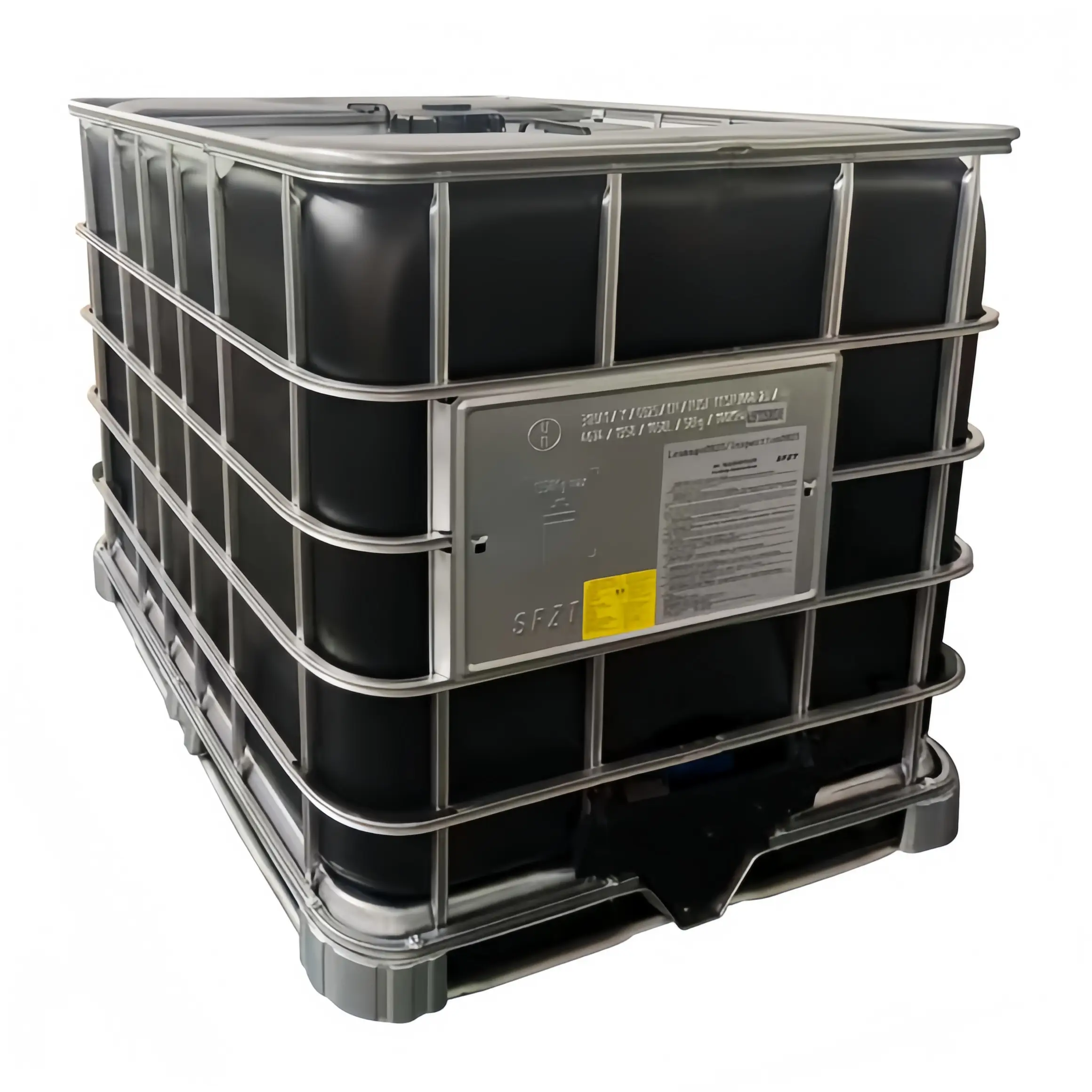
The industrial packaging landscape has undergone significant transformation in recent years, with manufacturers increasingly seeking alternatives to traditional steel and plastic containers. Among the most notable innovations are composite drums, which have emerged as a revolutionary solution for packaging hazardous materials, chemicals, and other industrial products. These advanced containers combine the strength of steel with the chemical resistance of high-density polyethylene, creating a packaging solution that addresses multiple industry challenges simultaneously.
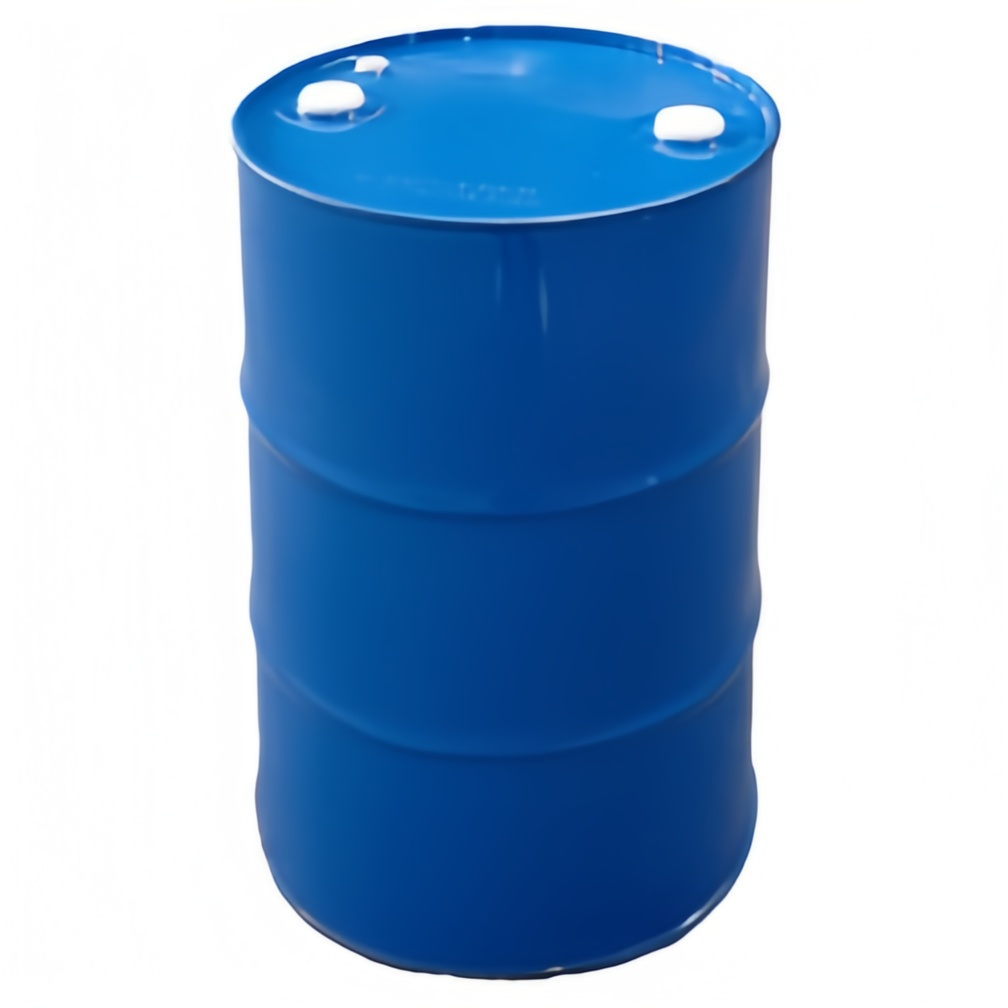
The increasing adoption of composite drums reflects a broader shift toward more efficient and sustainable packaging solutions in industrial applications. Companies across various sectors are recognizing the unique advantages these containers offer, particularly when dealing with corrosive substances, volatile chemicals, and materials requiring long-term storage stability. This growing preference stems from both regulatory pressures and economic considerations that make composite drums an attractive investment for forward-thinking organizations.
Understanding the Construction and Design of Composite Drums
Multi-Layer Construction Technology
The fundamental strength of composite drums lies in their sophisticated multi-layer construction, which combines different materials to optimize performance characteristics. The inner layer typically consists of high-density polyethylene that provides excellent chemical resistance and prevents contamination of stored materials. This plastic liner ensures that aggressive chemicals cannot interact with metal components, significantly reducing the risk of corrosion and product degradation over time.
The outer layer features a robust steel shell that provides structural integrity and impact resistance necessary for industrial handling and transportation. This steel component allows composite drums to withstand the mechanical stresses associated with stacking, loading, and shipping operations. The combination of these materials creates a container that leverages the best properties of both plastic and metal while minimizing their individual limitations.
Advanced bonding techniques ensure that the plastic and steel layers work together as a unified system rather than separate components. This integration prevents delamination issues and maintains the structural integrity of composite drums throughout their operational lifecycle. The precision manufacturing process results in containers that meet stringent quality standards required for hazardous material packaging applications.
Engineering Specifications and Performance Standards
Modern composite drums are engineered to meet or exceed international packaging standards, including UN specifications for dangerous goods transportation. These containers undergo rigorous testing protocols that evaluate their performance under various stress conditions, temperature extremes, and chemical exposure scenarios. The testing ensures that composite drums can safely contain hazardous materials without compromising structural integrity or chemical compatibility.
The design specifications of composite drums typically include precise wall thickness calculations, optimized closure systems, and enhanced sealing mechanisms. These engineering elements work together to create a packaging solution that provides superior protection against leakage, contamination, and environmental factors. The standardized dimensions ensure compatibility with existing handling equipment and storage systems used throughout industrial facilities.
Quality control measures during manufacturing include pressure testing, drop testing, and chemical compatibility evaluations that verify the performance of each drum before it reaches end users. This comprehensive approach to quality assurance has established composite drums as a reliable choice for companies requiring consistent packaging performance in critical applications.
Chemical Resistance and Compatibility Advantages
Superior Corrosion Protection
One of the most compelling advantages of composite drums is their exceptional resistance to chemical corrosion, which represents a significant improvement over traditional all-steel containers. The inner polyethylene layer acts as a barrier that prevents direct contact between stored chemicals and the metal shell, eliminating the electrochemical reactions that cause corrosion in conventional drums. This protection extends the service life of containers and maintains the purity of stored materials.
The chemical resistance properties of composite drums make them suitable for storing a wide range of aggressive substances, including acids, bases, solvents, and oxidizing agents. Unlike steel drums that may require expensive interior coatings or linings, composite drums provide inherent chemical protection through their integrated design. This eliminates the risk of coating failure and the associated contamination issues that can occur with lined steel containers.
Long-term storage studies have demonstrated that composite drums maintain their chemical resistance properties even after extended exposure to aggressive substances. This durability ensures that companies can rely on these containers for applications requiring extended storage periods without concerns about gradual degradation or compatibility issues that might compromise product quality or safety.
Compatibility with Diverse Chemical Formulations
The versatility of composite drums in handling different chemical formulations has made them increasingly popular across various industrial sectors. Their compatibility extends to petroleum products, pharmaceutical ingredients, food-grade chemicals, and specialty coatings that require specific storage conditions. This broad compatibility reduces the need for companies to maintain multiple types of packaging systems for different product lines.
Pharmaceutical and food industries particularly benefit from the non-reactive nature of composite drums, which ensures that stored materials maintain their intended properties without contamination from packaging interactions. The FDA-approved materials used in construction meet stringent purity requirements necessary for applications where product integrity is paramount.
Chemical manufacturers have found that composite drums enable them to package products that were previously difficult to contain safely in conventional containers. The enhanced compatibility has opened new markets and applications, allowing companies to expand their product offerings while maintaining the highest safety and quality standards required by regulatory authorities.
Economic Benefits and Cost Efficiency
Reduced Total Cost of Ownership
While composite drums may have higher initial purchase costs compared to basic steel containers, their total cost of ownership often proves more economical when considering all operational factors. The extended service life, reduced maintenance requirements, and elimination of interior coating needs contribute to significant long-term savings. Companies report substantial reductions in replacement costs and disposal expenses when switching to composite drum systems.
The lightweight design of composite drums compared to equivalent steel containers results in lower transportation costs and reduced handling expenses. Shipping companies can transport more product per load while staying within weight restrictions, improving overall logistics efficiency. The weight reduction also decreases fuel consumption and associated environmental impacts throughout the supply chain.
Maintenance costs are significantly reduced because composite drums do not require the periodic inspection and refurbishment necessary for steel containers. The absence of corrosion issues eliminates the need for costly repairs or interior re-coating procedures that can disrupt operations and increase downtime. This reliability translates into improved operational efficiency and predictable packaging costs.
Inventory Management and Operational Efficiency
The standardized design and consistent performance of composite drums simplify inventory management for companies handling multiple chemical products. The universal compatibility reduces the need to maintain separate container types for different materials, streamlining procurement processes and reducing storage complexity. This standardization also simplifies staff training requirements and reduces the risk of packaging errors.
Operational efficiency improvements extend to handling and processing activities, where the consistent dimensions and weight characteristics of composite drums enable better automation integration. Robotic handling systems and automated filling equipment operate more reliably with standardized containers, reducing manual intervention requirements and associated labor costs.
The reliability of composite drums reduces the frequency of packaging-related quality issues, minimizing product losses and customer complaints. This improved consistency helps companies maintain their reputation for quality while reducing the costs associated with product recalls or customer service issues related to packaging failures.
Environmental Impact and Sustainability Considerations
Recyclability and Waste Reduction
Environmental sustainability has become a critical factor in packaging decisions, and composite drums offer several advantages in this regard. The steel and plastic components can be separated and recycled through established waste management systems, reducing the environmental impact compared to disposal of contaminated single-material containers. This recyclability aligns with corporate sustainability goals and regulatory requirements for waste reduction.
The extended service life of composite drums reduces the frequency of container replacement, thereby decreasing the overall volume of packaging waste generated by industrial operations. Companies report significant reductions in packaging waste when transitioning from shorter-lived alternatives to durable composite drum systems. This waste reduction contributes to improved environmental performance metrics and reduced disposal costs.
Manufacturing processes for composite drums have been optimized to minimize material waste and energy consumption, further enhancing their environmental credentials. Advanced production techniques ensure efficient use of raw materials while maintaining the quality standards necessary for hazardous material packaging applications.
Carbon Footprint and Life Cycle Analysis
Life cycle analyses of composite drums demonstrate favorable environmental profiles when compared to alternative packaging solutions. The reduced transportation energy requirements due to lighter weight, combined with longer service life, result in lower overall carbon footprints throughout the product lifecycle. These environmental benefits support corporate sustainability initiatives and help companies meet increasingly stringent environmental regulations.
The elimination of interior coating processes and reduced maintenance requirements further reduce the environmental impact of composite drums throughout their operational life. Traditional steel drums often require energy-intensive coating processes and periodic refurbishment that generate additional environmental impacts not present with composite alternatives.
Energy efficiency in manufacturing composite drums continues to improve as production technologies advance, resulting in progressively lower environmental impacts per unit produced. These improvements support the growing adoption of composite drums by environmentally conscious companies seeking to reduce their overall environmental footprint.
Regulatory Compliance and Safety Standards
International Transportation Regulations
Compliance with international transportation regulations is crucial for companies shipping hazardous materials globally, and composite drums are designed to meet or exceed these stringent requirements. The containers undergo comprehensive testing to ensure compliance with UN regulations, DOT standards, and other international shipping requirements. This regulatory compliance eliminates barriers to global trade and simplifies the logistics of international chemical shipments.
The standardized testing protocols for composite drums include drop tests, pressure tests, and stacking tests that simulate the stresses encountered during transportation and storage. These rigorous evaluations ensure that containers maintain their integrity under the demanding conditions typical of global supply chains. Certification from recognized testing laboratories provides the documentation necessary for regulatory compliance and customer acceptance.
Regular updates to international regulations are incorporated into composite drum design specifications, ensuring continued compliance as standards evolve. Manufacturers maintain close relationships with regulatory bodies to anticipate changes and modify products accordingly, providing customers with confidence in long-term regulatory compliance.
Workplace Safety and Handling Considerations
Workplace safety improvements represent another significant advantage of composite drums, particularly in environments where workers regularly handle containers of hazardous materials. The lighter weight reduces the risk of repetitive stress injuries and makes manual handling safer for workers. Ergonomic design features, including optimized grip areas and balanced weight distribution, further enhance workplace safety.
The elimination of sharp edges and improved structural design of composite drums reduce the risk of workplace accidents during handling and storage operations. Workers report fewer injuries and improved handling efficiency when using composite drums compared to traditional alternatives. This safety improvement translates into reduced workers compensation costs and improved employee satisfaction.
Training requirements for composite drums are simplified due to their consistent handling characteristics and standardized design features. This consistency reduces the learning curve for new employees and minimizes the risk of handling errors that could compromise safety or product quality. Comprehensive training materials and safety protocols specifically developed for composite drums support safe workplace practices.
Industry Applications and Market Adoption
Chemical Manufacturing and Processing
The chemical manufacturing industry has been among the earliest and most enthusiastic adopters of composite drums, driven by the need for reliable containment of aggressive chemical formulations. Major chemical producers have integrated composite drums into their standard packaging specifications for products ranging from industrial solvents to specialty polymers. The improved chemical compatibility and reduced contamination risk have enabled these companies to maintain higher product quality standards while reducing packaging-related costs.
Process industries utilizing composite drums report improved operational efficiency due to the containers' consistent performance characteristics and reduced maintenance requirements. The reliability of these containers enables better production planning and reduces the risk of packaging-related production delays. This operational improvement is particularly valuable in continuous process operations where packaging failures can result in significant production losses.
Specialty chemical manufacturers have found that composite drums enable them to package products that were previously difficult or impossible to contain safely in conventional containers. This capability has opened new market opportunities and allowed companies to expand their product portfolios while maintaining the highest safety and quality standards required by their customers.
Pharmaceutical and Food Industries
Pharmaceutical companies have increasingly adopted composite drums for packaging active pharmaceutical ingredients and intermediates that require high purity standards and extended storage stability. The non-reactive nature of the inner polyethylene layer ensures that pharmaceutical products maintain their potency and purity throughout storage and transportation. This reliability is crucial for maintaining FDA compliance and ensuring patient safety.
Food industry applications for composite drums include packaging of food-grade chemicals, additives, and processing aids that must meet stringent safety requirements. The FDA-approved materials and construction methods ensure that composite drums do not introduce contaminants or affect the quality of food-related products. This compliance enables food processors to maintain their quality certifications while benefiting from the operational advantages of composite drums.
Quality assurance programs in pharmaceutical and food industries have validated the performance of composite drums through extensive testing and monitoring. These validation studies demonstrate that composite drums consistently maintain product quality and safety throughout extended storage periods, supporting their continued adoption in these highly regulated industries.
Future Trends and Technological Developments
Advanced Material Innovations
Ongoing research and development in materials science continues to enhance the performance capabilities of composite drums through the introduction of advanced polymers and steel alloys. Next-generation materials offer improved chemical resistance, enhanced mechanical properties, and better environmental performance while maintaining cost-effectiveness. These material innovations expand the range of applications for composite drums and improve their competitive position in the packaging market.
Nanotechnology applications in composite drum manufacturing are being explored to provide enhanced barrier properties and improved durability. These advanced materials could enable composite drums to handle even more aggressive chemicals while extending service life beyond current capabilities. The integration of smart materials that can provide real-time information about container condition represents another promising development area.
Sustainable material development focuses on increasing the recycled content of composite drums while maintaining performance standards. Bio-based polymers and recycled steel components are being incorporated into new designs to further improve the environmental profile of these containers. These sustainability improvements align with corporate environmental goals and evolving regulatory requirements.
Manufacturing Process Improvements
Advanced manufacturing technologies, including automated production systems and precision bonding techniques, continue to improve the quality and consistency of composite drums. These process improvements reduce manufacturing variability and enhance the reliability of finished containers. Automated quality control systems ensure that every drum meets specification requirements before shipment to customers.
Digital manufacturing technologies enable customization of composite drums for specific applications while maintaining production efficiency. This flexibility allows manufacturers to optimize container design for particular chemicals or operating conditions without significantly increasing costs. Customer-specific modifications can address unique requirements while leveraging standardized production processes.
Industry 4.0 technologies are being integrated into composite drum manufacturing to provide real-time production monitoring and predictive maintenance capabilities. These digital systems improve production efficiency and product quality while reducing manufacturing costs. The data generated by these systems also supports continuous improvement initiatives that enhance product performance and customer satisfaction.
FAQ
What makes composite drums more suitable for hazardous materials than traditional steel drums
Composite drums offer superior chemical resistance through their inner polyethylene layer that prevents direct contact between stored chemicals and the steel shell, eliminating corrosion issues common in traditional steel drums. This design provides inherent protection against aggressive substances without requiring expensive interior coatings that can fail over time. The multi-layer construction ensures long-term compatibility with a wide range of hazardous materials while maintaining structural integrity throughout the container's service life.
How do composite drums compare in terms of cost-effectiveness over their entire lifecycle
While composite drums may have higher initial costs, their total cost of ownership is often lower due to extended service life, reduced maintenance requirements, and elimination of interior coating needs. The lightweight design reduces transportation costs, and the absence of corrosion issues eliminates expensive repairs and refurbishment procedures. Companies typically realize significant savings in replacement costs, disposal expenses, and operational efficiency improvements that offset the initial investment.
Are composite drums environmentally friendly and recyclable
Composite drums offer several environmental advantages including recyclability of both steel and plastic components through established waste management systems. Their extended service life reduces packaging waste frequency, and manufacturing processes are optimized to minimize material waste and energy consumption. Life cycle analyses demonstrate favorable environmental profiles with lower carbon footprints due to reduced transportation energy requirements and longer operational life compared to alternative packaging solutions.
What regulatory certifications do composite drums meet for international shipping
Composite drums are designed to meet or exceed international transportation regulations including UN specifications for dangerous goods, DOT standards, and other global shipping requirements. They undergo comprehensive testing including drop tests, pressure tests, and stacking tests to ensure compliance with rigorous international standards. Certification from recognized testing laboratories provides the necessary documentation for regulatory compliance and enables global trade of hazardous materials without shipping restrictions.
Table of Contents
- Understanding the Construction and Design of Composite Drums
- Chemical Resistance and Compatibility Advantages
- Economic Benefits and Cost Efficiency
- Environmental Impact and Sustainability Considerations
- Regulatory Compliance and Safety Standards
- Industry Applications and Market Adoption
- Future Trends and Technological Developments
-
FAQ
- What makes composite drums more suitable for hazardous materials than traditional steel drums
- How do composite drums compare in terms of cost-effectiveness over their entire lifecycle
- Are composite drums environmentally friendly and recyclable
- What regulatory certifications do composite drums meet for international shipping
