
 EN
EN
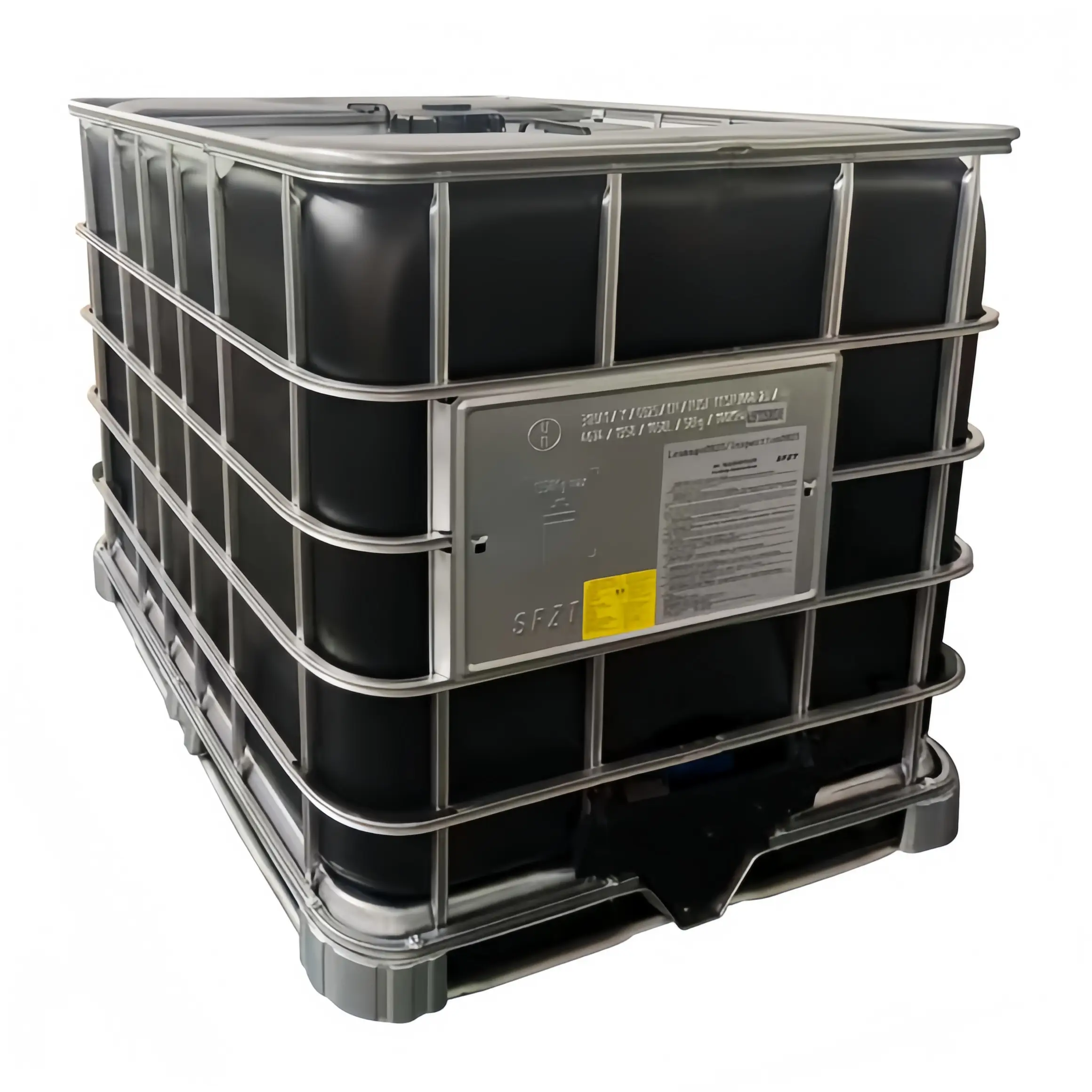
Industrial operations handling hazardous chemicals, volatile compounds, and sensitive materials face constant challenges in maintaining containment integrity throughout storage and transportation phases. Traditional packaging solutions often fall short when confronted with extreme conditions, aggressive chemicals, or demanding regulatory requirements. Composite drums have emerged as a revolutionary solution that addresses these critical containment challenges through innovative multi-layer construction and advanced material engineering. These sophisticated containers combine the structural strength of rigid materials with the chemical resistance of specialized barrier layers, creating an unprecedented level of protection against leakage risks in high-stakes industrial applications.
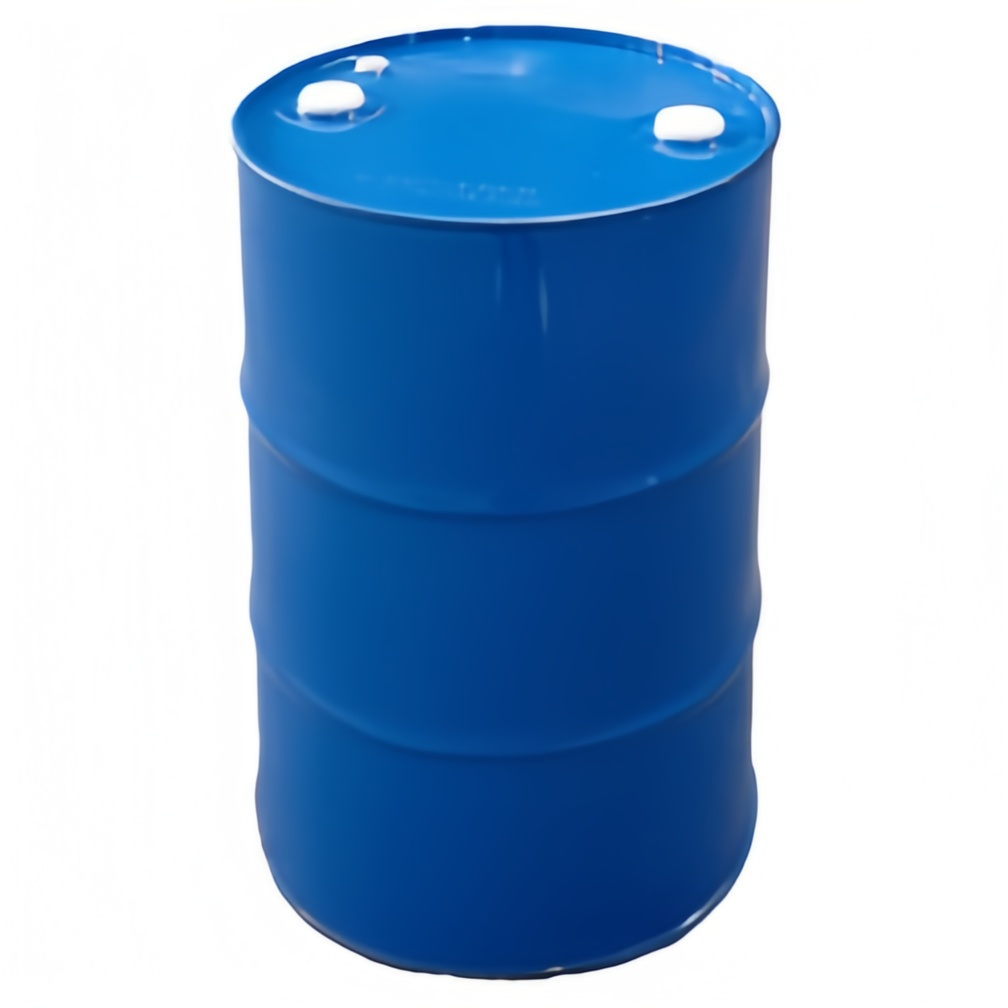
Understanding Multi-Layer Construction Technology
Advanced Barrier Layer Integration
The fundamental strength of composite drums lies in their sophisticated multi-layer architecture that creates multiple barriers against product migration and external contamination. Each layer serves a specific protective function, with high-density polyethylene inner liners providing excellent chemical compatibility, while outer steel or fiber shells deliver structural integrity and impact resistance. This layered approach ensures that even if one barrier experiences stress or minor damage, additional protective layers maintain containment integrity. Manufacturing processes involve precision bonding techniques that eliminate potential weak points between layers, creating a unified structure that performs as a single, robust containment system.
Advanced composite drums incorporate specialized barrier films and coatings that are specifically engineered to resist permeation by various chemical families. These barriers utilize molecular-level design principles to block the migration of even small molecules that might penetrate traditional single-wall containers. The result is significantly extended product shelf life and maintained product purity throughout extended storage periods. Quality control procedures during manufacturing include extensive barrier performance testing under accelerated aging conditions to verify long-term containment reliability.
Structural Integrity Enhancement Features
Modern composite drums integrate reinforcement technologies that dramatically improve structural performance under stress conditions commonly encountered in industrial environments. Strategic placement of fiber reinforcement layers provides exceptional resistance to impact damage, compression forces, and thermal expansion stresses. These reinforcement systems are designed using computer modeling techniques that identify potential failure points and optimize material distribution for maximum protective efficiency. The engineering approach ensures that composite drums maintain their protective capabilities even when subjected to rough handling, extreme temperatures, or accidental impacts during transportation and storage operations.
The structural design of composite drums incorporates advanced stress distribution principles that prevent localized failure points that could compromise containment integrity. Seamless construction techniques eliminate traditional weak points found in welded or mechanically joined containers, while precision-molded components ensure consistent wall thickness and optimal material properties throughout the container structure. This comprehensive approach to structural design results in containers that exceed traditional performance expectations while maintaining cost-effectiveness for large-scale industrial applications.
Chemical Resistance and Compatibility Advantages
Broad Spectrum Chemical Compatibility
Composite drums demonstrate exceptional performance across an extensive range of chemical applications, from highly corrosive acids and bases to organic solvents and specialized industrial compounds. The multi-layer construction allows manufacturers to optimize each layer for specific chemical resistance properties, creating containers that outperform single-material alternatives in challenging chemical environments. Comprehensive compatibility testing protocols ensure that composite drums maintain their protective properties when exposed to aggressive chemicals over extended periods, providing reliable containment for products that would quickly degrade traditional packaging materials.
Chemical resistance testing for composite drums involves exposure to concentrated chemical solutions under elevated temperature and pressure conditions to simulate worst-case industrial scenarios. These rigorous evaluation procedures verify that container materials will not experience swelling, cracking, or permeation that could compromise product integrity or create safety hazards. The resulting chemical compatibility data provides industrial users with confidence that their valuable and potentially hazardous products will remain securely contained throughout storage and transportation cycles.
Temperature Stability and Performance
Temperature fluctuations present significant challenges for industrial packaging systems, as thermal expansion and contraction can create stress points that lead to container failure and product leakage. Composite drums address these challenges through carefully engineered material combinations that accommodate thermal cycling without compromising structural integrity or barrier performance. Advanced polymer formulations maintain flexibility at low temperatures while retaining strength and chemical resistance at elevated temperatures, ensuring consistent performance across the wide temperature ranges encountered in industrial applications.
Thermal performance testing for composite drums includes exposure to extreme temperature cycles that exceed typical industrial conditions, verifying that containers maintain their protective properties under thermal stress. These tests evaluate barrier integrity, structural strength, and chemical resistance after repeated heating and cooling cycles, ensuring that composite drums provide reliable long-term performance in demanding thermal environments. The superior thermal stability of composite drums translates to reduced product loss, improved safety margins, and enhanced operational reliability for industrial users.
Manufacturing Quality Control and Testing Standards
Precision Manufacturing Processes
The production of high-quality composite drums requires sophisticated manufacturing processes that ensure consistent performance and reliability across all produced units. Advanced molding techniques create seamless container structures with uniform wall thickness and optimal material distribution, eliminating potential weak points that could lead to premature failure. Quality control systems monitor critical parameters throughout the manufacturing process, including temperature profiles, pressure settings, and curing times to ensure that each container meets stringent performance specifications.
Manufacturing facilities utilize automated inspection systems that evaluate every produced container for structural defects, dimensional accuracy, and surface quality issues that could affect performance or safety. These comprehensive quality control procedures include non-destructive testing methods that verify barrier integrity without damaging the containers, ensuring that only containers meeting the highest quality standards reach industrial users. The commitment to manufacturing excellence results in composite drums that consistently deliver superior performance and reliability in demanding industrial applications.
Performance Validation and Certification
Comprehensive testing protocols for composite drums include evaluation of mechanical properties, chemical resistance, barrier performance, and long-term stability under accelerated aging conditions. These testing procedures follow international standards and industry-specific requirements to ensure that containers meet or exceed performance expectations for their intended applications. Independent testing laboratories conduct verification studies that provide objective performance data and certification documentation required for regulatory compliance and industrial acceptance.
Performance validation testing includes drop tests, vibration resistance evaluations, and pressure cycling studies that simulate the stresses encountered during transportation and handling operations. These rigorous testing procedures verify that composite drums maintain their protective capabilities under real-world conditions, providing industrial users with confidence in container performance and safety. Certification documentation provides detailed performance data that supports regulatory compliance efforts and helps users select optimal packaging solutions for their specific applications.
Industrial Application Benefits and Cost Effectiveness
Operational Efficiency Improvements
The superior performance characteristics of composite drums translate directly into operational benefits for industrial users, including reduced product loss rates, decreased cleanup costs, and improved workplace safety conditions. Enhanced barrier properties minimize product evaporation and contamination risks, maintaining product quality and reducing waste disposal costs associated with degraded materials. The structural durability of composite drums reduces container replacement frequency and maintenance requirements, contributing to lower total cost of ownership over the container lifecycle.
Composite drums facilitate improved inventory management through extended product shelf life and reduced contamination risks that can result in product spoilage or quality degradation. The reliable containment properties allow for longer storage periods and more flexible distribution schedules, reducing inventory carrying costs and improving supply chain efficiency. These operational advantages provide measurable economic benefits that often exceed the initial investment in premium packaging solutions, making composite drums an economically attractive choice for industrial applications.
Regulatory Compliance and Safety Benefits
Stringent regulatory requirements for hazardous material handling and transportation create significant compliance challenges for industrial operations. Composite drums provide enhanced safety margins and documentation support that simplifies regulatory compliance efforts while reducing the risk of violations and associated penalties. The superior containment properties and extensive testing documentation for composite drums provide regulatory authorities with confidence in container performance and safety, facilitating permit approvals and operational authorizations.
Safety benefits of composite drums extend beyond regulatory compliance to include reduced workplace exposure risks, improved emergency response capabilities, and enhanced environmental protection. The robust construction and reliable containment properties minimize the likelihood of accidental releases that could endanger workers or contaminate surrounding environments. These safety advantages contribute to improved workplace conditions, reduced insurance costs, and enhanced corporate reputation for environmental responsibility and worker safety.
Future Developments and Industry Trends
Advanced Material Technologies
Ongoing research and development efforts in composite drum technology focus on incorporating next-generation materials and manufacturing techniques that further enhance performance capabilities and expand application possibilities. Nanotechnology applications are being explored to create ultra-thin barrier layers with exceptional chemical resistance and permeation blocking properties. Advanced polymer formulations are being developed that provide improved temperature stability, enhanced impact resistance, and broader chemical compatibility ranges that address emerging industrial requirements.
Smart packaging technologies are being integrated into composite drums to provide real-time monitoring capabilities for temperature, pressure, and chemical exposure conditions. These intelligent systems can alert users to potential container stress or environmental conditions that might affect product integrity, enabling proactive management of stored materials and prevention of containment failures. The integration of smart technologies with traditional composite drum construction creates next-generation packaging solutions that provide unprecedented levels of protection and monitoring capabilities.
Sustainability and Environmental Impact
Environmental sustainability considerations are driving the development of composite drums that incorporate recycled materials and design features that support circular economy principles. Advanced recycling technologies enable the recovery and reuse of composite drum materials, reducing waste generation and environmental impact while maintaining performance standards. Life cycle assessment studies are being conducted to optimize the environmental footprint of composite drums throughout their production, use, and disposal phases.
Sustainable manufacturing processes for composite drums emphasize energy efficiency, waste reduction, and the use of renewable energy sources to minimize environmental impact. These environmental initiatives respond to increasing regulatory requirements and corporate sustainability goals while maintaining the performance advantages that make composite drums essential for high-risk industrial applications. The commitment to sustainability ensures that composite drums will continue to provide superior containment solutions while supporting environmental responsibility objectives.
FAQ
How do composite drums compare to traditional steel drums in terms of leakage prevention
Composite drums provide superior leakage prevention compared to traditional steel drums through their multi-layer construction and seamless manufacturing processes. While steel drums rely on welded seams that can develop stress cracks over time, composite drums feature continuous barrier layers that eliminate potential failure points. The chemical resistance of composite drum materials also prevents degradation that commonly occurs when steel containers are exposed to corrosive substances, maintaining containment integrity over extended periods.
What types of chemicals and substances are best suited for storage in composite drums
Composite drums excel in storing a wide range of chemicals including corrosive acids, organic solvents, pharmaceutical compounds, and specialty chemicals that require high purity maintenance. The multi-layer barrier construction provides excellent compatibility with aggressive chemicals that would quickly degrade traditional packaging materials. However, specific chemical compatibility should always be verified through testing or consultation with the manufacturer to ensure optimal performance for particular applications.
How long can materials be safely stored in composite drums without quality degradation
Storage duration in composite drums depends on the specific product characteristics and storage conditions, but the superior barrier properties typically extend storage life significantly compared to traditional containers. Many industrial chemicals can be safely stored for 12-24 months or longer in composite drums without measurable quality degradation. The excellent barrier properties prevent product evaporation, contamination, and chemical interaction that commonly limit storage duration in conventional packaging systems.
What maintenance and inspection procedures are recommended for composite drums in industrial use
Composite drums require minimal maintenance compared to traditional containers, but regular visual inspections should be conducted to identify any signs of damage or stress. Inspection procedures should focus on checking for surface damage, deformation, or changes in container appearance that might indicate barrier compromise. Storage areas should be maintained within recommended temperature ranges, and containers should be protected from impact damage during handling and transportation to ensure continued performance reliability.
Table of Contents
- Understanding Multi-Layer Construction Technology
- Chemical Resistance and Compatibility Advantages
- Manufacturing Quality Control and Testing Standards
- Industrial Application Benefits and Cost Effectiveness
- Future Developments and Industry Trends
-
FAQ
- How do composite drums compare to traditional steel drums in terms of leakage prevention
- What types of chemicals and substances are best suited for storage in composite drums
- How long can materials be safely stored in composite drums without quality degradation
- What maintenance and inspection procedures are recommended for composite drums in industrial use
