Complete Guide to Different Types of Steel Drums: Features, Benefits, and Applications

All Categories

Get a Free Quote

Our representative will contact you soon.
Email
Name
Company Name
Message
0/1000

different types of steel drums

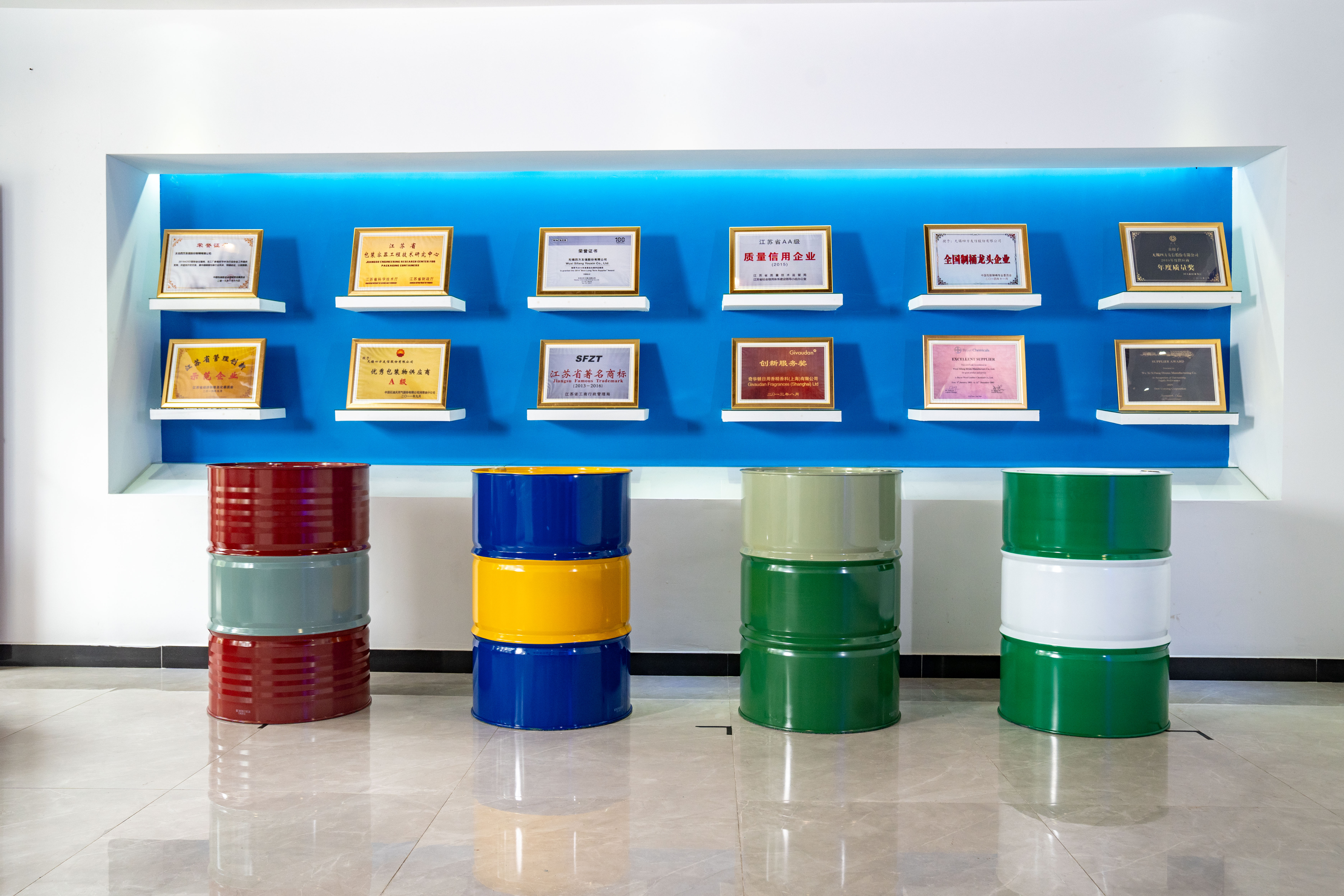
Steel drums represent essential industrial containers that serve countless manufacturing, chemical, and storage applications worldwide. These robust cylindrical vessels come in multiple configurations, each engineered to meet specific operational requirements and safety standards. Open-top steel drums feature removable lids secured by ring closures, making them ideal for materials requiring frequent access during processing or packaging operations. Their wide opening facilitates easy filling, mixing, and cleaning procedures. Tight-head steel drums incorporate permanently sealed tops with small openings for controlled dispensing, providing superior protection for liquid contents and volatile substances. UN-rated steel drums meet stringent international transportation standards, ensuring safe shipment of hazardous materials across global supply chains. These containers undergo rigorous testing protocols to guarantee structural integrity under extreme conditions. Stainless steel drums offer exceptional corrosion resistance for pharmaceutical, food processing, and chemical applications where product purity remains paramount. Carbon steel drums provide cost-effective solutions for general industrial storage while maintaining excellent durability and impact resistance. Specialized coatings and linings enhance chemical compatibility, extending service life in aggressive environments. Modern steel drum manufacturing incorporates advanced forming techniques that optimize wall thickness distribution, maximizing strength while minimizing weight. Precision welding processes ensure leak-proof construction that withstands internal pressure variations and external mechanical stress. Size variations range from compact 30-gallon units for laboratory applications to large 55-gallon industrial containers for bulk material handling. Temperature resistance capabilities allow steel drums to function effectively in extreme operating conditions, from frozen storage facilities to high-temperature processing environments. Quality control measures throughout production guarantee consistent performance and regulatory compliance across different types of steel drums.

Popular Products

Different types of steel drums deliver numerous practical benefits that directly impact operational efficiency and cost management for businesses across various industries. Open-top steel drums provide unmatched accessibility, allowing workers to easily inspect contents, perform quality checks, and execute thorough cleaning procedures between batches. This accessibility reduces downtime and labor costs while ensuring consistent product quality standards. The removable lid design enables complete drainage and sanitization, critical factors in food processing and pharmaceutical manufacturing environments. Tight-head steel drums excel in preserving product integrity by creating hermetic seals that prevent contamination, oxidation, and volatile compound escape. This protection translates into extended shelf life for stored materials and reduced product loss due to evaporation or degradation. Transportation advantages become apparent through their stackable design and standardized dimensions that optimize shipping container utilization and warehouse storage efficiency. UN-rated steel drums provide legal compliance assurance for hazardous material transport, eliminating regulatory violations and associated penalties while ensuring worker safety. Their certified construction reduces insurance premiums and liability concerns for companies handling dangerous substances. Stainless steel drums offer superior hygiene properties that eliminate bacterial growth and prevent flavor contamination in food and beverage applications. The non-reactive surface maintains product purity without introducing metallic tastes or chemical interactions that could compromise quality. Corrosion resistance translates into longer service life and reduced replacement costs, particularly valuable in marine environments or chemical processing facilities. Carbon steel drums provide excellent value proposition through lower initial investment costs while delivering reliable performance for general storage applications. Their robust construction withstands rough handling during transportation and warehouse operations, minimizing container damage and product loss. Recyclability of steel drums supports environmental sustainability initiatives while recovering material value at end-of-life. Standardized designs ensure compatibility with existing handling equipment, conveyor systems, and automated packaging lines, reducing capital equipment investments. Temperature stability allows different types of steel drums to maintain structural integrity across wide temperature ranges, supporting diverse storage and processing requirements without compromising safety or performance.

Latest News

Why Do Inner Coating Steel Drums Provide Better Protection for Sensitive Materials?

23

Jan

Why Do Inner Coating Steel Drums Provide Better Protection for Sensitive Materials?

The protection of sensitive materials during storage and transportation has become increasingly critical in today's industrial landscape. Industries handling chemicals, pharmaceuticals, and specialty materials require containers that offer superior p...
View More
How Does a Stainless Steel Drum Support Long-Term Material Storage?

25

Feb

How Does a Stainless Steel Drum Support Long-Term Material Storage?

Industrial material storage presents complex challenges that require robust, reliable solutions capable of maintaining product integrity over extended periods. A stainless steel drum serves as an exceptional storage vessel, offering unparalleled prot...
View More
How Do Intermediate & Bulk Container Solutions Improve Industrial Storage Efficiency?

25

Feb

How Do Intermediate & Bulk Container Solutions Improve Industrial Storage Efficiency?

Industrial storage efficiency has become a critical factor in modern supply chain management, with businesses constantly seeking solutions that maximize space utilization while minimizing operational costs. The intermediate & bulk container has emerg...
View More
How Does a Vacuum Brazing Furnace Improve the Strength of Metal Joints?

25

Feb

How Does a Vacuum Brazing Furnace Improve the Strength of Metal Joints?

Metal joining technologies have evolved significantly over the decades, with brazing standing out as one of the most reliable methods for creating strong, permanent connections between dissimilar materials. The advent of vacuum brazing furnace techno...
View More

Get a Free Quote

Our representative will contact you soon.
Email
Name
Company Name
Message
0/1000

different types of steel drums

Superior Durability and Impact Resistance Across All Steel Drum Types

Superior Durability and Impact Resistance Across All Steel Drum Types

Different types of steel drums demonstrate exceptional structural integrity that withstands demanding industrial environments and harsh operating conditions. The fundamental strength advantage stems from steel's inherent material properties, which provide superior impact resistance compared to alternative container materials like plastic or fiber drums. This durability translates into tangible cost savings through reduced container replacement frequency and minimized product loss due to structural failures. Manufacturing processes for steel drums utilize advanced forming techniques that optimize metal grain structure and eliminate weak points commonly found in welded seams. Progressive stamping and deep drawing methods create seamless cylindrical walls that distribute stress evenly across the container surface, preventing localized failure points that could compromise contents. Quality heat treatment processes enhance the molecular structure of steel, increasing tensile strength and fatigue resistance that enables containers to withstand repeated loading cycles without degradation. Different types of steel drums maintain their protective capabilities even when subjected to extreme temperature fluctuations, mechanical vibration, and chemical exposure that would damage lesser materials. The robust construction proves particularly valuable in transportation applications where containers experience constant movement, stacking forces, and potential impacts during handling operations. Industrial facilities benefit from this durability through reduced maintenance requirements and lower total cost of ownership over extended service periods. Steel drums resist denting and puncturing that could create leak paths or contamination entry points, maintaining product integrity throughout storage and distribution cycles. Surface treatments and protective coatings further enhance durability by providing additional barriers against corrosion, abrasion, and chemical attack. This comprehensive protection ensures that different types of steel drums continue performing reliably even in aggressive environments where other container materials would fail prematurely, delivering consistent value and peace of mind for industrial users.
Versatile Chemical Compatibility and Specialized Coating Options

Versatile Chemical Compatibility and Specialized Coating Options

Different types of steel drums offer extensive chemical compatibility options through specialized interior coatings and material selections that accommodate diverse industrial applications. This versatility enables businesses to utilize standardized container designs across multiple product lines while maintaining optimal storage conditions for each specific chemical or substance. Phenolic coatings provide excellent resistance to acidic compounds, making steel drums suitable for storing industrial chemicals, cleaning solutions, and food products with low pH levels. Epoxy linings create barrier protection against alkaline substances and aggressive solvents that could otherwise corrode unprotected steel surfaces. Zinc-rich primers offer galvanic protection that prevents rust formation even when minor coating damage occurs, extending service life in humid or corrosive environments. Stainless steel variants eliminate coating requirements entirely for applications requiring absolute chemical inertness, such as pharmaceutical manufacturing and high-purity chemical processing. The broad compatibility range of different types of steel drums reduces inventory complexity by allowing facilities to standardize on fewer container types while still meeting diverse storage requirements. Specialized food-grade coatings ensure compliance with FDA regulations and prevent metallic taste transfer in beverage and food storage applications. Heat-resistant coatings enable steel drums to withstand elevated temperatures during hot-fill operations or thermal processing procedures without degrading or releasing harmful compounds. Chemical compatibility testing protocols verify performance across expected service conditions, providing documented assurance that containers will maintain integrity when exposed to specific substances. This comprehensive approach to chemical compatibility eliminates guesswork in container selection and reduces the risk of costly product contamination or container failure. Customizable coating options allow manufacturers to optimize different types of steel drums for unique applications, creating tailored solutions that maximize performance while maintaining cost-effectiveness. The ability to modify chemical resistance properties through coating selection provides flexibility that adapts to changing product formulations or new regulatory requirements without necessitating complete container redesign.
Standardized Design Ensuring Global Transportation and Storage Efficiency

Standardized Design Ensuring Global Transportation and Storage Efficiency

Different types of steel drums incorporate internationally standardized dimensions and specifications that streamline global logistics operations and optimize storage efficiency across diverse industrial facilities. This standardization eliminates compatibility issues that could arise from proprietary container designs while ensuring seamless integration with existing material handling equipment and warehouse infrastructure. UN specification compliance for hazardous materials transportation provides legal certainty and regulatory acceptance in over 190 countries, simplifying international trade procedures and reducing documentation complexity. Standard drum dimensions maximize shipping container utilization by allowing precise calculation of load quantities and optimal arrangement patterns that minimize wasted space during transportation. Forklift compatibility ensures efficient handling operations through strategically positioned lifting points and structural reinforcement that prevents deformation during mechanical handling. Palletization options accommodate standard pallet configurations, enabling automated warehouse systems to process different types of steel drums without requiring specialized handling equipment or modified storage racks. Stackability features allow vertical storage that maximizes warehouse capacity utilization while maintaining safe working conditions and easy inventory access. Standardized closure systems ensure compatibility with automated filling and capping equipment, reducing production line changeover time and maintaining consistent sealing performance across different product runs. Weight distribution characteristics of steel drums provide stable stacking properties that prevent shifting during transportation and storage, reducing product damage and safety risks. Dimensional consistency enables accurate inventory planning and storage allocation, allowing facility managers to optimize space utilization and implement efficient picking strategies. International shipping regulations recognize standard drum specifications, eliminating delays and additional inspections that could disrupt supply chain schedules. Roll-out capabilities of certain steel drum designs facilitate controlled dispensing operations while maintaining containment integrity, supporting manufacturing processes that require precise material flow control. This comprehensive standardization approach ensures that different types of steel drums integrate seamlessly into existing operations while providing flexibility for future expansion or process modifications without requiring significant infrastructure investments or operational changes.

Get a Free Quote

Our representative will contact you soon.
Email
Name
Company Name
Message
0/1000