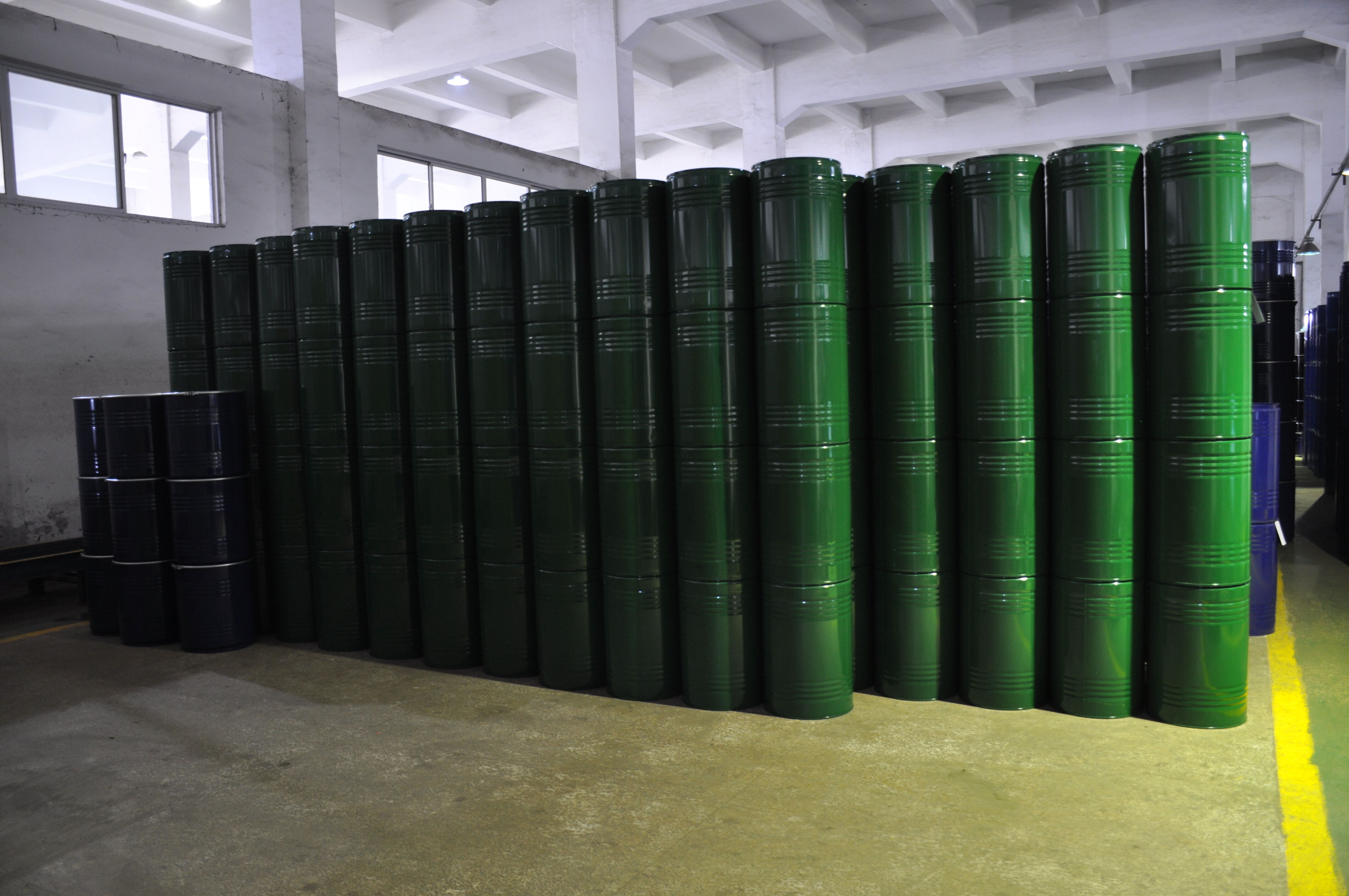
the steel drum
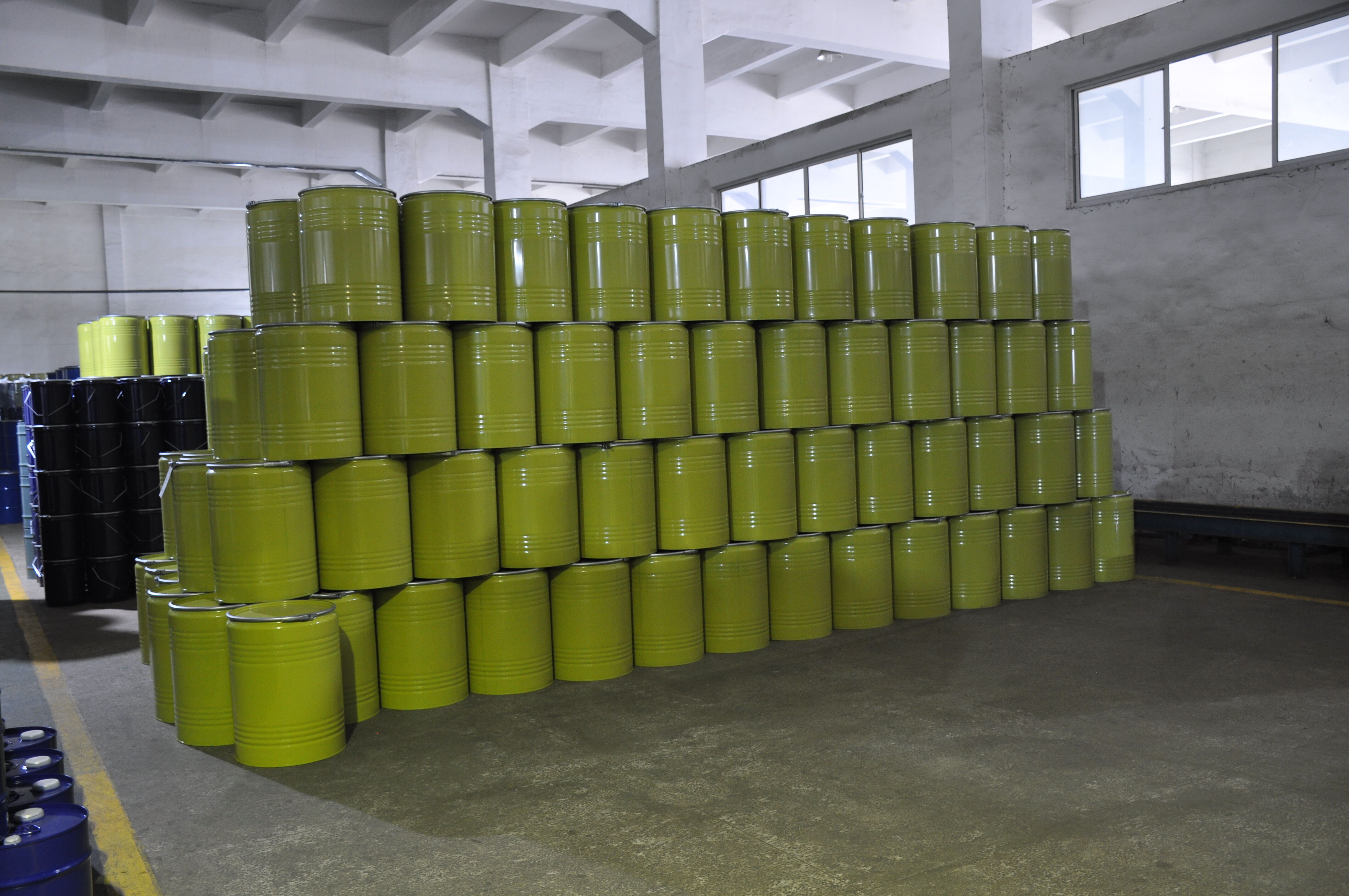
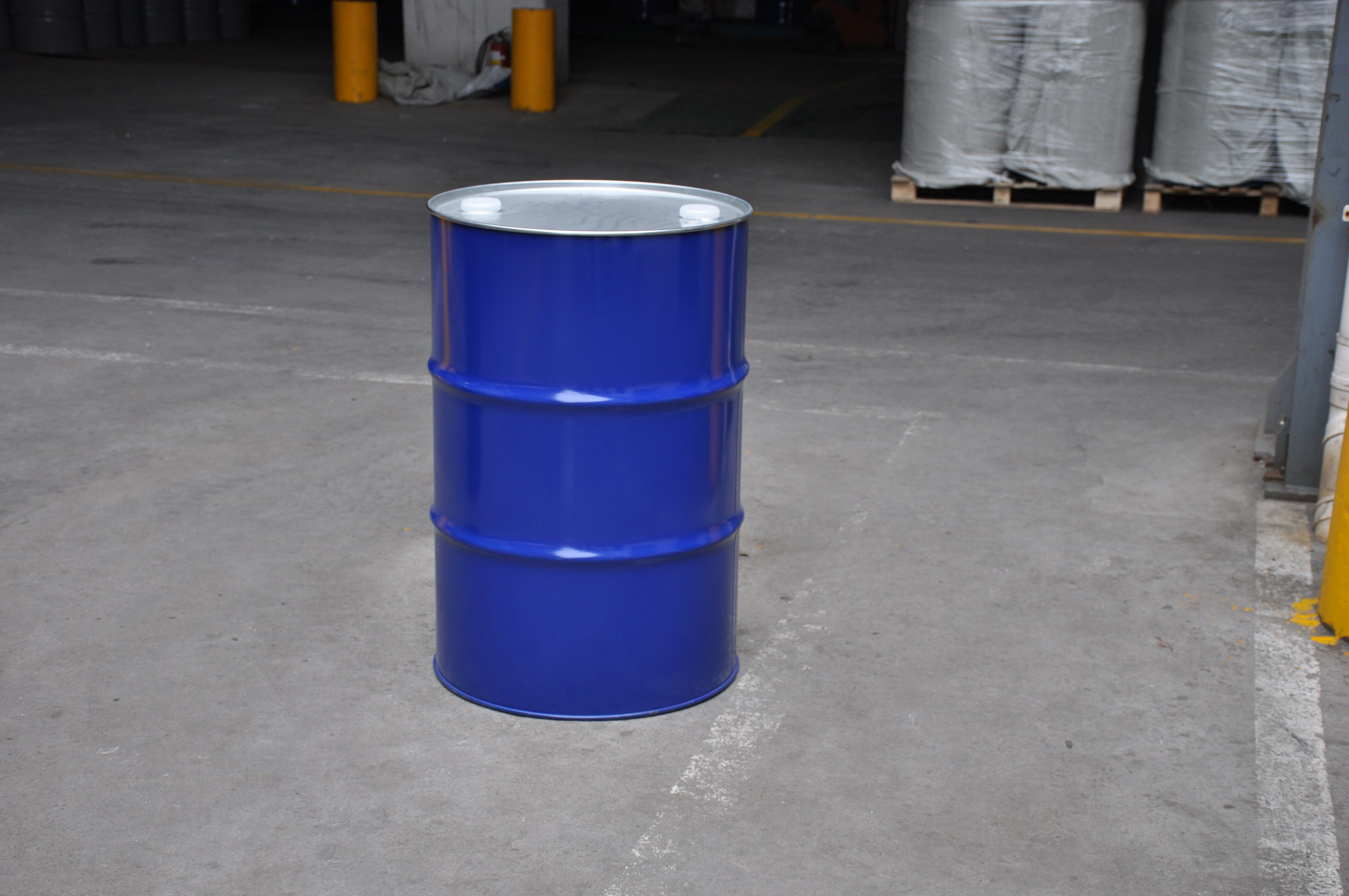
The steel drum represents one of the most versatile and reliable storage solutions in modern industrial applications. This cylindrical metal container, typically manufactured from high-grade steel materials, serves as a cornerstone for countless businesses worldwide. The steel drum functions primarily as a secure storage vessel for liquids, chemicals, oils, and various industrial materials that require robust containment systems. Its main functions encompass safe transportation, long-term storage, and efficient handling of diverse substances across multiple industries. The technological features of the steel drum include advanced welding techniques that create seamless joints, preventing leakage and ensuring structural integrity. Modern steel drum manufacturing incorporates sophisticated coating systems that provide superior corrosion resistance, extending the lifespan of these containers significantly. The drum's design features reinforced rims and bottoms that withstand extreme pressure variations and mechanical stress during transportation and storage operations. Applications for the steel drum span numerous sectors, including chemical processing, petroleum refining, food production, pharmaceutical manufacturing, and waste management. In the chemical industry, these drums safely contain hazardous materials while maintaining product purity and preventing contamination. The petroleum sector relies heavily on steel drum technology for storing refined products and crude oil derivatives. Food manufacturers utilize food-grade steel drum variants for storing edible oils, syrups, and other liquid ingredients. The pharmaceutical industry depends on sterile steel drum systems for maintaining product integrity during storage and distribution processes. Environmental applications include hazardous waste containment and recycling operations where durability and safety are paramount. The steel drum's robust construction enables it to withstand harsh environmental conditions, temperature fluctuations, and mechanical impacts that would compromise lesser storage solutions. These containers feature standardized dimensions that facilitate efficient stacking, storage optimization, and automated handling systems integration.
 EN
EN