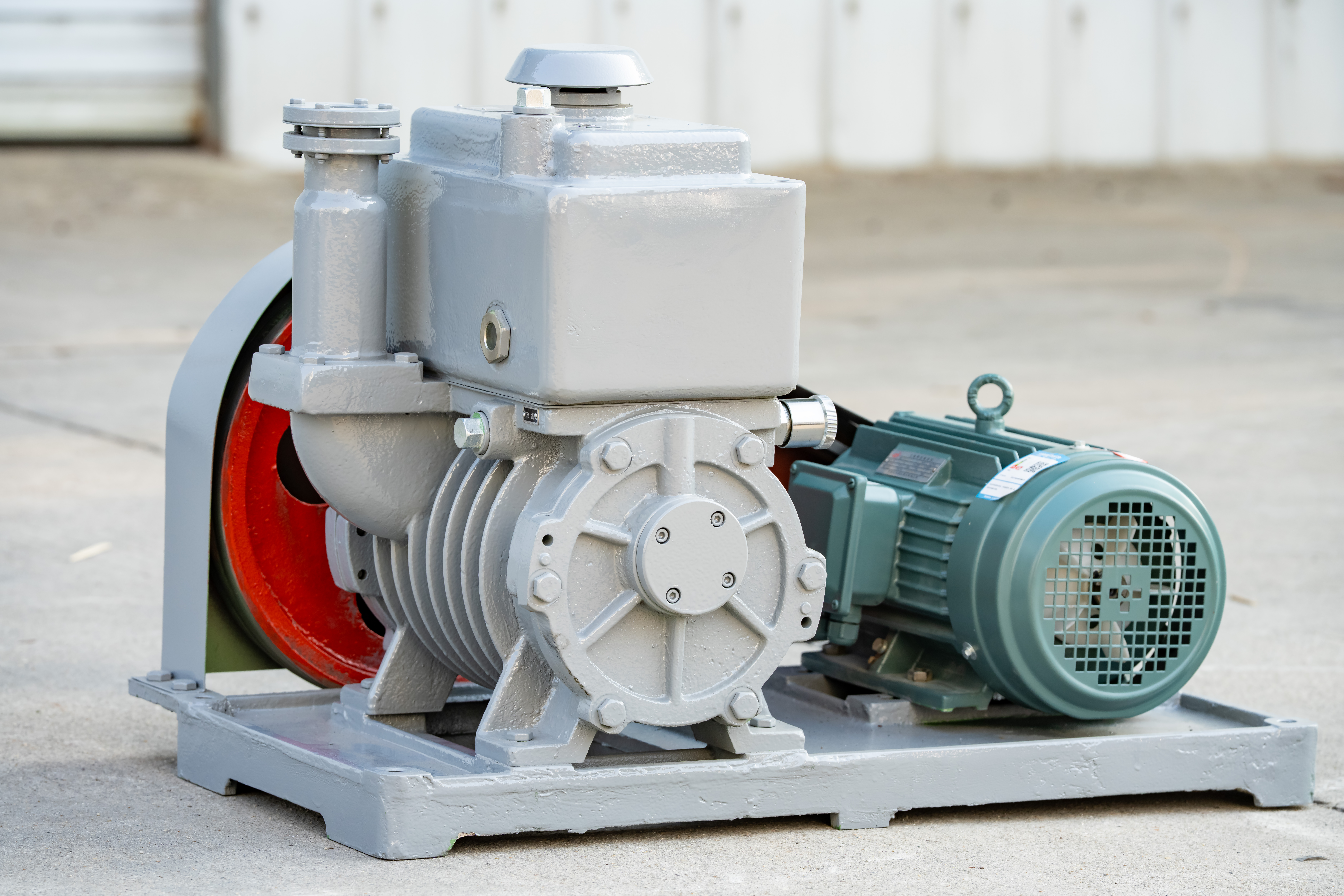
Reduced Maintenance and Lower Operating Costs
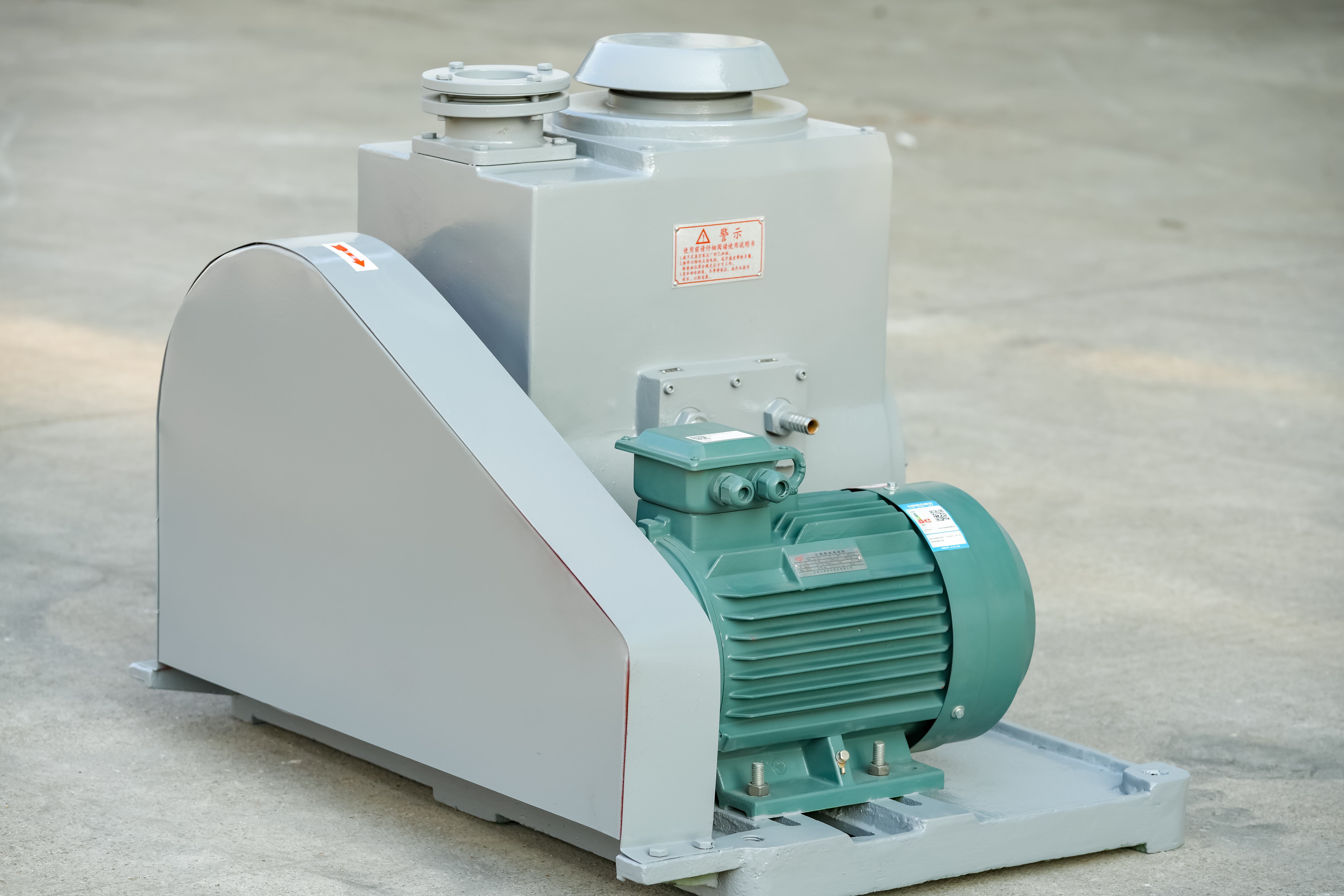
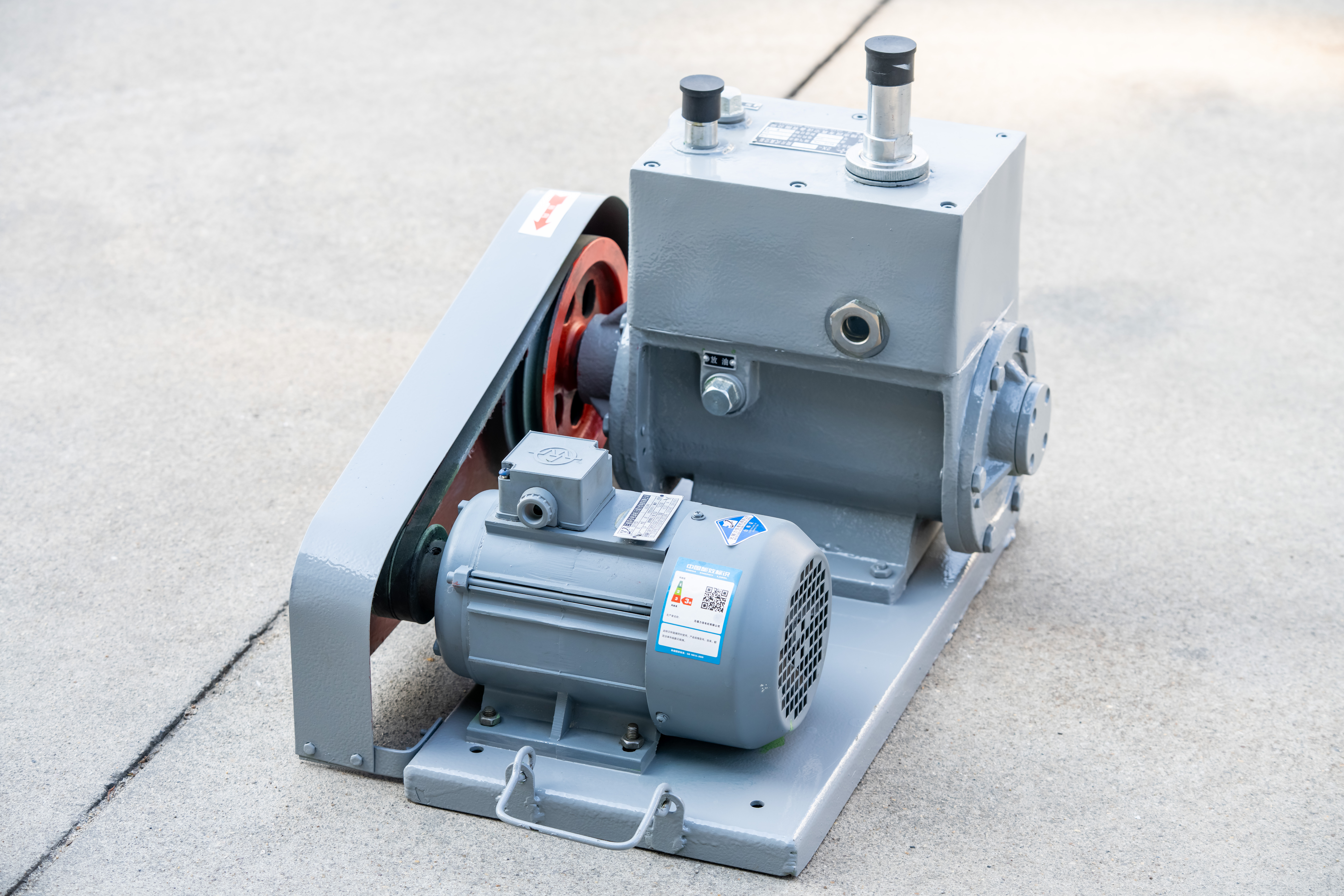
The dry running rotary vane vacuum pump delivers exceptional economic advantages through dramatically reduced maintenance requirements and lower long-term operating costs compared to oil-sealed alternatives. Traditional oil-lubricated pumps require regular oil changes, filter replacements, and constant monitoring of oil condition and levels, creating ongoing expenses that accumulate significantly over the pump's service life. The dry running rotary vane vacuum pump eliminates these recurring costs entirely, allowing operators to allocate maintenance resources more efficiently toward other critical equipment. Maintenance schedules become predictable and based on actual component wear rather than arbitrary time intervals, enabling more strategic maintenance planning that minimizes unexpected downtime and production interruptions. The absence of oil-related components such as oil reservoirs, pumps, filters, and cooling systems simplifies the overall system design, reducing the number of potential failure points and associated repair costs. Vane replacement, when eventually required, represents a straightforward procedure that maintenance personnel can complete quickly with standard tools, minimizing labor costs and system downtime. The robust materials used in dry running rotary vane vacuum pump construction, including hardened steel chambers and advanced composite vanes, demonstrate exceptional durability that extends operational life far beyond conventional pump components. Energy consumption decreases substantially due to reduced internal friction and elimination of oil circulation pumps, contributing to lower electricity costs and supporting corporate sustainability initiatives. Environmental compliance becomes simpler since there are no waste oils to dispose of according to hazardous material regulations, eliminating disposal fees and reducing environmental liability exposure. The pump's ability to operate effectively in harsh environments without oil degradation concerns means fewer emergency service calls and unplanned maintenance interventions. Inventory management improves as spare parts requirements focus primarily on vanes and seals rather than maintaining stocks of various oil grades, filters, and oil-handling equipment. Training requirements for maintenance personnel decrease since oil-related procedures, safety protocols, and contamination prevention measures become unnecessary, allowing staff to focus on other valuable skills and responsibilities.
 EN
EN