Vacuum Annealing Furnace for Metals: Advanced Heat Treatment Solutions for Superior Material Quality

All Categories

Get a Free Quote

Our representative will contact you soon.
Email
Name
Company Name
Message
0/1000

vacuum annealing furnace for metals

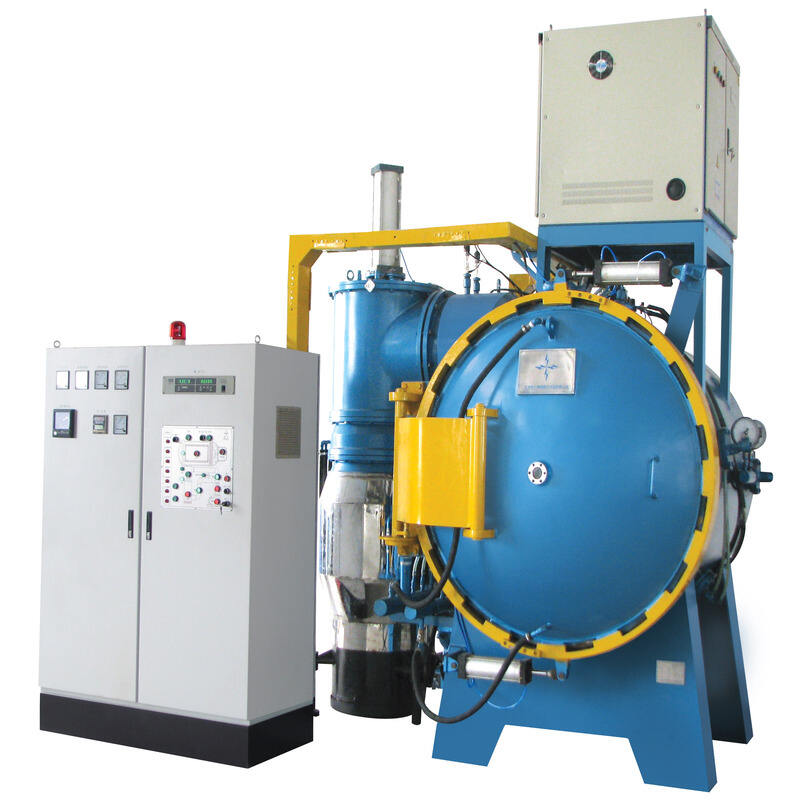
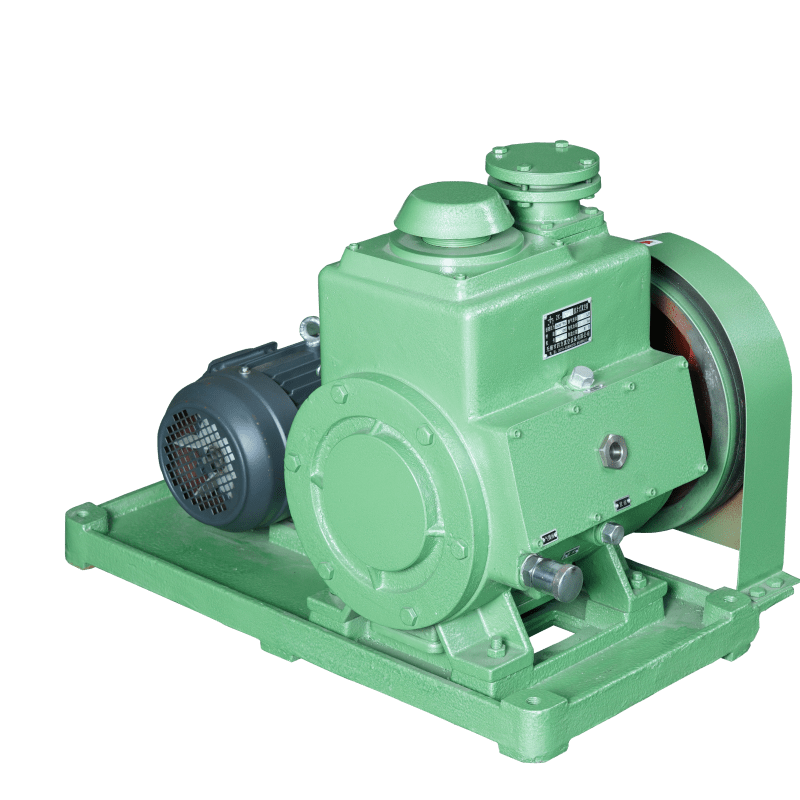
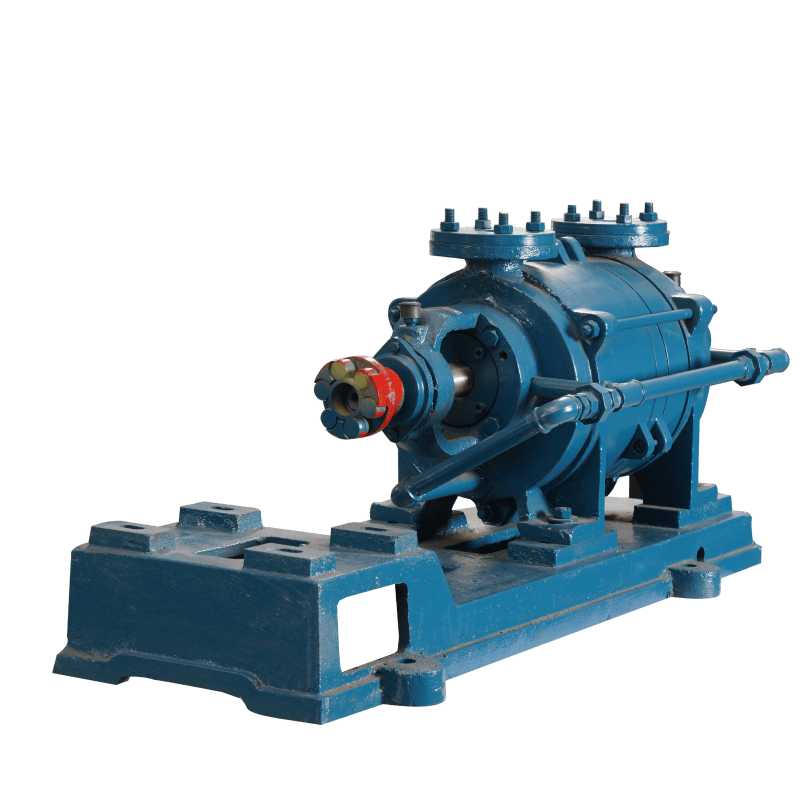
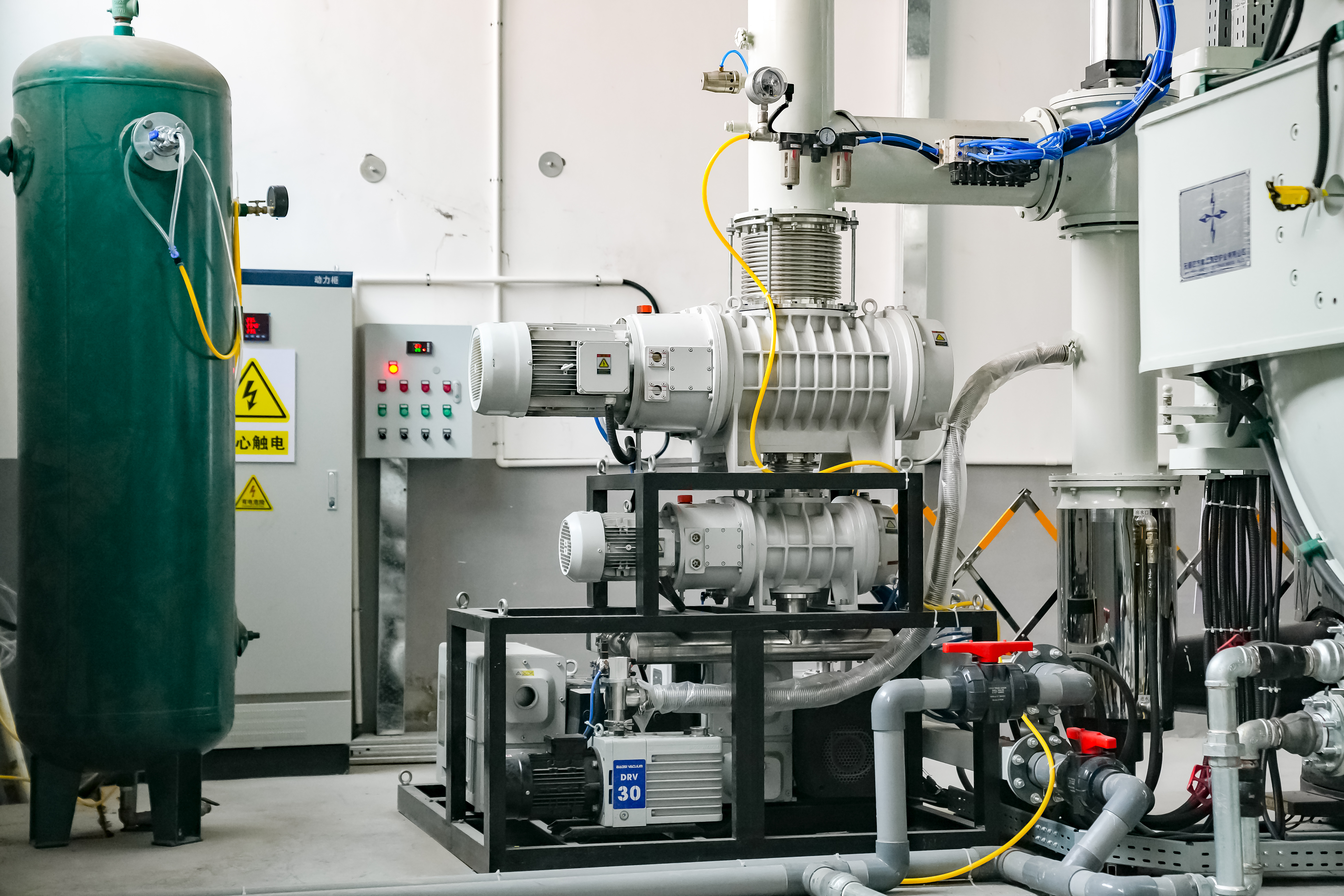
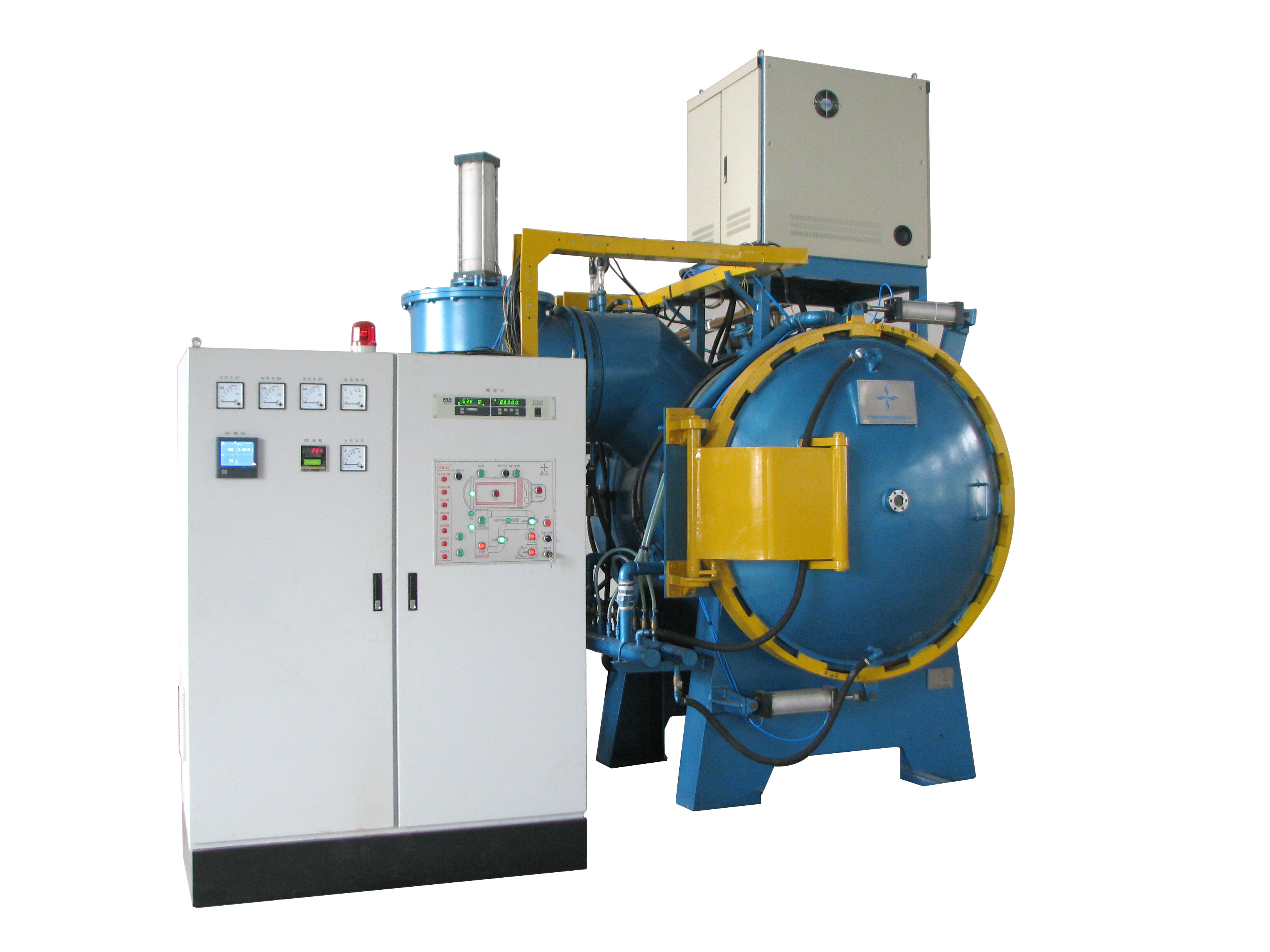
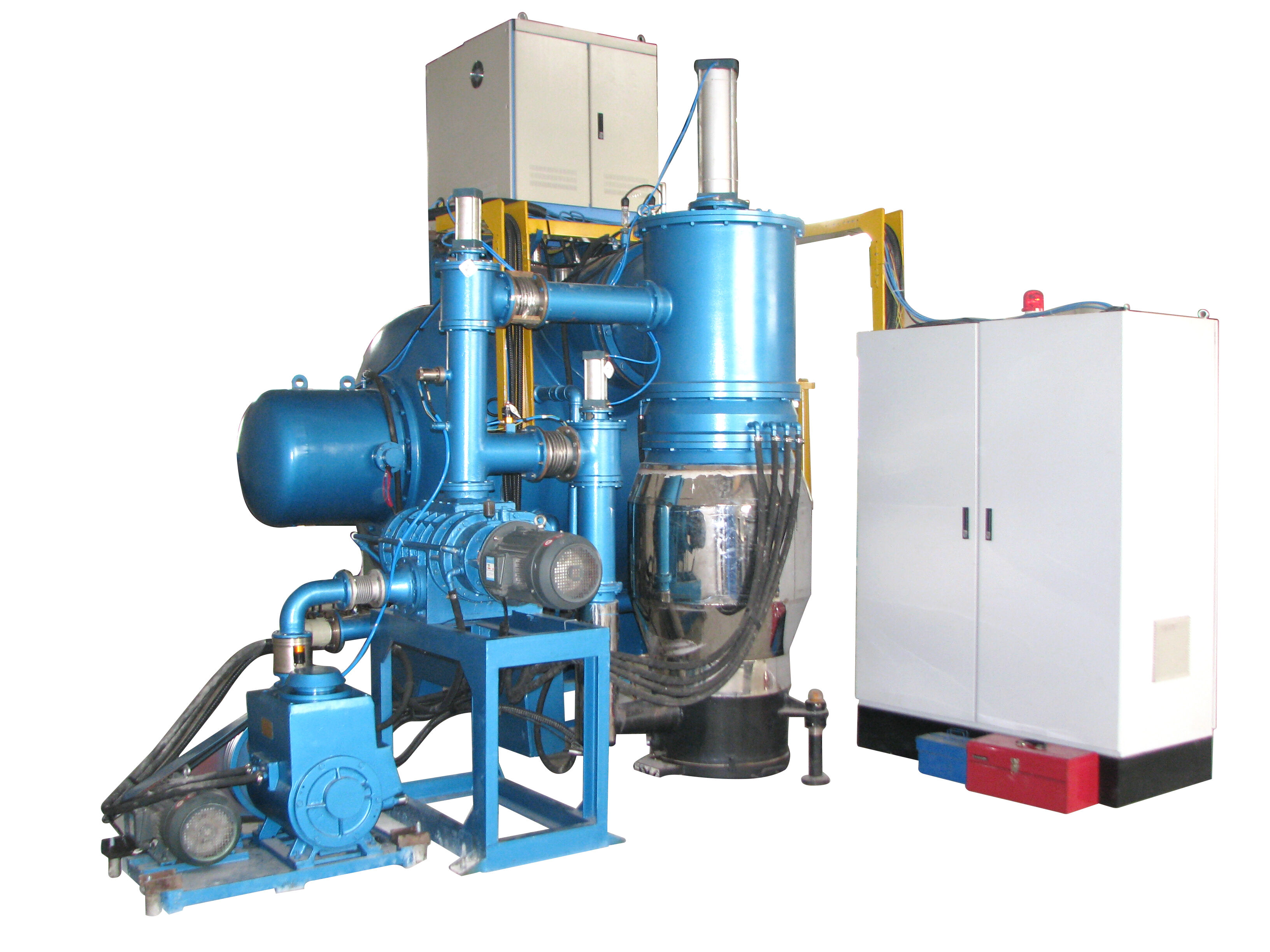
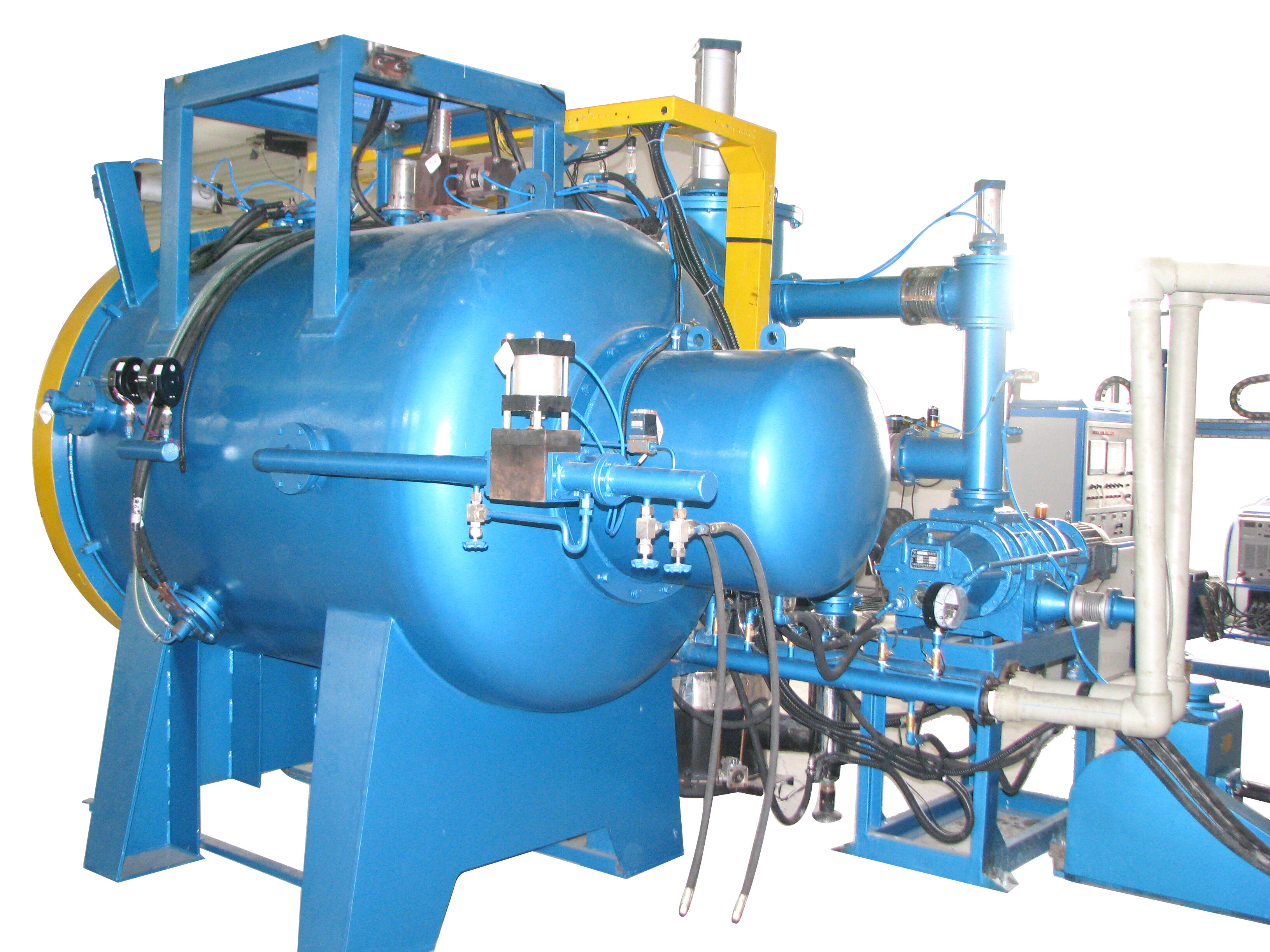
The vacuum annealing furnace for metals represents a sophisticated industrial heating system designed to perform heat treatment processes in an oxygen-free environment. This advanced equipment creates controlled atmospheric conditions by removing air and other gases, allowing metals to undergo annealing without oxidation or contamination. The primary function of a vacuum annealing furnace for metals involves heating materials to specific temperatures while maintaining precise vacuum levels, typically ranging from 10^-3 to 10^-6 torr. During operation, the furnace heats metals to temperatures between 300°C and 1200°C, depending on the material type and desired metallurgical properties. The technological features of modern vacuum annealing furnaces include programmable temperature controllers, multi-zone heating elements, advanced vacuum pumping systems, and sophisticated monitoring equipment. These systems incorporate high-quality insulation materials, robust chamber construction, and precise gas flow controls to ensure consistent results. The vacuum environment prevents surface oxidation, decarburization, and other atmospheric reactions that could compromise material quality. Applications for vacuum annealing furnace for metals span across multiple industries, including aerospace, automotive, electronics, medical devices, and precision manufacturing. Common materials processed include stainless steel, tool steels, titanium alloys, nickel-based superalloys, and specialized electronic components. The equipment proves particularly valuable for treating high-value components requiring exceptional surface finish and metallurgical integrity. Manufacturing facilities utilize these systems for stress relief, grain structure modification, hardness reduction, and improvement of mechanical properties. The controlled atmosphere enables processing of reactive metals that would otherwise oxidize in conventional furnaces, making vacuum annealing furnace for metals essential for advanced manufacturing applications requiring superior material performance and reliability.


New Products

Vacuum annealing furnace for metals delivers exceptional material quality improvements that conventional atmospheric furnaces cannot achieve. The oxygen-free environment prevents oxidation completely, eliminating the need for protective atmospheres or post-processing surface treatments. This results in materials with pristine surface finishes, free from scale formation and discoloration that typically occurs during traditional heat treatment processes. Manufacturers save significant costs by avoiding secondary cleaning operations, chemical treatments, or mechanical surface preparation steps. The controlled vacuum environment also prevents decarburization, maintaining the carbon content essential for proper material hardness and strength characteristics. Energy efficiency represents another major advantage of vacuum annealing furnace for metals systems. The superior insulation properties of vacuum chambers reduce heat loss dramatically compared to conventional furnaces. This translates to lower energy consumption, reduced operating costs, and faster heating cycles. The absence of convective heat transfer in vacuum conditions allows for more uniform temperature distribution throughout the load, ensuring consistent results across all processed parts. Process control capabilities exceed those of traditional systems significantly. Vacuum annealing furnace for metals equipment provides precise monitoring of pressure levels, temperature profiles, and heating rates. Advanced control systems enable complex thermal cycles with multiple temperature steps, controlled cooling rates, and customized processing parameters for specific materials. This level of control ensures repeatable results and allows manufacturers to optimize material properties for specific applications. The versatility of vacuum annealing systems accommodates a wide range of materials and components. From delicate electronic parts to large industrial components, these furnaces handle diverse workloads effectively. The clean processing environment makes vacuum annealing furnace for metals ideal for medical devices, aerospace components, and precision instruments where contamination cannot be tolerated. Additionally, the ability to introduce controlled atmospheres or partial pressures of specific gases provides flexibility for specialized heat treatment requirements. Productivity benefits include reduced cycle times, improved yield rates, and enhanced material properties that extend component service life, ultimately delivering superior return on investment for manufacturing operations.

Practical Tips

What Makes a Metal Barrel Suitable for High-Temperature Applications?

26

Dec

What Makes a Metal Barrel Suitable for High-Temperature Applications?

Industrial applications requiring extreme heat resistance demand specialized equipment that can withstand temperatures often exceeding 1000°C. Metal barrels and chambers used in these high-temperature environments must possess exceptional thermal...
View More
What Applications Benefit Most From Small and Intermediate Steel Drums?

30

Dec

What Applications Benefit Most From Small and Intermediate Steel Drums?

Industrial packaging solutions have evolved significantly over the decades, with small and intermediate steel drums emerging as essential containers for countless applications across diverse sectors. These versatile vessels offer superior protection,...
View More
How Do Composite Drums Combine Strength and Chemical Resistance Effectively?

25

Feb

How Do Composite Drums Combine Strength and Chemical Resistance Effectively?

Modern industrial packaging demands containers that can withstand both mechanical stress and chemical exposure without compromising product integrity. Composite drums have emerged as the optimal solution for industries requiring reliable storage and ...
View More
How Do Material Types Affect Performance in a Vacuum Brazing Furnace?

25

Feb

How Do Material Types Affect Performance in a Vacuum Brazing Furnace?

Material selection plays a crucial role in determining the success and efficiency of thermal processing operations. When working with a vacuum brazing furnace, understanding how different materials respond to high-temperature environments and control...
View More

Get a Free Quote

Our representative will contact you soon.
Email
Name
Company Name
Message
0/1000

vacuum annealing furnace for metals

Superior Material Quality and Surface Integrity

Superior Material Quality and Surface Integrity

The vacuum annealing furnace for metals excels in delivering unparalleled material quality through its oxygen-free processing environment, which fundamentally transforms the heat treatment experience for manufacturers. Unlike conventional atmospheric furnaces that expose materials to oxidizing conditions, vacuum systems eliminate oxygen completely, preventing the formation of oxide layers that compromise surface quality and dimensional accuracy. This pristine processing environment ensures that treated metals maintain their original surface characteristics while achieving desired metallurgical improvements. The absence of oxidation prevents scale formation, discoloration, and surface contamination that typically require expensive post-processing operations. Components emerge from vacuum annealing furnace for metals systems with bright, clean surfaces that often meet finish requirements without additional treatments. This translates to immediate cost savings through eliminated cleaning processes, reduced material waste, and improved production efficiency. Furthermore, the controlled atmosphere prevents decarburization, a common problem in conventional heat treatment where carbon migrates from the metal surface, weakening the material structure. Maintaining proper carbon content is crucial for achieving specified hardness levels and mechanical properties. The vacuum environment also prevents nitrogen absorption and other atmospheric contamination that can alter material characteristics unpredictably. For precision applications in aerospace, medical devices, and electronics manufacturing, this level of quality control is essential. The consistent, contamination-free processing enables manufacturers to achieve tighter tolerances, improved surface finishes, and enhanced material properties that extend component service life. The superior quality delivered by vacuum annealing furnace for metals systems directly impacts product reliability, customer satisfaction, and competitive advantage in demanding markets where material integrity cannot be compromised.
Energy Efficiency and Operational Cost Reduction

Energy Efficiency and Operational Cost Reduction

Vacuum annealing furnace for metals systems deliver remarkable energy efficiency through innovative design principles that fundamentally reduce operational costs while improving performance. The vacuum environment eliminates convective heat transfer, which typically accounts for significant energy losses in conventional furnaces. Without air molecules to carry heat away from the heating elements and workload, thermal energy remains concentrated where needed most. This principle allows vacuum systems to achieve target temperatures using substantially less energy compared to atmospheric furnaces operating under similar conditions. The superior insulation properties of vacuum chambers further enhance energy conservation. Multi-layer radiation shields and advanced insulation materials work synergistically with the vacuum environment to minimize heat loss through the chamber walls. This combination enables faster heating cycles and more efficient temperature maintenance, reducing overall energy consumption by up to 40% compared to conventional systems. The economic benefits extend beyond reduced electricity costs to include improved productivity through shorter cycle times and enhanced equipment longevity due to reduced thermal stress on furnace components. Vacuum annealing furnace for metals systems also offer superior temperature uniformity, which reduces energy waste associated with overheating to compensate for temperature variations. The precise control capabilities enable optimized heating profiles that use energy more efficiently while achieving better metallurgical results. Additionally, the clean processing environment reduces maintenance requirements, extending equipment life and reducing downtime costs. The combination of lower energy consumption, reduced maintenance needs, and improved productivity creates a compelling return on investment that becomes more significant as energy costs continue rising. For manufacturers processing large volumes of materials or operating multiple shifts, these efficiency gains translate to substantial annual savings that justify the initial investment in vacuum annealing furnace for metals technology while supporting sustainability initiatives through reduced energy consumption and environmental impact.
Advanced Process Control and Versatile Applications

Advanced Process Control and Versatile Applications

The vacuum annealing furnace for metals provides unprecedented process control capabilities that enable manufacturers to achieve precise metallurgical outcomes across diverse applications and material types. Advanced control systems integrate multiple sensors and monitoring devices to track temperature profiles, vacuum levels, gas composition, and heating rates with exceptional accuracy. This comprehensive monitoring enables real-time adjustments and ensures consistent results batch after batch. The programmable controllers allow complex thermal cycles with multiple temperature steps, controlled heating and cooling rates, and customized dwell times tailored to specific material requirements. Such precision proves invaluable for processing high-value materials where slight variations in heat treatment parameters can significantly impact final properties. The versatility of vacuum annealing furnace for metals extends to accommodating various load sizes, from small precision components to large industrial parts, within the same system configuration. This flexibility reduces capital equipment requirements and maximizes utilization rates across different production needs. The controlled atmosphere capabilities allow introduction of specific gases at precise pressures, enabling specialized treatments such as bright annealing, hydrogen atmosphere processing, or partial pressure sintering. These options make vacuum systems suitable for treating exotic alloys, reactive metals, and specialized materials that cannot be processed effectively in conventional furnaces. The clean processing environment makes vacuum annealing furnace for metals particularly valuable for industries with strict contamination requirements, including medical device manufacturing, semiconductor production, and aerospace applications. The ability to process materials without surface contamination eliminates costly cleaning steps and ensures compliance with stringent quality standards. Additionally, the precise control over cooling rates enables optimization of grain structure and mechanical properties, allowing manufacturers to achieve specific hardness, strength, and ductility combinations. This level of control supports advanced materials engineering and enables the production of components with tailored properties for demanding applications, providing manufacturers with competitive advantages through superior product performance and reliability.

Get a Free Quote

Our representative will contact you soon.
Email
Name
Company Name
Message
0/1000