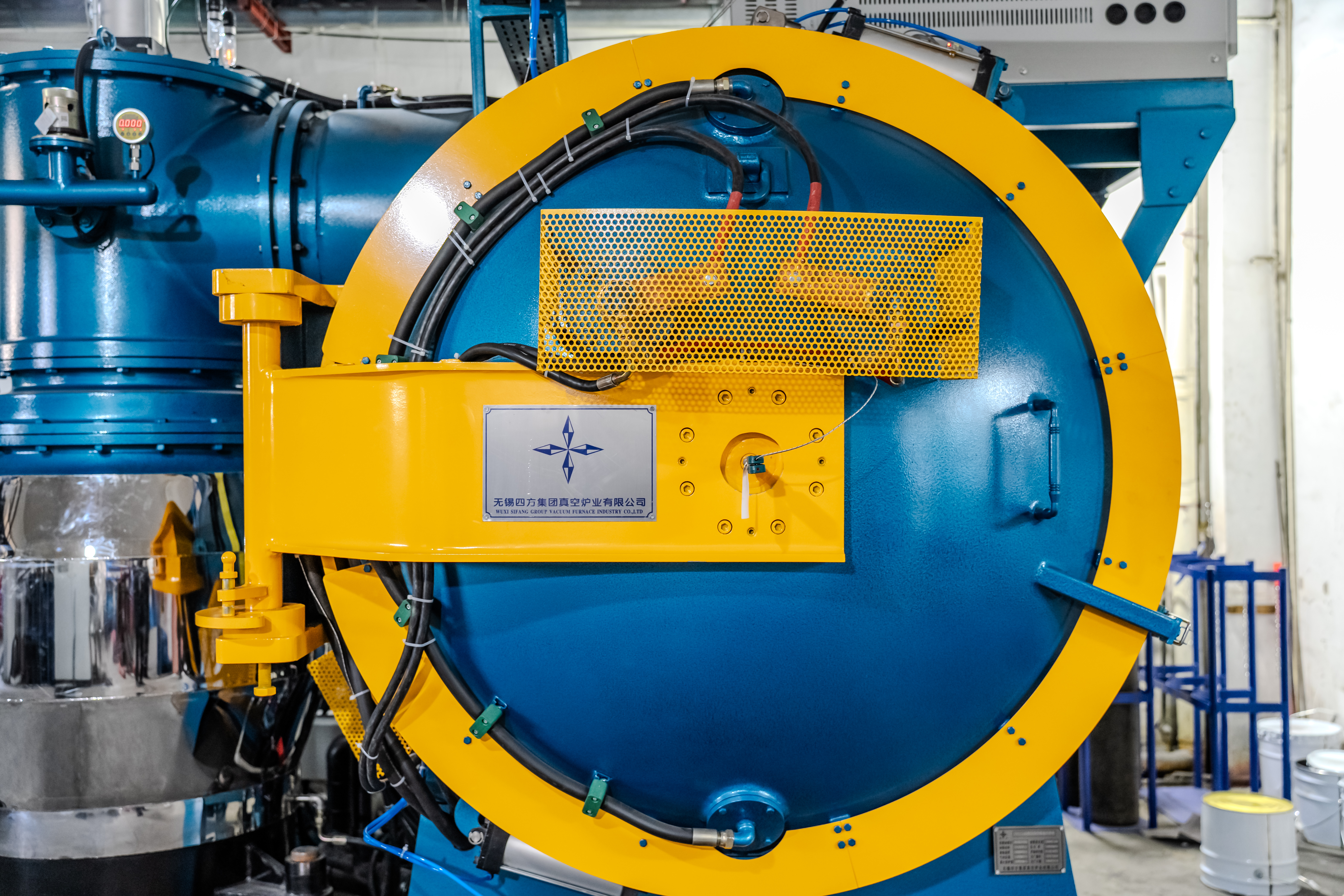
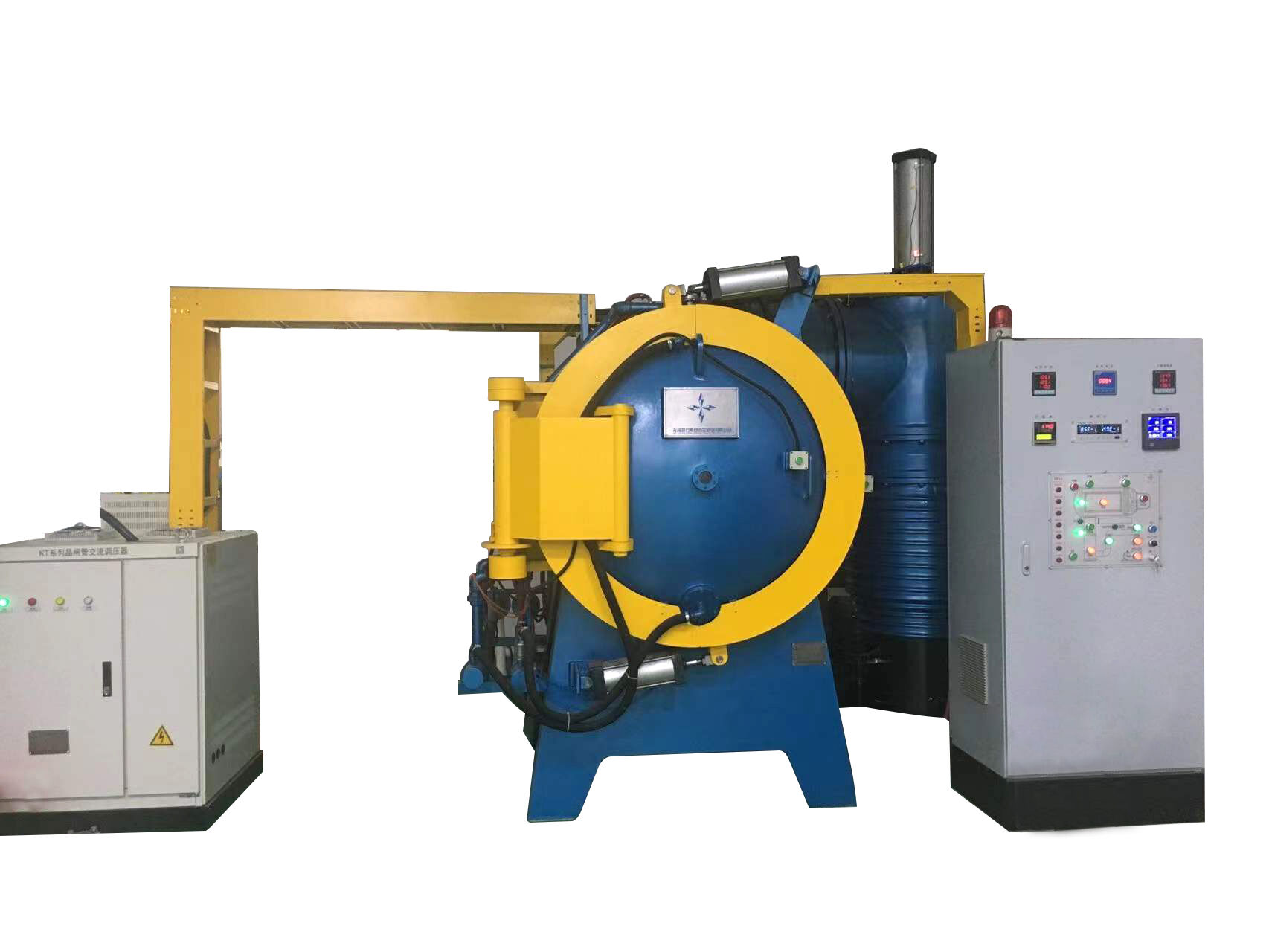
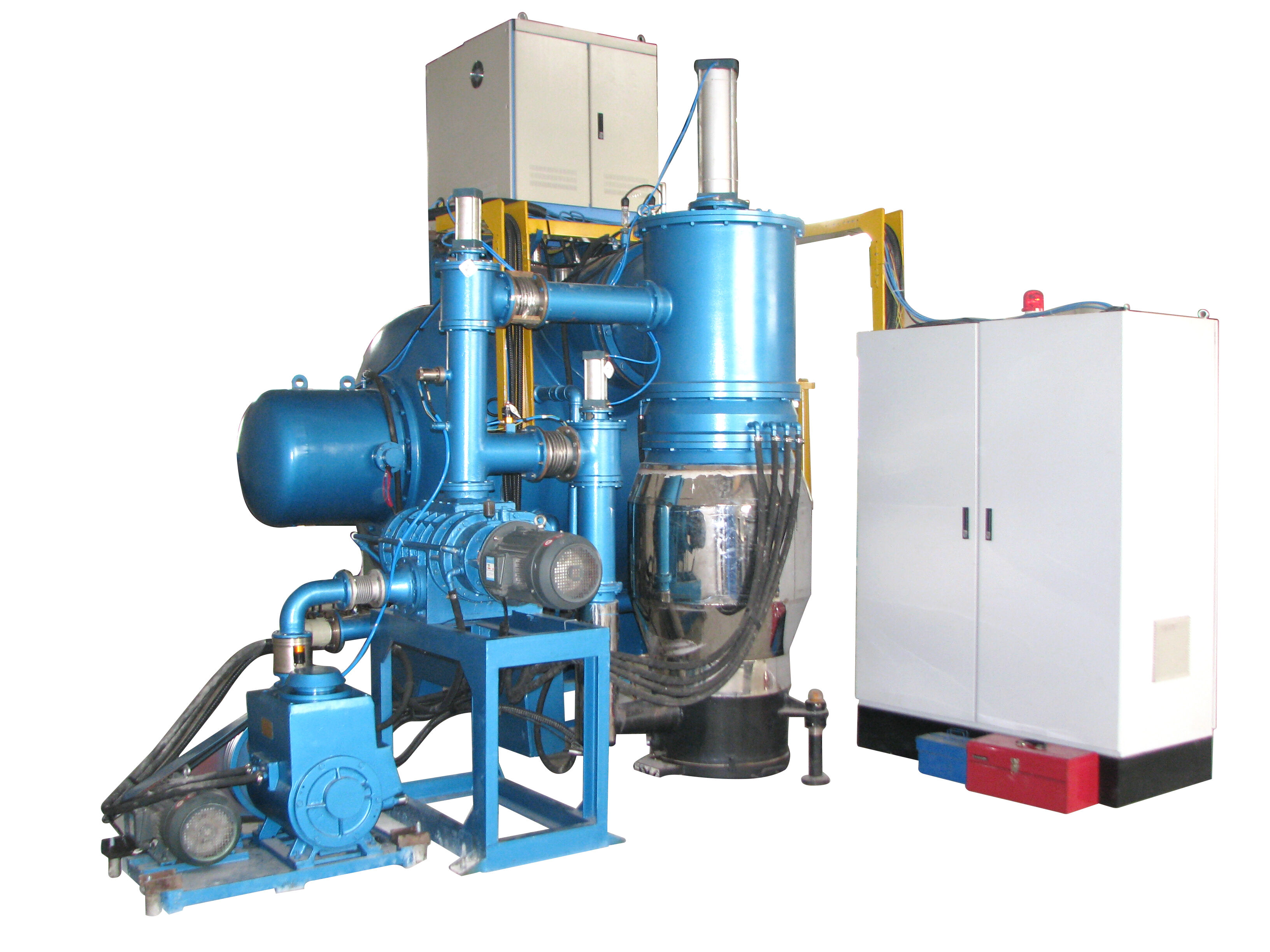
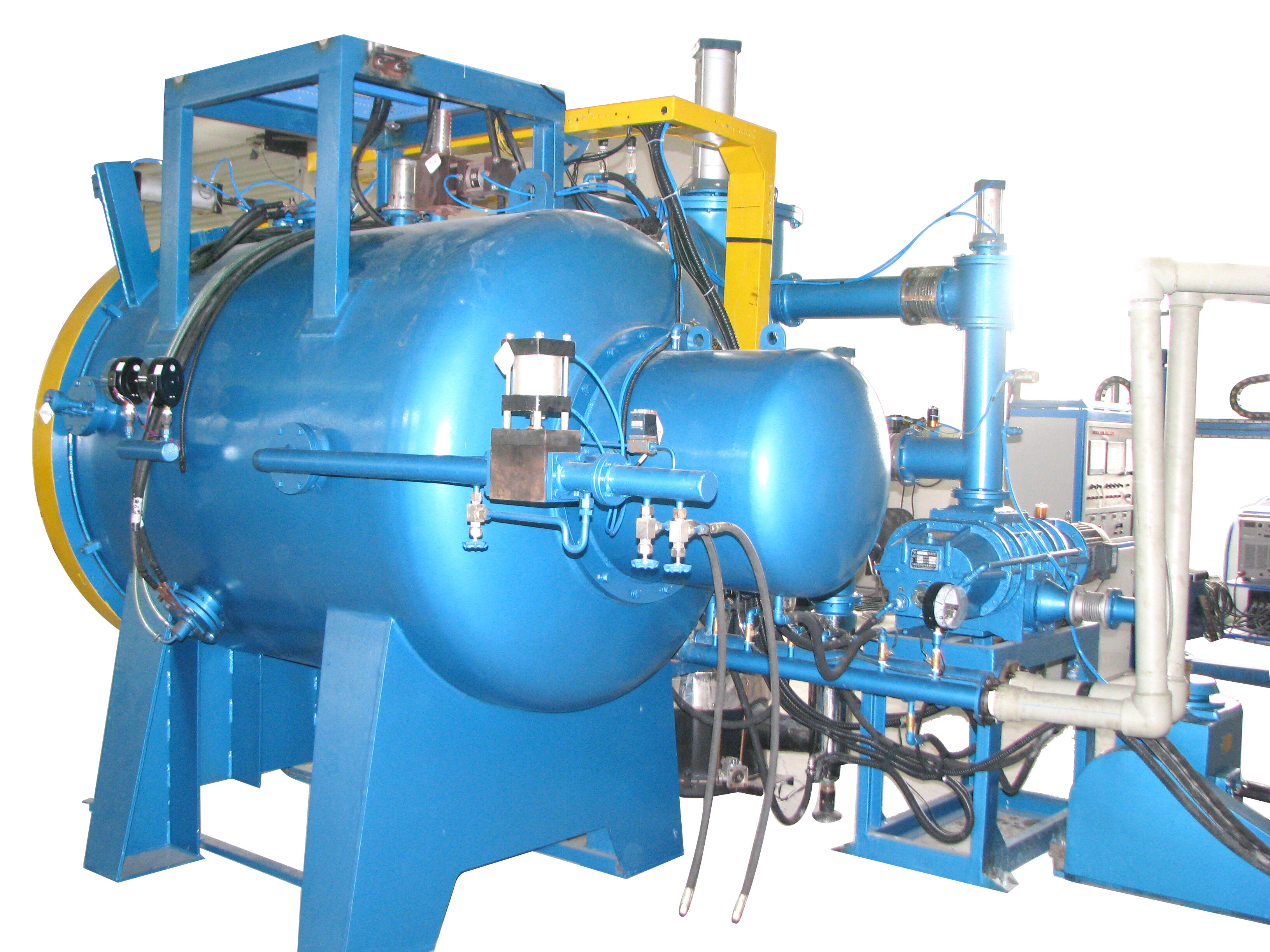
vacuum annealing furnace
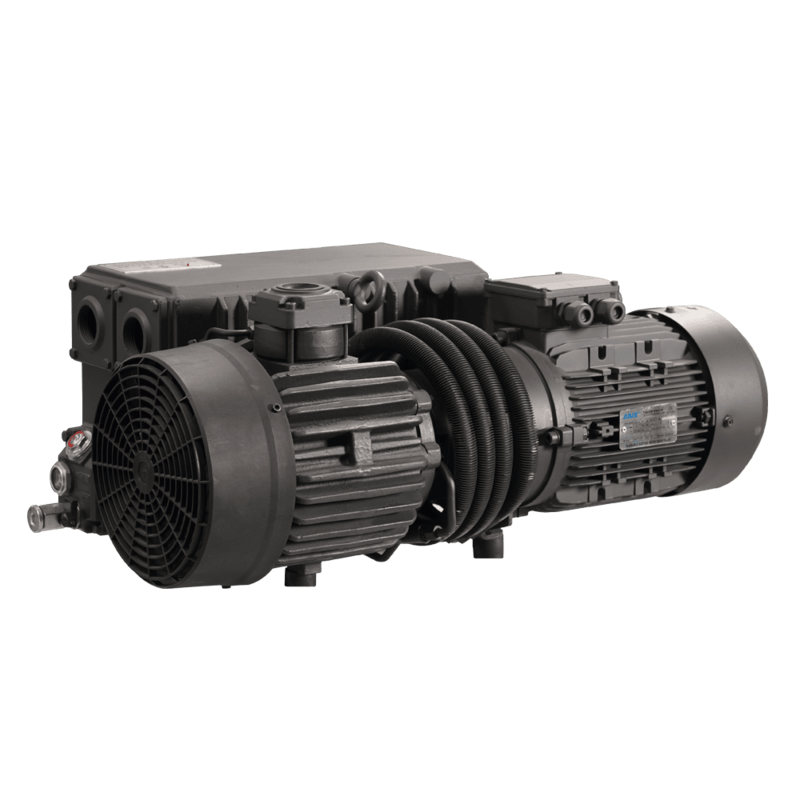
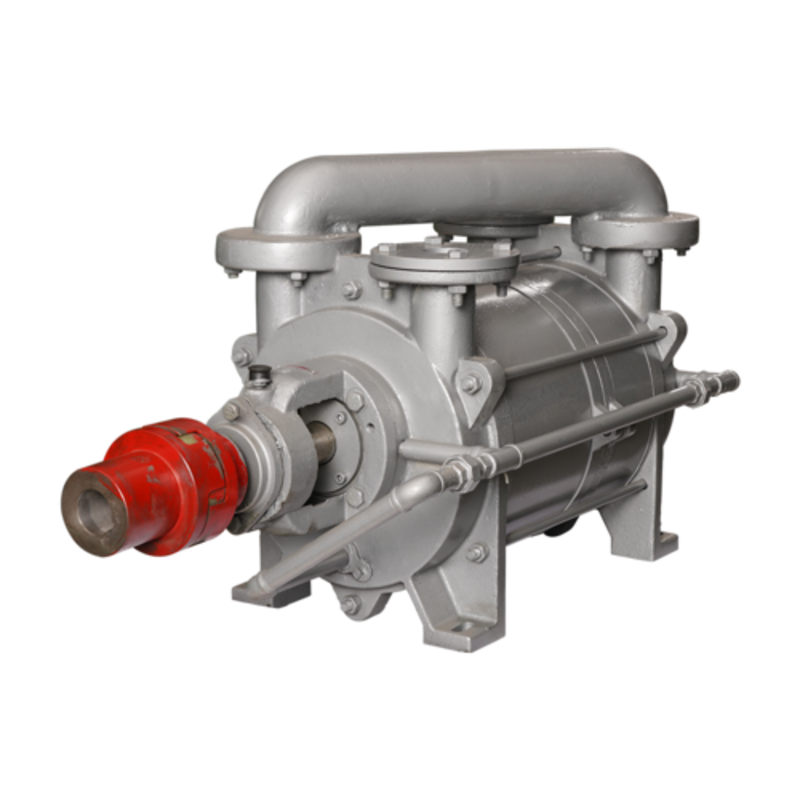
A vacuum annealing furnace represents a sophisticated thermal processing solution designed to heat treat materials in an oxygen-free environment. This specialized equipment operates by creating a controlled vacuum atmosphere, eliminating oxidation and contamination during the annealing process. The primary function involves heating metals, alloys, and other materials to specific temperatures while maintaining precise atmospheric control, enabling optimal material properties enhancement. The vacuum annealing furnace utilizes advanced heating elements, typically tungsten or molybdenum, capable of reaching temperatures exceeding 2000°C. The system incorporates multiple pumping stages, including roughing pumps and high-vacuum pumps, achieving vacuum levels as low as 10^-6 torr. Temperature control systems feature programmable controllers with multiple thermocouples for uniform heating distribution. The furnace chamber design ensures even heat distribution through strategic placement of heating elements and reflective shields. Modern vacuum annealing furnace models include automated loading systems, reducing manual handling and improving operational safety. Gas quenching capabilities allow rapid cooling with inert gases like nitrogen or argon, providing controlled cooling rates essential for specific metallurgical outcomes. The technology finds extensive applications across aerospace, automotive, electronics, and medical device manufacturing industries. Components such as turbine blades, precision gears, surgical instruments, and semiconductor substrates benefit from vacuum annealing processes. The furnace effectively processes stainless steel, titanium alloys, superalloys, and refractory metals, delivering superior surface finish and dimensional stability. Advanced control systems monitor pressure, temperature, and atmosphere composition continuously, ensuring consistent results. The vacuum annealing furnace offers programmable heating cycles, accommodating diverse material requirements and processing specifications while maintaining reproducible outcomes for high-quality manufacturing applications.

 EN
EN