Composite Drums Price Guide: Cost-Effective Industrial Packaging Solutions with Superior Performance

All Categories

Get a Free Quote

Our representative will contact you soon.
Email
Name
Company Name
Message
0/1000

composite drums price

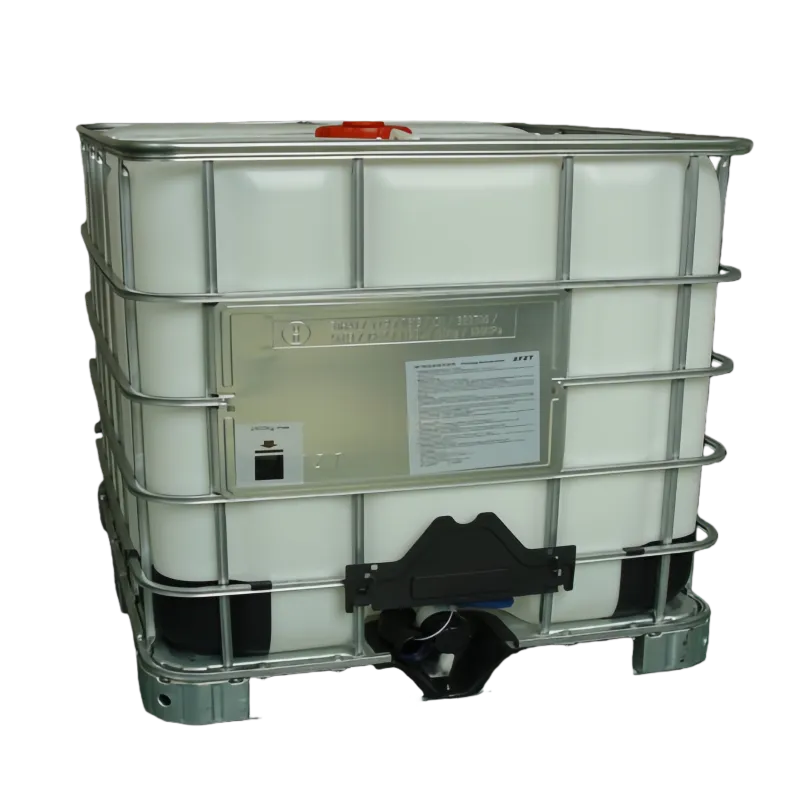
Composite drums price represents a critical factor in industrial packaging solutions that combine advanced materials technology with cost-effective manufacturing processes. These innovative containers utilize fiber-reinforced plastic construction that delivers exceptional durability while maintaining competitive pricing structures. The composite drums price typically ranges from $45 to $120 per unit, depending on capacity specifications, wall thickness requirements, and specialized coating applications. Modern composite drum manufacturing integrates polyethylene inner layers with fiberglass outer shells, creating containers that resist chemical corrosion, impact damage, and temperature fluctuations. The composite drums price reflects sophisticated engineering that eliminates traditional steel drum limitations while providing superior performance characteristics. Key technological features include seamless construction methods that prevent leakage risks, lightweight design properties that reduce shipping costs, and recyclable material composition that supports environmental sustainability goals. Primary applications span chemical processing industries, pharmaceutical manufacturing facilities, food processing operations, and hazardous material transportation services. The composite drums price structure accommodates various volume requirements, from 15-gallon laboratory containers to 55-gallon industrial storage solutions. Manufacturing processes incorporate advanced resin systems that enhance structural integrity while controlling production expenses that influence the final composite drums price. Quality control measures ensure consistent wall thickness distribution, proper curing cycles, and adherence to regulatory compliance standards. The composite drums price advantage becomes apparent when comparing total lifecycle costs, including initial purchase expenses, maintenance requirements, and disposal considerations. These containers demonstrate superior resistance to acidic compounds, alkaline solutions, and organic solvents that typically corrode traditional metal alternatives. The composite drums price reflects investment in cutting-edge production equipment that enables precise temperature control, automated fiber placement, and consistent resin distribution throughout the manufacturing process.


New Product Recommendations

The composite drums price delivers substantial economic benefits that extend far beyond initial purchase costs, making these containers increasingly popular among industrial users seeking long-term value propositions. Companies discover that composite drums price competitiveness stems from reduced maintenance expenses, extended service life, and improved operational efficiency compared to traditional packaging alternatives. The lightweight construction inherent in composite drum design significantly reduces transportation costs, allowing businesses to ship larger quantities while staying within weight restrictions, ultimately improving the overall composite drums price value equation. Durability advantages translate directly into cost savings as these containers resist cracking, denting, and chemical degradation that frequently plague conventional steel drums, eliminating premature replacement expenses that affect total ownership calculations. The composite drums price structure reflects advanced manufacturing techniques that produce containers with consistent wall thickness and superior structural integrity, reducing the likelihood of product contamination or container failure during storage and transport operations. Environmental benefits associated with composite drum technology contribute to long-term cost reductions through improved recyclability and reduced waste disposal fees, factors that enhance the composite drums price attractiveness for environmentally conscious organizations. Chemical resistance properties built into composite drum construction eliminate the need for expensive internal coatings or linings required by metal alternatives, simplifying the composite drums price comparison while providing superior protection for stored materials. Temperature stability characteristics allow composite drums to maintain structural integrity across wider temperature ranges without requiring specialized storage conditions, reducing facility operating costs and improving the effective composite drums price performance ratio. Handling advantages include ergonomic benefits from reduced weight that minimize worker injury risks and associated costs, while smooth surface finishes facilitate easier cleaning and sanitization procedures that reduce labor expenses. The composite drums price reflects innovative design features such as integrated lifting points and stackable configurations that optimize warehouse space utilization and improve logistics efficiency. Quality assurance benefits include consistent manufacturing tolerances that ensure reliable sealing performance and reduced product loss, contributing to improved composite drums price justification through decreased material waste and enhanced product protection capabilities.

Practical Tips

How Do Small and Intermediate Steel Drums Reduce Leakage Risks?

23

Jan

How Do Small and Intermediate Steel Drums Reduce Leakage Risks?

Industrial storage and transportation operations face constant challenges when it comes to preventing leakage incidents that can result in environmental contamination, regulatory violations, and significant financial losses. Steel drums have emerged ...
View More
Why Are Composite Drums Becoming a Preferred Choice in Hazardous Material Packaging?

23

Jan

Why Are Composite Drums Becoming a Preferred Choice in Hazardous Material Packaging?

The industrial packaging landscape has undergone significant transformation in recent years, with manufacturers increasingly seeking alternatives to traditional steel and plastic containers. Among the most notable innovations are composite drums, whi...
View More
How Do Composite Drums Combine Strength and Chemical Resistance Effectively?

25

Feb

How Do Composite Drums Combine Strength and Chemical Resistance Effectively?

Modern industrial packaging demands containers that can withstand both mechanical stress and chemical exposure without compromising product integrity. Composite drums have emerged as the optimal solution for industries requiring reliable storage and ...
View More
How Do Material Types Affect Performance in a Vacuum Brazing Furnace?

25

Feb

How Do Material Types Affect Performance in a Vacuum Brazing Furnace?

Material selection plays a crucial role in determining the success and efficiency of thermal processing operations. When working with a vacuum brazing furnace, understanding how different materials respond to high-temperature environments and control...
View More

Get a Free Quote

Our representative will contact you soon.
Email
Name
Company Name
Message
0/1000

composite drums price

Superior Chemical Resistance Performance

Superior Chemical Resistance Performance

The composite drums price reflects exceptional chemical resistance capabilities that surpass traditional packaging solutions in multiple critical applications. Advanced resin matrix systems incorporated into composite drum construction provide outstanding protection against aggressive chemicals, acids, bases, and organic solvents that typically cause rapid degradation in metal containers. This superior chemical resistance directly impacts the composite drums price value proposition by extending container service life and reducing replacement frequency requirements. The multilayer construction process creates barrier properties that prevent chemical penetration while maintaining structural integrity under harsh storage conditions. Manufacturing techniques ensure uniform resin distribution throughout the container walls, eliminating weak points where chemical attack might initiate premature failure. The composite drums price advantage becomes evident when storing corrosive materials such as hydrochloric acid, sodium hydroxide, or various organic compounds that would quickly compromise steel drum integrity. Laboratory testing demonstrates that composite drums maintain dimensional stability and leak-proof performance after prolonged exposure to challenging chemical environments, validating the composite drums price investment for critical applications. The fiber reinforcement system distributes stress loads evenly across the container structure, preventing localized failure points that might develop under chemical exposure combined with mechanical stress. This comprehensive protection extends to temperature cycling scenarios where chemical activity increases, ensuring that the composite drums price delivers consistent performance across varying operational conditions. Quality control procedures verify chemical compatibility through standardized testing protocols that simulate real-world exposure conditions, providing confidence in long-term performance expectations that justify the composite drums price premium over less durable alternatives. The seamless construction eliminates welded joints and seams that represent vulnerability points in traditional metal drums, creating continuous barrier protection that enhances the composite drums price value through improved reliability and reduced maintenance requirements throughout the container lifecycle.
Lightweight Design Reduces Transportation Costs

Lightweight Design Reduces Transportation Costs

The composite drums price advantage becomes particularly pronounced when evaluating transportation cost savings achieved through innovative lightweight construction technology. Traditional steel drums typically weigh 35-45 pounds empty, while equivalent composite drums weigh only 15-25 pounds, creating immediate shipping cost reductions that improve the effective composite drums price return on investment. This weight reduction allows companies to maximize payload capacity within standard shipping constraints, increasing revenue per shipment while maintaining the same composite drums price per unit. Advanced fiber reinforcement systems provide structural strength equivalent to heavier alternatives while minimizing material usage, demonstrating how engineering innovation enhances the composite drums price competitiveness. Shipping calculations reveal that the weight savings from composite drums can reduce freight costs by 20-30 percent compared to traditional alternatives, making the composite drums price differential negligible when considering total logistics expenses. The lightweight properties extend beyond shipping benefits to include improved handling characteristics that reduce workplace injury risks and associated costs, adding another dimension to composite drums price justification. Warehouse operations benefit from easier manual handling requirements that increase worker productivity and reduce lifting equipment needs, contributing to the overall composite drums price value proposition through operational efficiency improvements. The reduced tare weight allows for increased product capacity within the same gross weight limits, effectively improving the composite drums price performance ratio by maximizing the product-to-container weight relationship. International shipping applications particularly benefit from weight savings as air freight costs depend heavily on package weight, making the composite drums price extremely attractive for global distribution networks. Fork-lift operations become more efficient with lighter containers, reducing fuel consumption and equipment wear while improving throughput rates that enhance the composite drums price economic benefits. Loading dock productivity increases when workers can handle containers more easily, reducing labor costs and improving safety records that contribute to lower insurance premiums, further supporting the composite drums price investment rationale. The cumulative transportation cost savings often exceed the initial composite drums price differential within the first year of use, making these containers an economically sound choice for companies prioritizing logistics efficiency.
Environmental Sustainability and Compliance Benefits

Environmental Sustainability and Compliance Benefits

The composite drums price reflects significant environmental advantages that align with corporate sustainability goals while providing measurable cost benefits through improved regulatory compliance and waste reduction initiatives. Modern composite drum manufacturing utilizes recyclable thermoplastic materials that can be reprocessed into new containers or alternative products at end-of-life, creating circular economy benefits that enhance the long-term composite drums price value proposition. Environmental impact assessments demonstrate that composite drum production generates lower carbon emissions compared to steel drum manufacturing, supporting companies seeking to reduce their environmental footprint while maintaining competitive composite drums price structures. The recyclability characteristics eliminate landfill disposal costs and potential environmental liability issues, contributing to total cost of ownership calculations that favor the composite drums price investment over traditional alternatives. Regulatory compliance benefits include meeting increasingly strict environmental standards for packaging materials, particularly in pharmaceutical and food processing applications where the composite drums price premium is offset by compliance assurance and reduced regulatory risk exposure. The chemical inertness of composite materials prevents container interaction with stored products, eliminating contamination risks that could result in costly product recalls or regulatory violations, thereby justifying the composite drums price through risk mitigation benefits. Life cycle analysis studies show that composite drums require less energy for production and transportation, creating sustainability metrics that support corporate environmental reporting requirements while maintaining competitive composite drums price levels. Waste stream reduction occurs because composite drums resist corrosion and degradation that force premature disposal of traditional containers, extending service life and improving the effective composite drums price performance over time. The smooth, non-porous surface finish facilitates thorough cleaning and sanitization procedures that enable container reuse applications, further enhancing the composite drums price value through extended utilization cycles. Environmental certifications available for composite drum materials support green building initiatives and sustainable packaging programs that provide competitive advantages while justifying the composite drums price investment through market differentiation opportunities. Corporate sustainability reporting benefits from documented environmental improvements achieved through composite drum adoption, creating intangible value that complements the direct economic benefits reflected in the composite drums price structure.

Get a Free Quote

Our representative will contact you soon.
Email
Name
Company Name
Message
0/1000