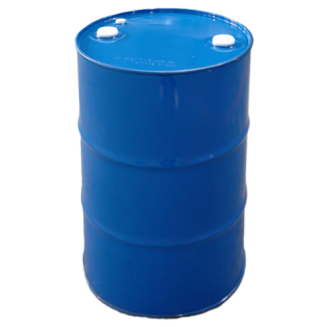
Premium Corrosion Resistant Composite Drums - Advanced Chemical Storage Solutions

All Categories

Get a Free Quote

Our representative will contact you soon.
Email
Name
Company Name
Message
0/1000

corrosion resistant composite drums

Corrosion resistant composite drums represent a revolutionary advancement in industrial storage and transportation solutions, offering superior protection against chemical degradation and environmental damage. These specialized containers combine multiple materials through advanced manufacturing processes to create storage vessels that outperform traditional metal and plastic alternatives. The primary function of corrosion resistant composite drums centers on providing secure, long-term storage for hazardous chemicals, corrosive liquids, and sensitive materials that would otherwise damage conventional containers. Their multi-layered construction typically incorporates high-density polyethylene, fiberglass reinforcement, and specialized barrier coatings that work synergistically to prevent chemical penetration and structural deterioration. The technological features of these drums include seamless construction methods that eliminate weak points, advanced polymer matrices that resist chemical attack, and engineered wall thickness that maintains structural integrity under extreme conditions. Temperature resistance capabilities allow these containers to function effectively across wide thermal ranges, while their lightweight design reduces transportation costs and handling complexity. Applications span numerous industries including pharmaceuticals, petrochemicals, food processing, water treatment, and specialized manufacturing operations. Chemical plants utilize corrosion resistant composite drums for storing acids, bases, and reactive compounds that would quickly destroy standard containers. The pharmaceutical industry relies on these drums for maintaining product purity during storage and transport of sensitive formulations. Environmental remediation projects employ these containers for safely handling contaminated materials and hazardous waste streams. Manufacturing facilities use them for storing process chemicals, cleaning solutions, and intermediate products that require extended shelf life. The versatility of corrosion resistant composite drums extends to marine applications where salt water exposure demands exceptional durability, and aerospace industries where lightweight yet robust storage solutions are essential.


New Product Releases

The advantages of corrosion resistant composite drums deliver tangible benefits that directly impact operational efficiency and cost management for businesses across multiple industries. Enhanced chemical compatibility stands as the primary advantage, allowing companies to store aggressive chemicals without worrying about container degradation or product contamination. This compatibility eliminates the need for frequent drum replacement, reducing both procurement costs and disposal expenses associated with damaged containers. The extended service life of these drums significantly outpaces traditional alternatives, often lasting three to five times longer than standard steel or plastic drums when exposed to corrosive environments. This longevity translates into substantial cost savings over time, as businesses require fewer replacement purchases and experience reduced downtime for container changeovers. Weight reduction represents another crucial advantage, with corrosion resistant composite drums typically weighing 30-50% less than equivalent steel containers while maintaining comparable strength characteristics. This weight advantage reduces shipping costs, lowers handling equipment requirements, and decreases worker fatigue during manual operations. The improved safety profile of these drums provides peace of mind for facility managers and workers alike. Their resistance to cracking, splitting, and chemical breakthrough reduces the risk of dangerous spills and exposure incidents that could result in costly cleanup operations, regulatory penalties, and potential liability issues. Environmental benefits emerge from the reduced need for frequent replacements, leading to less waste generation and lower environmental impact throughout the product lifecycle. The recyclability of many composite drum materials further enhances their environmental credentials, supporting corporate sustainability initiatives. Maintenance requirements decrease significantly compared to traditional drums, as the corrosion resistant properties eliminate the need for regular inspection of rust spots, coating repairs, or structural reinforcement. This reduced maintenance burden frees up personnel time for other critical tasks while ensuring consistent container performance. Temperature stability allows these drums to maintain their properties across extreme temperature ranges, preventing thermal expansion issues and material degradation that commonly affect other container types. The smooth interior surfaces of composite drums facilitate complete product evacuation and thorough cleaning, reducing product waste and cross-contamination risks during multi-product applications.

Practical Tips

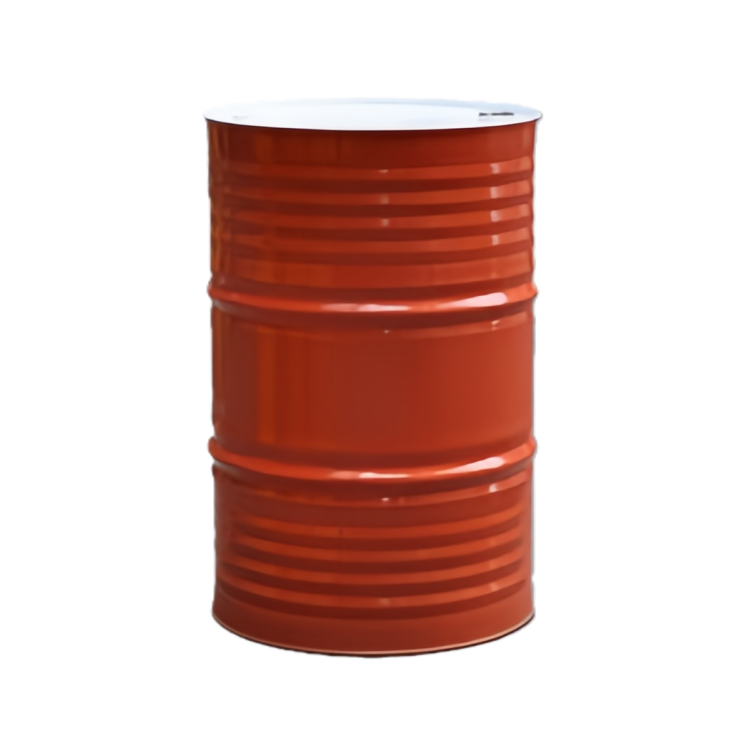
How Can a Metal Barrel Improve Safety in Industrial Material Storage?

26

Dec

How Can a Metal Barrel Improve Safety in Industrial Material Storage?

Industrial material storage presents numerous challenges that require robust, reliable solutions to ensure workplace safety and operational efficiency. Among the various storage options available, the metal barrel has emerged as a cornerstone of secu...
View More
What Maintenance Practices Extend the Service Life of a Stainless Steel Drum?

25

Feb

What Maintenance Practices Extend the Service Life of a Stainless Steel Drum?

Industrial storage solutions require careful consideration of durability, safety, and long-term performance. A stainless steel drum represents one of the most reliable options for storing and transporting various materials across multiple industries....
View More
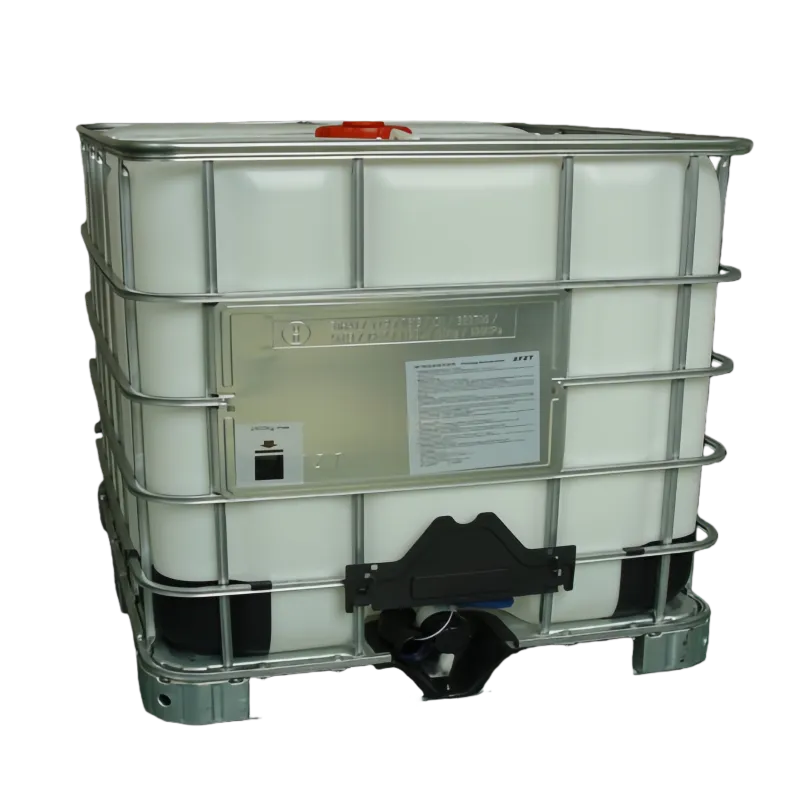
How Do Intermediate & Bulk Container Solutions Improve Industrial Storage Efficiency?

25

Feb

How Do Intermediate & Bulk Container Solutions Improve Industrial Storage Efficiency?

Industrial storage efficiency has become a critical factor in modern supply chain management, with businesses constantly seeking solutions that maximize space utilization while minimizing operational costs. The intermediate & bulk container has emerg...
View More
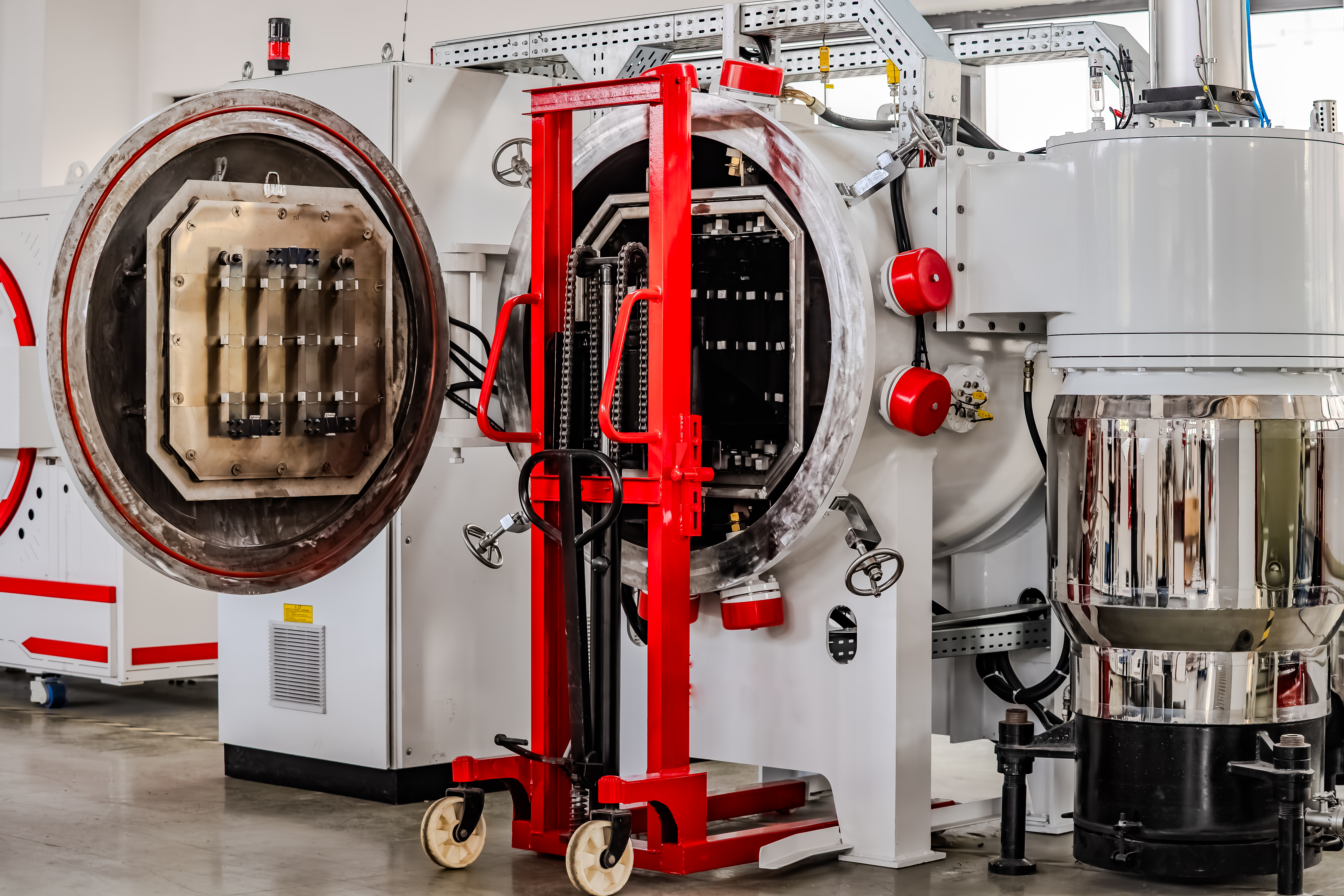
How Does a Vacuum Brazing Furnace Reduce Oxidation During Processing?

25

Feb

How Does a Vacuum Brazing Furnace Reduce Oxidation During Processing?

Modern manufacturing processes demand precise control over atmospheric conditions to achieve optimal results, particularly when joining metals through brazing operations. A vacuum brazing furnace represents a sophisticated solution that eliminates ox...
View More

Get a Free Quote

Our representative will contact you soon.
Email
Name
Company Name
Message
0/1000

corrosion resistant composite drums

Superior Chemical Resistance Technology

Superior Chemical Resistance Technology

The advanced chemical resistance technology incorporated into corrosion resistant composite drums represents a breakthrough in material science that provides unmatched protection against aggressive chemicals and corrosive environments. This sophisticated technology utilizes multi-layer construction where each layer serves a specific protective function, creating a comprehensive barrier system that prevents chemical penetration and structural degradation. The outermost layer typically consists of specialized polymers engineered to resist specific chemical families, while inner layers provide structural support and additional chemical barriers. This layered approach ensures that even if one protective barrier becomes compromised, multiple backup systems continue to safeguard the container integrity. The molecular structure of these advanced materials has been specifically designed to resist chemical bonding with corrosive substances, preventing the initiation of degradation processes that would compromise container walls. Advanced testing protocols validate the chemical resistance properties across hundreds of different chemicals, including strong acids, caustic bases, organic solvents, and oxidizing agents that would rapidly destroy conventional containers. Temperature cycling tests ensure that the chemical resistance remains effective across operational temperature ranges, while accelerated aging studies predict long-term performance under continuous chemical exposure. The technology also incorporates stress-crack resistance properties that prevent failure under combined chemical and mechanical stress conditions commonly encountered in industrial applications. Quality control measures include extensive chemical compatibility testing, permeation rate analysis, and long-term exposure studies that verify performance claims. This comprehensive approach to chemical resistance ensures that users can confidently store even the most aggressive chemicals without fear of container failure or product contamination. The technology continues to evolve through ongoing research into new polymer formulations, advanced manufacturing techniques, and improved testing methodologies that push the boundaries of what is achievable in chemical resistant container design.
Enhanced Structural Integrity and Durability

Enhanced Structural Integrity and Durability

Enhanced structural integrity and durability features make corrosion resistant composite drums exceptionally reliable for demanding industrial applications where container failure is not an option. The engineering principles behind this enhanced durability involve sophisticated stress analysis, advanced material selection, and precision manufacturing processes that create containers capable of withstanding extreme operational conditions. Finite element analysis guides the design process, identifying stress concentration points and optimizing wall thickness distribution to ensure uniform strength throughout the container structure. The composite construction method allows engineers to orient reinforcing fibers in directions that provide maximum strength for anticipated load conditions, creating containers that outperform traditional designs in both tensile and compressive strength characteristics. Impact resistance testing demonstrates superior performance compared to conventional drums, with the ability to withstand drops, impacts, and rough handling that would damage or destroy standard containers. The seamless construction process eliminates joints, seams, and weld points that represent potential failure locations in traditional metal drums. This seamless approach creates a homogeneous structure where stress loads distribute evenly across the entire container wall, preventing the stress concentration that leads to premature failure. Fatigue resistance properties ensure that repeated loading and unloading cycles do not weaken the container structure over time, making these drums ideal for applications involving frequent transport and handling. Environmental stress resistance protects against degradation from UV exposure, ozone attack, and thermal cycling that can compromise other container materials. The durability extends to maintaining dimensional stability under various load conditions, preventing bulging or deformation that could compromise stacking ability or handling equipment compatibility. Quality assurance testing includes burst pressure testing, cyclic loading analysis, and long-term creep resistance evaluation to verify that structural integrity remains intact throughout the expected service life. This comprehensive approach to durability ensures that investment in corrosion resistant composite drums provides reliable performance over extended periods, reducing total cost of ownership through decreased replacement frequency and improved operational reliability.
Lightweight Design with Maximum Performance

Lightweight Design with Maximum Performance

The lightweight design philosophy of corrosion resistant composite drums achieves maximum performance while dramatically reducing handling costs and improving operational efficiency across diverse industrial applications. This innovative approach leverages advanced materials science to create containers that deliver superior strength-to-weight ratios compared to traditional alternatives, fundamentally changing how businesses approach chemical storage and transportation challenges. The weight reduction typically ranges from 30 to 60 percent compared to equivalent steel drums while maintaining or exceeding performance standards for chemical resistance, structural integrity, and safety compliance. This substantial weight advantage translates directly into reduced shipping costs, particularly for long-distance transportation where freight charges are calculated based on total weight. The reduced weight also decreases fuel consumption for transportation fleets, supporting environmental sustainability goals while lowering operational expenses. Handling efficiency improves significantly as workers can more easily maneuver lightweight drums during loading, unloading, and positioning operations, reducing the risk of workplace injuries and improving overall productivity. The ergonomic benefits extend to reduced strain on material handling equipment, extending the service life of forklifts, cranes, and conveyor systems while decreasing maintenance requirements. Storage density optimization becomes possible as the lightweight construction allows for higher stacking configurations without exceeding floor loading limits, maximizing warehouse space utilization. The performance characteristics remain uncompromised despite the weight reduction, with advanced engineering ensuring that wall thickness, chemical resistance, and structural strength meet or exceed industry standards. Manufacturing precision controls the weight distribution to maintain proper balance and handling characteristics, preventing operational difficulties that could arise from poorly balanced containers. The lightweight design also facilitates faster installation and positioning in process applications where drums must be frequently moved or repositioned. Quality control measures verify that weight reduction does not compromise performance through extensive testing of mechanical properties, chemical resistance, and long-term durability under various operating conditions. This combination of lightweight construction and maximum performance represents a significant advancement in container technology that provides measurable benefits in cost reduction, operational efficiency, and worker safety while maintaining the highest standards for chemical storage and transportation requirements.

Get a Free Quote

Our representative will contact you soon.
Email
Name
Company Name
Message
0/1000