Composite Drums for Solvents: Superior Chemical Storage Solutions with Enhanced Safety and Cost-Effectiveness

All Categories

Get a Free Quote

Our representative will contact you soon.
Email
Name
Company Name
Message
0/1000

composite drums for solvents

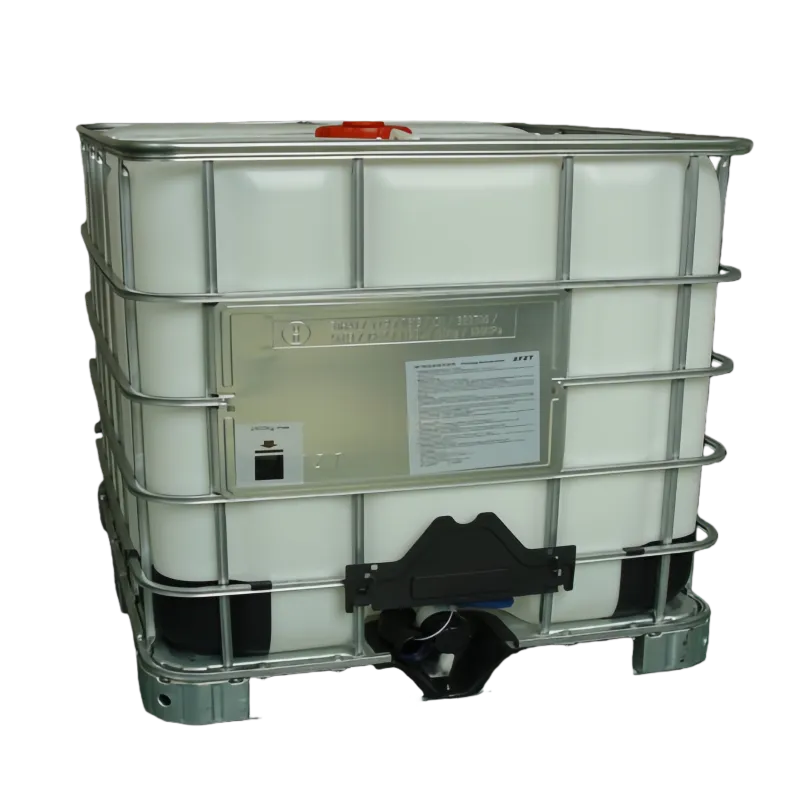
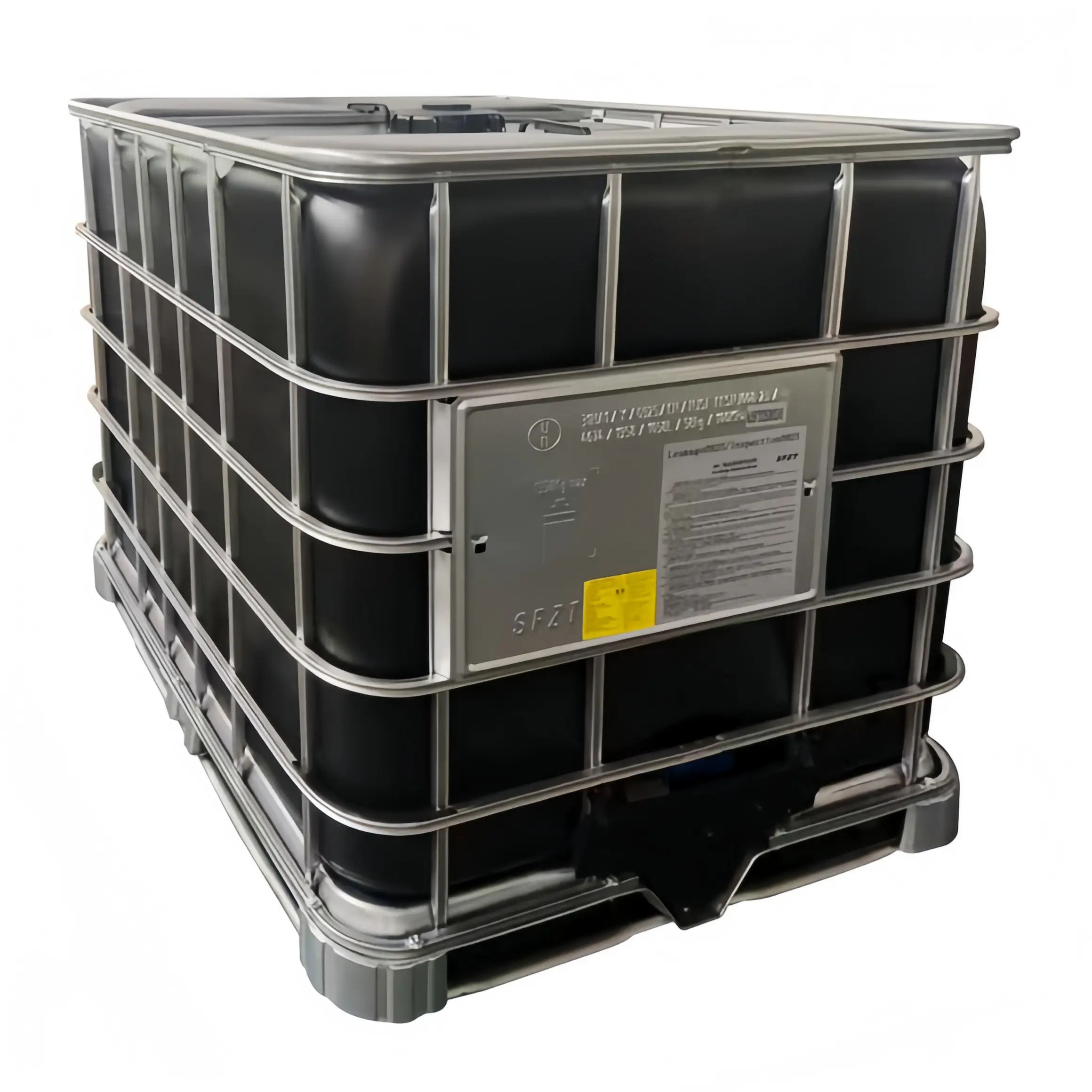
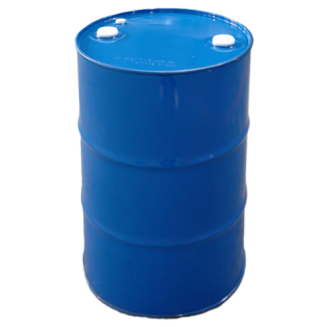
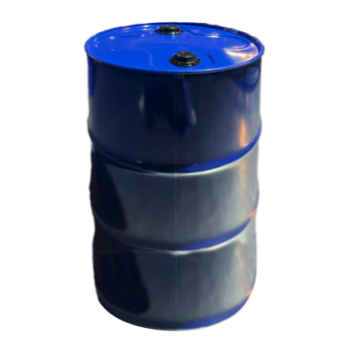
Composite drums for solvents represent a revolutionary advancement in industrial packaging technology, specifically engineered to meet the demanding requirements of solvent storage and transportation. These innovative containers combine multiple materials to create a robust, multi-layered structure that excels in chemical resistance and durability. The primary function of composite drums for solvents is to provide secure containment for various liquid chemicals, including aggressive solvents, acids, and other hazardous materials that require specialized packaging solutions. The technological framework of composite drums for solvents incorporates a unique construction methodology that typically features a high-density polyethylene inner liner, reinforced with an exterior steel or fiber drum shell. This dual-layer approach ensures maximum protection against chemical permeation while maintaining structural integrity under varying environmental conditions. The inner plastic component serves as the primary barrier against chemical interaction, while the outer shell provides mechanical strength and impact resistance. Manufacturing processes for composite drums for solvents utilize advanced polymer science and precision engineering to achieve optimal sealing properties and dimensional stability. These containers undergo rigorous testing protocols to ensure compliance with international shipping regulations and safety standards. Applications for composite drums for solvents span across numerous industries, including pharmaceutical manufacturing, automotive, aerospace, paint and coatings, and chemical processing facilities. These versatile containers are particularly valuable in sectors where product purity and contamination prevention are critical concerns. The design flexibility of composite drums for solvents allows for various closure options, including removable lids and tight-head configurations, accommodating different filling and dispensing requirements. Advanced versions feature enhanced barrier properties that extend product shelf life and maintain chemical stability during extended storage periods.


Popular Products

The advantages of composite drums for solvents extend far beyond traditional packaging solutions, delivering exceptional value through superior performance characteristics and cost-effectiveness. These containers offer outstanding chemical compatibility, withstanding exposure to aggressive solvents without degradation or contamination risks. The multi-layer construction provides dual protection mechanisms that prevent chemical migration and maintain product integrity throughout the entire supply chain. Users benefit from reduced product loss due to the excellent barrier properties that minimize evaporation and permeation. The lightweight design of composite drums for solvents significantly reduces shipping costs compared to all-steel alternatives while maintaining equivalent strength and durability. This weight advantage translates into lower transportation expenses and reduced carbon footprint for environmentally conscious organizations. The smooth interior surface of composite drums for solvents facilitates complete product evacuation, maximizing yield and minimizing waste disposal costs. Easy cleaning procedures between product changes reduce downtime and labor expenses in manufacturing operations. These drums demonstrate exceptional temperature stability, performing reliably across wide temperature ranges without compromising structural integrity or chemical resistance properties. The corrosion-resistant nature of composite drums for solvents eliminates the need for expensive interior coatings and reduces maintenance requirements significantly. Manufacturers appreciate the consistent quality and dimensional accuracy that ensures reliable automated filling and handling processes. The recyclable components of composite drums for solvents support sustainability initiatives while providing end-of-life value recovery options. Stack-ability features optimize warehouse space utilization and reduce storage costs for businesses managing large inventory volumes. The proven leak-proof design minimizes environmental risks and regulatory compliance concerns, protecting companies from potential liability issues. Enhanced drop-test performance and impact resistance reduce product damage during handling and transportation, lowering insurance costs and customer complaint rates. The versatile closure systems accommodate various product viscosities and dispensing requirements, eliminating the need for multiple container types in diverse applications.

Practical Tips

How Do Small and Intermediate Steel Drums Reduce Leakage Risks?

23

Jan

How Do Small and Intermediate Steel Drums Reduce Leakage Risks?

Industrial storage and transportation operations face constant challenges when it comes to preventing leakage incidents that can result in environmental contamination, regulatory violations, and significant financial losses. Steel drums have emerged ...
View More
Why Do Inner Coating Steel Drums Provide Better Protection for Sensitive Materials?

23

Jan

Why Do Inner Coating Steel Drums Provide Better Protection for Sensitive Materials?

The protection of sensitive materials during storage and transportation has become increasingly critical in today's industrial landscape. Industries handling chemicals, pharmaceuticals, and specialty materials require containers that offer superior p...
View More
How Does a Vacuum Brazing Furnace Improve the Strength of Metal Joints?

25

Feb

How Does a Vacuum Brazing Furnace Improve the Strength of Metal Joints?

Metal joining technologies have evolved significantly over the decades, with brazing standing out as one of the most reliable methods for creating strong, permanent connections between dissimilar materials. The advent of vacuum brazing furnace techno...
View More
How Does a Vacuum Heat Treatment Furnace Improve Mechanical Properties of Alloys?

25

Feb

How Does a Vacuum Heat Treatment Furnace Improve Mechanical Properties of Alloys?

Modern manufacturing industries rely heavily on advanced heat treatment processes to enhance the mechanical properties of metallic alloys. A vacuum heat treatment furnace represents one of the most sophisticated approaches to achieving superior mater...
View More

Get a Free Quote

Our representative will contact you soon.
Email
Name
Company Name
Message
0/1000

composite drums for solvents

Superior Chemical Resistance and Barrier Protection

Superior Chemical Resistance and Barrier Protection

The exceptional chemical resistance of composite drums for solvents stems from their innovative multi-layer construction that provides unparalleled protection against aggressive chemicals and solvents. The inner polyethylene liner acts as the primary chemical barrier, manufactured from high-molecular-weight materials that resist permeation from even the most challenging solvents including acetone, methanol, toluene, and various industrial cleaning agents. This barrier technology prevents chemical migration that could compromise product quality or create safety hazards. The advanced polymer formulation used in composite drums for solvents incorporates specialized additives that enhance chemical compatibility while maintaining flexibility and impact resistance. Unlike traditional single-material containers, the composite structure distributes chemical stress across multiple layers, preventing localized weakening that could lead to failure. The barrier properties remain stable across extended storage periods, ensuring consistent performance throughout the product lifecycle. Independent testing demonstrates that composite drums for solvents maintain their protective properties even under extreme conditions including temperature cycling, mechanical stress, and prolonged chemical exposure. This reliability translates into significant cost savings for users by preventing product contamination, reducing waste, and eliminating costly product recalls. The chemical resistance extends to a broad spectrum of pH levels, making these drums suitable for both acidic and basic formulations. The non-reactive nature of the inner liner prevents catalytic reactions that could alter product characteristics or create hazardous conditions. Quality assurance protocols for composite drums for solvents include comprehensive compatibility testing with target chemicals to ensure optimal performance. The barrier technology also prevents external contamination from entering the container, maintaining product purity in sensitive applications such as pharmaceutical intermediates and high-grade solvents used in electronics manufacturing.
Enhanced Structural Durability and Impact Resistance

Enhanced Structural Durability and Impact Resistance

The structural excellence of composite drums for solvents results from sophisticated engineering that combines the best properties of multiple materials into a single, robust packaging solution. The outer shell typically constructed from steel or high-strength fiber provides exceptional mechanical protection while the inner plastic liner ensures chemical compatibility. This hybrid approach creates composite drums for solvents that withstand extreme handling conditions without compromising contents safety or quality. The structural design incorporates reinforced stress points and optimized wall thickness distribution to maximize strength while minimizing weight. Advanced manufacturing techniques ensure consistent wall thickness and eliminate weak points that could lead to premature failure. Drop testing demonstrates that composite drums for solvents exceed industry standards for impact resistance, protecting contents even when subjected to severe handling abuse during transportation and warehouse operations. The reinforced chime construction provides superior stacking strength, allowing safe storage of multiple layers without deformation or stability concerns. Temperature cycling tests confirm that composite drums for solvents maintain structural integrity across wide temperature ranges without cracking, warping, or seal failure. The durability extends to repeated use applications where containers undergo multiple fill-empty cycles without degradation. Vibration resistance ensures that composite drums for solvents remain secure during long-distance transportation over rough terrain. The structural design also incorporates features that facilitate safe handling, including reinforced lifting points and ergonomic considerations that reduce worker injury risks. Quality control measures include pressure testing and leak detection protocols that ensure every container meets stringent performance standards. The structural durability of composite drums for solvents translates into longer service life, reduced replacement costs, and improved operational reliability for users across various industries. The robust construction also provides excellent protection against external damage from handling equipment, environmental hazards, and storage conditions.
Cost-Effective Performance and Environmental Sustainability

Cost-Effective Performance and Environmental Sustainability

The economic benefits of composite drums for solvents extend throughout their entire lifecycle, delivering superior value through reduced total cost of ownership and enhanced operational efficiency. These containers typically cost less than equivalent all-steel drums while providing comparable or superior performance characteristics, creating immediate savings for purchasers. The lightweight design of composite drums for solvents reduces transportation costs significantly, with weight savings of up to forty percent compared to traditional steel containers. This reduction translates into lower fuel consumption, reduced shipping charges, and increased payload capacity for logistics operations. The extended service life of composite drums for solvents minimizes replacement frequency, reducing procurement costs and inventory management expenses. The smooth interior surface facilitates complete product evacuation, maximizing yield and reducing waste disposal costs for expensive solvents and chemicals. Cleaning requirements between product changes are simplified due to the non-porous inner surface, reducing labor costs and minimizing downtime in production facilities. The corrosion resistance eliminates the need for expensive interior coatings and reduces maintenance expenses throughout the container lifecycle. Environmental sustainability represents another significant advantage of composite drums for solvents, supporting corporate responsibility initiatives while providing practical benefits. The recyclable components can be separated and processed through appropriate recycling streams, reducing landfill waste and recovering material value. The reduced weight also contributes to lower carbon emissions during transportation, supporting environmental goals and potentially qualifying for green logistics incentives. The durability and reusability of composite drums for solvents reduce the overall environmental impact by extending container life and reducing manufacturing demand. Many composite drums for solvents incorporate recycled content in their construction, further enhancing environmental credentials. The leak-proof design prevents environmental contamination and reduces cleanup costs associated with spill incidents. Compliance with environmental regulations is simplified due to the inherent safety features and proper containment characteristics of these containers.

Get a Free Quote

Our representative will contact you soon.
Email
Name
Company Name
Message
0/1000