Environmentally Friendly Operation with Zero Oil Contamination
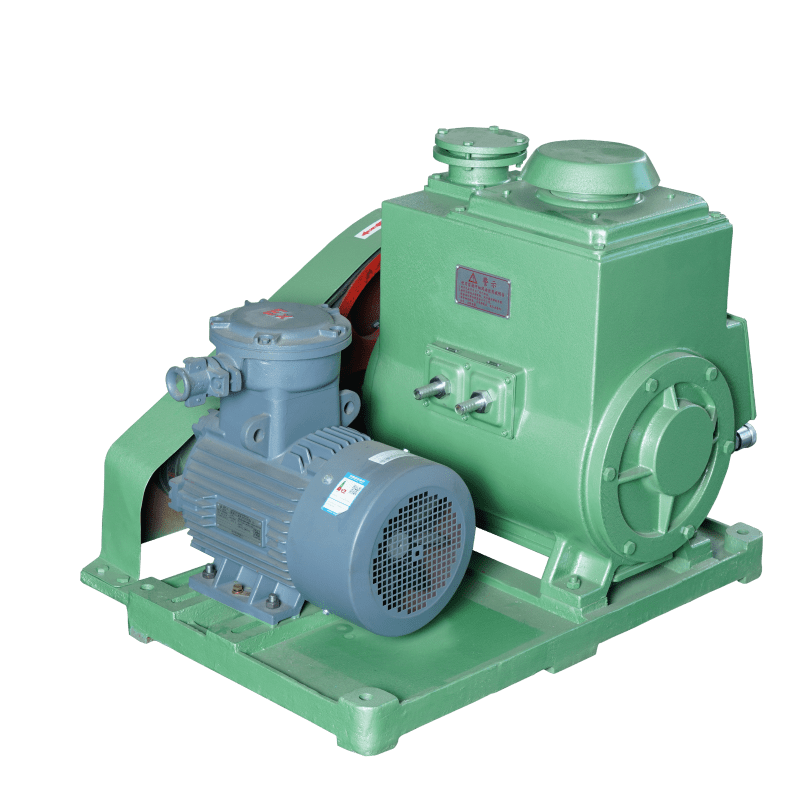
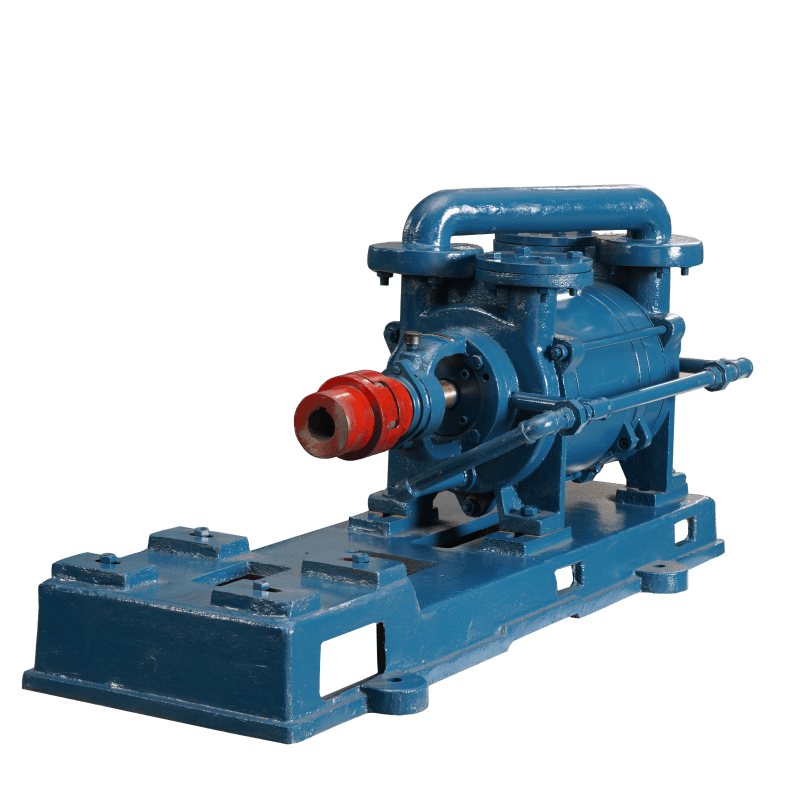
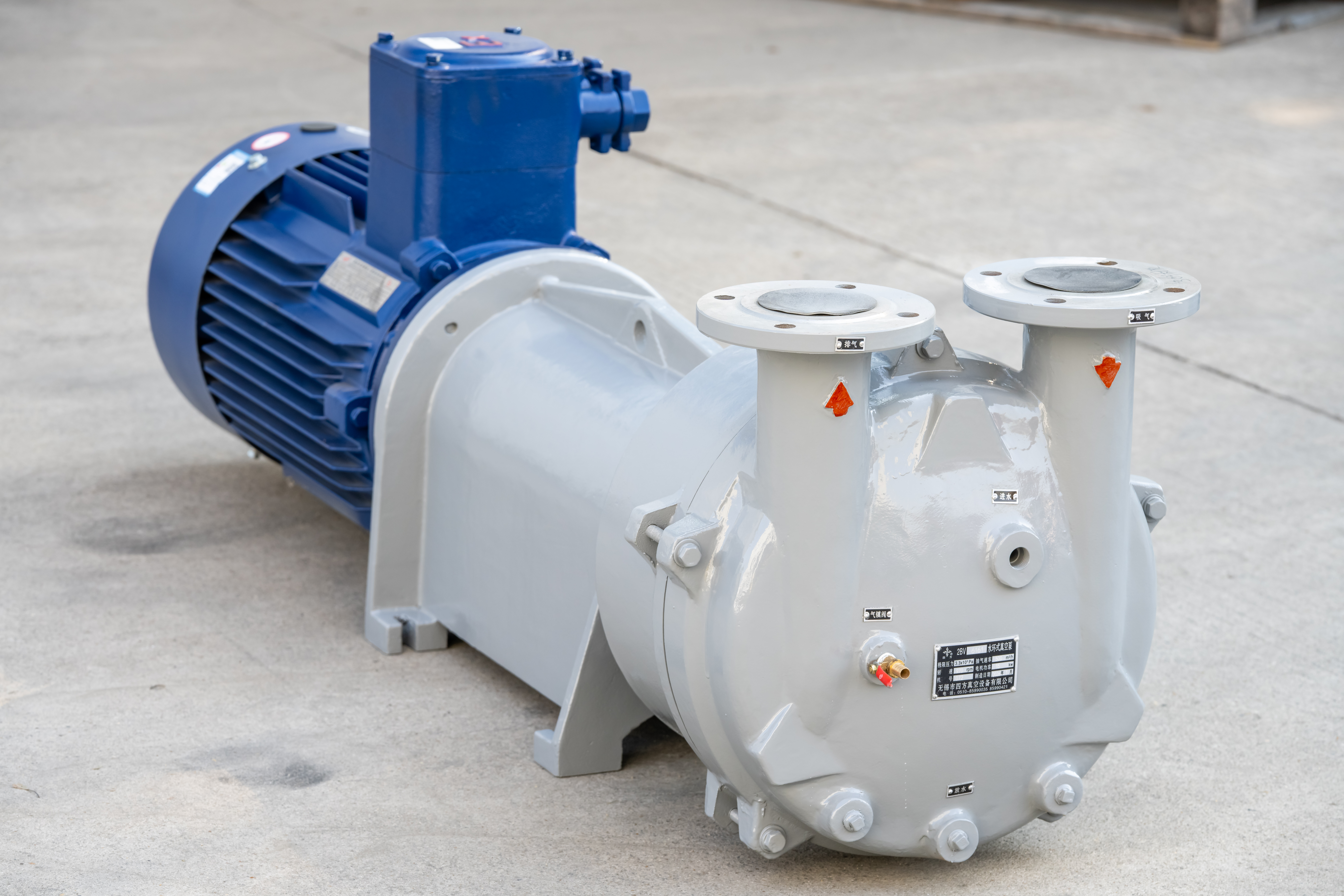
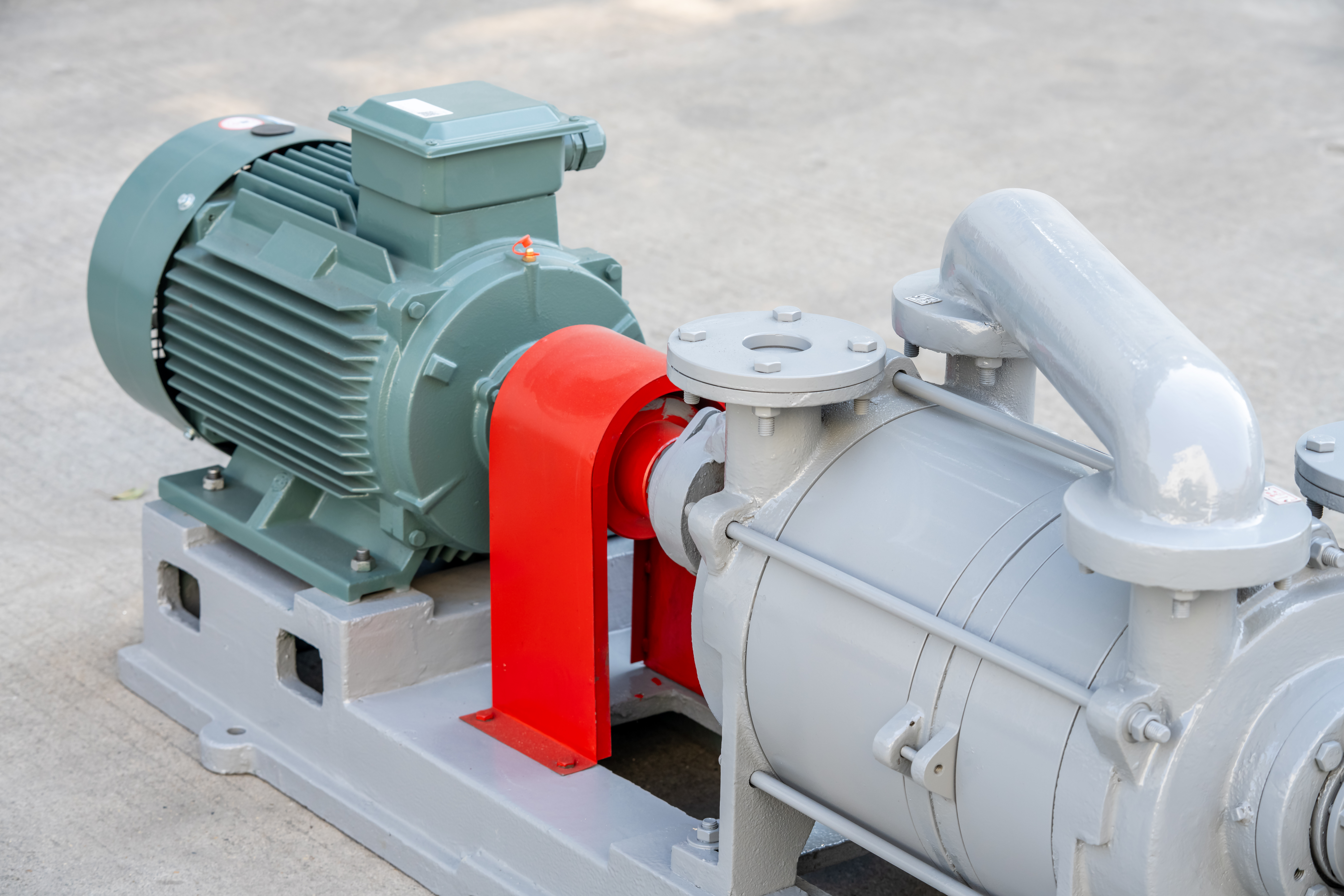
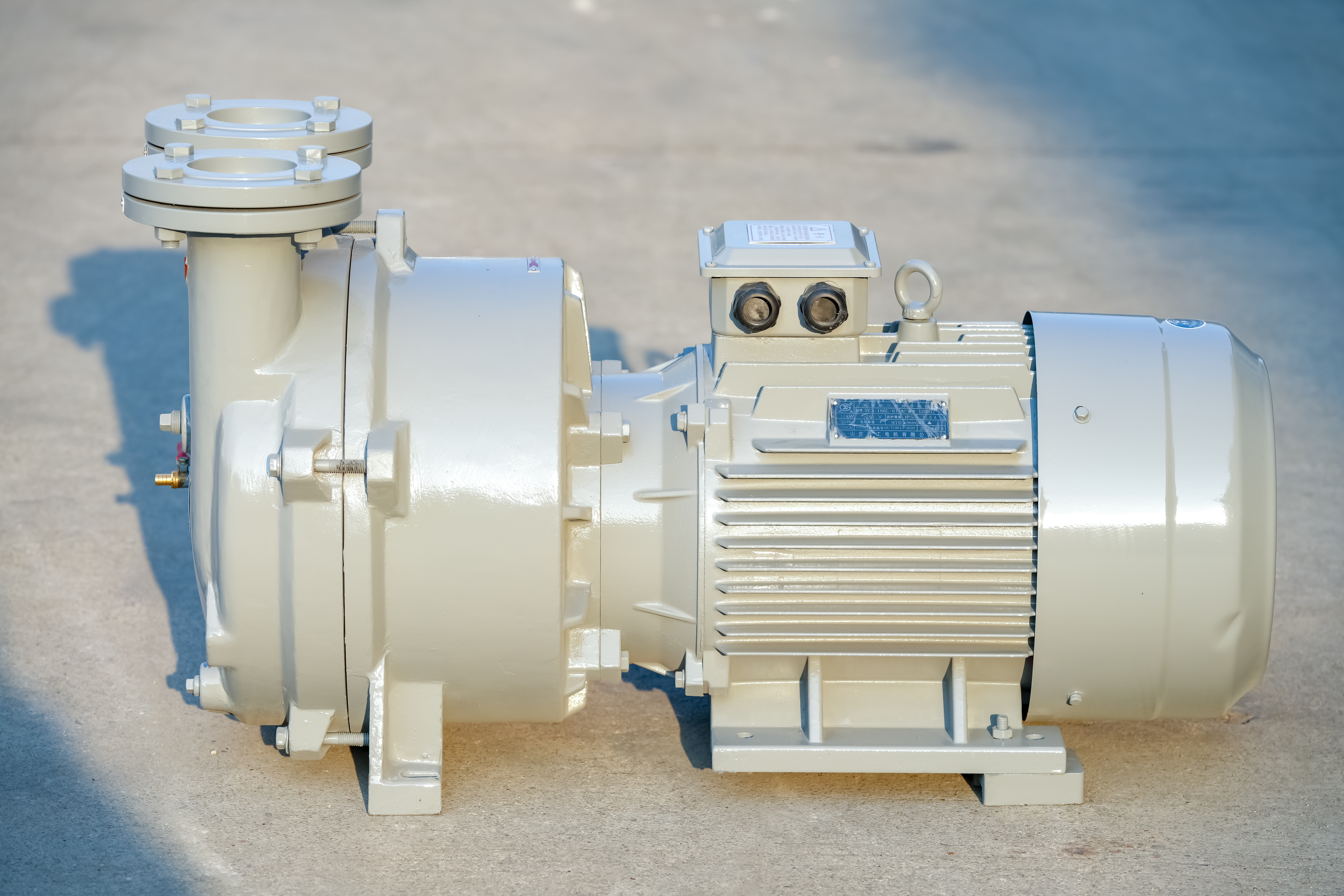
Environmental responsibility and process purity reach new standards with the double stage water ring vacuum pump, which operates entirely without oil contamination risks that plague traditional vacuum technologies. This oil-free operation makes these pumps exceptionally valuable in industries where product contamination must be completely eliminated, including pharmaceutical manufacturing, food processing, chemical production, and semiconductor fabrication. The water ring sealing mechanism replaces traditional oil sealing systems, using water as both the sealing medium and compression fluid, ensuring that process gases never come into contact with petroleum-based lubricants. This fundamental design advantage means that the double stage water ring vacuum pump can handle sensitive processes without risk of product contamination, meeting stringent quality standards required in regulated industries. The environmental benefits extend beyond contamination prevention to include reduced waste generation and simplified disposal procedures. Used seal water can often be treated and recycled, minimizing environmental impact compared to oil-sealed systems that generate hazardous waste requiring special disposal methods. The isothermal compression process inherent in water ring technology prevents overheating of process gases, preserving their chemical integrity and preventing thermal degradation that could create unwanted byproducts. This temperature control capability makes the double stage water ring vacuum pump particularly valuable for handling temperature-sensitive materials and volatile compounds that might decompose under high-temperature conditions. Energy efficiency contributes to environmental sustainability, as these pumps deliver exceptional vacuum performance while consuming reasonable power levels, reducing overall carbon footprint compared to alternative vacuum technologies. The long operational life typical of these pumps further reduces environmental impact by minimizing replacement frequency and associated manufacturing demands. Noise levels remain relatively low during operation, contributing to better working environments and compliance with occupational safety regulations. The water cooling effect naturally limits operating temperatures, reducing thermal stress on components and extending service life while maintaining consistent performance. Regulatory compliance becomes simplified with oil-free operation, as facilities avoid complex regulations associated with oil handling, storage, and disposal, streamlining environmental management procedures.

 EN
EN