Water Ring Vacuum Pump Principle: Complete Guide to Operation, Benefits and Applications

All Categories

Get a Free Quote

Our representative will contact you soon.
Email
Name
Company Name
Message
0/1000

water ring vacuum pump principle

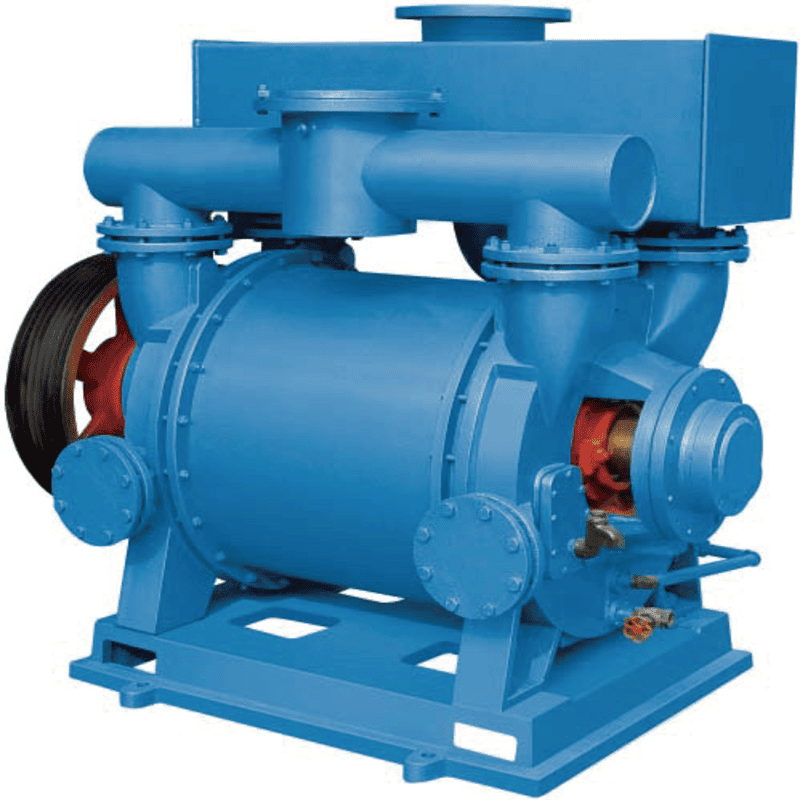
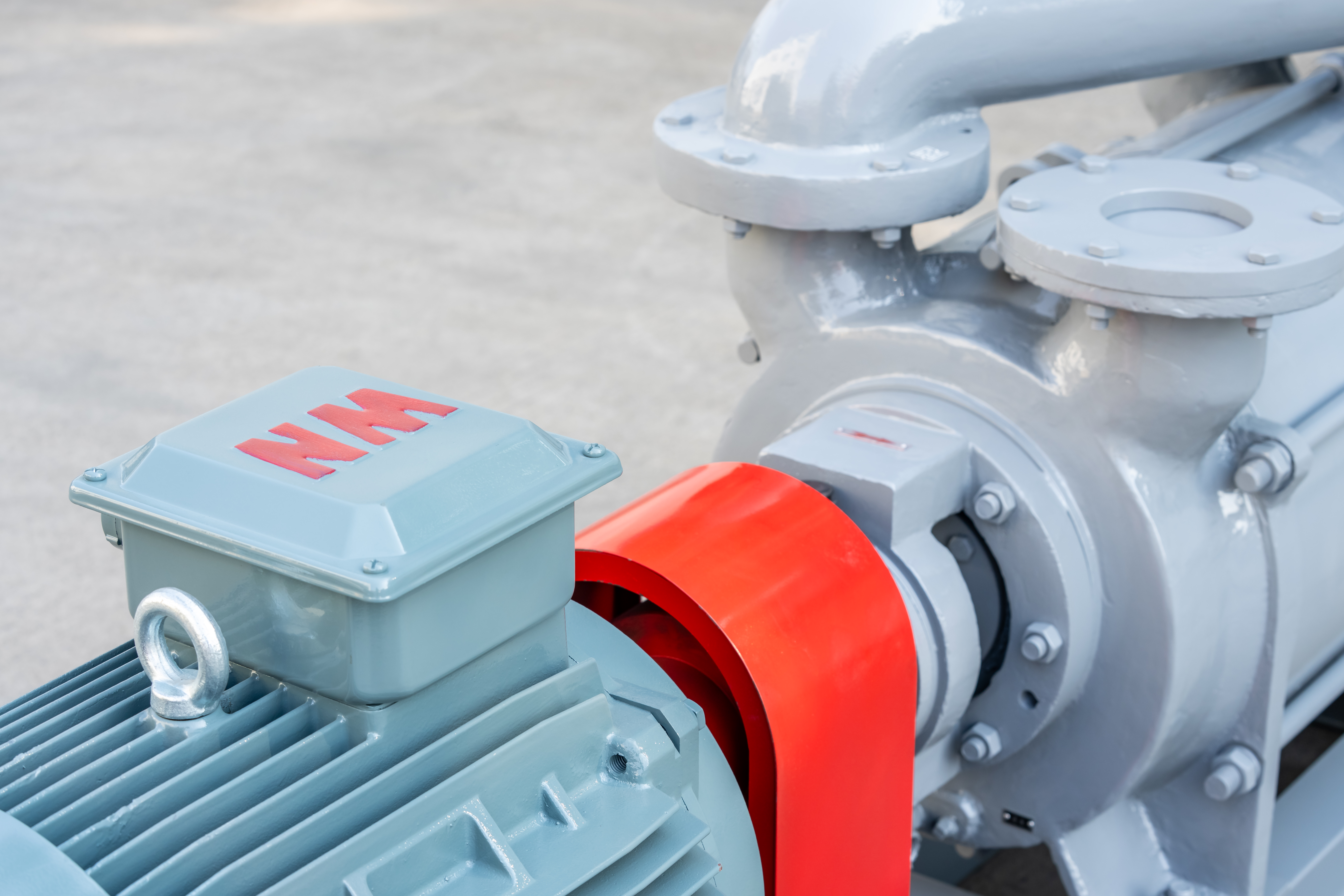
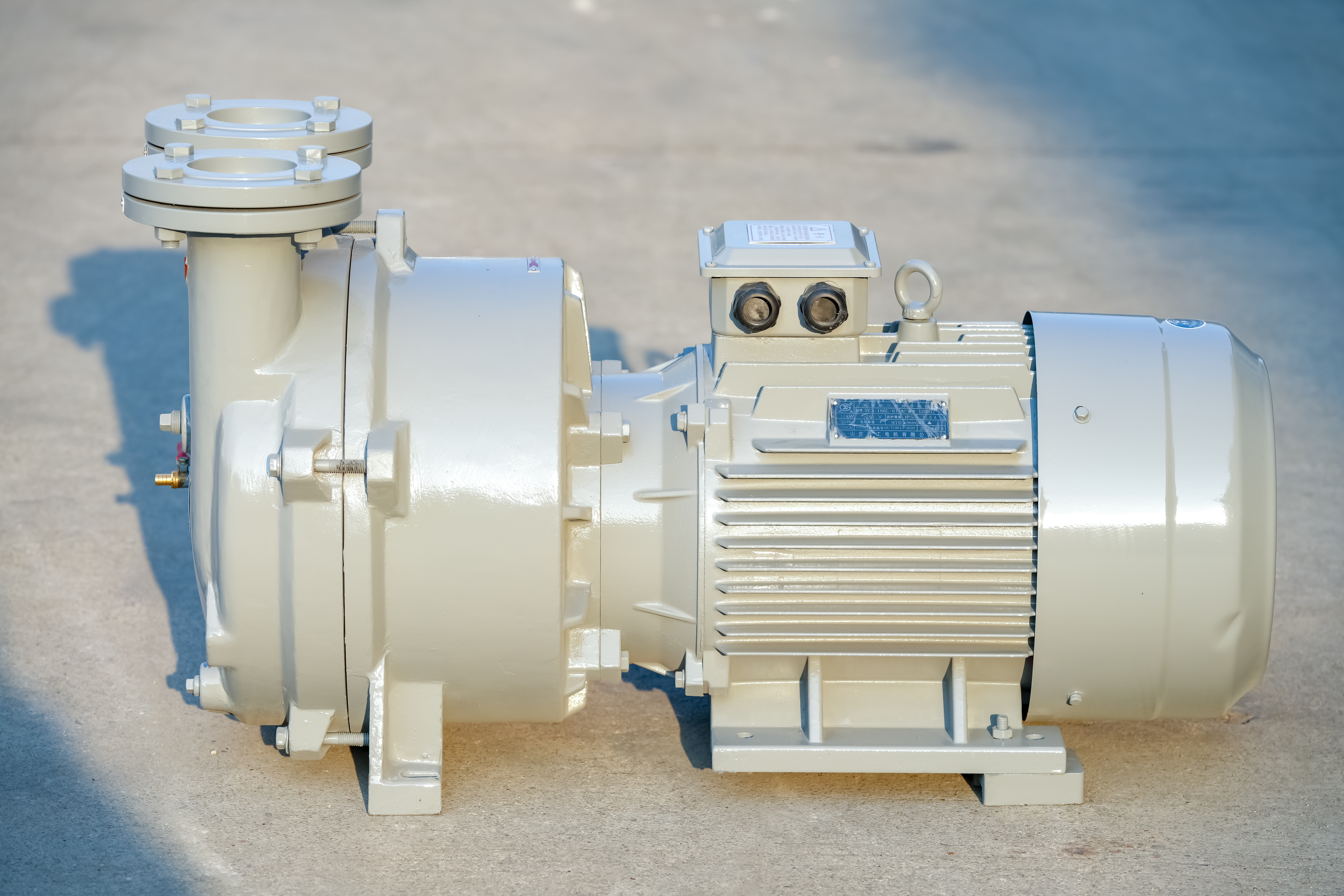
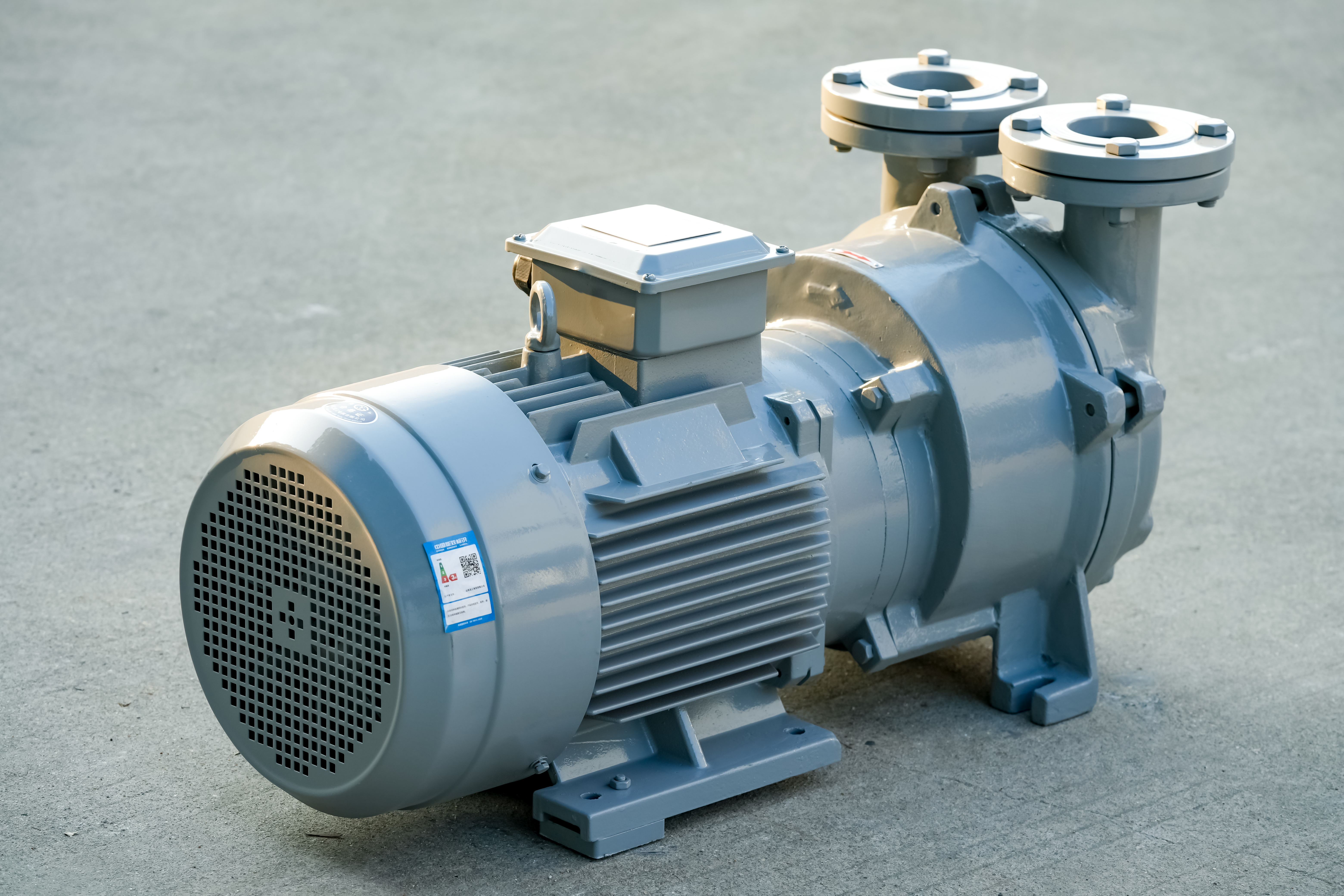
The water ring vacuum pump principle represents one of the most effective and reliable methods for creating vacuum conditions in industrial applications. This innovative technology operates through a unique mechanism where a liquid ring, typically water, serves as both the sealing medium and the compression element within the pump chamber. The fundamental concept behind the water ring vacuum pump principle involves an impeller mounted eccentrically within a cylindrical casing, creating a dynamic liquid seal that efficiently removes gases and vapors from enclosed systems. When the impeller rotates, centrifugal force causes the water to form a ring against the outer wall of the casing, creating compression chambers of varying volumes. As these chambers expand and contract during rotation, they create the suction and discharge phases necessary for vacuum generation. The water ring vacuum pump principle ensures consistent performance across diverse operating conditions, making it particularly valuable for applications requiring steady vacuum levels. The liquid ring acts as a continuous seal, preventing internal leakage and maintaining efficient operation even when handling wet gases or condensable vapors. This design eliminates the need for internal lubrication systems, as the water ring itself provides the necessary sealing and cooling functions. The water ring vacuum pump principle also incorporates natural temperature control, as the liquid ring absorbs heat generated during compression, preventing overheating and ensuring stable operation. Industrial facilities benefit from this technology's ability to handle contaminated gases without internal damage, as particles and debris are swept away with the liquid ring during normal operation.

New Product Recommendations

The water ring vacuum pump principle delivers exceptional performance benefits that make it the preferred choice for demanding industrial applications. This technology operates without internal metal-to-metal contact, eliminating wear and extending equipment lifespan significantly compared to traditional vacuum systems. Users experience reduced maintenance costs because the water ring vacuum pump principle requires minimal servicing, with only periodic checks of the liquid level and impeller condition necessary for optimal performance. The isothermal compression process inherent in the water ring vacuum pump principle prevents overheating issues common in other vacuum technologies, ensuring consistent operation even during continuous duty cycles. This cooling effect allows facilities to maintain stable vacuum levels without expensive auxiliary cooling systems, reducing both installation and operating costs. Safety considerations favor the water ring vacuum pump principle because it can handle explosive or flammable gases without risk of ignition, as the liquid ring prevents compression temperatures from reaching dangerous levels. Environmental benefits emerge from the water ring vacuum pump principle's ability to condense and separate vapors during operation, reducing emissions and enabling recovery of valuable process materials. Energy efficiency represents another significant advantage, as the water ring vacuum pump principle operates at lower power consumption rates than comparable dry vacuum systems while delivering superior performance. Installation flexibility allows the water ring vacuum pump principle to be implemented in various orientations and configurations, accommodating space constraints and process requirements effectively. Operational reliability stems from the simple design philosophy behind the water ring vacuum pump principle, which features fewer moving parts and less complex control systems than alternative vacuum technologies. Process compatibility makes the water ring vacuum pump principle suitable for handling corrosive gases, wet vapors, and contaminated streams that would damage other vacuum equipment types. Economic benefits accumulate through reduced downtime, lower maintenance requirements, and extended service life, making the water ring vacuum pump principle a cost-effective solution for long-term industrial vacuum needs.

Tips And Tricks

How Can a Metal Barrel Improve Safety in Industrial Material Storage?

26

Dec

How Can a Metal Barrel Improve Safety in Industrial Material Storage?

Industrial material storage presents numerous challenges that require robust, reliable solutions to ensure workplace safety and operational efficiency. Among the various storage options available, the metal barrel has emerged as a cornerstone of secu...
View More
Why Is Metal Barrel Corrosion Protection Important for Industrial Use?

26

Dec

Why Is Metal Barrel Corrosion Protection Important for Industrial Use?

Industrial operations across manufacturing, chemical processing, and petroleum sectors rely heavily on metal barrels for storage and transportation of various materials. These containers face constant exposure to corrosive elements that can compromis...
View More
How Does a Vacuum Brazing Furnace Reduce Oxidation During Processing?

25

Feb

How Does a Vacuum Brazing Furnace Reduce Oxidation During Processing?

Modern manufacturing processes demand precise control over atmospheric conditions to achieve optimal results, particularly when joining metals through brazing operations. A vacuum brazing furnace represents a sophisticated solution that eliminates ox...
View More
How Do Material Types Affect Performance in a Vacuum Brazing Furnace?

25

Feb

How Do Material Types Affect Performance in a Vacuum Brazing Furnace?

Material selection plays a crucial role in determining the success and efficiency of thermal processing operations. When working with a vacuum brazing furnace, understanding how different materials respond to high-temperature environments and control...
View More

Get a Free Quote

Our representative will contact you soon.
Email
Name
Company Name
Message
0/1000

water ring vacuum pump principle

Superior Contamination Handling Capability

Superior Contamination Handling Capability

The water ring vacuum pump principle excels in environments where traditional vacuum systems struggle with contaminated gases, particles, and condensable vapors. This remarkable capability stems from the unique design where the liquid ring continuously washes internal surfaces, preventing buildup of debris and maintaining consistent performance over extended periods. Unlike dry vacuum pumps that require frequent cleaning and filter changes when handling dirty gases, the water ring vacuum pump principle incorporates self-cleaning action as part of its normal operation. The liquid ring carries away particles, condensates, and other contaminants through the discharge port, preventing internal accumulation that could compromise pump efficiency or damage sensitive components. This feature proves invaluable in chemical processing, pharmaceutical manufacturing, and environmental remediation applications where gas streams contain various impurities. The water ring vacuum pump principle maintains vacuum levels even when processing streams with high moisture content, eliminating the need for expensive pre-treatment systems that other vacuum technologies require. Process engineers appreciate how this technology handles slugs of liquid without damage, as the liquid ring absorbs and manages excess fluids during operation. The contamination tolerance of the water ring vacuum pump principle reduces system complexity by eliminating upstream separation equipment, lowering installation costs and simplifying process design. Maintenance intervals extend significantly because internal wear is minimal, and the self-cleaning action prevents the fouling issues that plague other vacuum technologies. Industries processing corrosive materials benefit from specialized materials of construction available for water ring vacuum pumps, ensuring long service life even in harsh chemical environments. The ability to handle contaminated streams without performance degradation makes the water ring vacuum pump principle essential for waste treatment facilities, where gas compositions vary widely and contain unpredictable contaminants.
Exceptional Safety and Environmental Performance

Exceptional Safety and Environmental Performance

The water ring vacuum pump principle provides unmatched safety characteristics that make it indispensable for handling hazardous gases and volatile compounds in industrial processes. The isothermal compression inherent in this technology prevents dangerous temperature buildup that could trigger explosions or decomposition reactions when processing flammable or unstable materials. This safety advantage emerges from the liquid ring's ability to absorb heat continuously during compression, maintaining gas temperatures well below ignition points even under high compression ratios. The water ring vacuum pump principle eliminates spark risks because there is no metal-to-metal contact during normal operation, making it suitable for applications involving explosive atmospheres or sensitive chemical compounds. Environmental benefits multiply through the technology's natural vapor condensation capability, which captures and recovers valuable solvents while reducing atmospheric emissions. The liquid ring acts as a scrubbing medium, removing soluble contaminants from gas streams and enabling facilities to meet stringent environmental regulations without additional treatment equipment. Process safety improves significantly because the water ring vacuum pump principle can handle unexpected pressure surges or liquid slugs without catastrophic failure, protecting downstream equipment and personnel. The closed-loop design prevents process gases from escaping to atmosphere during normal operation, maintaining workplace safety and environmental compliance. Emergency shutdown procedures are simplified because the water ring vacuum pump principle stops safely without complex purging sequences or extended cooldown periods required by other vacuum technologies. Facilities processing toxic or hazardous materials rely on this technology's ability to maintain containment even during upset conditions, as the liquid seal prevents dangerous gas leakage. The natural scrubbing action of the water ring vacuum pump principle removes harmful compounds from process streams, reducing the burden on downstream treatment systems and improving overall environmental performance. Regulatory compliance becomes easier to achieve and maintain when using this technology, as its inherent safety features align with industry best practices for handling dangerous materials.
Outstanding Operational Reliability and Cost Effectiveness

Outstanding Operational Reliability and Cost Effectiveness

The water ring vacuum pump principle delivers exceptional long-term value through its robust design and minimal maintenance requirements, making it the most cost-effective solution for continuous vacuum applications. This reliability stems from the simple mechanical configuration that eliminates complex internal components prone to failure, resulting in uptimes exceeding 95 percent for properly maintained systems. The absence of internal lubrication systems reduces maintenance complexity while the liquid ring provides natural lubrication for all moving parts, extending component life far beyond that of comparable vacuum technologies. Operating costs remain low because the water ring vacuum pump principle requires only periodic liquid makeup and occasional impeller inspection, eliminating expensive rebuild cycles common with other vacuum systems. Energy efficiency advantages become apparent during extended operation, as the isothermal compression process requires less power input than adiabatic compression used in dry vacuum pumps while achieving superior performance. The water ring vacuum pump principle adapts to varying process conditions automatically, maintaining stable vacuum levels without complex control systems or frequent operator intervention. Installation costs reduce significantly because auxiliary systems like intercoolers, aftercoolers, and extensive piping networks are unnecessary, simplifying plant layout and reducing construction time. Spare parts inventory requirements decrease dramatically due to the simple design, with most facilities needing only basic wearing parts like seals and gaskets for routine maintenance. The water ring vacuum pump principle provides consistent performance across wide operating ranges, eliminating the need for multiple pump sizes or complex staging arrangements required by other vacuum technologies. Return on investment accelerates through reduced downtime, lower maintenance costs, and extended equipment life, typically paying for itself within two years of installation. Process flexibility increases because the water ring vacuum pump principle handles varying gas loads and compositions without performance degradation, accommodating production changes without equipment modifications. Total lifecycle costs favor this technology due to its durability and minimal maintenance requirements, making it the preferred choice for facilities requiring dependable vacuum performance over many years of operation.


Get a Free Quote

Our representative will contact you soon.
Email
Name
Company Name
Message
0/1000