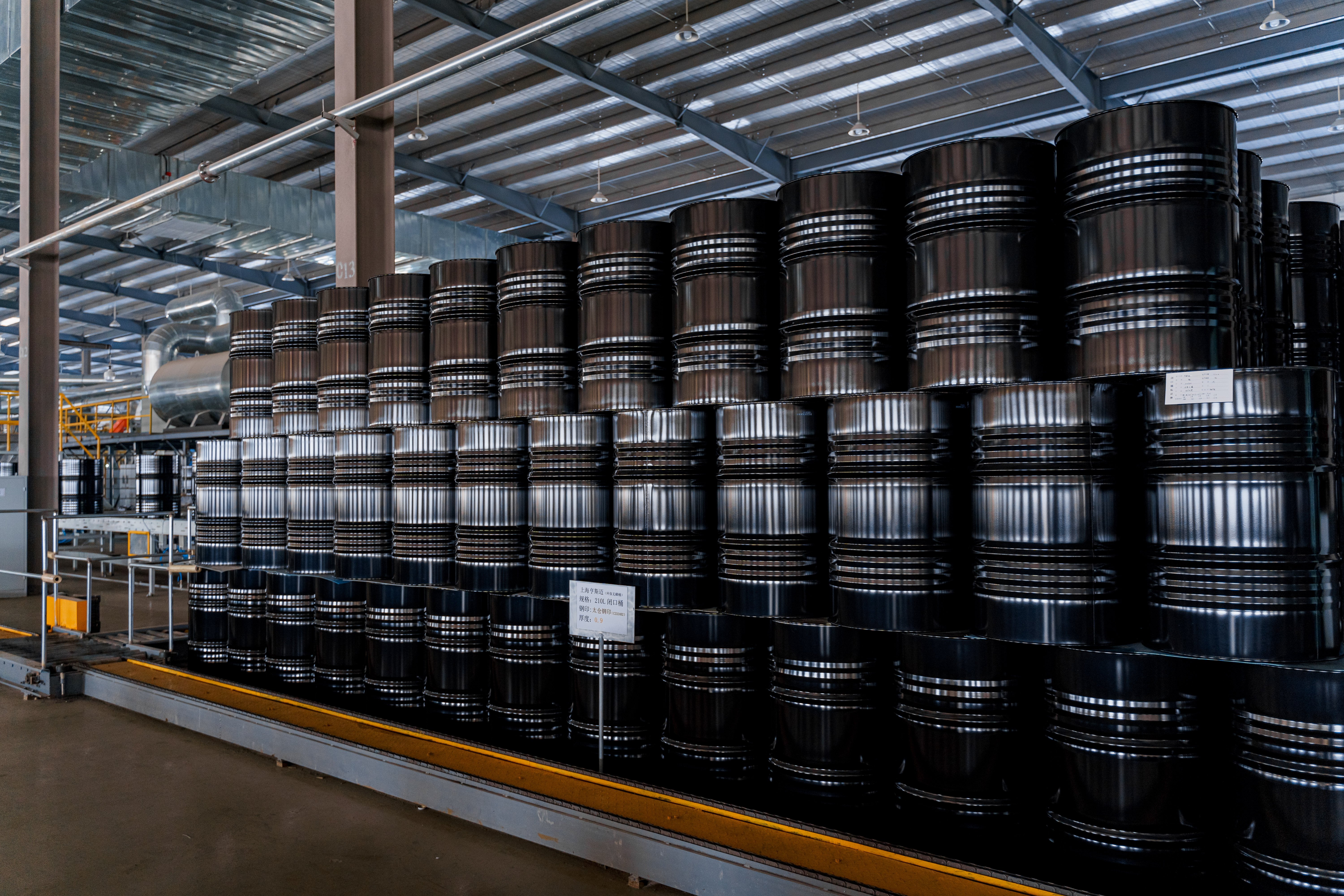
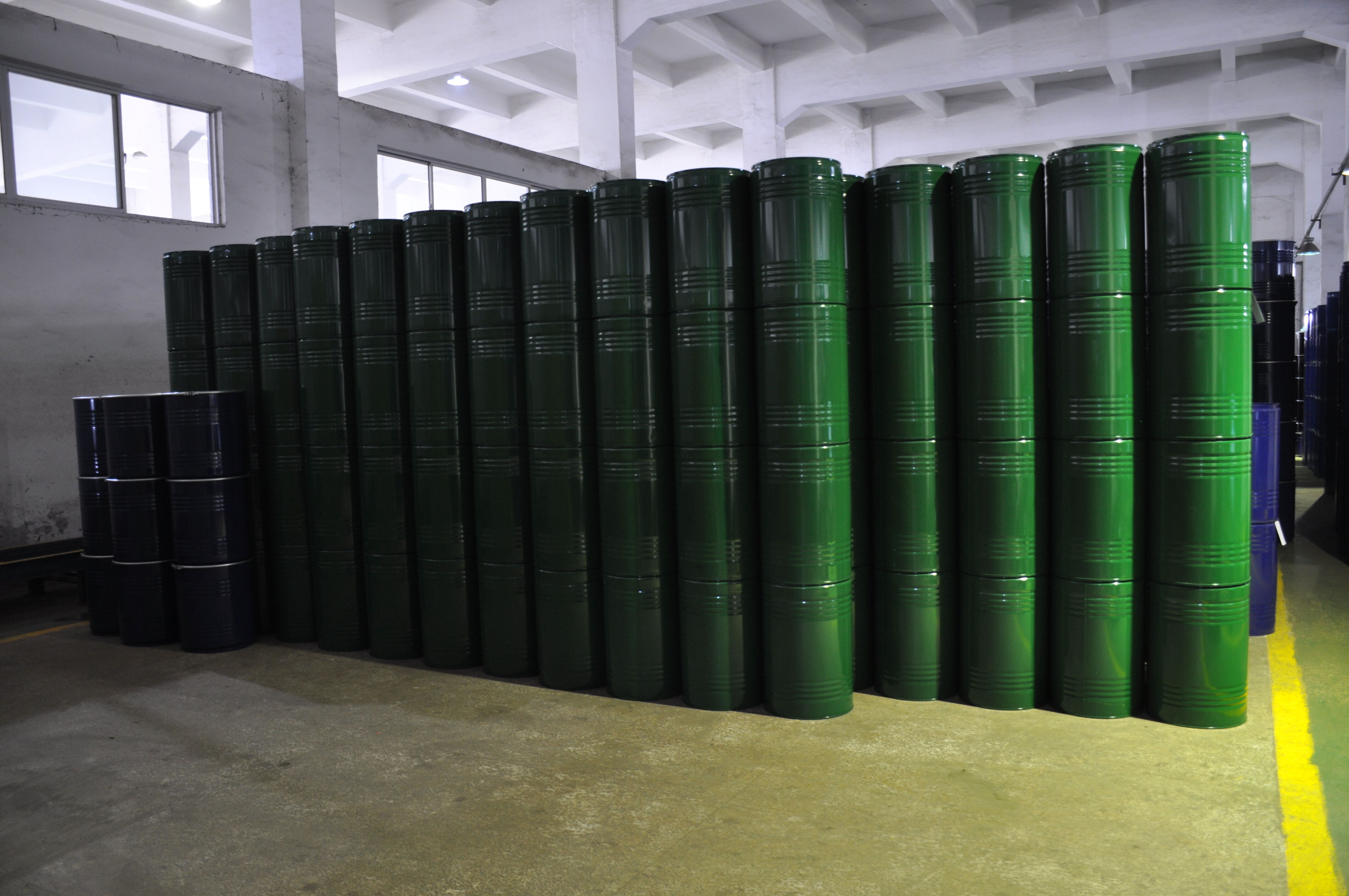
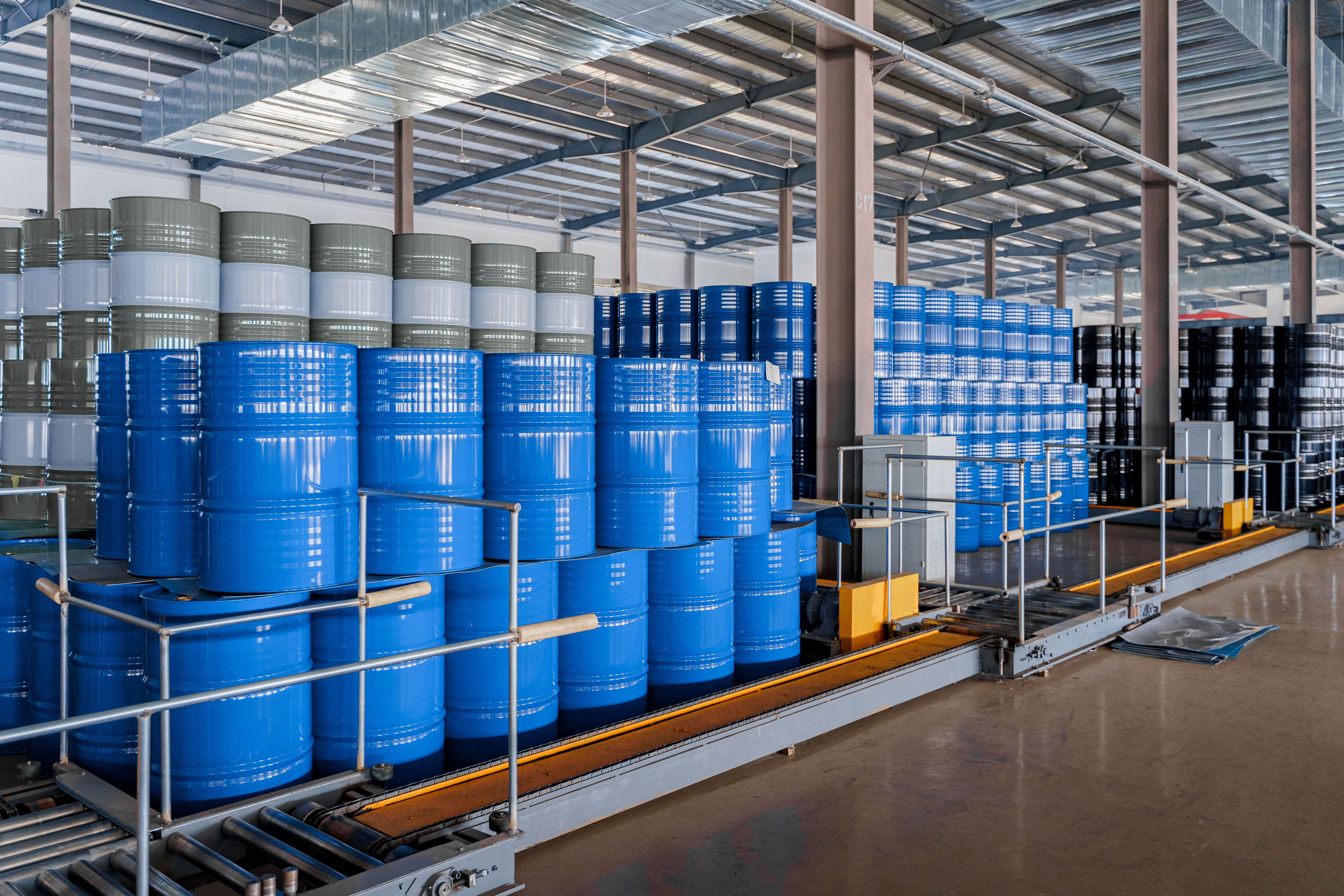
empty steel drums
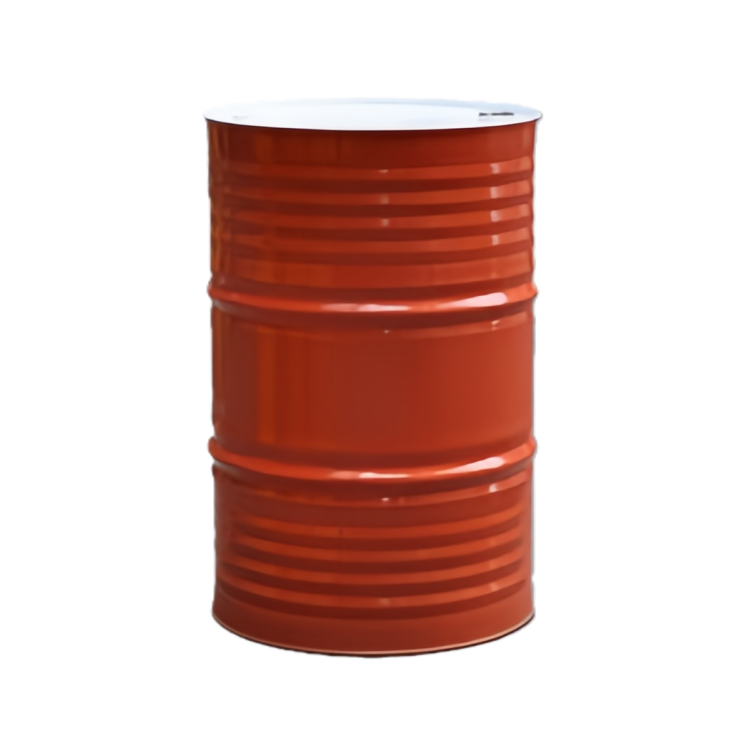
Empty steel drums represent one of the most versatile and reliable industrial packaging solutions available in today's market. These cylindrical containers, typically manufactured from high-grade carbon steel or stainless steel, serve as essential storage and transportation vessels across numerous industries worldwide. The construction of empty steel drums involves precision engineering processes that create seamless, robust containers capable of withstanding extreme conditions while maintaining product integrity. Most empty steel drums feature standardized dimensions, with the most common sizes being 55-gallon capacity drums measuring approximately 22.5 inches in diameter and 33.5 inches in height. The manufacturing process begins with steel sheet formation, followed by welding techniques that create leak-proof seams and joints. Advanced coating technologies protect these empty steel drums from corrosion, extending their operational lifespan significantly. The technological features of empty steel drums include removable tops with secure locking mechanisms, reinforced sidewalls that resist deformation under pressure, and specialized interior linings that prevent chemical reactions with stored contents. Many empty steel drums incorporate UN certification markings, indicating compliance with international transportation regulations for hazardous materials. The applications for empty steel drums span virtually every industrial sector, including chemical processing, petroleum refining, food and beverage production, pharmaceutical manufacturing, and waste management operations. These containers excel in storing liquids, powders, granules, and semi-solid materials while maintaining product purity and safety standards. Environmental considerations have led to increased emphasis on recyclable empty steel drums, which can be reconditioned multiple times before reaching end-of-life recycling processes. Quality control measures ensure that each empty steel drum meets rigorous performance standards, including pressure testing, leak detection, and structural integrity verification before market distribution.
 EN
EN