High Quality Special Vacuum Furnace - Advanced Thermal Processing Solutions for Industrial Applications

All Categories

Get a Free Quote

Our representative will contact you soon.
Email
Name
Company Name
Message
0/1000

high quality special vacuum furnace

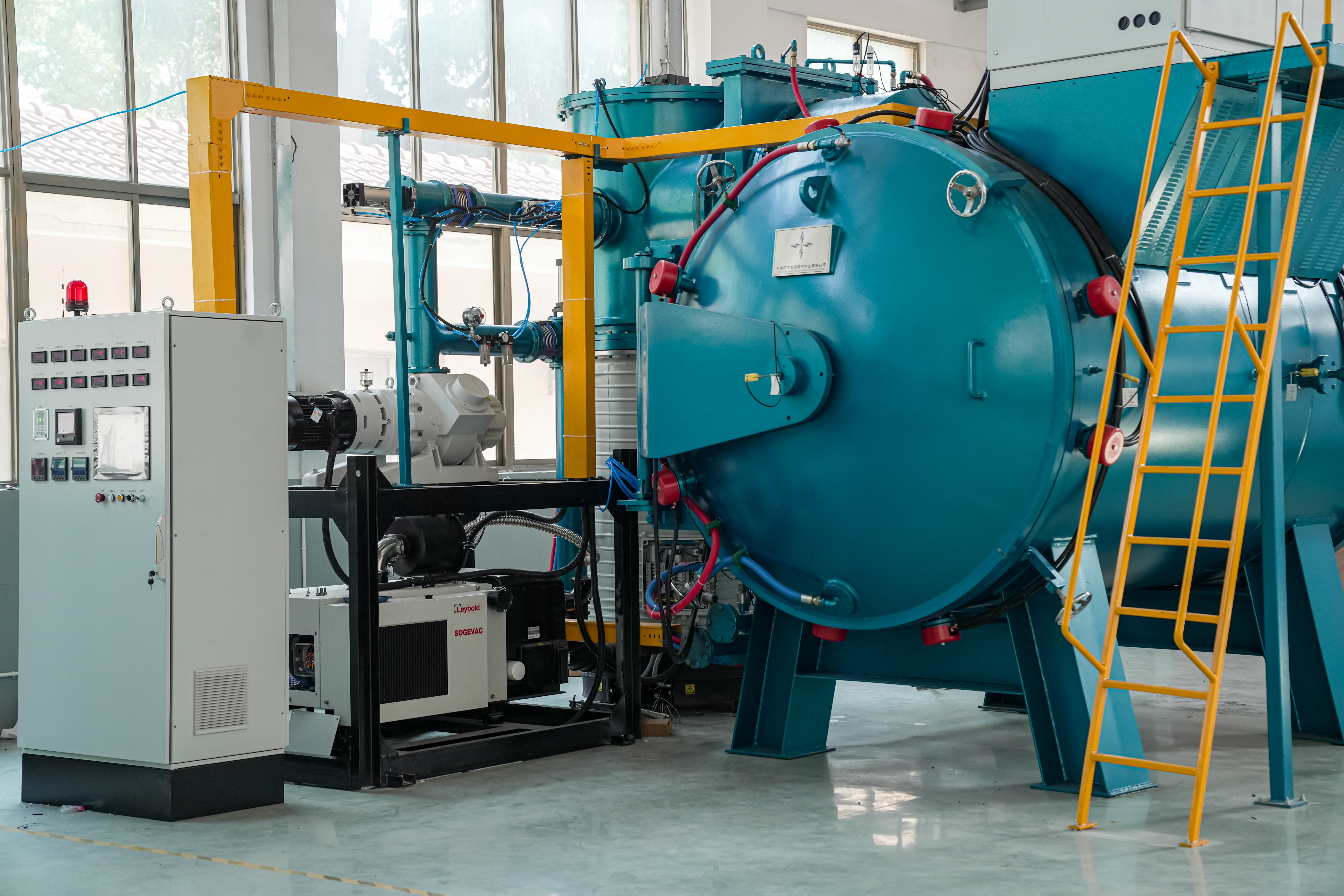
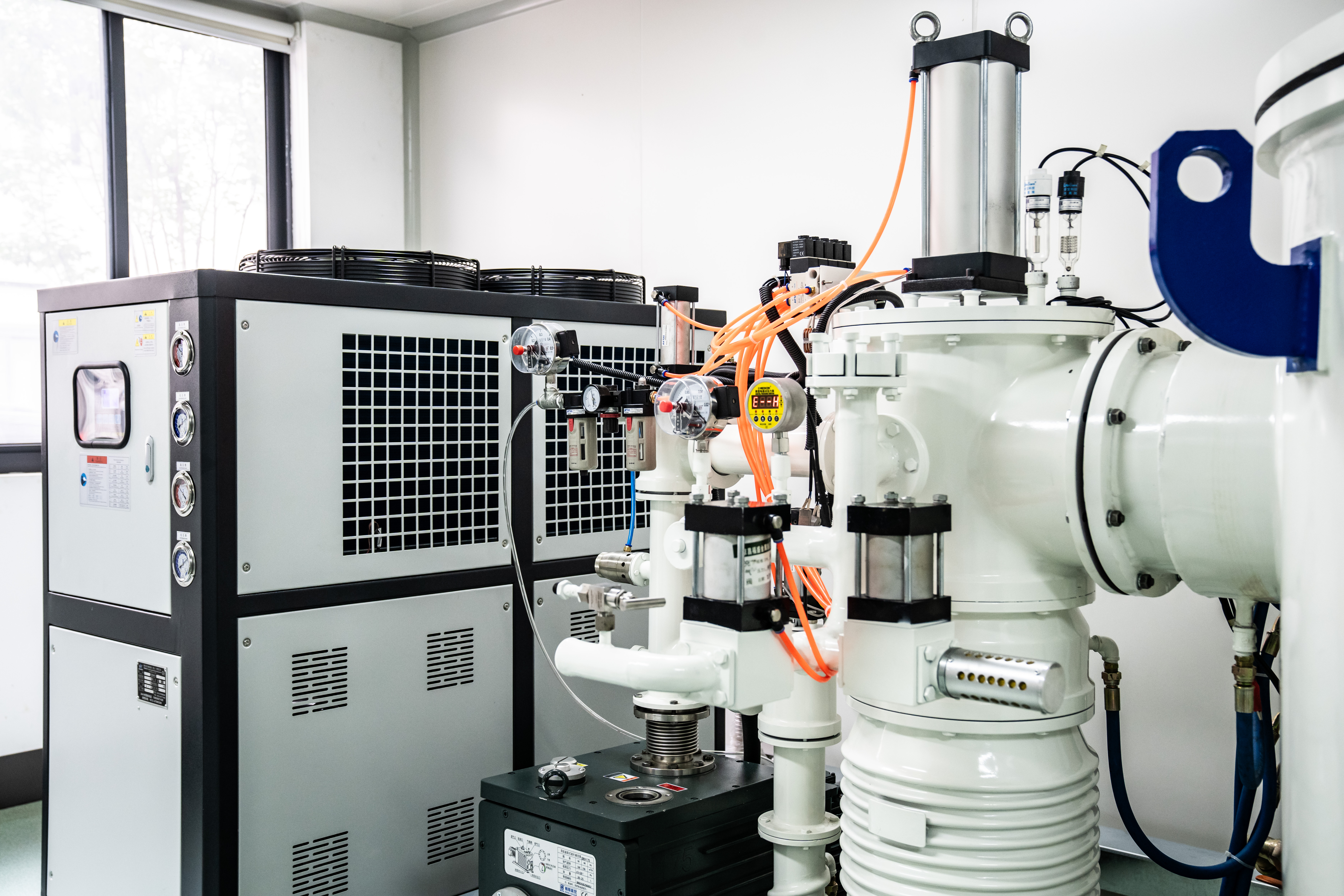
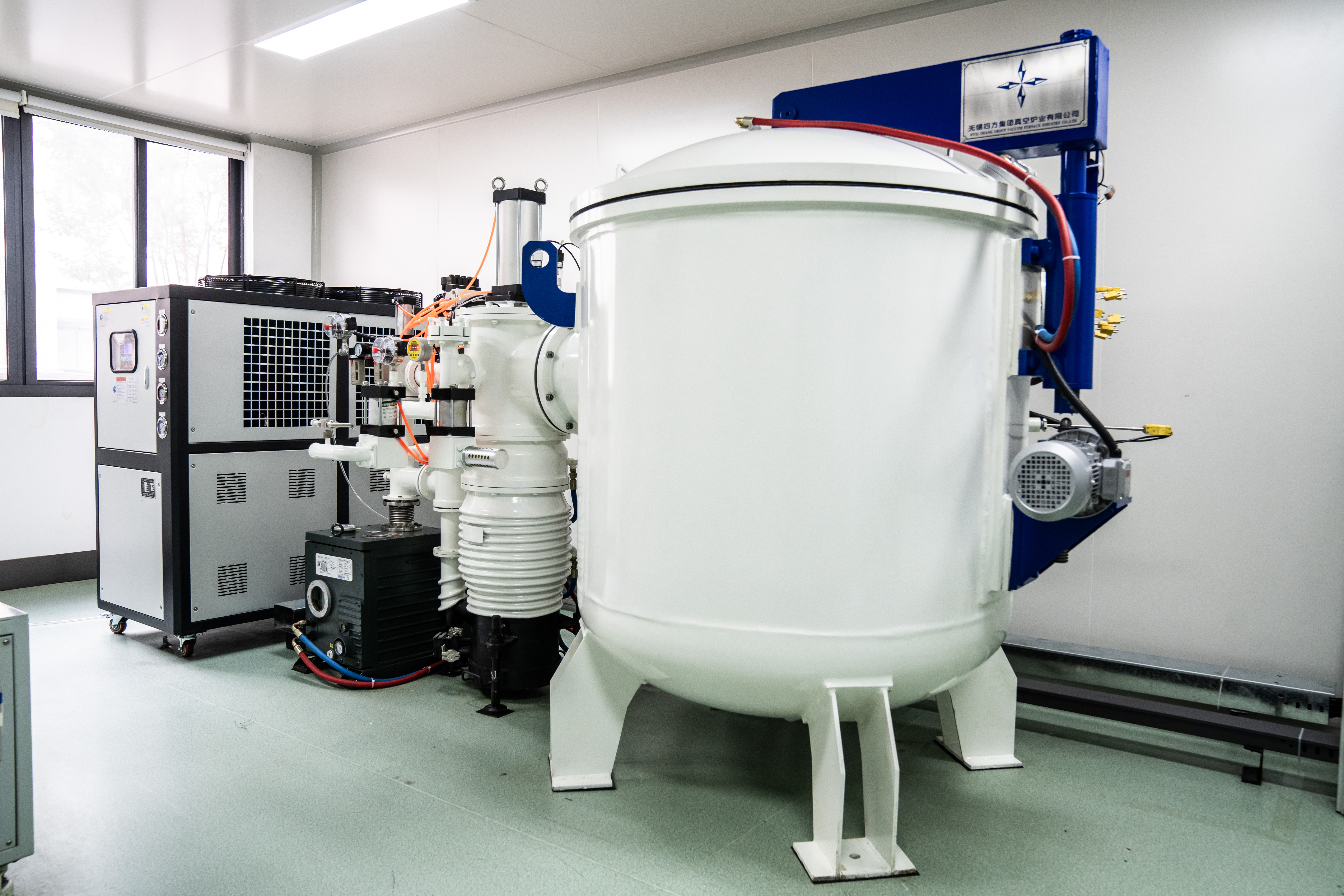
A high quality special vacuum furnace represents the pinnacle of advanced thermal processing technology, designed to deliver exceptional performance in controlled atmospheric environments. This sophisticated equipment operates by creating a vacuum environment that eliminates atmospheric contamination, enabling precise temperature control and superior material treatment outcomes. The primary function of a high quality special vacuum furnace involves heating materials to extremely high temperatures while maintaining an oxygen-free environment, which prevents oxidation, decarburization, and other unwanted chemical reactions that could compromise material integrity. The technological features of these furnaces include advanced vacuum pumping systems that achieve ultra-low pressure levels, precision temperature controllers that maintain consistent heating profiles, and sophisticated monitoring systems that track every aspect of the thermal process. Modern high quality special vacuum furnace designs incorporate cutting-edge heating elements, often utilizing graphite or molybdenum components that can withstand extreme temperatures exceeding 2000°C. The vacuum chamber construction typically employs high-grade stainless steel or specialized alloys that resist thermal stress and maintain structural integrity throughout repeated heating cycles. These furnaces find extensive applications across diverse industries, including aerospace manufacturing for treating critical components like turbine blades and structural elements, medical device production for sterilization and material enhancement, electronics manufacturing for semiconductor processing, and metallurgical operations for specialty alloy development. Research institutions rely on high quality special vacuum furnace systems for materials science investigations, while automotive manufacturers utilize them for heat treating engine components and transmission parts. The versatility of these systems extends to ceramic processing, powder metallurgy operations, and specialized coating applications where atmospheric contamination must be completely eliminated to achieve desired material properties and performance characteristics.

New Product Releases

The advantages of investing in a high quality special vacuum furnace extend far beyond basic heating capabilities, delivering transformative benefits that directly impact production efficiency and product quality. These systems eliminate atmospheric contamination completely, ensuring your materials achieve optimal properties without the detrimental effects of oxygen exposure, moisture, or other atmospheric gases that can compromise final product performance. Temperature uniformity represents another significant advantage, as these furnaces maintain consistent heating across the entire working zone, preventing hot spots or cold zones that could lead to material inconsistencies or processing failures. Energy efficiency stands out as a major benefit, with modern designs incorporating advanced insulation systems and optimized heating elements that reduce power consumption while maintaining superior performance levels. The precise control capabilities of these systems allow operators to implement complex thermal profiles with exceptional accuracy, enabling the production of materials with specific properties tailored to exact specifications. Productivity gains result from reduced processing times and higher success rates, as the controlled environment eliminates many variables that cause batch failures in conventional furnaces. Cost savings accumulate through multiple channels, including reduced material waste, lower energy consumption, decreased maintenance requirements, and extended equipment lifespan due to the absence of corrosive atmospheric elements. Safety enhancements include automated control systems that minimize operator exposure to high temperatures and hazardous atmospheres, while integrated monitoring systems provide real-time alerts for any operational anomalies. The versatility of these systems accommodates a wide range of materials and processes, from delicate electronic components to robust aerospace alloys, making them valuable investments for diverse manufacturing operations. Quality consistency improves dramatically as the controlled environment eliminates variables that cause property variations between batches, ensuring every product meets stringent quality standards. Long-term reliability stems from robust construction and precision engineering that withstands demanding industrial environments while maintaining consistent performance over extended operational periods.

Latest News

How Do Small and Intermediate Steel Drums Reduce Leakage Risks?

23

Jan

How Do Small and Intermediate Steel Drums Reduce Leakage Risks?

Industrial storage and transportation operations face constant challenges when it comes to preventing leakage incidents that can result in environmental contamination, regulatory violations, and significant financial losses. Steel drums have emerged ...
View More
How Do Composite Drums Combine Strength and Chemical Resistance Effectively?

25

Feb

How Do Composite Drums Combine Strength and Chemical Resistance Effectively?

Modern industrial packaging demands containers that can withstand both mechanical stress and chemical exposure without compromising product integrity. Composite drums have emerged as the optimal solution for industries requiring reliable storage and ...
View More
How Do Intermediate & Bulk Container Solutions Improve Industrial Storage Efficiency?

25

Feb

How Do Intermediate & Bulk Container Solutions Improve Industrial Storage Efficiency?

Industrial storage efficiency has become a critical factor in modern supply chain management, with businesses constantly seeking solutions that maximize space utilization while minimizing operational costs. The intermediate & bulk container has emerg...
View More
How Does a Vacuum Brazing Furnace Improve the Strength of Metal Joints?

25

Feb

How Does a Vacuum Brazing Furnace Improve the Strength of Metal Joints?

Metal joining technologies have evolved significantly over the decades, with brazing standing out as one of the most reliable methods for creating strong, permanent connections between dissimilar materials. The advent of vacuum brazing furnace techno...
View More

Get a Free Quote

Our representative will contact you soon.
Email
Name
Company Name
Message
0/1000

high quality special vacuum furnace

Advanced Vacuum Technology Delivers Unmatched Material Purity

Advanced Vacuum Technology Delivers Unmatched Material Purity

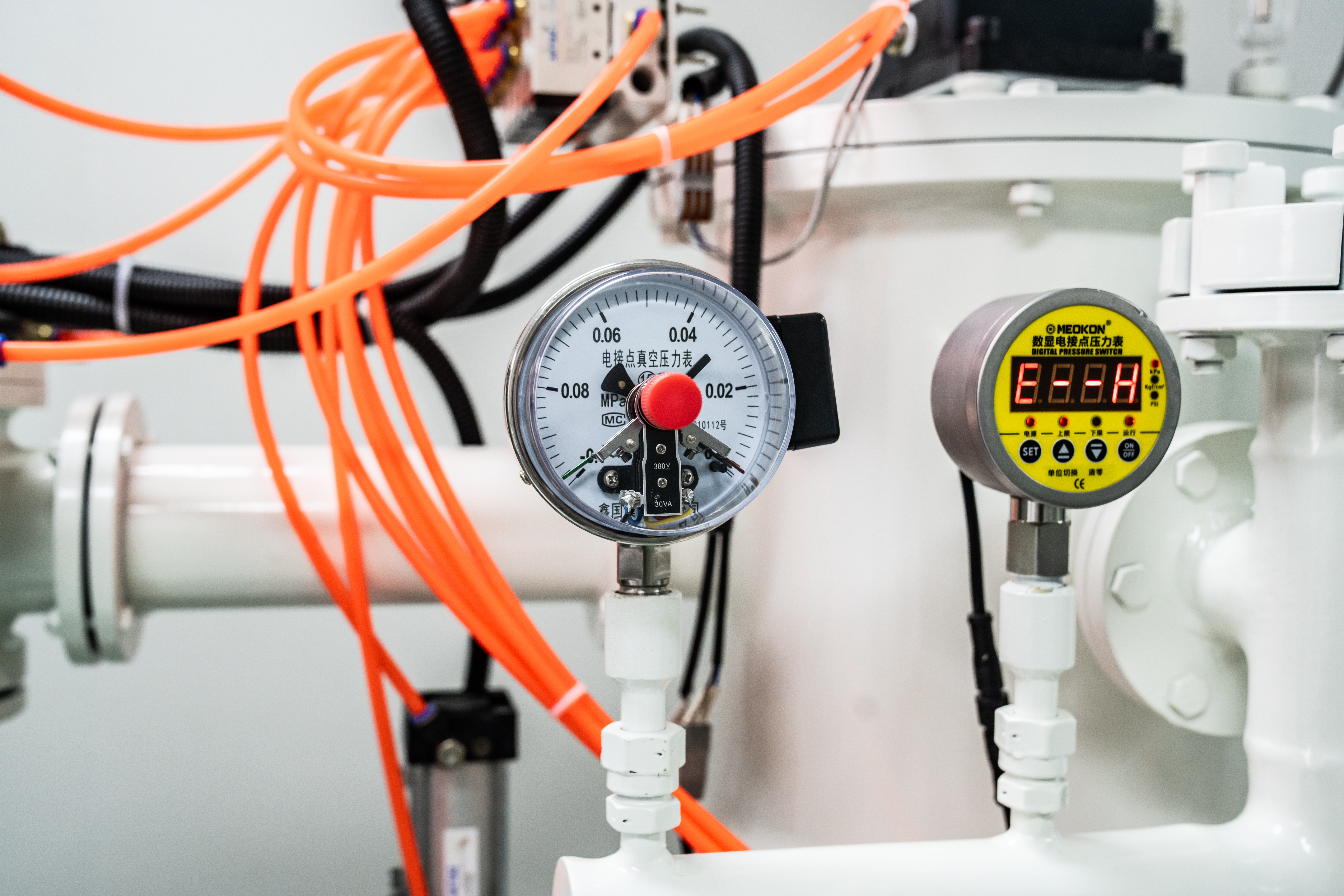
The cornerstone feature of any high quality special vacuum furnace lies in its sophisticated vacuum technology, which creates an environment completely free from atmospheric contamination that could compromise material properties. This advanced system employs multiple vacuum pumping stages, typically combining mechanical pumps with turbo-molecular or diffusion pumps to achieve ultra-high vacuum levels often reaching 10^-6 torr or better. The importance of this capability cannot be overstated, as even trace amounts of oxygen, nitrogen, or water vapor can cause oxidation, nitriding, or decarburization reactions that fundamentally alter material characteristics in undesirable ways. The vacuum system incorporates precision leak detection technology and automated monitoring systems that continuously verify environmental conditions, ensuring maintained purity throughout the entire thermal cycle. This technology proves invaluable for processing reactive metals like titanium, aluminum, and specialty steel alloys that readily form oxides or nitrides when exposed to atmospheric elements. The value proposition extends to applications requiring precise surface finishes, as the absence of atmospheric contamination prevents scale formation and surface degradation that would otherwise require costly post-processing operations. Industries manufacturing critical components for aerospace, medical, or electronic applications particularly benefit from this capability, as their products must meet stringent purity requirements that conventional atmospheric furnaces simply cannot achieve. The economic impact becomes evident through reduced scrap rates, eliminated secondary cleaning operations, and enhanced product performance that commands premium market prices. Furthermore, the controlled environment enables processing of materials that would be impossible or impractical in atmospheric conditions, opening new possibilities for advanced material development and specialized manufacturing processes that create competitive advantages in demanding market segments.

Precision Temperature Control Ensures Optimal Processing Results

Precision Temperature Control Ensures Optimal Processing Results

Temperature control precision represents a defining characteristic of high quality special vacuum furnace systems, incorporating advanced heating elements and sophisticated control algorithms that maintain thermal profiles within extremely tight tolerances throughout the entire process cycle. These systems utilize multiple heating zones with independent control capabilities, allowing operators to create complex temperature gradients or maintain perfect uniformity across large working volumes as specific applications require. The heating elements, typically constructed from graphite, molybdenum, or specialized alloys, provide rapid heating rates and exceptional temperature stability, enabling precise thermal treatments that achieve desired material properties with remarkable consistency. Thermal monitoring systems employ multiple thermocouple arrays strategically positioned throughout the furnace chamber, providing real-time temperature data that feeds into advanced control algorithms capable of making instantaneous adjustments to maintain prescribed thermal profiles. This level of precision proves crucial for processes like solution heat treatment, aging operations, stress relieving, and specialized sintering applications where temperature variations of just a few degrees can significantly impact final material properties. The control systems incorporate programmable logic controllers that can execute complex thermal cycles automatically, reducing operator error while ensuring consistent results across multiple production batches. Advanced models feature predictive control algorithms that anticipate thermal behavior based on load characteristics and environmental conditions, proactively adjusting heating parameters to maintain optimal processing conditions. The practical benefits extend to reduced cycle times through optimized heating rates, improved product quality through consistent thermal treatment, and enhanced process repeatability that meets stringent manufacturing standards. Industries processing high-value components particularly appreciate this capability, as the precision control minimizes risk of thermal damage while maximizing the probability of achieving desired material properties on the first attempt, eliminating costly rework or material waste that could significantly impact project profitability and delivery schedules.
Robust Construction Ensures Long-Term Reliability and Performance

Robust Construction Ensures Long-Term Reliability and Performance

The structural integrity and robust construction of a high quality special vacuum furnace form the foundation for long-term operational reliability, incorporating premium materials and precision engineering that withstand demanding industrial environments while maintaining consistent performance over extended operational periods. The vacuum chamber construction typically employs high-grade stainless steel or specialized alloys specifically selected for their thermal expansion characteristics, corrosion resistance, and structural stability at extreme temperatures. Advanced welding techniques and precision machining ensure seamless construction that maintains vacuum integrity through thousands of thermal cycles without developing leaks or structural compromises that could affect performance. The heating element support systems utilize refractory materials and specialized mounting techniques designed to accommodate thermal expansion while maintaining precise positioning and electrical connections throughout temperature cycling. Insulation systems incorporate multiple layers of specialized materials that minimize heat loss while protecting external components from thermal stress, contributing to both energy efficiency and extended component life. The mechanical systems, including vacuum pumps, cooling circuits, and material handling equipment, undergo rigorous selection and testing processes to ensure compatibility with high-temperature, high-vacuum environments that would quickly degrade inferior components. Quality control measures throughout the manufacturing process include comprehensive testing protocols that verify structural integrity, thermal performance, and vacuum capabilities before shipment, ensuring every system meets stringent performance standards. The importance of robust construction becomes apparent through reduced maintenance requirements, minimized downtime, and consistent performance that supports continuous production operations in demanding industrial environments. This reliability translates directly into economic benefits through reduced operating costs, extended equipment life, and predictable performance that supports accurate production planning and scheduling. Furthermore, the durable construction maintains resale value and provides flexibility for future process modifications or capacity expansions, making these systems valuable long-term investments that adapt to evolving manufacturing requirements while maintaining their fundamental performance capabilities.

Get a Free Quote

Our representative will contact you soon.
Email
Name
Company Name
Message
0/1000