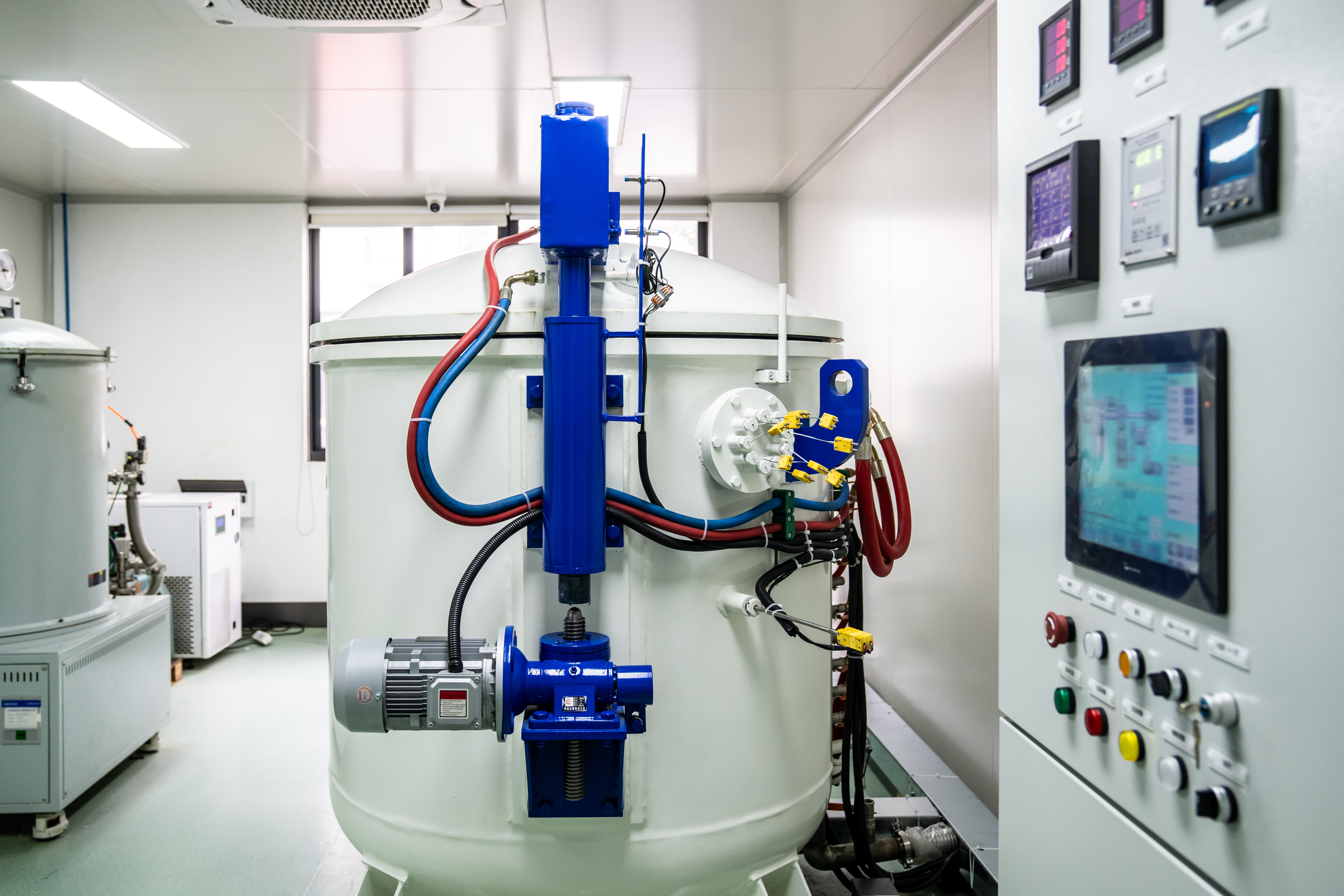
Versatile Atmosphere Control and Processing Flexibility
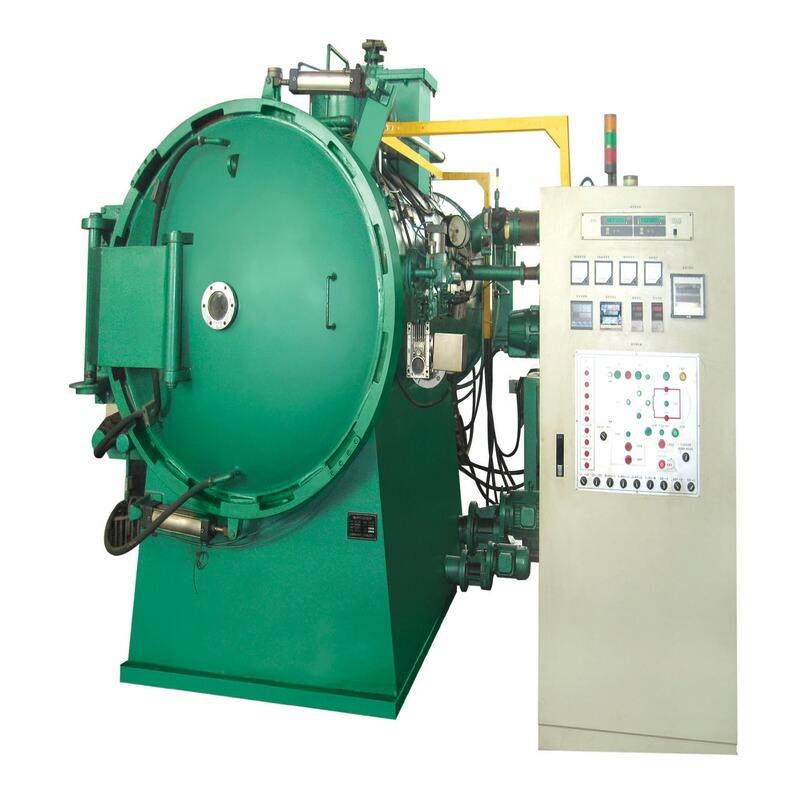
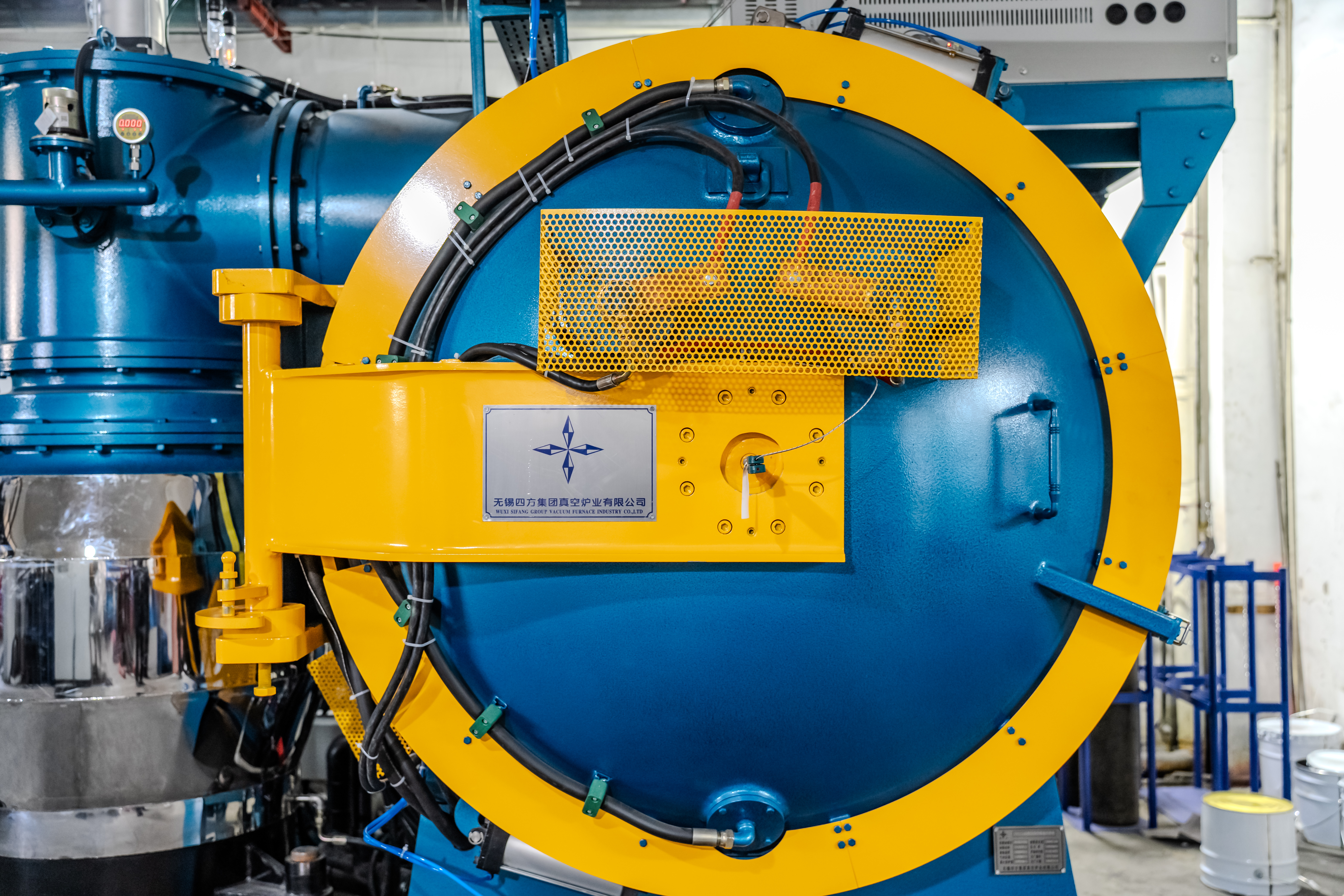
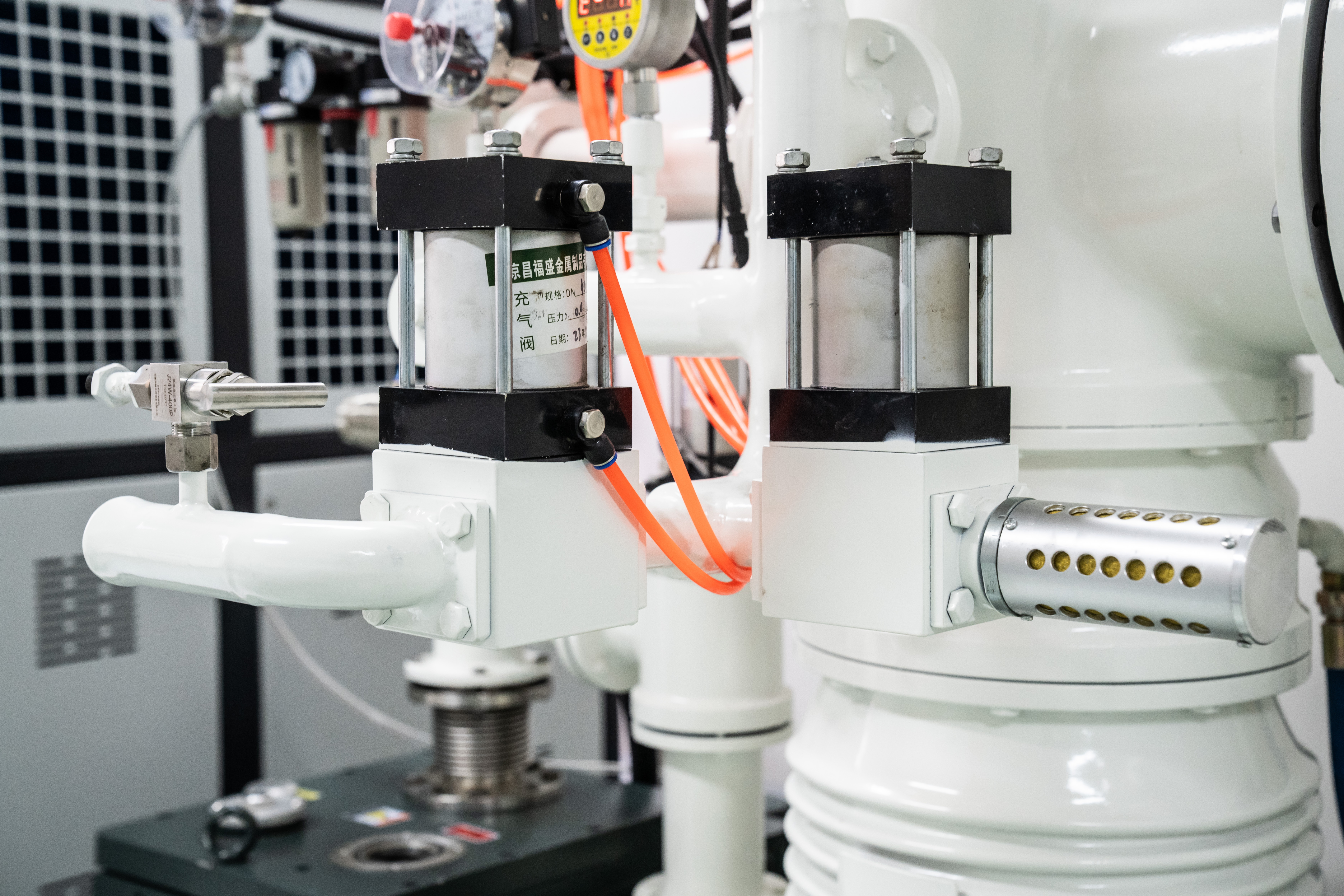
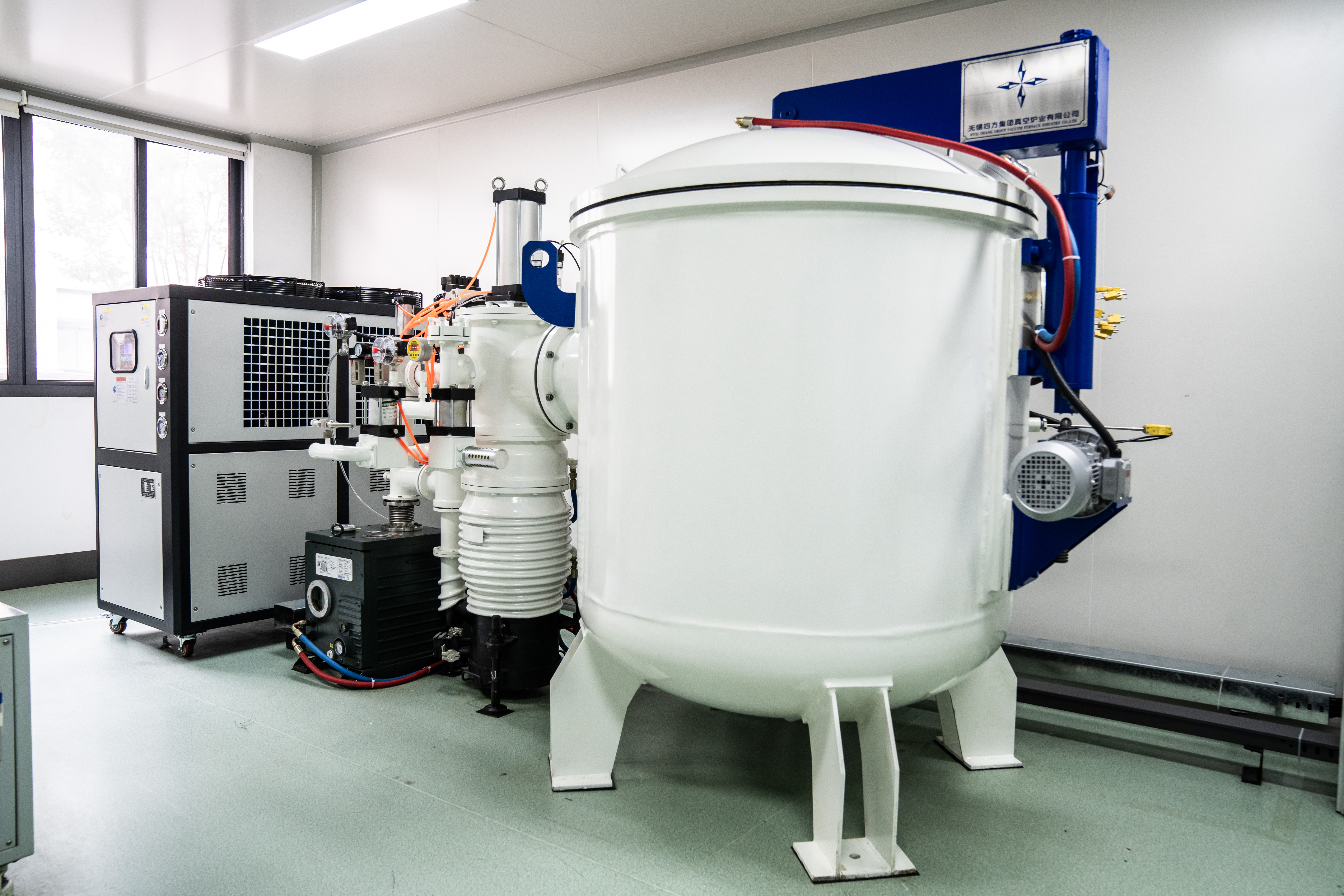
The laboratory special vacuum furnace offers exceptional atmosphere control and processing flexibility that enables researchers to tailor environmental conditions precisely to their specific experimental requirements and material processing needs. This versatility extends far beyond simple vacuum operation, incorporating sophisticated gas handling systems that allow introduction of various atmospheric compositions during or after thermal treatments. Advanced models feature multiple gas input lines with independent flow control systems, enabling complex atmosphere recipes that can include inert gases like argon and helium, reactive gases such as hydrogen or nitrogen, or specialized gas mixtures for specific applications. The laboratory special vacuum furnace atmosphere control system provides precise regulation of gas partial pressures, allowing researchers to create oxidizing, reducing, or neutral environments as required for different materials and processes. Programmable atmosphere profiles enable dynamic changes in gas composition during heating cycles, supporting complex processes like staged sintering, controlled oxidation, or sequential chemical treatments. The vacuum capability combined with controlled atmosphere options makes the laboratory special vacuum furnace suitable for applications ranging from basic materials research to advanced manufacturing processes including powder metallurgy, ceramic processing, and electronic component fabrication. Gas purification systems ensure introduced atmospheres meet stringent purity requirements, while monitoring systems continuously track gas composition and flow rates to maintain precise environmental control. The flexibility extends to sample handling configurations, with removable fixtures, adjustable shelving systems, and custom sample holders that accommodate diverse specimen sizes and geometries. Temperature and atmosphere combinations possible in the laboratory special vacuum furnace enable unique processing routes not achievable with conventional equipment, opening new research possibilities and expanding the range of materials that can be successfully processed. Safety interlocks and automated control systems ensure safe operation across the full range of atmosphere and temperature combinations, protecting both operators and equipment while maintaining experimental integrity. This comprehensive atmosphere control capability makes the laboratory special vacuum furnace an invaluable tool for multidisciplinary research programs requiring diverse processing conditions and experimental flexibility.

 EN
EN