High Temperature Special Vacuum Furnace: Advanced Thermal Processing Solutions for Superior Materials Treatment

All Categories

Get a Free Quote

Our representative will contact you soon.
Email
Name
Company Name
Message
0/1000

high temperature special vacuum furnace

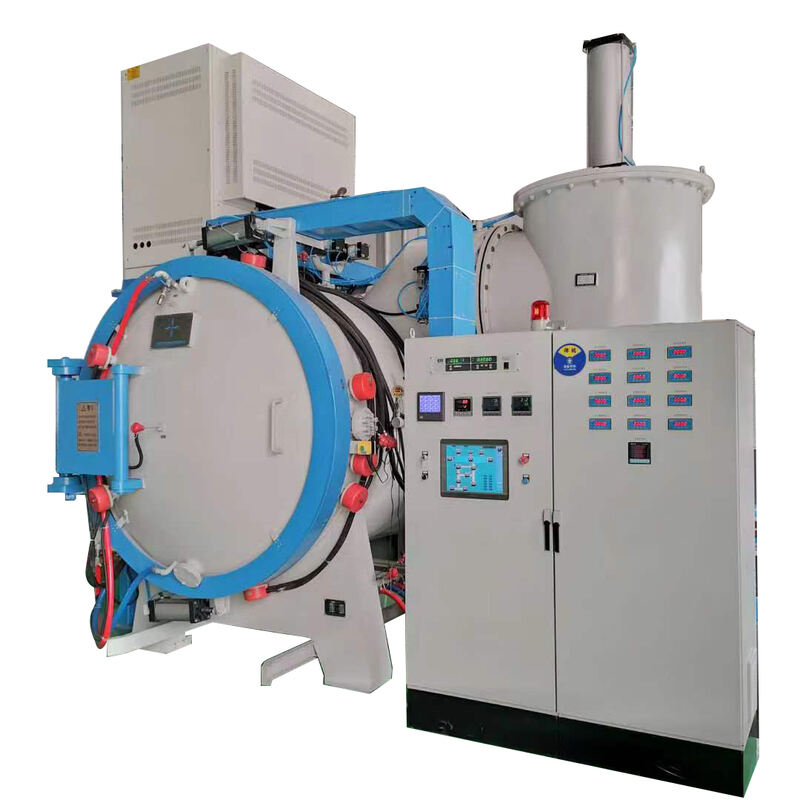
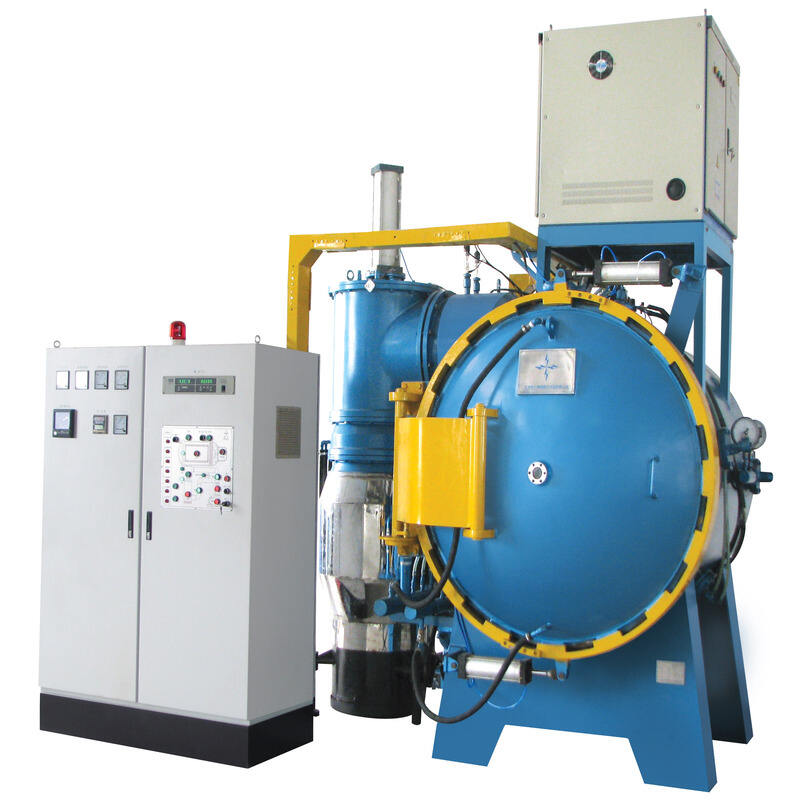
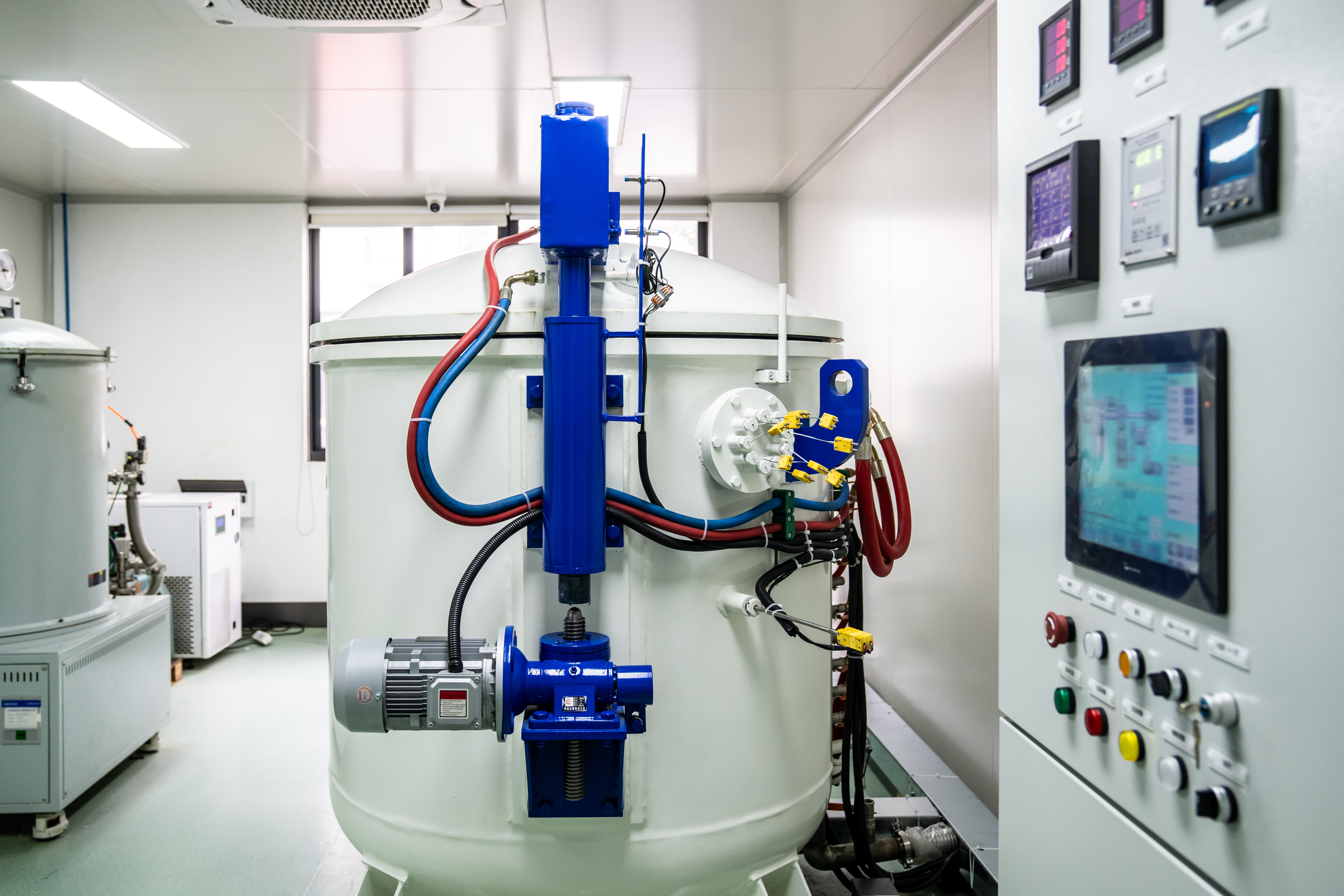
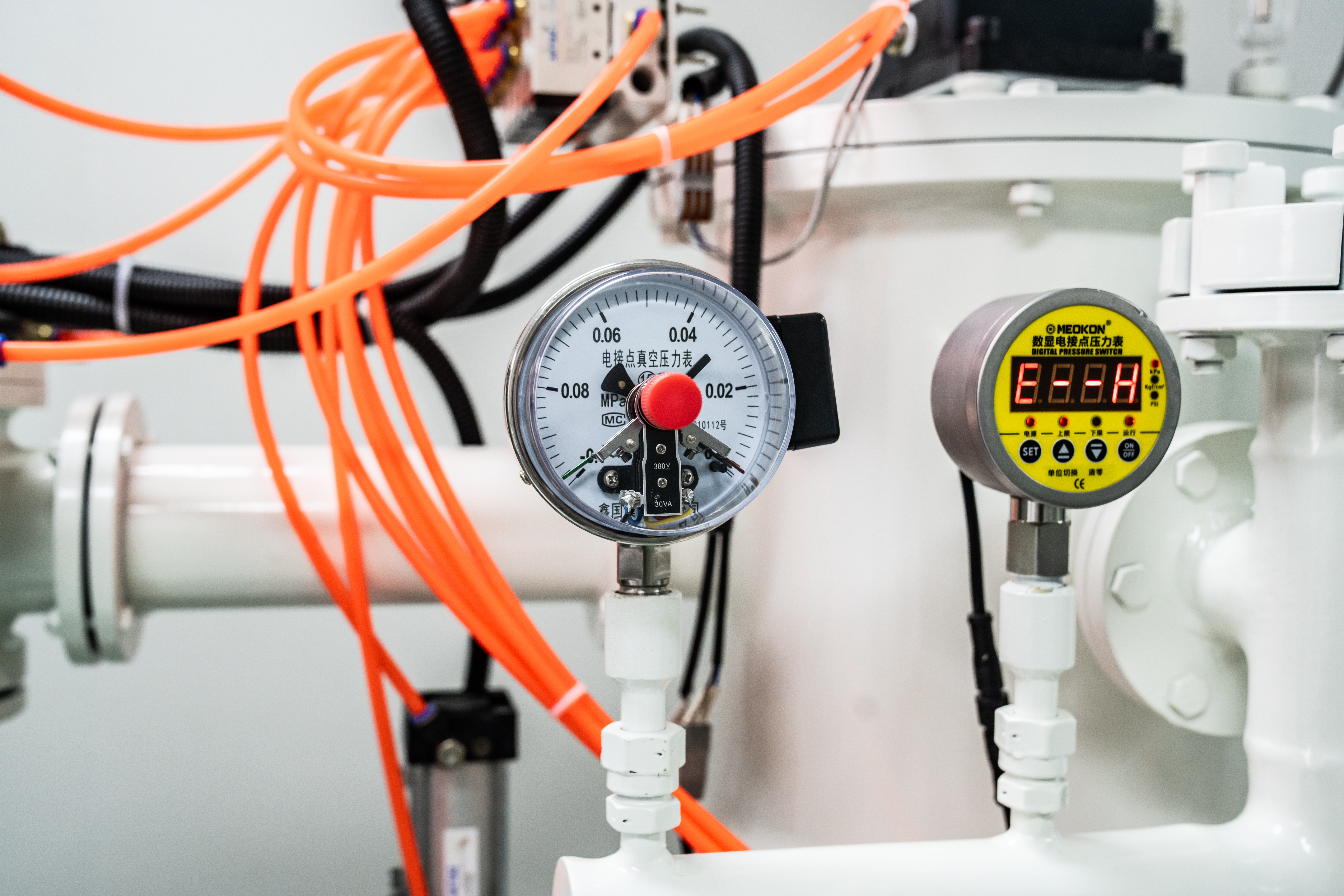
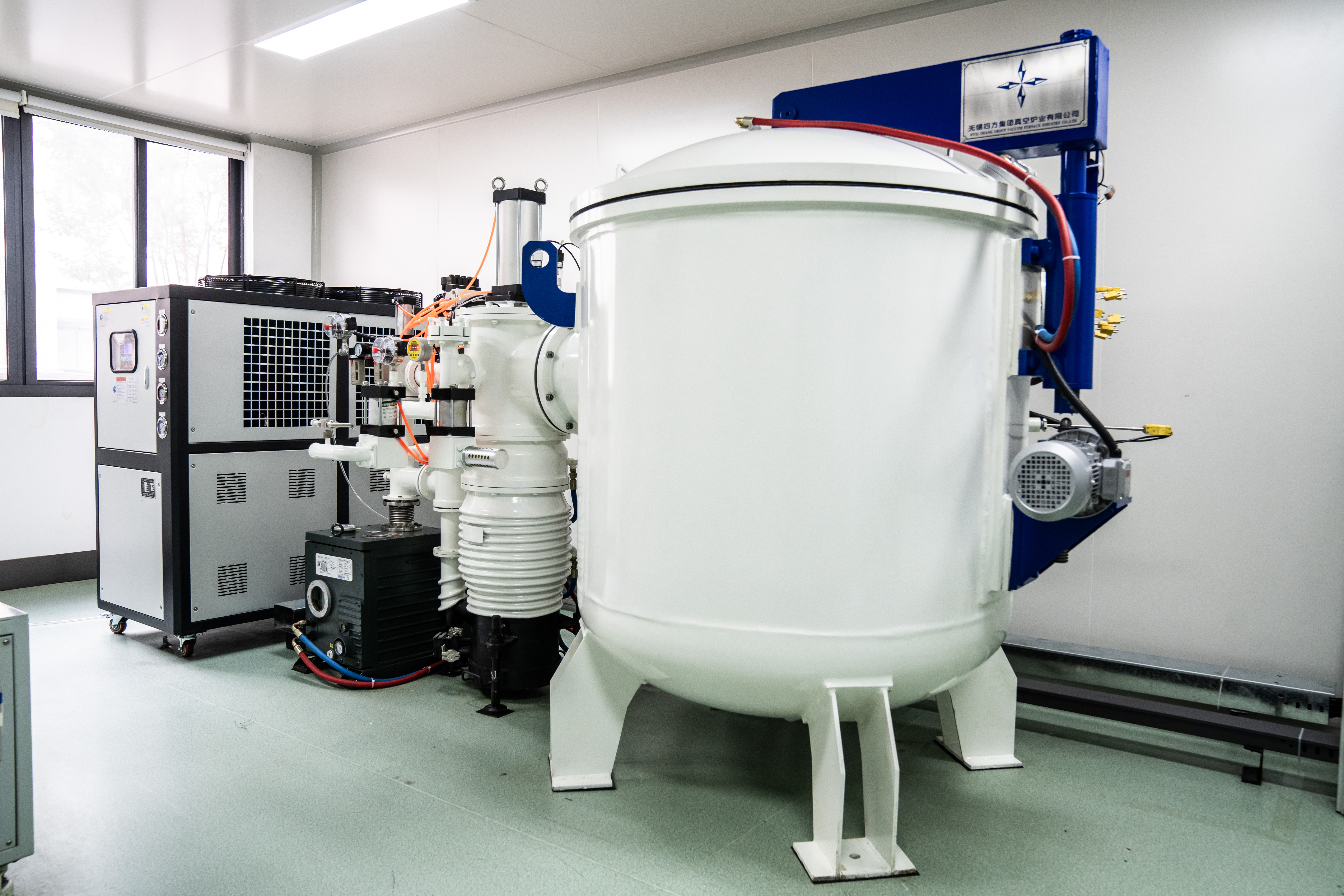
A high temperature special vacuum furnace represents cutting-edge thermal processing technology designed to perform critical heat treatment operations under precisely controlled atmospheric conditions. This sophisticated equipment operates by creating an oxygen-free environment while maintaining exceptionally high temperatures, typically ranging from 1000°C to 3000°C depending on specific model configurations. The primary function of these furnaces centers on eliminating oxidation, decarburization, and contamination during materials processing, making them indispensable for industries requiring ultra-pure heating environments. The technological architecture incorporates advanced vacuum pumping systems that achieve pressure levels as low as 10^-6 torr, ensuring complete atmospheric control throughout processing cycles. Modern high temperature special vacuum furnace units feature programmable temperature controllers with precise ramping capabilities, allowing operators to customize heating and cooling profiles according to specific material requirements. The chamber construction utilizes refractory materials capable of withstanding extreme temperatures while maintaining structural integrity over extended operational periods. These systems integrate sophisticated monitoring equipment that continuously tracks temperature uniformity, pressure levels, and processing parameters to ensure consistent results. Applications span across aerospace manufacturing, where components require stress relief and precipitation hardening without surface contamination. The semiconductor industry relies on these furnaces for crystal growth processes and wafer preparation procedures that demand contamination-free environments. Medical device manufacturing utilizes this technology for sterilization and material modification processes that enhance biocompatibility. Tool and die manufacturing sectors employ high temperature special vacuum furnace technology for hardening cutting tools and precision components while preventing surface oxidation. Research institutions leverage these systems for materials science investigations, alloy development, and experimental procedures requiring controlled atmospheric conditions. The versatility of high temperature special vacuum furnace equipment makes it suitable for both production and laboratory environments, offering scalable solutions for various processing volumes.

New Product Recommendations

The high temperature special vacuum furnace delivers exceptional performance benefits that directly translate into improved product quality and operational efficiency for manufacturing operations. This equipment eliminates surface oxidation completely, ensuring that processed materials maintain their original surface finish and dimensional accuracy throughout heating cycles. Unlike conventional atmospheric furnaces, the vacuum environment prevents contamination from airborne particles, moisture, and reactive gases that can compromise material properties and final product performance. Users experience significant cost savings through reduced material waste, as the controlled environment prevents scaling, decarburization, and other defects that typically require expensive post-processing operations or material rejection. The precise temperature control capabilities enable manufacturers to achieve consistent results across production runs, reducing quality variations and improving overall process reliability. Energy efficiency represents another major advantage, as the vacuum environment provides superior heat transfer characteristics and thermal insulation properties that reduce power consumption compared to traditional heating methods. Processing flexibility allows operators to handle diverse materials within the same equipment, from specialty alloys and ceramics to advanced composites and electronic components. The controlled atmosphere prevents unwanted chemical reactions that can alter material composition, ensuring that processed parts meet strict specification requirements. Maintenance costs remain minimal due to the absence of combustion processes and corrosive atmospheres that typically damage furnace components in conventional systems. The high temperature special vacuum furnace offers extended service life for heating elements and chamber components, resulting in lower replacement costs and reduced downtime. Safety benefits include elimination of combustible gases and reduced fire risks associated with atmospheric heating processes. The sealed chamber design contains potential hazards and prevents operator exposure to high-temperature materials during processing. Production scheduling becomes more predictable because the controlled environment eliminates weather-related humidity variations and atmospheric pressure changes that can affect conventional furnace performance. Quality control improves dramatically as the vacuum environment provides reproducible conditions that enable manufacturers to achieve consistent metallurgical transformations and material properties. These advantages combine to deliver superior return on investment through improved product quality, reduced operational costs, and enhanced manufacturing capabilities that position companies competitively in demanding markets.

Tips And Tricks

How Can a Metal Barrel Improve Safety in Industrial Material Storage?

26

Dec

How Can a Metal Barrel Improve Safety in Industrial Material Storage?

Industrial material storage presents numerous challenges that require robust, reliable solutions to ensure workplace safety and operational efficiency. Among the various storage options available, the metal barrel has emerged as a cornerstone of secu...
View More
Why Is Metal Barrel Corrosion Protection Important for Industrial Use?

26

Dec

Why Is Metal Barrel Corrosion Protection Important for Industrial Use?

Industrial operations across manufacturing, chemical processing, and petroleum sectors rely heavily on metal barrels for storage and transportation of various materials. These containers face constant exposure to corrosive elements that can compromis...
View More
How Do Small and Intermediate Steel Drums Enhance Chemical Storage Safety?

26

Dec

How Do Small and Intermediate Steel Drums Enhance Chemical Storage Safety?

Chemical storage safety remains a critical concern for industries handling hazardous substances, where the choice of containers can make the difference between secure operations and catastrophic incidents. Small and intermediate steel drums have emer...
View More
What Applications Benefit Most From Small and Intermediate Steel Drums?

30

Dec

What Applications Benefit Most From Small and Intermediate Steel Drums?

Industrial packaging solutions have evolved significantly over the decades, with small and intermediate steel drums emerging as essential containers for countless applications across diverse sectors. These versatile vessels offer superior protection,...
View More

Get a Free Quote

Our representative will contact you soon.
Email
Name
Company Name
Message
0/1000

high temperature special vacuum furnace

Advanced Vacuum Technology for Superior Material Purity

Advanced Vacuum Technology for Superior Material Purity

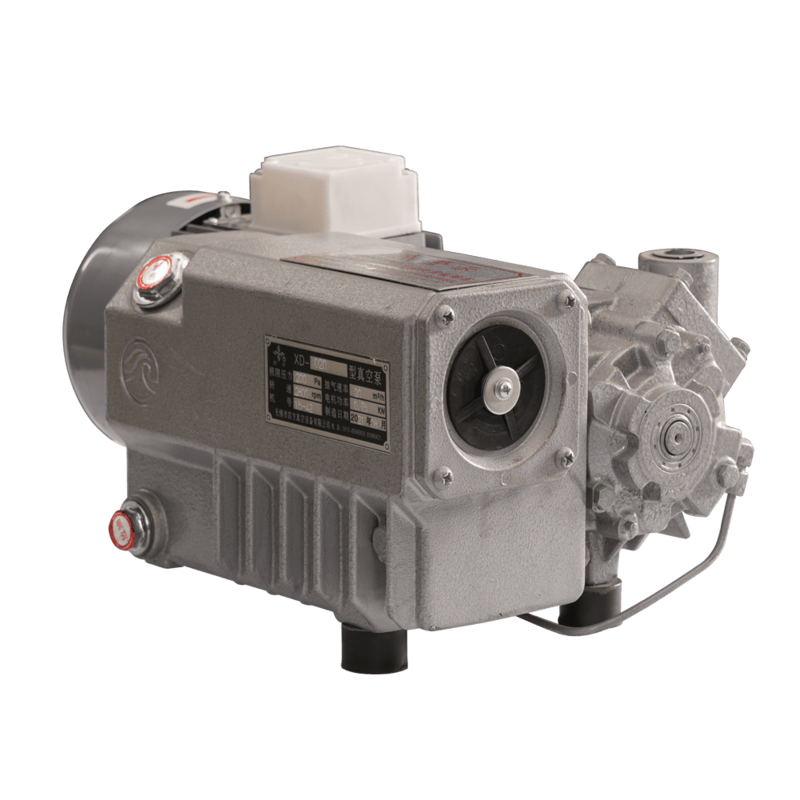
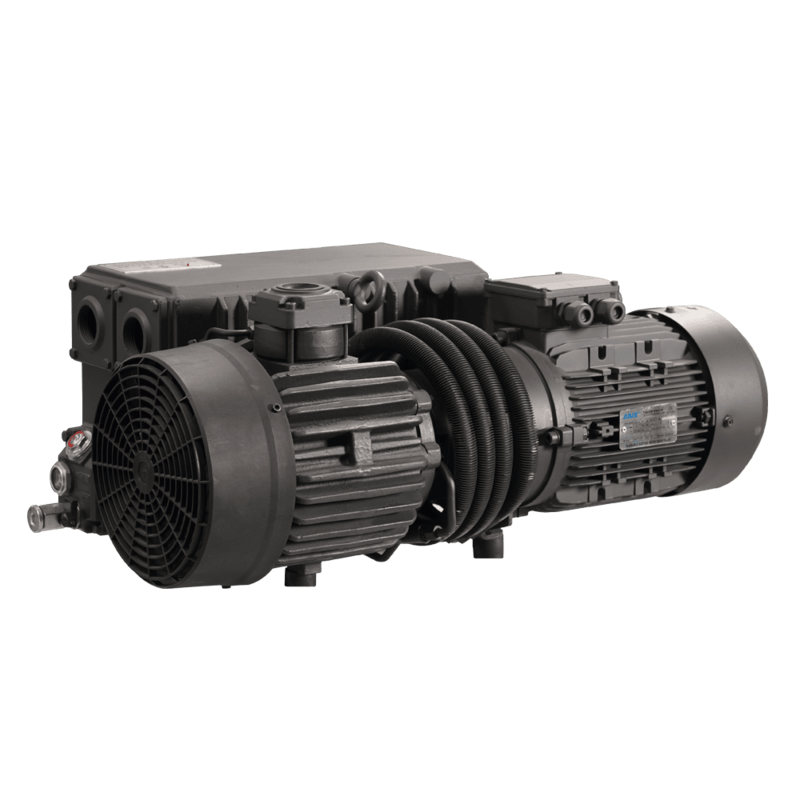
The cornerstone of any high temperature special vacuum furnace lies in its sophisticated vacuum generation and maintenance system, which creates an ultra-clean processing environment essential for premium quality results. This technology employs multi-stage pumping systems that combine mechanical roughing pumps with high-vacuum turbomolecular or diffusion pumps to achieve ultimate pressures below 10^-6 torr. Such low pressure levels effectively eliminate oxygen, nitrogen, water vapor, and other reactive gases that would otherwise interact with heated materials and cause unwanted chemical reactions. The vacuum environment prevents oxidation scaling that typically forms on metal surfaces during conventional heating, eliminating the need for costly surface preparation and finishing operations after heat treatment. This capability proves particularly valuable when processing expensive materials like titanium alloys, superalloys, and specialty steels where surface quality directly impacts performance characteristics. The system incorporates precision leak detection equipment and automated monitoring controls that continuously verify chamber integrity and atmospheric purity throughout processing cycles. Advanced gas ballasting systems allow controlled introduction of inert gases when specific atmospheric conditions are required for particular processes, providing flexibility while maintaining contamination control. The vacuum technology enables processing of materials that would be impossible to heat treat in atmospheric conditions, such as reactive metals and composites containing temperature-sensitive components. Energy transfer efficiency improves significantly in vacuum conditions due to reduced convective heat loss, allowing more precise temperature control and uniform heating patterns across processed components. The absence of atmospheric gases eliminates convection currents that can cause temperature variations and uneven heating in conventional furnaces. This controlled environment enables manufacturers to achieve consistent metallurgical transformations and material properties that meet stringent aerospace, medical, and electronics industry standards. The investment in advanced vacuum technology pays dividends through eliminated rework, reduced scrap rates, and the ability to process high-value materials that command premium pricing in specialized markets.
Exceptional Temperature Control and Uniformity

Exceptional Temperature Control and Uniformity

Temperature precision and uniformity represent critical performance factors that distinguish high temperature special vacuum furnace systems from conventional heating equipment, delivering unmatched control over thermal processing parameters. These furnaces incorporate sophisticated heating element configurations designed to provide uniform temperature distribution across the entire work zone, eliminating hot spots and cold areas that can cause inconsistent material properties. Advanced control systems utilize multiple temperature sensors strategically positioned throughout the chamber to continuously monitor thermal conditions and automatically adjust heating element output to maintain precise temperature profiles. The programmable controllers offer ramping rates as slow as 1°C per minute for sensitive materials or as rapid as 50°C per minute for production efficiency, with temperature accuracy maintained within ±2°C throughout the operating range. Thermal uniformity surveys typically demonstrate temperature variations less than ±5°C across standard work zones, ensuring that all processed components receive identical heat treatment regardless of their position within the furnace chamber. The vacuum environment enhances temperature control by eliminating convective heat transfer and reducing thermal losses through the chamber walls, resulting in more stable and predictable heating conditions. Multi-zone heating configurations allow independent control of different chamber regions, enabling gradient heating profiles or simultaneous processing of materials requiring different temperature treatments. Advanced insulation systems utilizing ceramic fiber blankets and refractory metal heat shields minimize energy consumption while maintaining temperature stability during extended processing cycles. The high temperature special vacuum furnace systems incorporate sophisticated data logging capabilities that record temperature profiles throughout each processing cycle, providing complete traceability and documentation for quality assurance purposes. Rapid cooling capabilities utilizing controlled gas backfilling or water-cooled chamber walls enable precise control over cooling rates, which proves essential for achieving specific metallurgical structures and material properties. Temperature calibration systems with certified reference standards ensure long-term accuracy and compliance with industry quality standards, reducing calibration costs and maintaining process validation requirements. This exceptional temperature control capability enables manufacturers to optimize material properties, reduce processing times, and achieve consistent results that meet the most demanding application requirements.
Versatile Processing Capabilities for Diverse Applications

Versatile Processing Capabilities for Diverse Applications

The remarkable versatility of high temperature special vacuum furnace technology enables manufacturers to consolidate multiple thermal processing operations into a single equipment platform, maximizing capital investment efficiency while expanding production capabilities. These systems accommodate an extensive range of materials including ferrous and non-ferrous metals, ceramics, composites, electronic components, and advanced materials that require specialized atmospheric conditions during heating. Process flexibility extends from simple stress relief operations requiring moderate temperatures to complex precipitation hardening treatments demanding precise thermal cycling at maximum operating temperatures. The controlled atmosphere capabilities allow various processing modes including high vacuum for maximum purity, partial pressure operations using inert gases for specific metallurgical reactions, and controlled atmosphere conditions utilizing hydrogen or other reducing gases for specialized applications. Load configurations can be customized using removable fixtures, hanging systems, or specialized tooling designed for specific component geometries, accommodating everything from small precision parts to large structural components weighing several hundred pounds. The high temperature special vacuum furnace systems support diverse cycle types including continuous heating for production efficiency, interrupted quenching for specialized heat treatments, and complex thermal profiles involving multiple temperature plateaus and controlled cooling segments. Batch processing capabilities enable simultaneous treatment of different part types when thermal requirements are compatible, maximizing furnace utilization and reducing per-part processing costs. The equipment handles various finishing operations including brazing, sintering, annealing, solution treatment, aging, and stress relieving, eliminating the need for multiple specialized furnaces in many manufacturing operations. Advanced process monitoring and control systems provide real-time feedback on critical parameters, enabling operators to optimize processing conditions for new materials or modified component designs. Research and development applications benefit from the precise control capabilities that enable systematic investigation of material behavior under controlled thermal conditions, supporting innovation in advanced materials and manufacturing processes. Quality certification compliance is simplified through comprehensive documentation systems that automatically record processing parameters and generate reports meeting aerospace, medical device, and other industry standards. This versatility translates into significant operational advantages including reduced equipment investment, simplified facility planning, improved process control, and enhanced capability to respond to changing market demands and customer requirements.


Get a Free Quote

Our representative will contact you soon.
Email
Name
Company Name
Message
0/1000