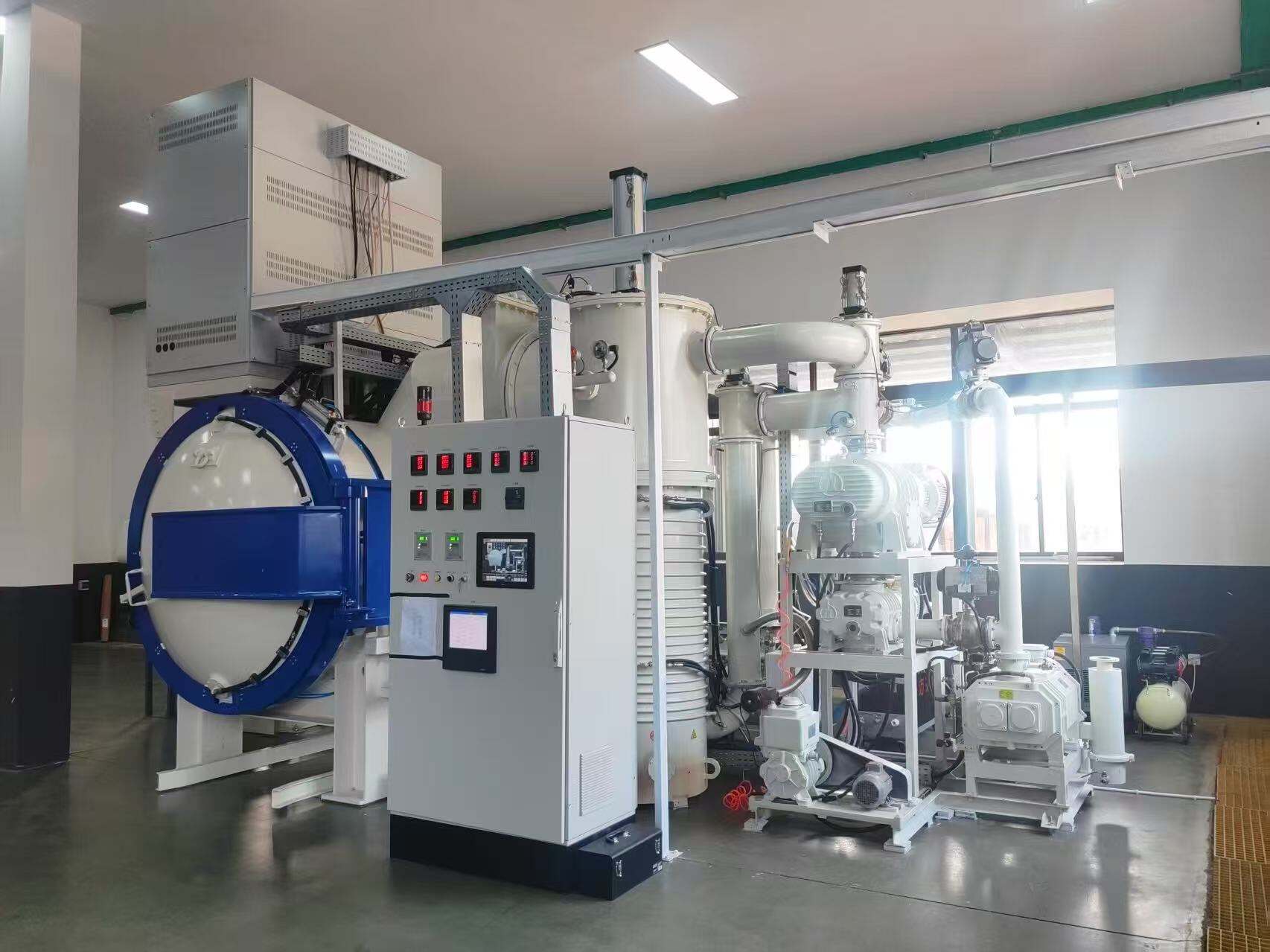
High Quality Vacuum Sintering Furnace - Advanced Thermal Processing Solutions

All Categories

Get a Free Quote

Our representative will contact you soon.
Email
Name
Company Name
Message
0/1000

high quality vacuum sintering furnace

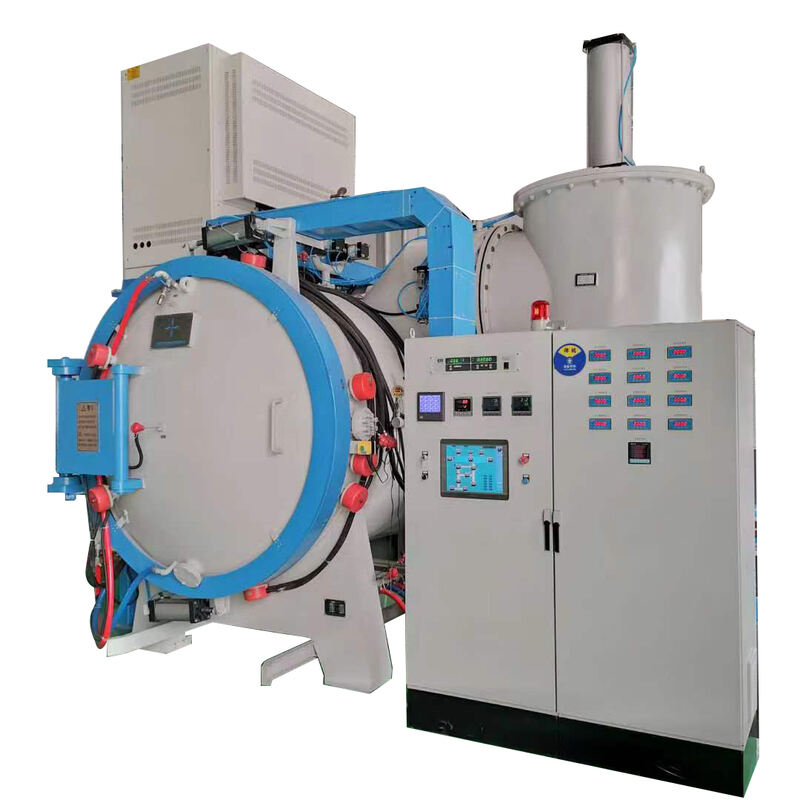
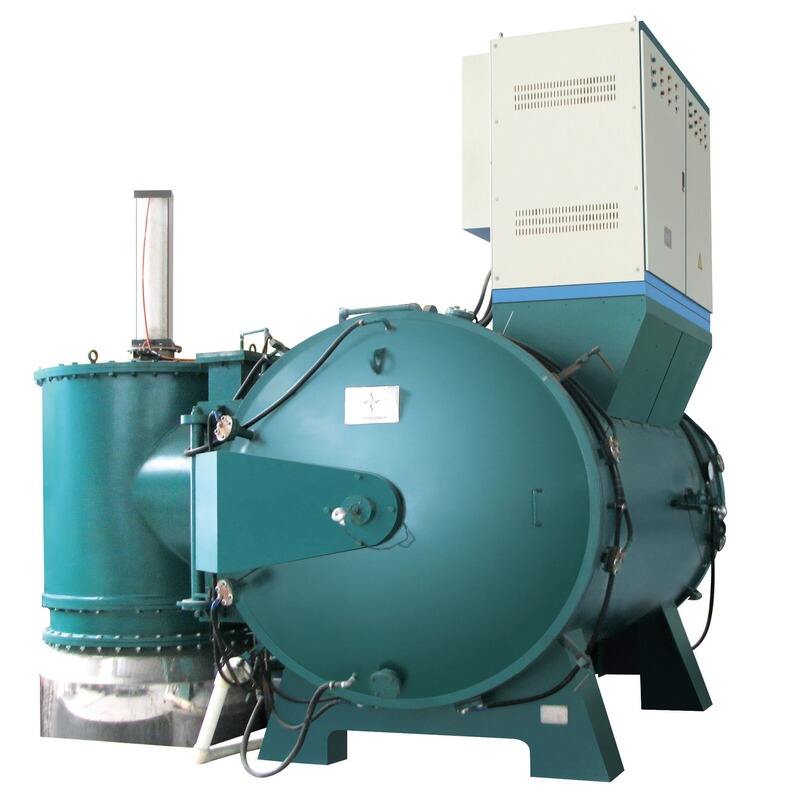
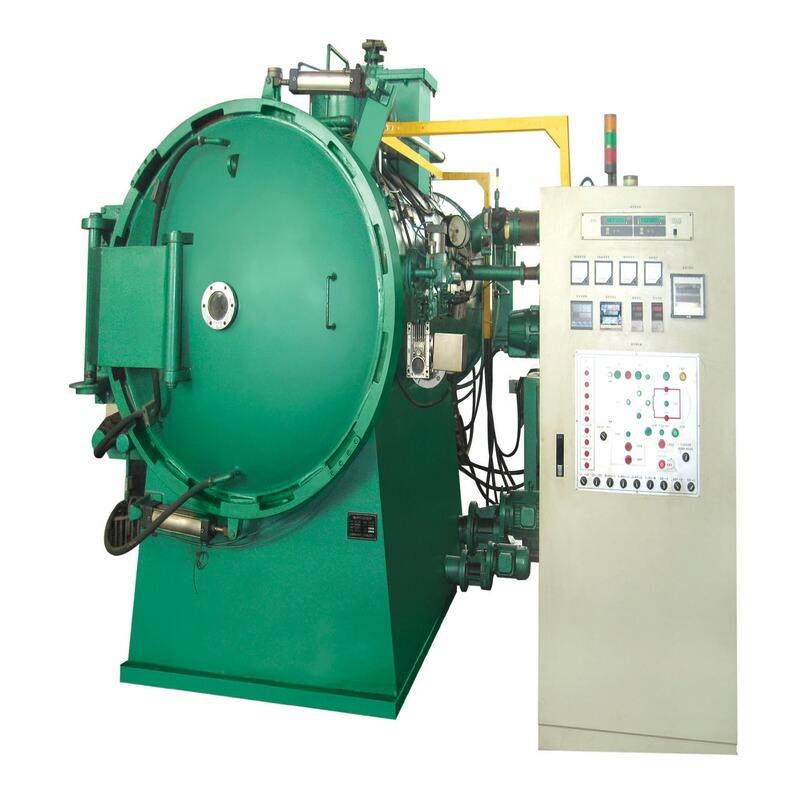
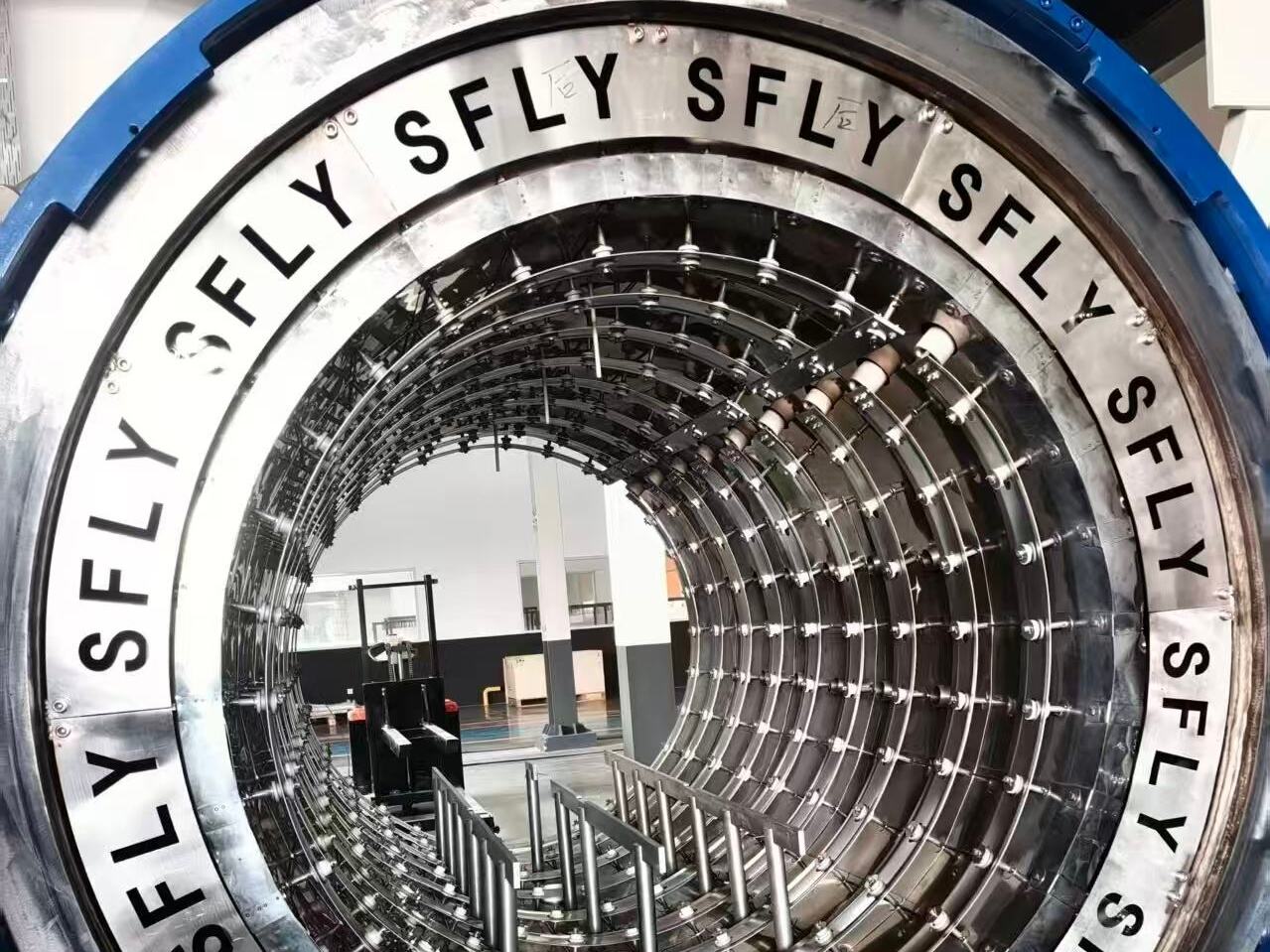
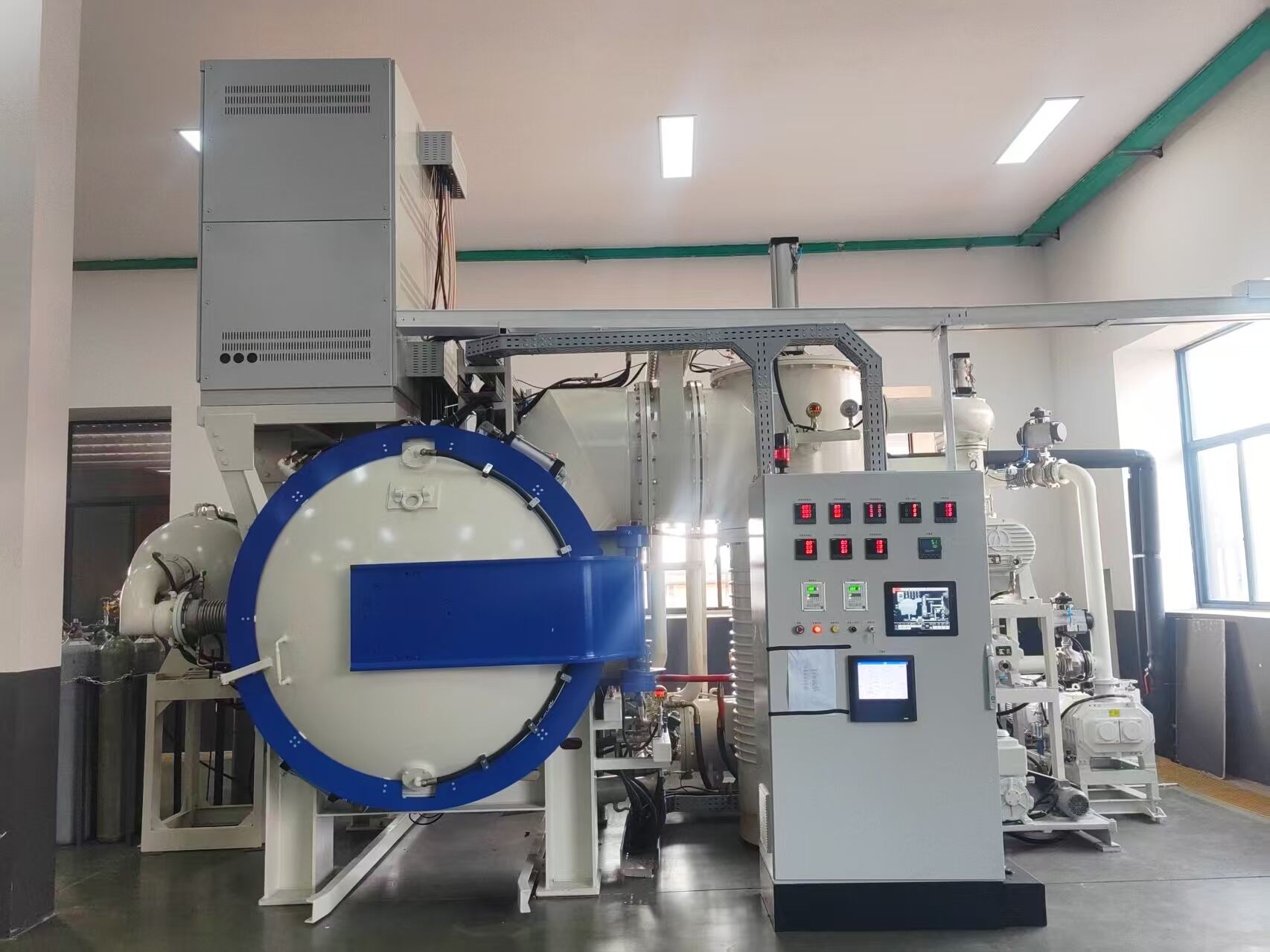
A high quality vacuum sintering furnace represents the pinnacle of advanced thermal processing technology, designed to deliver exceptional performance in materials processing applications. This sophisticated equipment operates by removing atmospheric gases from the processing chamber, creating a controlled vacuum environment that enables precise temperature control and optimal material transformation. The vacuum sintering process occurs within a sealed chamber where oxygen and other reactive gases are eliminated, preventing oxidation and contamination during high-temperature treatments. The high quality vacuum sintering furnace incorporates state-of-the-art heating elements, advanced temperature control systems, and robust chamber construction to ensure consistent and reliable results. These furnaces typically feature multiple heating zones with independent temperature monitoring, allowing operators to maintain uniform heat distribution throughout the processing cycle. The technological framework includes sophisticated vacuum pumping systems, precise gas flow controls, and automated process monitoring capabilities. Key functions encompass powder metallurgy processing, ceramic sintering, metal injection molding, and specialized material treatments requiring contamination-free environments. The equipment supports various sintering profiles, from rapid heating cycles to extended temperature holds, accommodating diverse material requirements. Modern high quality vacuum sintering furnace systems integrate digital controls, data logging capabilities, and remote monitoring features for enhanced operational efficiency. Applications span across aerospace, automotive, medical device manufacturing, electronics, and research institutions where material purity and structural integrity are paramount. The furnace design incorporates advanced insulation materials, water-cooling systems, and safety interlocks to ensure operator protection and equipment longevity. These systems can process materials ranging from refractory metals to advanced ceramics, delivering superior mechanical properties and surface finish quality compared to conventional atmospheric sintering methods.


New Product Recommendations

The high quality vacuum sintering furnace delivers numerous compelling benefits that directly impact manufacturing efficiency and product quality. First, these systems eliminate oxidation completely by removing oxygen from the processing environment, resulting in cleaner, stronger final products with enhanced mechanical properties. This oxygen-free atmosphere prevents the formation of oxide layers that typically weaken material bonds and compromise structural integrity. Manufacturers achieve superior density control because vacuum conditions allow particles to bond more effectively without atmospheric interference. The controlled environment enables precise temperature uniformity across the entire workload, ensuring consistent results from batch to batch. Energy efficiency represents another significant advantage, as vacuum insulation reduces heat loss and allows faster heating cycles. The high quality vacuum sintering furnace reduces processing time by up to thirty percent compared to conventional methods, directly increasing production throughput. Material waste decreases substantially because the controlled atmosphere prevents contamination and defects that typically require part rejection. These furnaces handle a broader range of materials, including reactive metals and specialized alloys that cannot be processed in standard atmospheric conditions. Quality improvement extends beyond basic material properties, with vacuum sintering producing parts with better surface finish and dimensional accuracy. The process eliminates decarburization, a common problem in atmospheric sintering that weakens carbon-containing materials. Operating costs decrease over time due to reduced maintenance requirements and longer component life. The automated controls minimize operator intervention while maintaining consistent process parameters. These systems support lean manufacturing principles by reducing defect rates and improving first-pass yield. Environmental benefits include reduced emissions and elimination of process gases typically required in atmospheric sintering. The versatility of high quality vacuum sintering furnace technology allows manufacturers to expand their processing capabilities without investing in multiple specialized systems. Safety improvements result from enclosed processing and automated handling systems that reduce operator exposure to high temperatures and hazardous materials.

Practical Tips

Why Do Inner Coating Steel Drums Provide Better Protection for Sensitive Materials?

23

Jan

Why Do Inner Coating Steel Drums Provide Better Protection for Sensitive Materials?

The protection of sensitive materials during storage and transportation has become increasingly critical in today's industrial landscape. Industries handling chemicals, pharmaceuticals, and specialty materials require containers that offer superior p...
View More
How Can Inner Coating Steel Drums Extend Shelf Life for Corrosive Products?

23

Jan

How Can Inner Coating Steel Drums Extend Shelf Life for Corrosive Products?

The storage and transportation of corrosive chemicals present significant challenges for industrial operations, requiring specialized containment solutions that can withstand aggressive substances while maintaining product integrity. Inner coating st...
View More
How Do Composite Drums Combine Strength and Chemical Resistance Effectively?

25

Feb

How Do Composite Drums Combine Strength and Chemical Resistance Effectively?

Modern industrial packaging demands containers that can withstand both mechanical stress and chemical exposure without compromising product integrity. Composite drums have emerged as the optimal solution for industries requiring reliable storage and ...
View More
How Does a Stainless Steel Drum Support Long-Term Material Storage?

25

Feb

How Does a Stainless Steel Drum Support Long-Term Material Storage?

Industrial material storage presents complex challenges that require robust, reliable solutions capable of maintaining product integrity over extended periods. A stainless steel drum serves as an exceptional storage vessel, offering unparalleled prot...
View More

Get a Free Quote

Our representative will contact you soon.
Email
Name
Company Name
Message
0/1000

high quality vacuum sintering furnace

Advanced Temperature Control and Uniformity

Advanced Temperature Control and Uniformity

The high quality vacuum sintering furnace incorporates revolutionary temperature control technology that sets new standards for thermal processing precision. This sophisticated system utilizes multiple independent heating zones with individual temperature sensors and control circuits, ensuring uniform heat distribution throughout the entire processing chamber. The advanced control algorithms continuously monitor and adjust power delivery to each heating element, compensating for thermal variations and maintaining temperature uniformity within plus or minus two degrees across the entire workload. This precision control directly translates to superior product quality, as consistent temperatures ensure uniform material properties throughout processed parts. The system features rapid heating capabilities, reaching target temperatures up to fifty percent faster than conventional furnaces while maintaining strict temperature stability. Programmable temperature profiles allow operators to customize heating and cooling curves for specific materials and applications, optimizing sintering conditions for maximum density and strength. The high quality vacuum sintering furnace incorporates advanced thermocouples and pyrometric sensors positioned strategically throughout the chamber to provide real-time temperature feedback. This comprehensive monitoring system enables predictive maintenance by identifying heating element degradation before failure occurs. The temperature control system integrates seamlessly with process documentation requirements, automatically recording temperature data for quality assurance and regulatory compliance. Advanced insulation materials and chamber design minimize heat loss, reducing energy consumption while maintaining temperature stability. The system supports both isothermal and gradient sintering processes, accommodating diverse material requirements and specialized applications. Emergency safety systems provide immediate temperature control in case of equipment malfunction, protecting both products and equipment investment. This temperature control excellence directly benefits manufacturers through improved product consistency, reduced scrap rates, enhanced mechanical properties, and increased production efficiency.
Superior Vacuum Technology and Contamination Prevention

Superior Vacuum Technology and Contamination Prevention

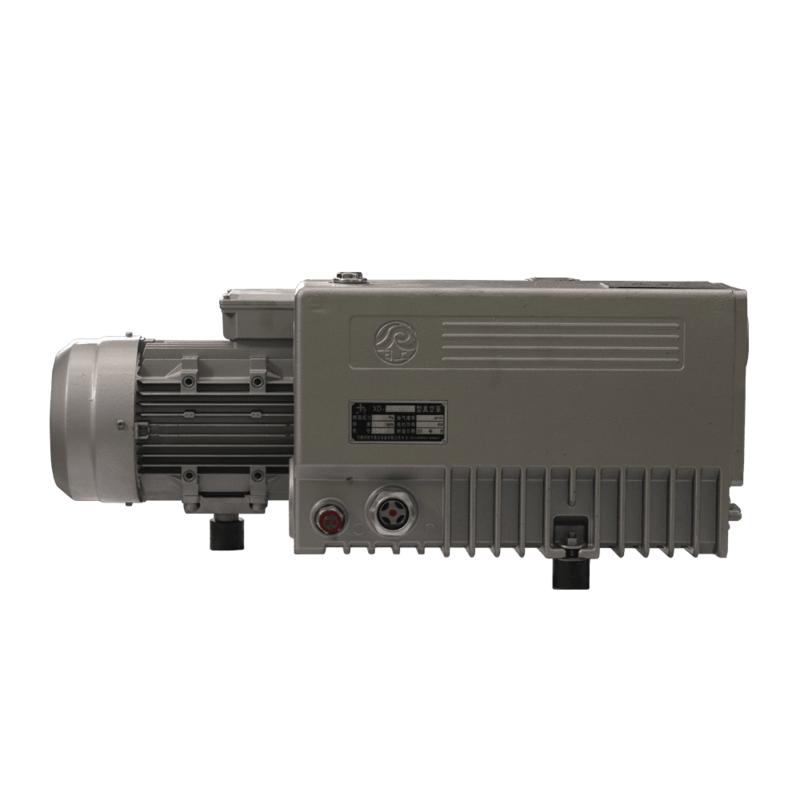
The vacuum technology integrated into the high quality vacuum sintering furnace represents cutting-edge engineering designed to create and maintain ultra-clean processing environments. The sophisticated pumping system combines roughing pumps, turbo-molecular pumps, and ion pumps to achieve vacuum levels below one millitorr, effectively eliminating atmospheric contaminants that compromise material quality. This multi-stage vacuum approach ensures rapid pump-down times while maintaining stable vacuum levels throughout extended processing cycles. The vacuum chamber construction utilizes premium stainless steel with specialized surface treatments to minimize outgassing and prevent contamination introduction. Advanced sealing technology employs multiple redundant systems including O-rings, metal seals, and magnetic fluid seals to maintain vacuum integrity under extreme temperature conditions. The high quality vacuum sintering furnace features automated leak detection systems that continuously monitor vacuum levels and identify potential seal degradation before contamination occurs. Gas purging capabilities allow introduction of protective atmospheres such as argon or hydrogen when required for specific material processing needs. The vacuum technology eliminates oxidation completely, preventing the formation of oxide scales that weaken material bonds and compromise surface quality. This contamination-free environment enables processing of reactive materials including titanium, tungsten, and specialized alloys that cannot be sintered in atmospheric conditions. The system supports controlled atmosphere sintering by introducing precise gas compositions while maintaining contamination-free conditions. Vacuum levels remain stable throughout temperature cycling, ensuring consistent processing conditions from start to finish. The technology extends beyond contamination prevention to enable enhanced material properties through controlled degassing and void elimination. Advanced vacuum monitoring systems provide real-time data logging for process validation and quality assurance documentation. This superior vacuum technology directly benefits manufacturers through improved material purity, enhanced mechanical properties, expanded material processing capabilities, and elimination of post-processing cleaning requirements.
Automated Process Control and Enhanced Productivity

Automated Process Control and Enhanced Productivity

The high quality vacuum sintering furnace incorporates state-of-the-art automation technology that revolutionizes manufacturing productivity and operational efficiency. The comprehensive control system features advanced programmable logic controllers, intuitive human-machine interfaces, and sophisticated process monitoring capabilities that minimize operator intervention while maximizing production output. Automated loading and unloading systems reduce manual handling, improving safety while decreasing cycle times between batches. The intelligent process control monitors critical parameters including temperature, vacuum level, gas flow rates, and heating element performance, automatically adjusting conditions to maintain optimal sintering parameters. Recipe management systems store hundreds of processing profiles, allowing operators to quickly select and implement proven parameters for specific materials and part geometries. The high quality vacuum sintering furnace features predictive maintenance capabilities that analyze equipment performance data to schedule maintenance activities before component failures occur. Real-time data acquisition systems capture and store comprehensive process information for quality assurance, regulatory compliance, and process optimization analysis. Remote monitoring capabilities enable operators to oversee multiple furnaces from centralized control stations, improving resource utilization and response times. Automated alarm systems immediately notify operators of parameter deviations, equipment malfunctions, or safety concerns, enabling rapid corrective action. The control system integrates with manufacturing execution systems and enterprise resource planning software, providing seamless data flow throughout the production environment. Statistical process control features automatically track quality metrics and identify trends that indicate process optimization opportunities. Energy management systems optimize power consumption by coordinating heating cycles and standby modes based on production schedules. The automation technology reduces operator training requirements through intuitive interfaces and guided operating procedures. Quality documentation generates automatically, eliminating manual record-keeping while ensuring complete traceability. This comprehensive automation directly benefits manufacturers through increased throughput, reduced labor costs, improved product consistency, enhanced safety, and streamlined quality assurance processes.

Get a Free Quote

Our representative will contact you soon.
Email
Name
Company Name
Message
0/1000