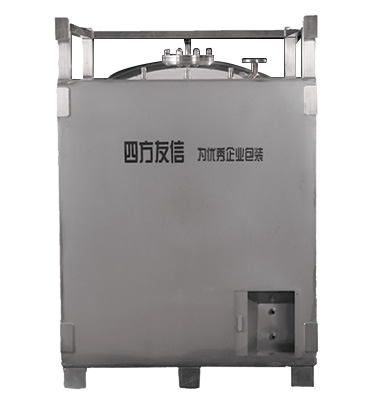
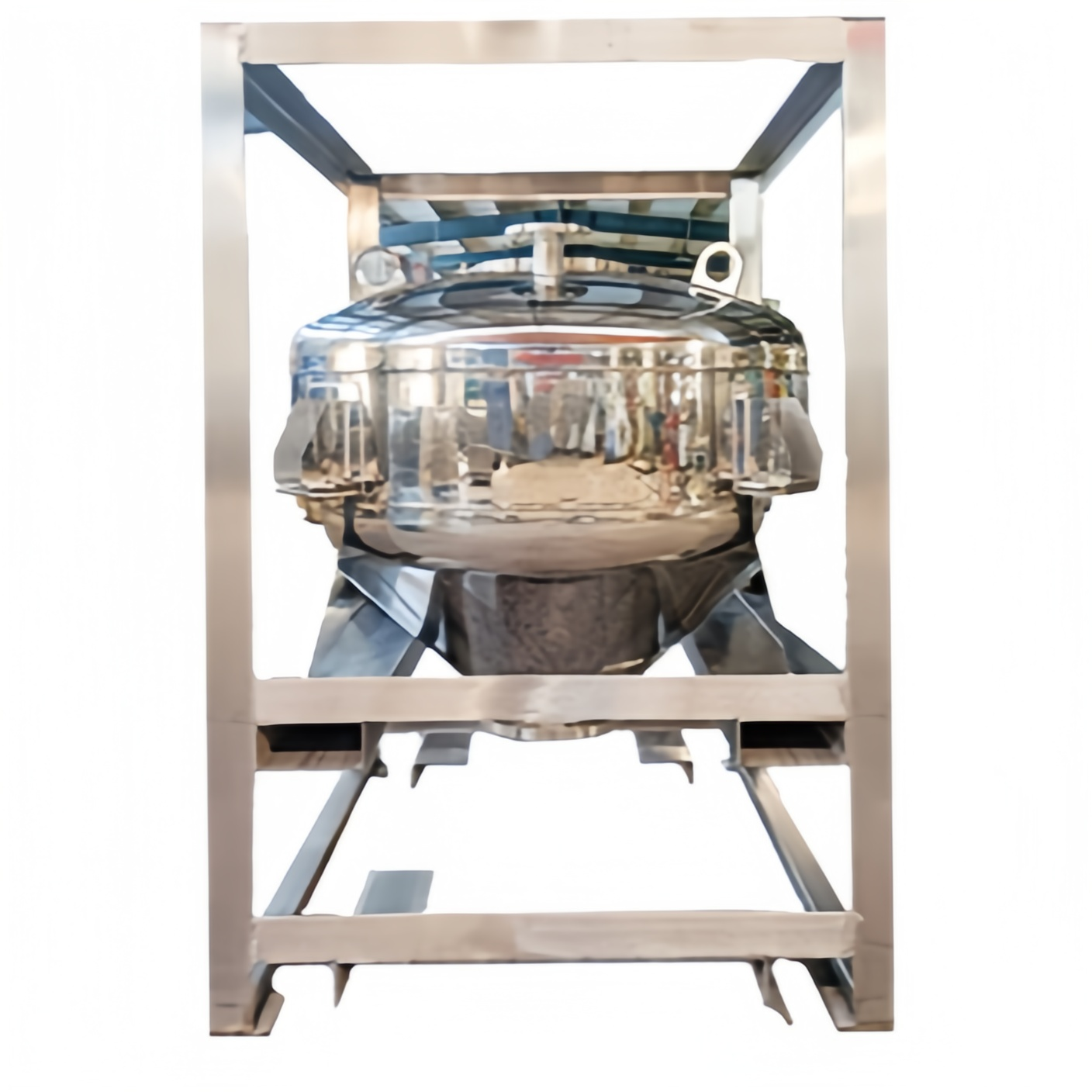
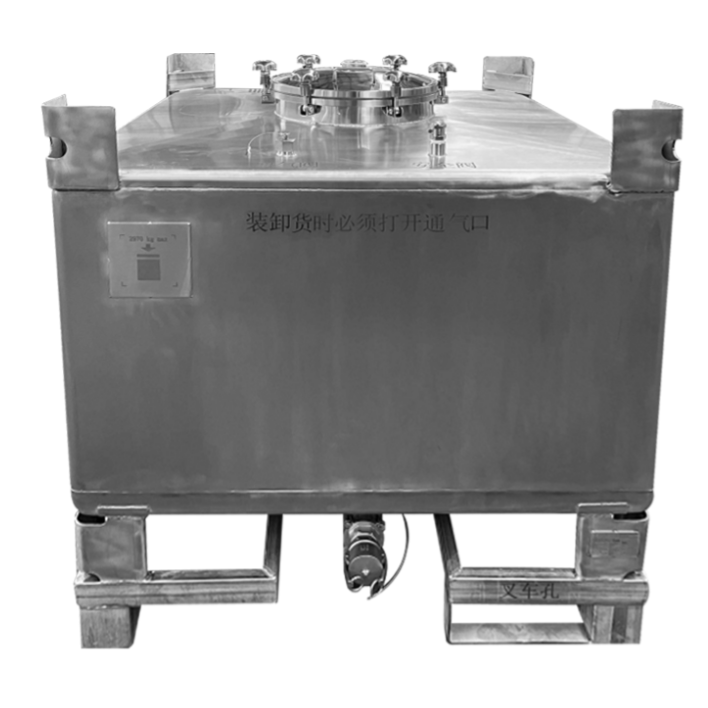
stainless steel drum price
The stainless steel drum price represents a crucial investment consideration for industries requiring reliable, durable storage and transportation solutions. These precision-engineered containers serve as essential components in chemical processing, pharmaceutical manufacturing, food production, and hazardous material handling operations. Understanding stainless steel drum pricing involves evaluating multiple factors including material grade, manufacturing specifications, capacity requirements, and specialized features that directly impact operational efficiency. Modern stainless steel drums incorporate advanced metallurgical technologies, featuring corrosion-resistant alloys that maintain structural integrity under extreme conditions. The technological sophistication extends beyond basic construction, encompassing specialized welding techniques, precision-machined components, and quality assurance protocols that ensure consistent performance standards. Applications span diverse sectors where contamination prevention and material compatibility remain paramount concerns. Pharmaceutical companies utilize these drums for active ingredient storage, while chemical processors rely on their resistance to aggressive substances. Food industry applications benefit from hygienic properties that prevent bacterial growth and maintain product purity. The stainless steel drum price reflects sophisticated engineering that addresses regulatory compliance requirements across multiple industries. Manufacturing processes incorporate computer-controlled fabrication systems that ensure dimensional accuracy and surface finish quality. Advanced surface treatments enhance corrosion resistance while specialized gasket systems provide reliable sealing performance. Temperature resistance capabilities allow these drums to function effectively across wide operating ranges, from cryogenic applications to high-temperature processing environments. The investment in quality stainless steel drums translates into reduced maintenance costs, extended service life, and improved operational reliability. Price considerations must account for long-term value propositions including reduced replacement frequency, minimized contamination risks, and enhanced regulatory compliance capabilities that protect against costly violations and operational disruptions.
 EN
EN