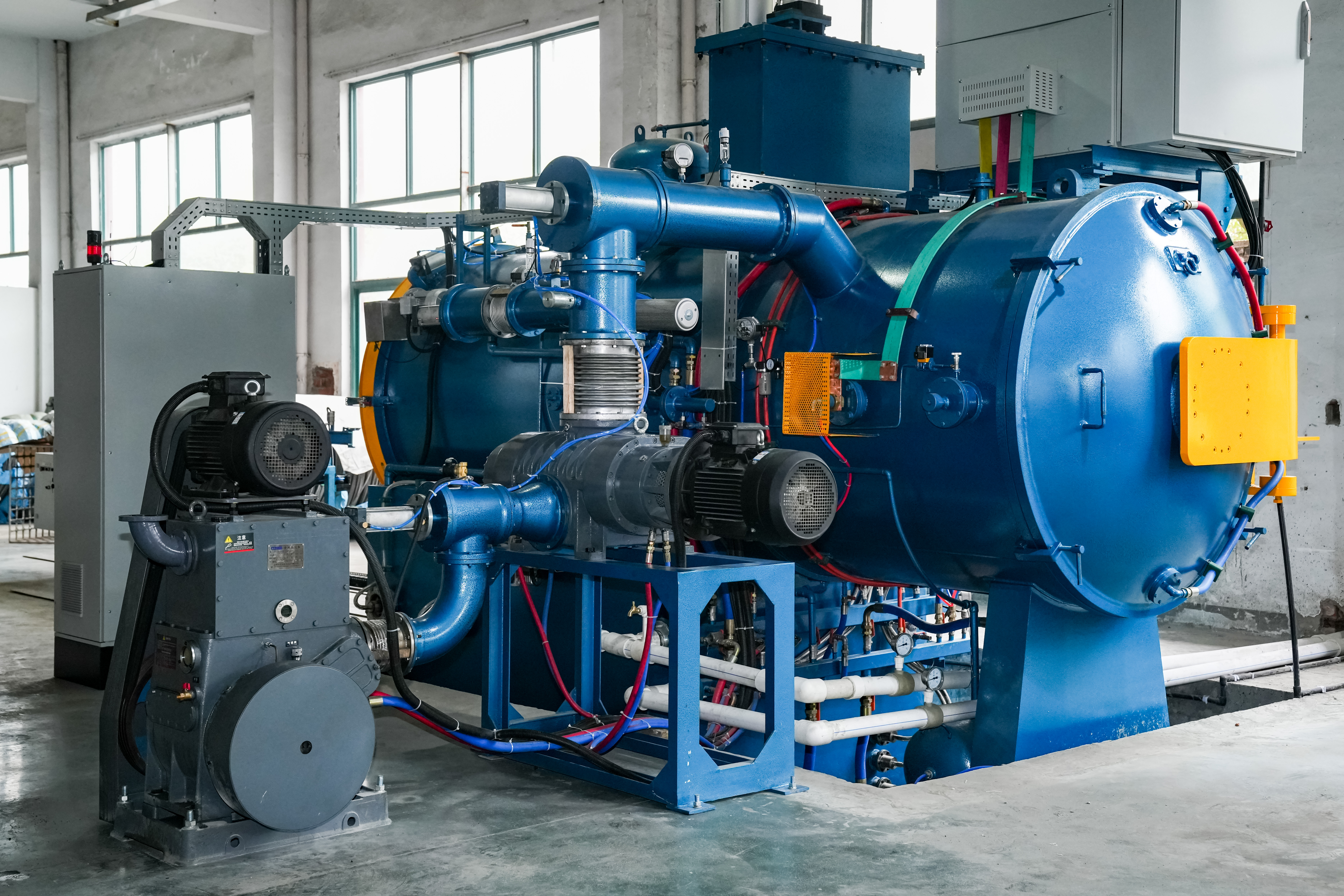
Advanced Vacuum Heat Treatment Solutions: Superior Material Processing Technology

All Categories

Get a Free Quote

Our representative will contact you soon.
Email
Name
Company Name
Message
0/1000

vacuum heat treatment

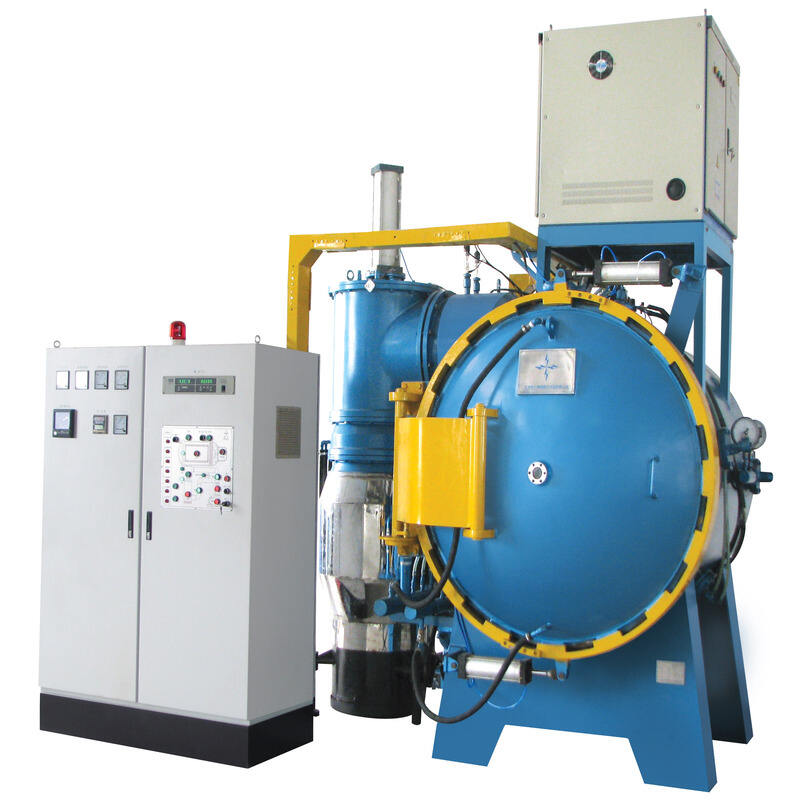
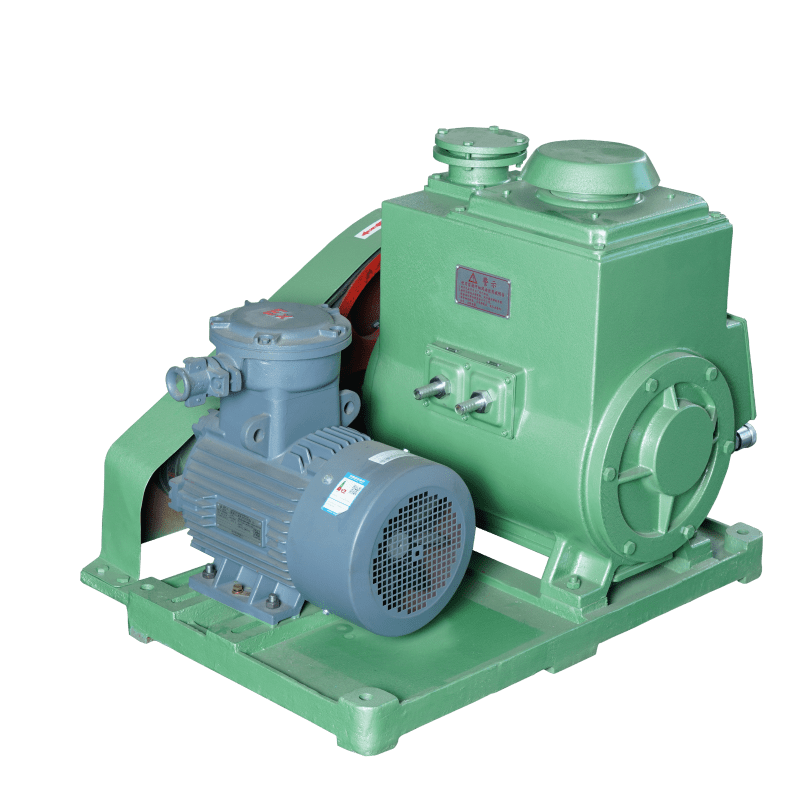
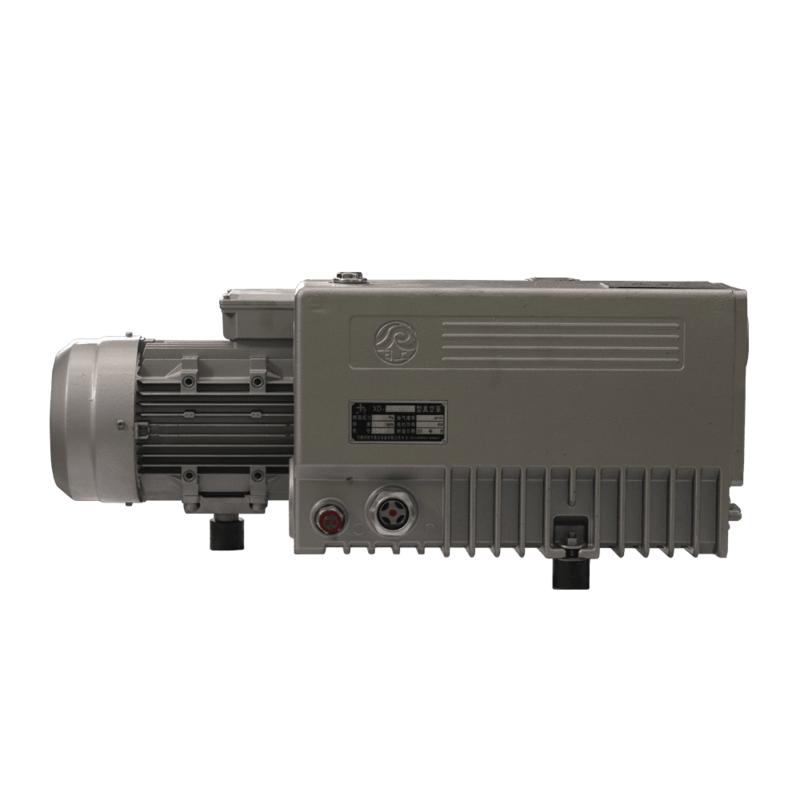
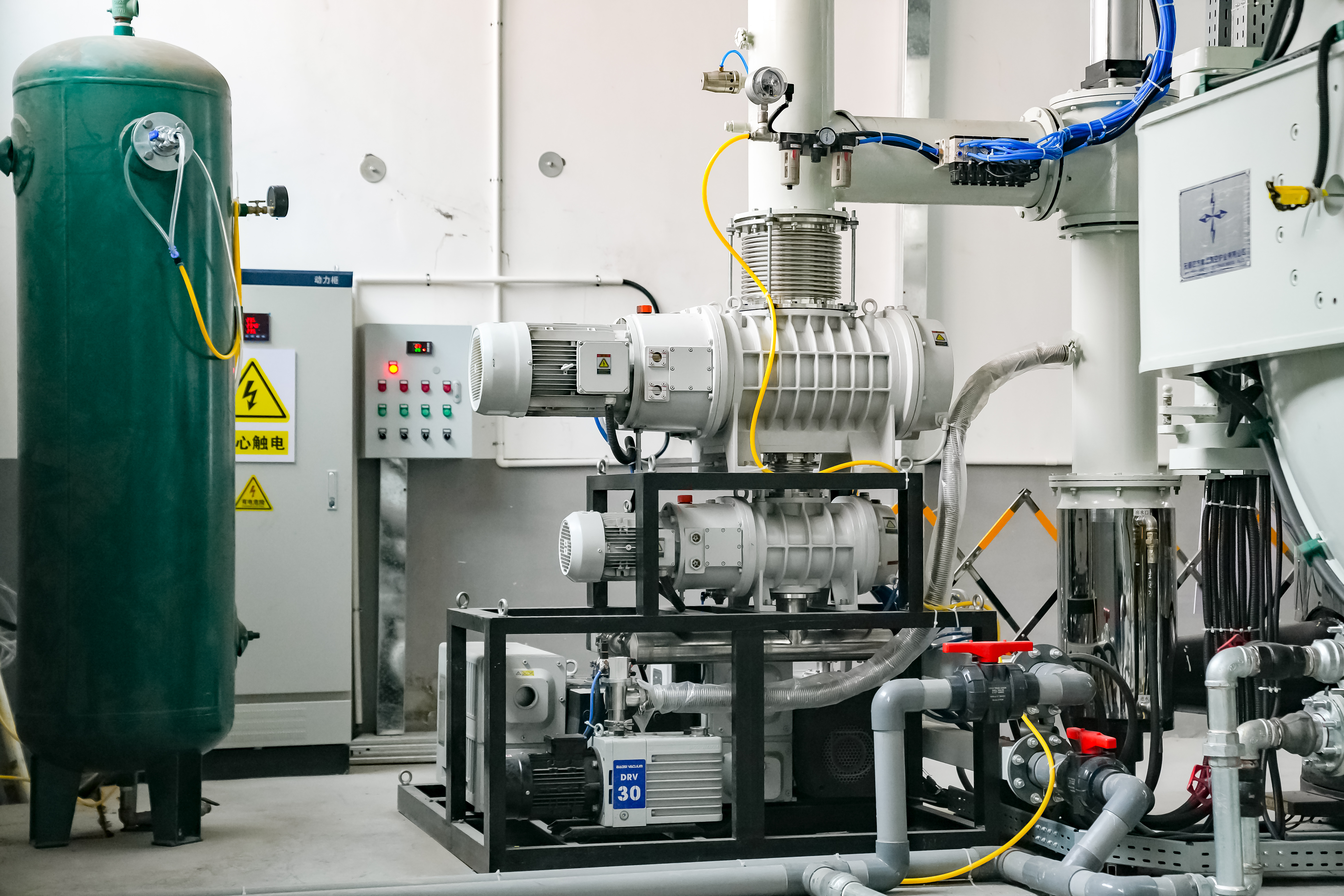
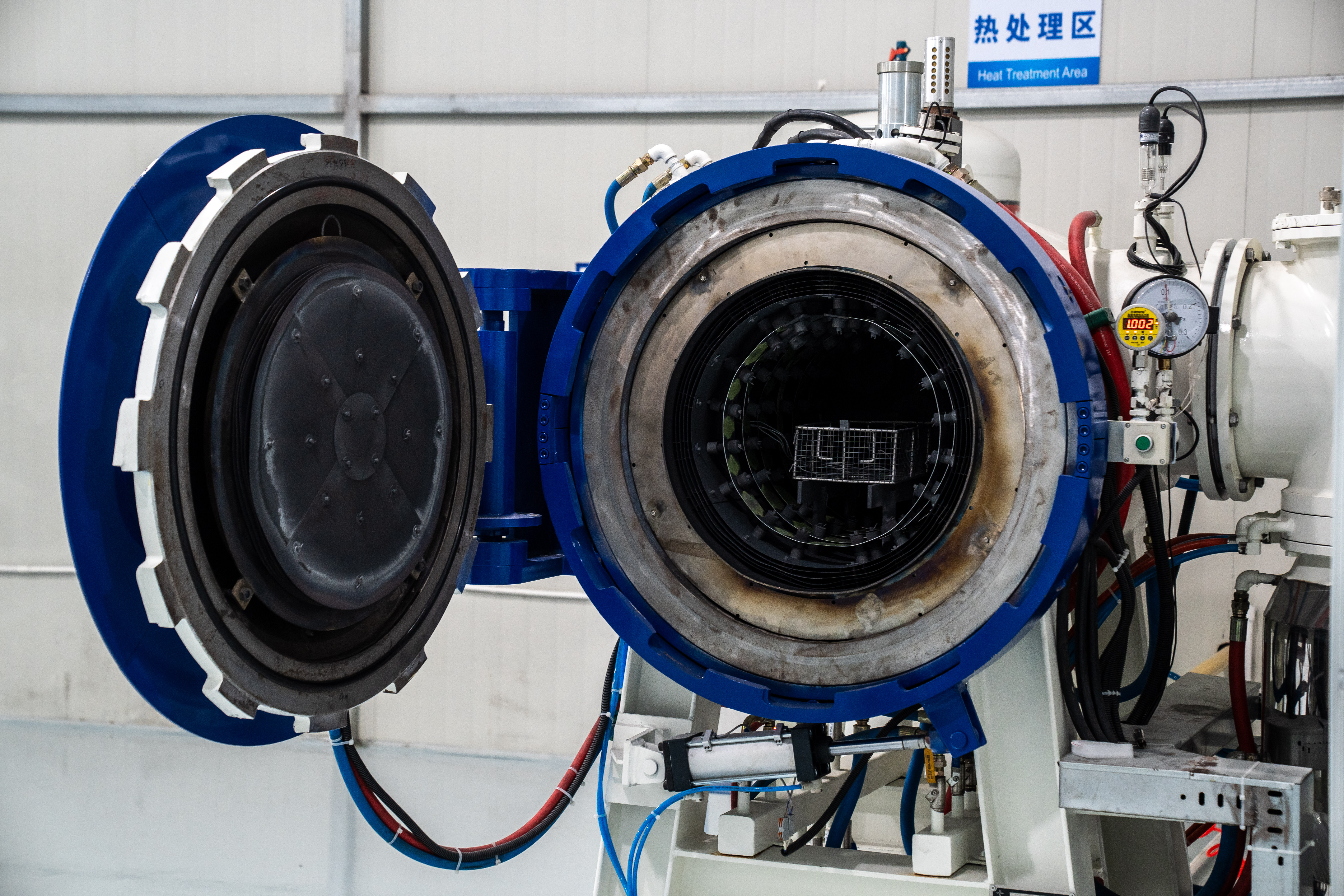
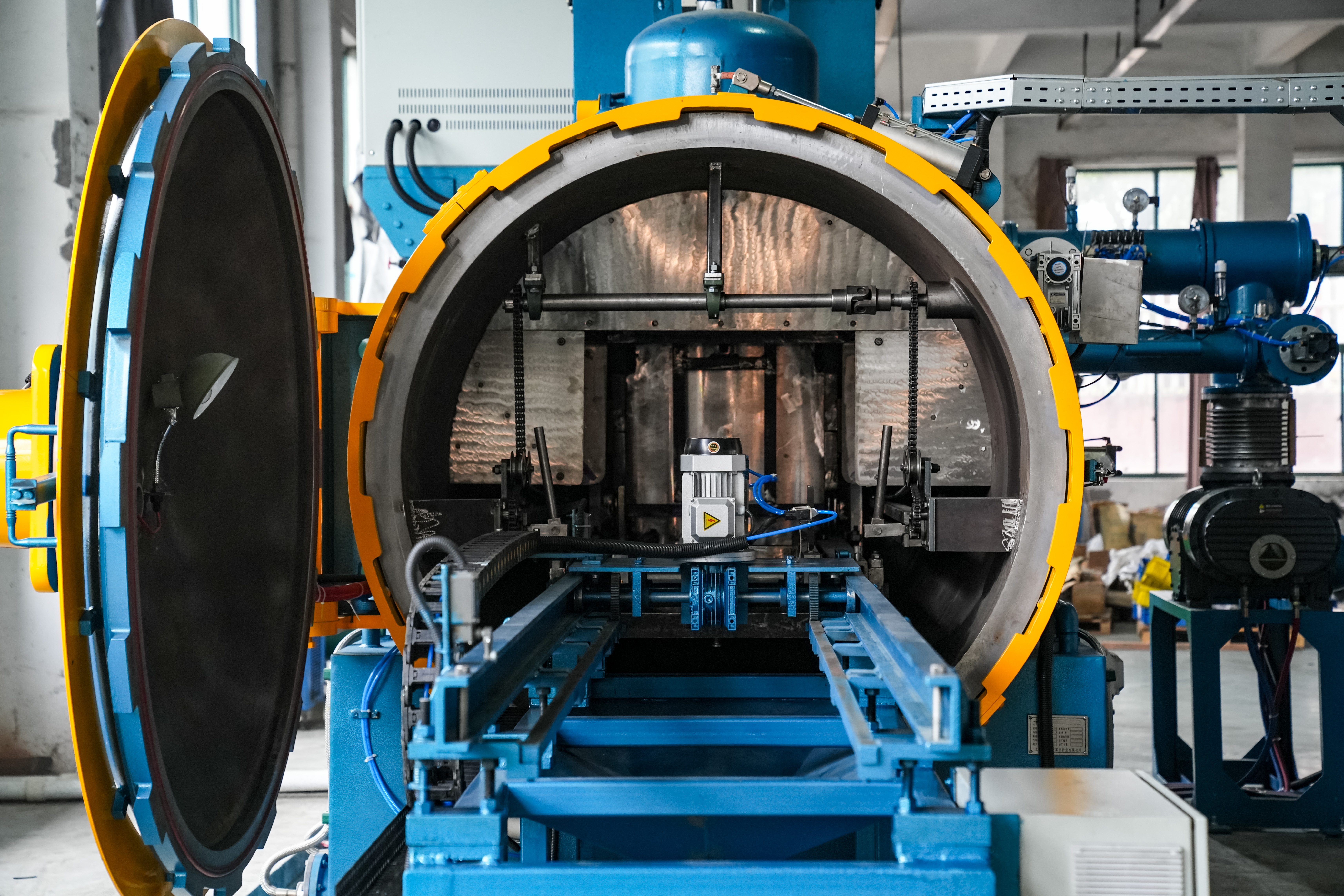
Vacuum heat treatment represents a revolutionary advancement in metallurgical processing, fundamentally transforming how materials are thermally processed across diverse industrial sectors. This sophisticated technology operates by conducting heat treatment processes within controlled vacuum environments, eliminating atmospheric contamination while achieving precise temperature control and superior material properties. The vacuum heat treatment process involves placing components inside specially designed chambers where air and other gases are removed, creating an oxygen-free environment that prevents oxidation, decarburization, and other atmospheric reactions that typically compromise material integrity during conventional heating processes. The primary functions of vacuum heat treatment encompass hardening, tempering, annealing, brazing, and sintering operations, each tailored to enhance specific material characteristics such as strength, durability, and performance reliability. Technological features include advanced computer-controlled systems that monitor and regulate temperature profiles, pressure levels, and cooling rates with exceptional precision. Modern vacuum heat treatment systems incorporate multi-zone heating elements, sophisticated pumping systems, and automated loading mechanisms that ensure consistent results while minimizing human error. These systems can accommodate various workpiece sizes and shapes, from small precision components to large industrial parts weighing several tons. The applications span numerous industries including aerospace, automotive, medical devices, tool manufacturing, and energy sectors. In aerospace applications, vacuum heat treatment ensures critical components like turbine blades and structural elements meet stringent safety requirements. Automotive manufacturers rely on this technology for processing gears, crankshafts, and other drivetrain components that demand exceptional wear resistance. Medical device manufacturers utilize vacuum heat treatment for surgical instruments and implants requiring biocompatibility and corrosion resistance. The process accommodates various materials including carbon steels, alloy steels, stainless steels, titanium alloys, superalloys, and specialized ceramics, making it indispensable for modern manufacturing operations requiring superior material performance and reliability.


Popular Products

Vacuum heat treatment delivers exceptional benefits that fundamentally improve manufacturing outcomes while reducing operational costs and environmental impact. The absence of atmospheric gases during processing eliminates oxidation and surface contamination, producing components with pristine surface finishes that require minimal post-processing. This clean processing environment ensures parts maintain dimensional accuracy and surface integrity, reducing rejection rates and rework expenses significantly. Temperature uniformity represents another crucial advantage, as vacuum chambers distribute heat more evenly compared to conventional atmospheric furnaces. This uniform heating eliminates hot spots and temperature gradients that cause warping, cracking, or inconsistent material properties throughout the workpiece. Manufacturers achieve tighter tolerances and more predictable results, enhancing product quality while reducing quality control costs. The controlled atmosphere prevents decarburization, a common problem in conventional heat treatment where carbon migrates from the surface layers, weakening the material. Vacuum heat treatment preserves the carbon content throughout the component, maintaining designed strength characteristics and extending service life. Energy efficiency improvements result from better heat transfer in vacuum environments and precise temperature control systems that minimize energy waste. The process typically requires shorter cycle times compared to traditional methods, increasing throughput and reducing per-part processing costs. Reduced distortion during heating and cooling cycles means parts often meet final specifications without additional machining or correction operations. This dimensional stability saves considerable time and material costs while improving production scheduling predictability. Environmental benefits include elimination of protective atmosphere gases, reduced emissions, and lower overall environmental footprint. The process generates minimal waste products and does not require chemical treatments that create disposal concerns. Vacuum heat treatment also enables processing of reactive materials that would otherwise oxidize or contaminate in atmospheric conditions, expanding material options for designers and engineers. The technology supports batch processing of multiple components simultaneously, improving production efficiency while maintaining consistent quality across all parts. Advanced process monitoring and data logging capabilities provide complete traceability and quality documentation, essential for industries with strict regulatory requirements and quality standards.

Tips And Tricks

How Can a Metal Barrel Improve Safety in Industrial Material Storage?

26

Dec

How Can a Metal Barrel Improve Safety in Industrial Material Storage?

Industrial material storage presents numerous challenges that require robust, reliable solutions to ensure workplace safety and operational efficiency. Among the various storage options available, the metal barrel has emerged as a cornerstone of secu...
View More
How Does Coating Thickness Affect the Performance of Inner Coating Steel Drums?

23

Jan

How Does Coating Thickness Affect the Performance of Inner Coating Steel Drums?

The performance and reliability of industrial storage containers depend heavily on the quality and specifications of their protective barriers. When it comes to inner coating steel drums, the thickness of the internal protective layer plays a crucial...
View More
How Do Intermediate & Bulk Container Solutions Improve Industrial Storage Efficiency?

25

Feb

How Do Intermediate & Bulk Container Solutions Improve Industrial Storage Efficiency?

Industrial storage efficiency has become a critical factor in modern supply chain management, with businesses constantly seeking solutions that maximize space utilization while minimizing operational costs. The intermediate & bulk container has emerg...
View More
How Do Material Types Affect Performance in a Vacuum Brazing Furnace?

25

Feb

How Do Material Types Affect Performance in a Vacuum Brazing Furnace?

Material selection plays a crucial role in determining the success and efficiency of thermal processing operations. When working with a vacuum brazing furnace, understanding how different materials respond to high-temperature environments and control...
View More

Get a Free Quote

Our representative will contact you soon.
Email
Name
Company Name
Message
0/1000

vacuum heat treatment

Superior Material Properties Through Controlled Atmosphere Processing

Superior Material Properties Through Controlled Atmosphere Processing

Vacuum heat treatment fundamentally transforms material characteristics by creating an oxygen-free processing environment that prevents oxidation, decarburization, and atmospheric contamination during thermal processing cycles. This controlled atmosphere approach ensures that components achieve optimal mechanical properties while maintaining surface integrity and dimensional stability throughout the treatment process. The absence of reactive gases allows materials to reach their full potential strength, hardness, and durability characteristics without the compromising effects of atmospheric reactions that plague conventional heat treatment methods. During vacuum heat treatment, materials undergo precise thermal transformations without surface degradation, resulting in components that exhibit superior fatigue resistance, enhanced wear characteristics, and improved corrosion resistance. The controlled environment eliminates scale formation and surface oxidation that typically require expensive post-processing operations such as grinding, shot blasting, or chemical cleaning. This preservation of surface quality translates directly into cost savings while ensuring parts meet exact specifications immediately upon completion of the heat treatment cycle. The technology enables processing of advanced materials including high-alloy steels, titanium alloys, and superalloys that are particularly sensitive to atmospheric contamination. These materials develop their designed properties only when processed in inert or vacuum environments, making vacuum heat treatment essential for aerospace, medical, and high-performance applications. The controlled atmosphere also prevents hydrogen pickup and other gas absorption phenomena that can cause delayed failures or reduced service life in critical applications. Manufacturers utilizing vacuum heat treatment report significant improvements in component reliability and service life, with some applications showing performance increases of 30-50% compared to conventionally processed parts. The technology supports complex thermal cycles including precise temperature ramping, extended soaking periods, and controlled cooling rates that optimize microstructural development for specific performance requirements. This level of process control ensures consistent results across production batches while enabling customization for specific application demands.
Enhanced Production Efficiency and Cost-Effective Operations

Enhanced Production Efficiency and Cost-Effective Operations

Vacuum heat treatment revolutionizes manufacturing efficiency by combining multiple processes into single-cycle operations while delivering superior results that reduce downstream processing requirements and overall production costs. The technology enables simultaneous processing of multiple components with complex geometries, maximizing furnace utilization and throughput compared to traditional atmospheric processing methods. Advanced automation features including programmable cycle controls, automatic loading systems, and integrated quality monitoring reduce labor requirements while ensuring consistent processing parameters across all production runs. The elimination of protective atmosphere gases and associated handling systems significantly reduces operational complexity and ongoing consumable costs. Unlike conventional heat treatment that requires expensive atmosphere gases, vacuum systems operate with minimal ongoing consumables, reducing per-part processing expenses and improving profit margins. The technology also eliminates the need for post-processing operations such as decarburization removal, scale cleaning, and surface refinishing that are typically required after atmospheric heat treatment. This reduction in secondary operations accelerates production schedules while reducing handling, labor, and equipment costs throughout the manufacturing process. Vacuum heat treatment systems demonstrate exceptional energy efficiency through superior heat transfer characteristics and precise temperature control that minimizes energy waste during heating and cooling cycles. The thermal efficiency of vacuum processing often results in 20-30% energy savings compared to conventional furnace operations, contributing to reduced operating costs and environmental sustainability goals. Predictable cycle times and consistent results enable accurate production planning and scheduling, reducing inventory requirements and improving cash flow management. The technology supports lean manufacturing principles by minimizing work-in-process inventory and reducing quality-related delays. Extended equipment life and reduced maintenance requirements result from the clean processing environment that eliminates contamination and corrosive atmosphere effects on furnace components. Many vacuum heat treatment systems operate for years between major maintenance cycles, providing excellent return on investment through reliable, continuous operation and minimal unplanned downtime.
Precision Control and Quality Assurance Capabilities

Precision Control and Quality Assurance Capabilities

Vacuum heat treatment technology delivers unmatched precision and quality control capabilities through advanced monitoring systems and automated process controls that ensure consistent results while meeting the most stringent industry standards and specifications. Modern vacuum systems incorporate sophisticated computer-controlled temperature monitoring with multiple sensing points throughout the processing chamber, enabling real-time adjustment and precise thermal profiling for optimal material transformation. The technology provides complete process documentation and traceability through integrated data logging systems that record temperature profiles, pressure levels, cycle timing, and all critical processing parameters required for quality certification and regulatory compliance. This comprehensive documentation capability proves essential for aerospace, medical device, and other regulated industries where complete process validation and traceability are mandatory requirements. The controlled vacuum environment eliminates variables associated with atmospheric processing such as gas composition fluctuations, contamination sources, and oxidation reactions that can cause unpredictable results and quality variations. Process repeatability reaches exceptional levels with vacuum heat treatment, as the controlled environment and automated systems eliminate human error sources and environmental variables that affect conventional processing methods. Statistical process control data from vacuum operations typically shows significantly tighter property distributions and reduced standard deviations compared to atmospheric processing, enabling manufacturers to achieve Six Sigma quality levels and reduce inspection requirements. Advanced vacuum systems feature multiple heating zones with independent temperature control, allowing complex thermal gradients and specialized processing profiles that optimize material properties for specific applications. The precision cooling capabilities include controlled gas quenching, oil quenching, and specialized cooling media that provide exact cooling rates for optimal microstructural development. Quality assurance benefits extend beyond process control to include predictive maintenance capabilities that monitor system performance and alert operators to potential issues before they affect product quality. The technology supports statistical sampling plans and reduced inspection frequencies due to the exceptional process consistency and predictable results, reducing quality control costs while maintaining superior product reliability.

Get a Free Quote

Our representative will contact you soon.
Email
Name
Company Name
Message
0/1000