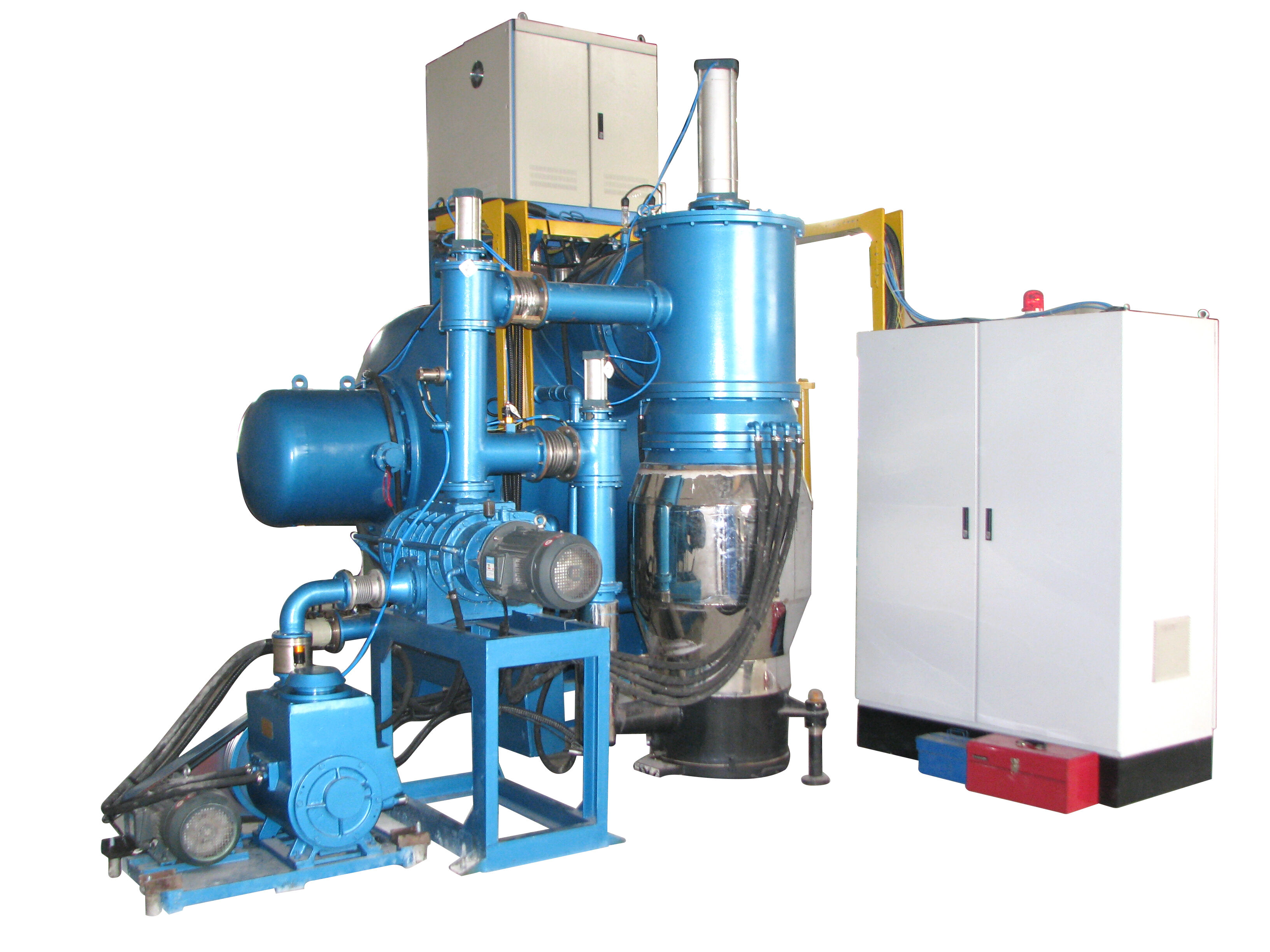
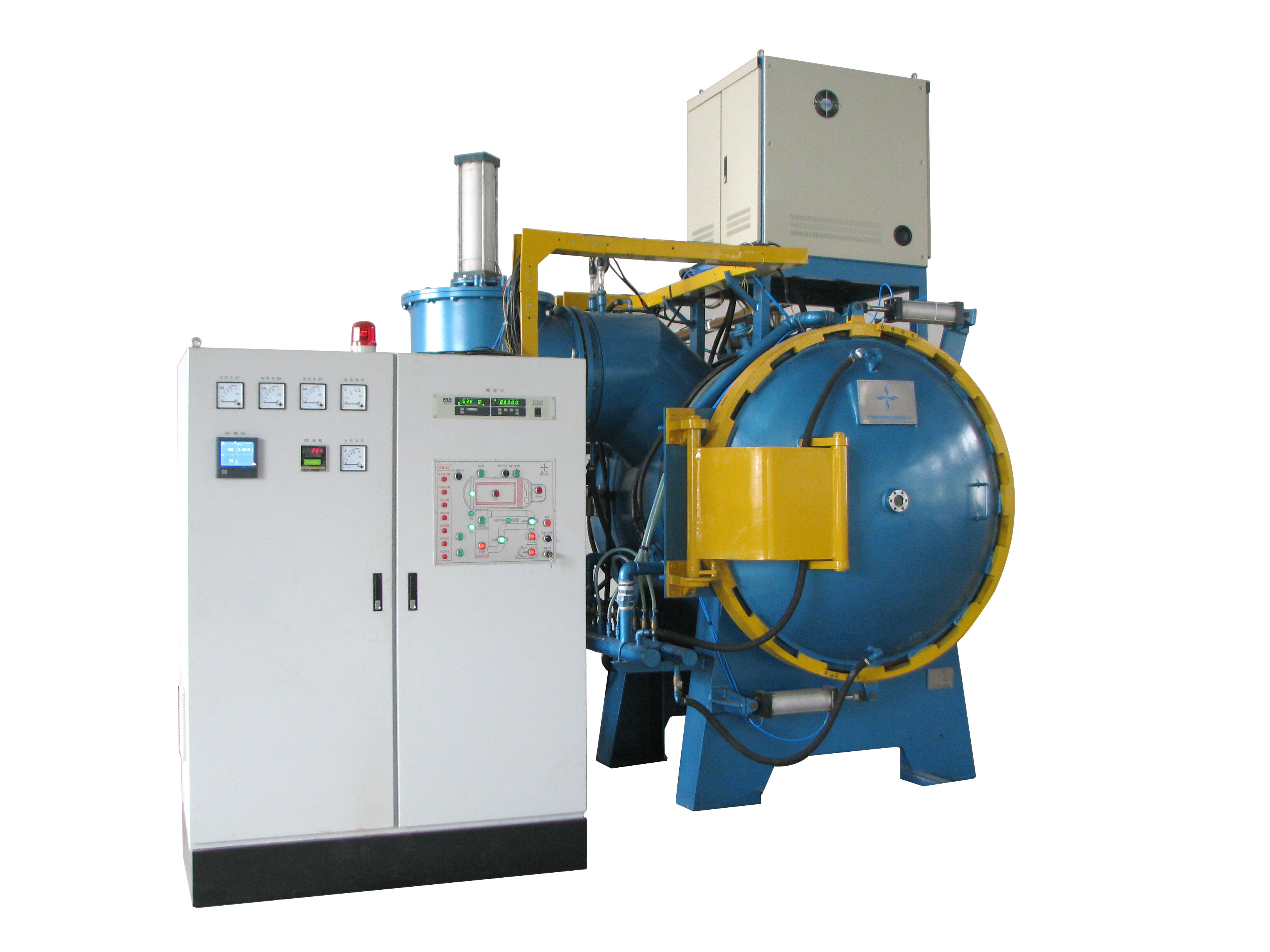
industrial vacuum annealing furnace
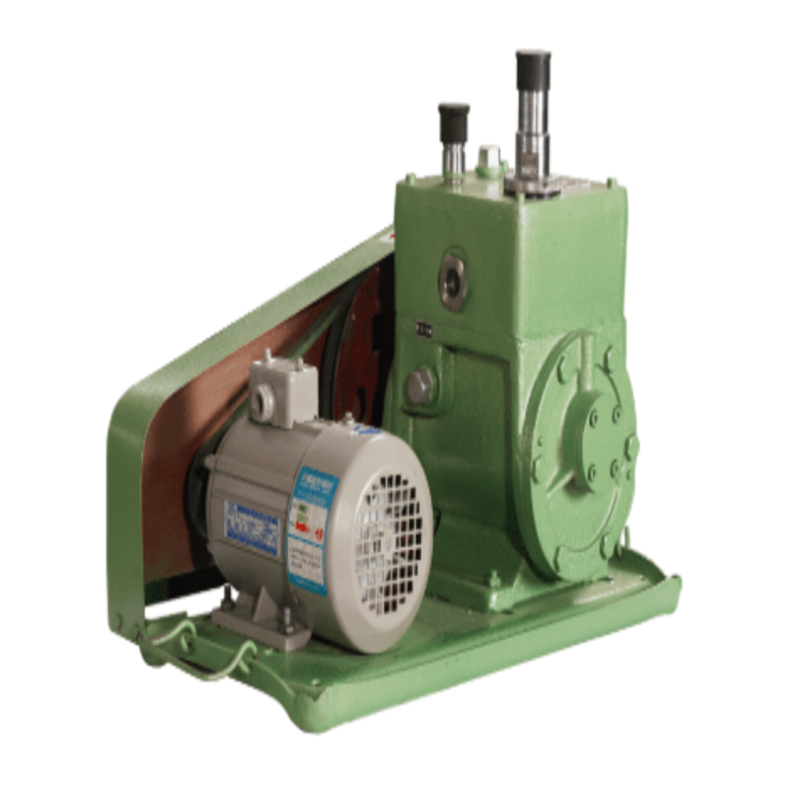
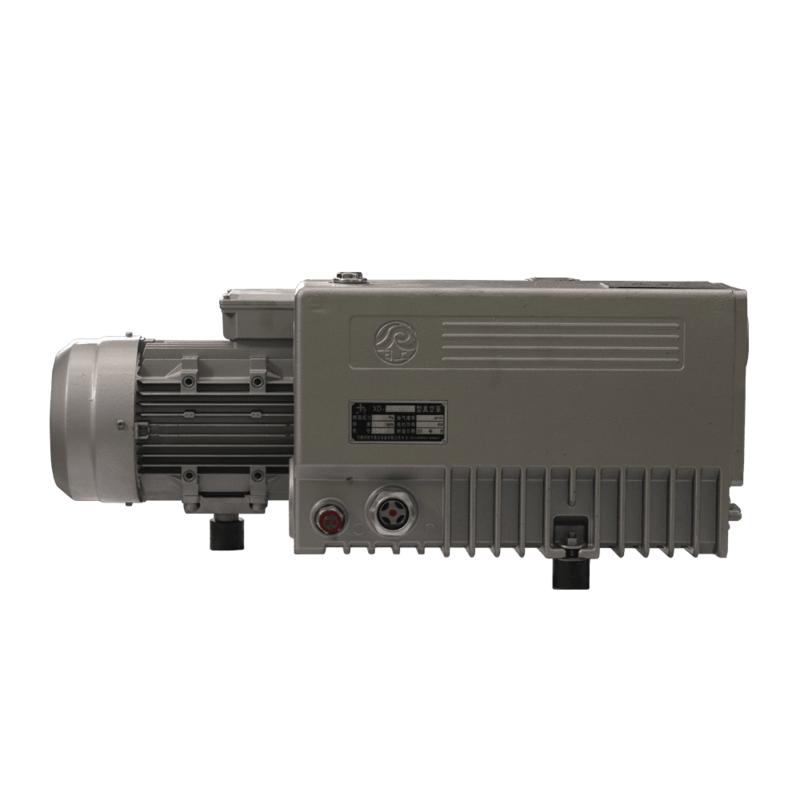
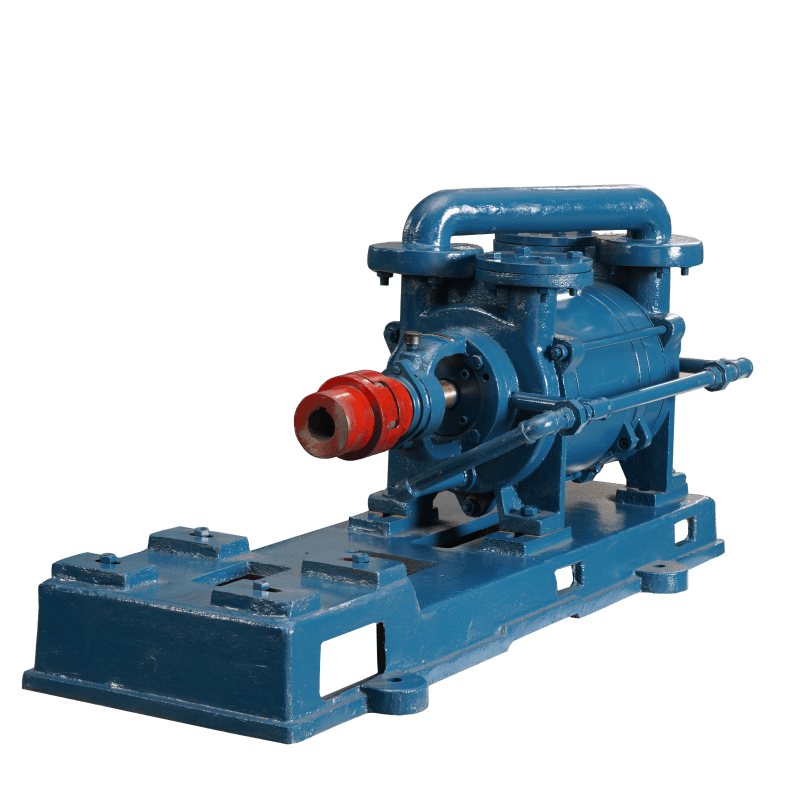
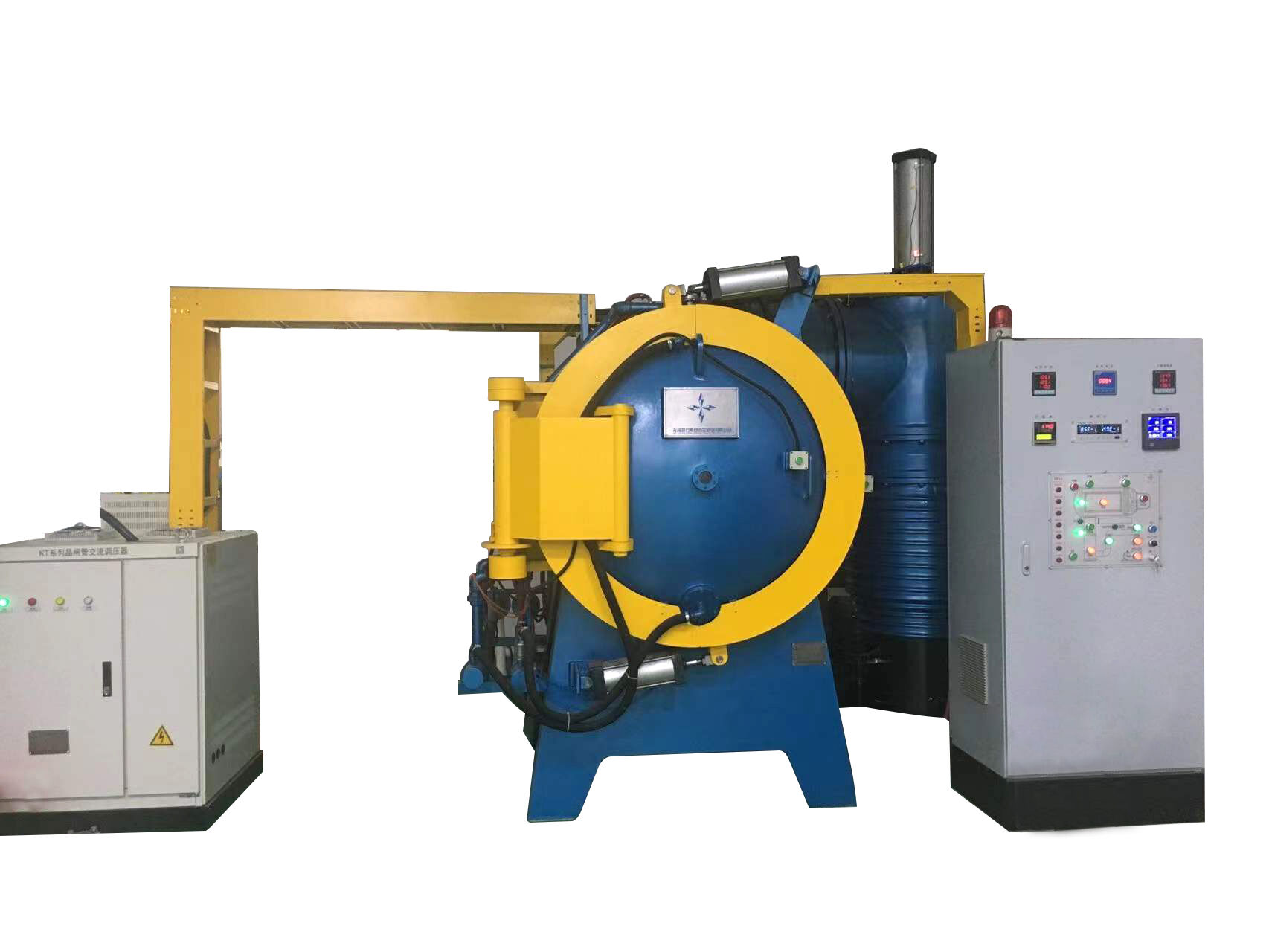
An industrial vacuum annealing furnace represents a sophisticated heat treatment system designed to process materials in a controlled, oxygen-free environment. This specialized equipment creates a vacuum atmosphere that eliminates contamination and oxidation during the heating process, ensuring superior material properties and surface quality. The industrial vacuum annealing furnace operates by removing air and other gases from the treatment chamber, creating an inert environment where materials can be heated to precise temperatures without chemical degradation. The main functions of an industrial vacuum annealing furnace include stress relief, grain structure modification, hardness reduction, and ductility improvement in various metals and alloys. These furnaces utilize advanced heating elements, typically molybdenum or graphite, which can withstand extreme temperatures while maintaining uniform heat distribution throughout the chamber. The technological features of modern industrial vacuum annealing furnace systems include programmable temperature controllers, automated vacuum pumps, precise pressure monitoring, and multi-zone heating capabilities. Temperature uniformity is achieved through strategic placement of heating elements and sophisticated control algorithms that maintain consistent thermal profiles across the entire work zone. The vacuum system typically consists of mechanical pumps for initial evacuation and diffusion or turbomolecular pumps for achieving ultra-high vacuum levels. Applications for industrial vacuum annealing furnace systems span across aerospace, automotive, medical device manufacturing, electronics, and tool production industries. In aerospace applications, these furnaces process titanium components, superalloys, and critical structural parts that require exceptional material properties. The automotive industry utilizes industrial vacuum annealing furnace technology for heat treating transmission components, engine parts, and high-strength steel components. Medical device manufacturers rely on these systems to process surgical instruments, implants, and precision components that demand biocompatible surface characteristics. The electronics industry employs industrial vacuum annealing furnace systems for processing semiconductor materials, magnetic components, and specialty alloys used in electronic devices.

 EN
EN