Vacuum Annealing Furnace for Steel - Advanced Heat Treatment Solutions for Superior Metal Processing

All Categories

Get a Free Quote

Our representative will contact you soon.
Email
Name
Company Name
Message
0/1000

vacuum annealing furnace for steel

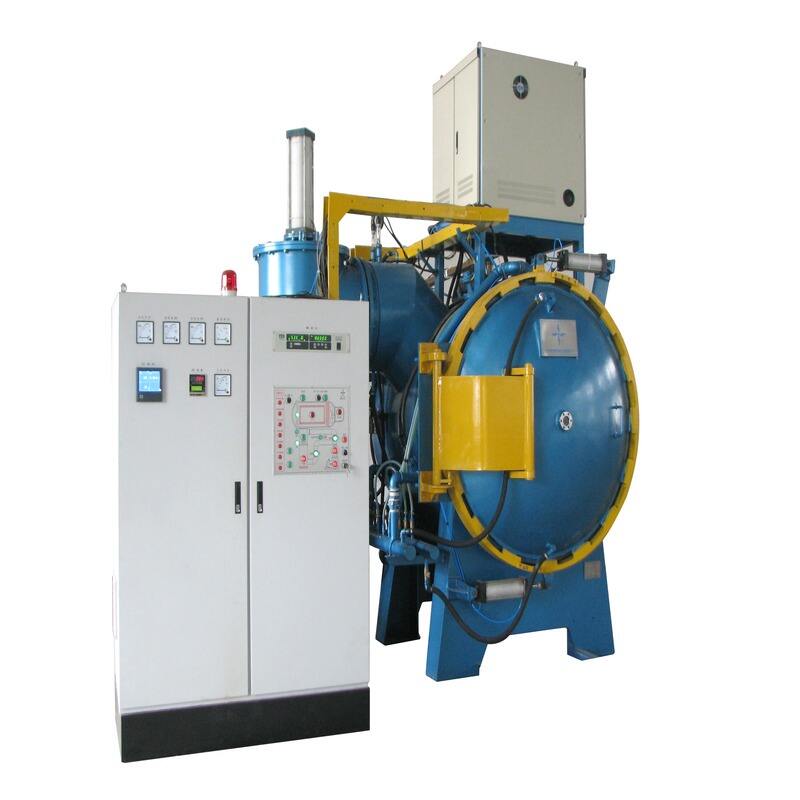
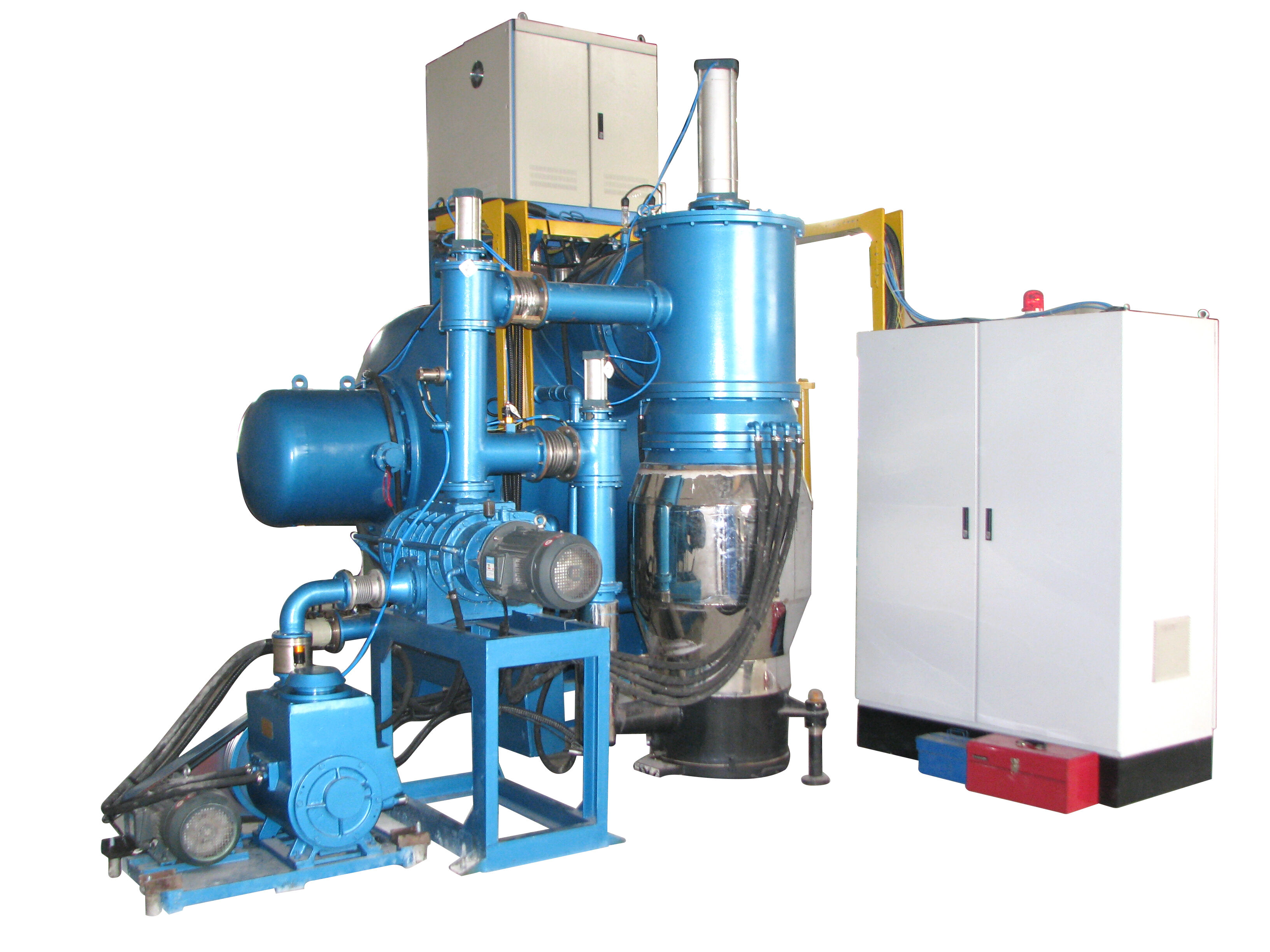
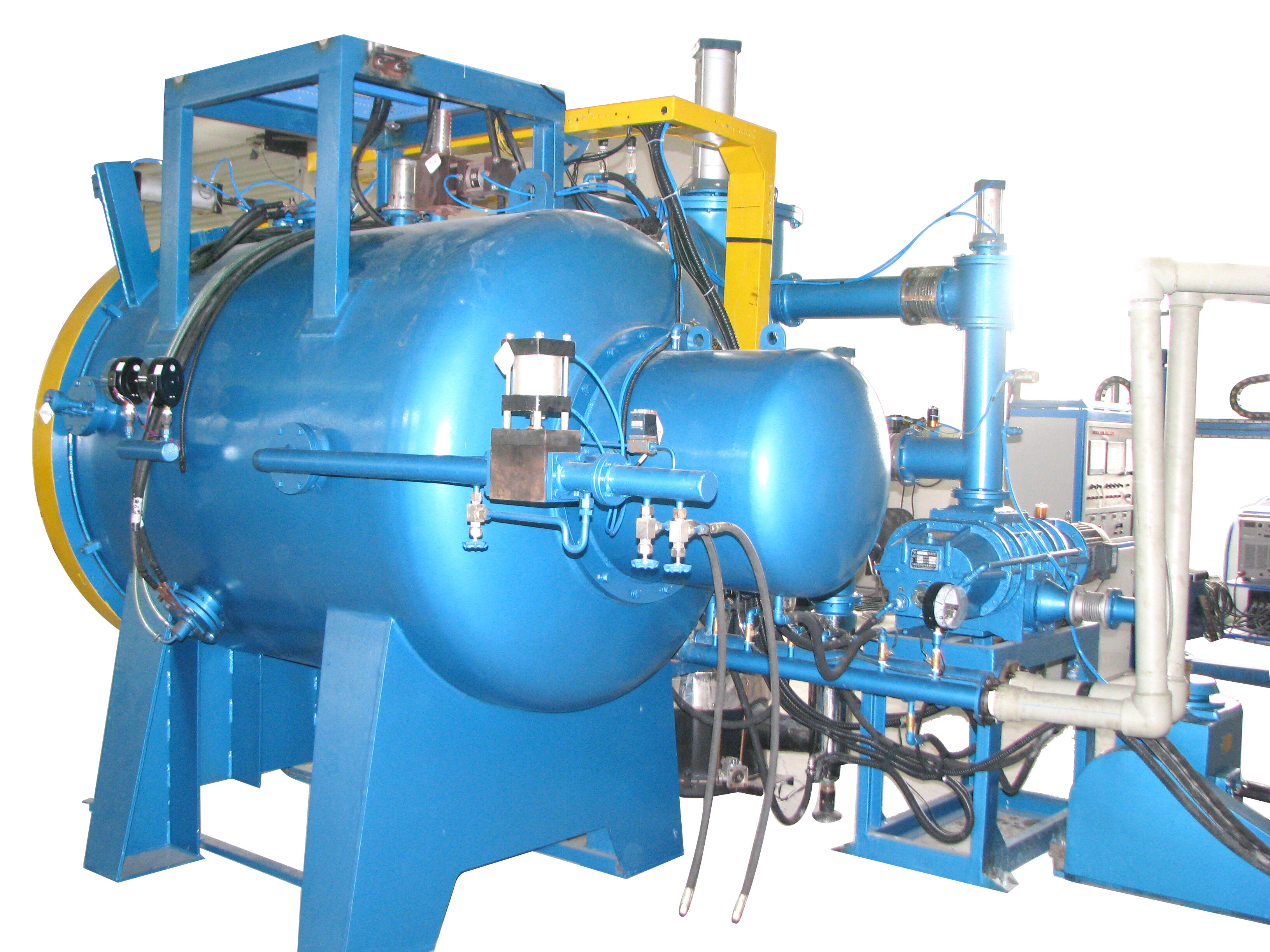
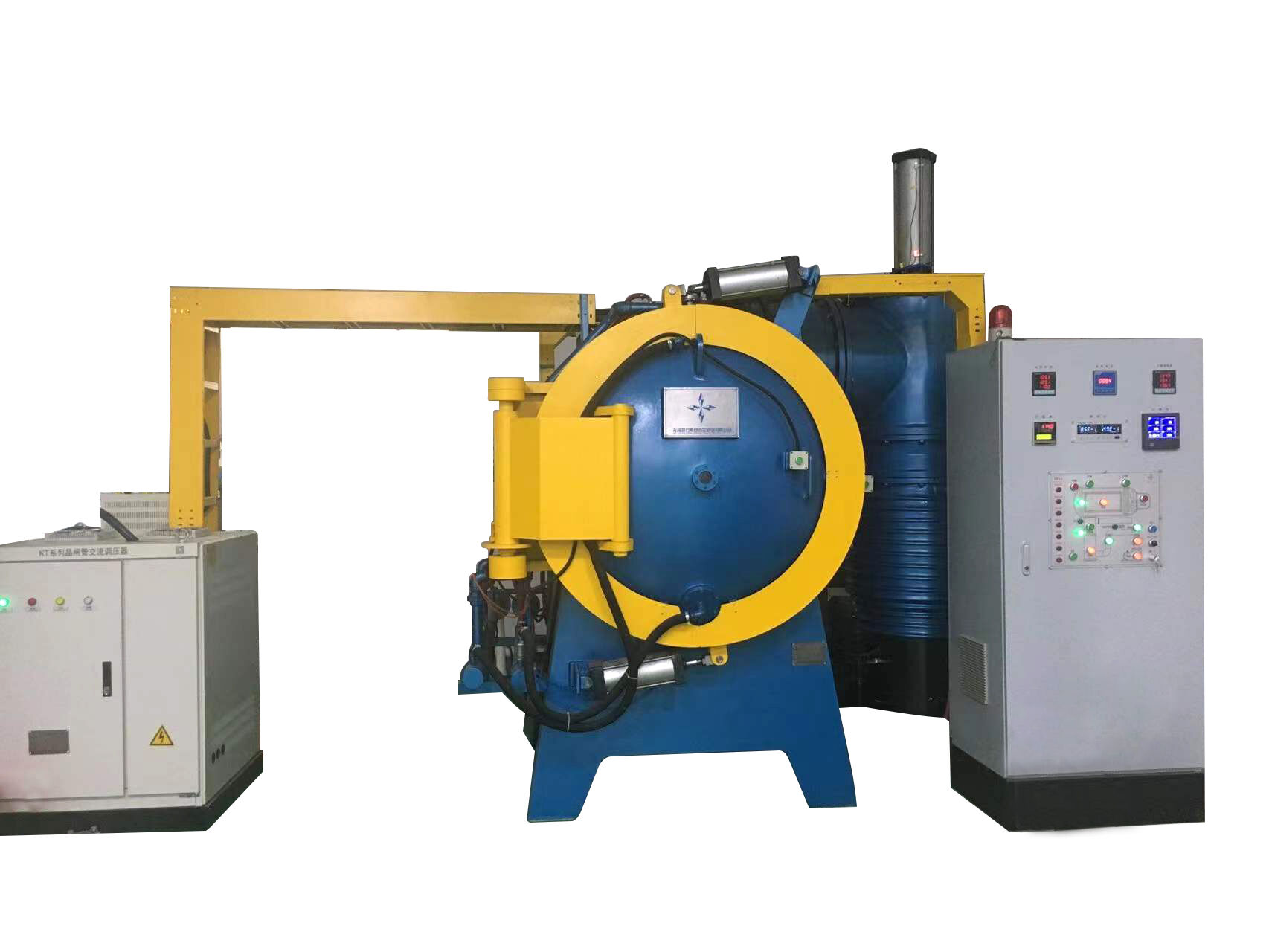
A vacuum annealing furnace for steel represents cutting-edge heat treatment technology designed to process steel components in a controlled, oxygen-free environment. This sophisticated equipment creates an ultra-clean atmosphere by removing air and other gases, allowing steel parts to undergo precise thermal treatment without oxidation or contamination. The vacuum annealing furnace for steel operates by heating materials to specific temperatures while maintaining pressures significantly below atmospheric levels, typically ranging from 10^-3 to 10^-6 torr. The main functions of a vacuum annealing furnace for steel include stress relief, grain structure refinement, hardness reduction, and elimination of hydrogen embrittlement. During the annealing process, steel components are heated to predetermined temperatures, held at these levels for calculated durations, then cooled according to engineered cooling curves. This controlled thermal cycle modifies the steel's microstructure, enhancing ductility, reducing internal stresses, and improving machinability. Technological features of the vacuum annealing furnace for steel encompass advanced heating elements, sophisticated temperature control systems, efficient vacuum pumping mechanisms, and programmable logic controllers. Modern units incorporate multi-zone heating capabilities, allowing different sections of the furnace to maintain varying temperatures simultaneously. Gas quenching systems enable rapid cooling when required, while inert gas backfilling prevents oxidation during cooling phases. Applications for vacuum annealing furnace for steel span numerous industries including aerospace, automotive, tool manufacturing, medical device production, and precision engineering. High-value steel components such as cutting tools, dies, molds, surgical instruments, engine parts, and critical fasteners benefit from vacuum annealing treatment. The process proves particularly valuable for specialty steels, stainless steels, and tool steels that require exceptional surface quality and dimensional stability. Manufacturing facilities utilize vacuum annealing furnace for steel to achieve consistent results, reduce material waste, and meet stringent quality standards demanded by modern industrial applications.


New Product Releases

The vacuum annealing furnace for steel delivers exceptional surface quality that traditional atmospheric furnaces cannot match. Without oxygen present during heat treatment, steel surfaces remain bright and clean, eliminating the need for costly post-treatment cleaning or machining operations. This pristine surface finish reduces manufacturing time and labor costs while ensuring components meet strict aesthetic and functional requirements. Manufacturers save significant money on secondary operations because parts emerge from the vacuum annealing furnace for steel ready for immediate use or assembly. The controlled environment prevents decarburization, a common problem in conventional annealing where carbon migrates from steel surfaces, weakening the material. By maintaining steel's original carbon content throughout the thermal cycle, the vacuum annealing furnace for steel preserves mechanical properties and ensures consistent performance across all treated components. Dimensional stability represents another major advantage of vacuum annealing furnace for steel technology. The absence of oxidation and scale formation means parts retain their original dimensions with minimal distortion. This precision eliminates expensive rework and reduces material waste, directly impacting manufacturing profitability. Complex geometries and tight-tolerance components benefit tremendously from this dimensional consistency. Energy efficiency makes the vacuum annealing furnace for steel an environmentally responsible choice. Advanced insulation systems and optimized heating patterns reduce energy consumption compared to traditional furnaces. The sealed chamber design retains heat effectively, minimizing thermal losses and reducing operating costs. Many modern vacuum annealing furnace for steel systems incorporate heat recovery mechanisms that further enhance energy efficiency. Process repeatability ensures every batch receives identical treatment conditions. Computer-controlled systems monitor and adjust temperature, pressure, and timing parameters automatically, eliminating human error and variations. This consistency guarantees that all steel components meet specified material properties regardless of batch size or operator experience. Documentation capabilities built into vacuum annealing furnace for steel systems provide complete traceability for quality assurance and regulatory compliance. Contamination prevention protects steel from atmospheric pollutants, moisture, and reactive gases that can compromise material integrity. The vacuum environment creates an inert atmosphere where only controlled reactions occur, resulting in superior metallurgical outcomes. Batch processing capabilities allow manufacturers to treat multiple components simultaneously, maximizing throughput while maintaining individual part quality. The vacuum annealing furnace for steel accommodates various part sizes and shapes in single cycles, optimizing production scheduling and reducing per-unit processing costs.

Practical Tips

How Can a Metal Barrel Improve Safety in Industrial Material Storage?

26

Dec

How Can a Metal Barrel Improve Safety in Industrial Material Storage?

Industrial material storage presents numerous challenges that require robust, reliable solutions to ensure workplace safety and operational efficiency. Among the various storage options available, the metal barrel has emerged as a cornerstone of secu...
View More
How Does a Stainless Steel Drum Support Long-Term Material Storage?

25

Feb

How Does a Stainless Steel Drum Support Long-Term Material Storage?

Industrial material storage presents complex challenges that require robust, reliable solutions capable of maintaining product integrity over extended periods. A stainless steel drum serves as an exceptional storage vessel, offering unparalleled prot...
View More
What Maintenance Practices Extend the Service Life of a Stainless Steel Drum?

25

Feb

What Maintenance Practices Extend the Service Life of a Stainless Steel Drum?

Industrial storage solutions require careful consideration of durability, safety, and long-term performance. A stainless steel drum represents one of the most reliable options for storing and transporting various materials across multiple industries....
View More
How Do Intermediate & Bulk Container Solutions Improve Industrial Storage Efficiency?

25

Feb

How Do Intermediate & Bulk Container Solutions Improve Industrial Storage Efficiency?

Industrial storage efficiency has become a critical factor in modern supply chain management, with businesses constantly seeking solutions that maximize space utilization while minimizing operational costs. The intermediate & bulk container has emerg...
View More

Get a Free Quote

Our representative will contact you soon.
Email
Name
Company Name
Message
0/1000

vacuum annealing furnace for steel

Superior Metallurgical Control and Microstructure Enhancement

Superior Metallurgical Control and Microstructure Enhancement

The vacuum annealing furnace for steel provides unparalleled control over metallurgical transformations, enabling manufacturers to achieve precise microstructural modifications that dramatically improve material performance. Unlike conventional annealing methods, the vacuum environment eliminates reactive atmospheric gases that can interfere with intended metallurgical processes. This controlled atmosphere allows for exact temperature uniformity across the entire workload, ensuring consistent grain growth and stress relief throughout each component. The vacuum annealing furnace for steel creates optimal conditions for carbon redistribution, allowing for homogeneous carbide dissolution and precipitation patterns that enhance mechanical properties. Temperature gradients remain minimal due to advanced heating systems and thermal barriers, resulting in uniform microstructures that traditional furnaces cannot achieve. The absence of oxidizing gases prevents unwanted surface reactions that could alter chemical composition or create brittle layers on steel surfaces. Programmable cooling rates in the vacuum annealing furnace for steel enable precise control over phase transformations, allowing metallurgists to tailor final microstructures for specific applications. Slow cooling promotes grain growth and stress relief, while controlled rapid cooling can retain fine-grained structures when desired. This flexibility makes the vacuum annealing furnace for steel suitable for processing various steel grades, from carbon steels to complex alloy systems. The vacuum environment also facilitates degassing, removing hydrogen and other dissolved gases that can cause embrittlement or porosity. This degassing capability proves crucial for high-strength steels used in critical applications where material integrity cannot be compromised. Advanced monitoring systems within the vacuum annealing furnace for steel track metallurgical indicators in real-time, allowing operators to make precise adjustments during processing cycles. These capabilities translate to improved mechanical properties including enhanced ductility, reduced brittleness, optimized hardness levels, and superior fatigue resistance compared to conventionally annealed materials.
Zero Oxidation and Contamination-Free Processing

Zero Oxidation and Contamination-Free Processing

The vacuum annealing furnace for steel eliminates oxidation and contamination completely, delivering components with pristine surfaces that meet the highest quality standards across industries. Traditional annealing processes expose steel to oxygen and other atmospheric contaminants, creating scale, rust, and surface decarburization that compromise both appearance and performance. The vacuum environment in a vacuum annealing furnace for steel contains virtually no oxygen, preventing oxidation reactions that would otherwise degrade surface quality and dimensional accuracy. This contamination-free processing proves essential for precision components where surface integrity directly impacts functionality and service life. Medical devices, aerospace components, and high-precision tooling require surfaces free from oxidation and contamination to maintain their critical specifications. The vacuum annealing furnace for steel ensures these demanding requirements are met consistently without requiring additional surface treatments or cleaning operations. Scale formation, a persistent problem in atmospheric annealing, becomes impossible in vacuum conditions, eliminating the need for mechanical or chemical descaling processes that add cost and processing time. The sealed chamber design of the vacuum annealing furnace for steel prevents airborne contaminants, dust, and moisture from contacting heated steel surfaces. This protection extends beyond simple oxidation prevention to include elimination of sulfur compounds, carbon compounds, and other reactive species that could create surface defects or alter material chemistry. Components emerge from the vacuum annealing furnace for steel with surfaces that often appear mirror-bright, ready for immediate assembly or further processing without intermediate cleaning steps. This surface quality advantage translates to reduced manufacturing costs, improved product aesthetics, and enhanced functional performance. For applications requiring subsequent coating or plating operations, the clean surfaces produced by vacuum annealing furnace for steel systems provide optimal adhesion characteristics, improving coating durability and appearance. The contamination-free environment also prevents cross-contamination between different steel grades or alloys processed in the same furnace, maintaining material purity throughout the facility's operations.
Exceptional Dimensional Precision and Distortion Control

Exceptional Dimensional Precision and Distortion Control

The vacuum annealing furnace for steel delivers exceptional dimensional precision and minimal distortion, critical factors for manufacturing high-value components that require tight tolerances and complex geometries. Traditional annealing methods often cause unpredictable dimensional changes due to oxidation, scale formation, and non-uniform heating patterns that create thermal stresses and subsequent warping. The vacuum annealing furnace for steel eliminates these problematic factors by providing uniform temperature distribution and preventing surface reactions that could induce dimensional variations. Advanced heating systems within the vacuum annealing furnace for steel utilize multiple zones and sophisticated control algorithms to maintain temperature uniformity within extremely tight tolerances across the entire working volume. This uniformity ensures that thermal expansion and contraction occur predictably and uniformly, minimizing distortion even in complex-shaped components. The absence of scale formation prevents the irregular surface buildup that can cause dimensional inconsistencies in conventional annealing processes. Thermal barriers and insulation systems in the vacuum annealing furnace for steel create stable thermal environments that eliminate hot spots and cold zones, further enhancing dimensional control. Programmable heating and cooling cycles allow operators to tailor thermal treatments specifically for different component geometries and steel grades, optimizing dimensional stability for each application. The controlled atmosphere prevents decarburization, which not only affects material properties but can also cause slight dimensional changes due to volume variations in the surface layers. Components processed in a vacuum annealing furnace for steel maintain their original surface carbon content and associated dimensional characteristics throughout the thermal treatment cycle. This dimensional precision proves particularly valuable for complex tooling, precision instruments, and critical aerospace components where even minor dimensional variations could cause functional failures. Manufacturing facilities using vacuum annealing furnace for steel technology report significant reductions in rejected parts due to dimensional issues, leading to improved yields and reduced material waste. Post-annealing machining requirements decrease substantially because components retain their intended dimensions, reducing manufacturing time and associated labor costs. Quality control becomes more predictable with vacuum annealing furnace for steel systems, as dimensional outcomes show much less variation between batches compared to conventional annealing methods.

Get a Free Quote

Our representative will contact you soon.
Email
Name
Company Name
Message
0/1000