Intermediate Bulk Container Solutions: Advanced Storage & Transport Systems

All Categories

Get a Free Quote

Our representative will contact you soon.
Email
Name
Company Name
Message
0/1000

intermediate bulk container

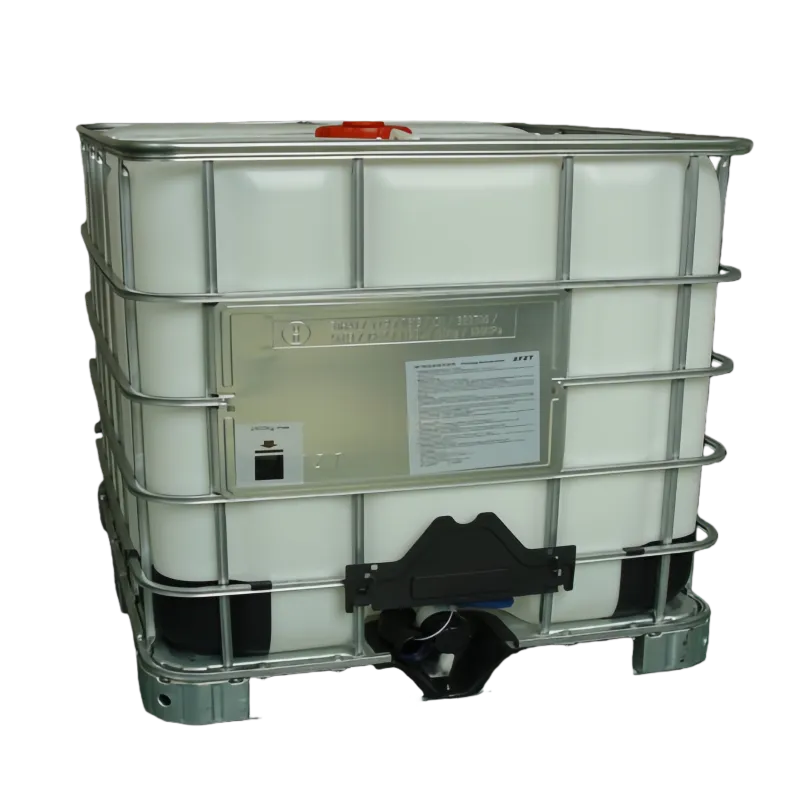
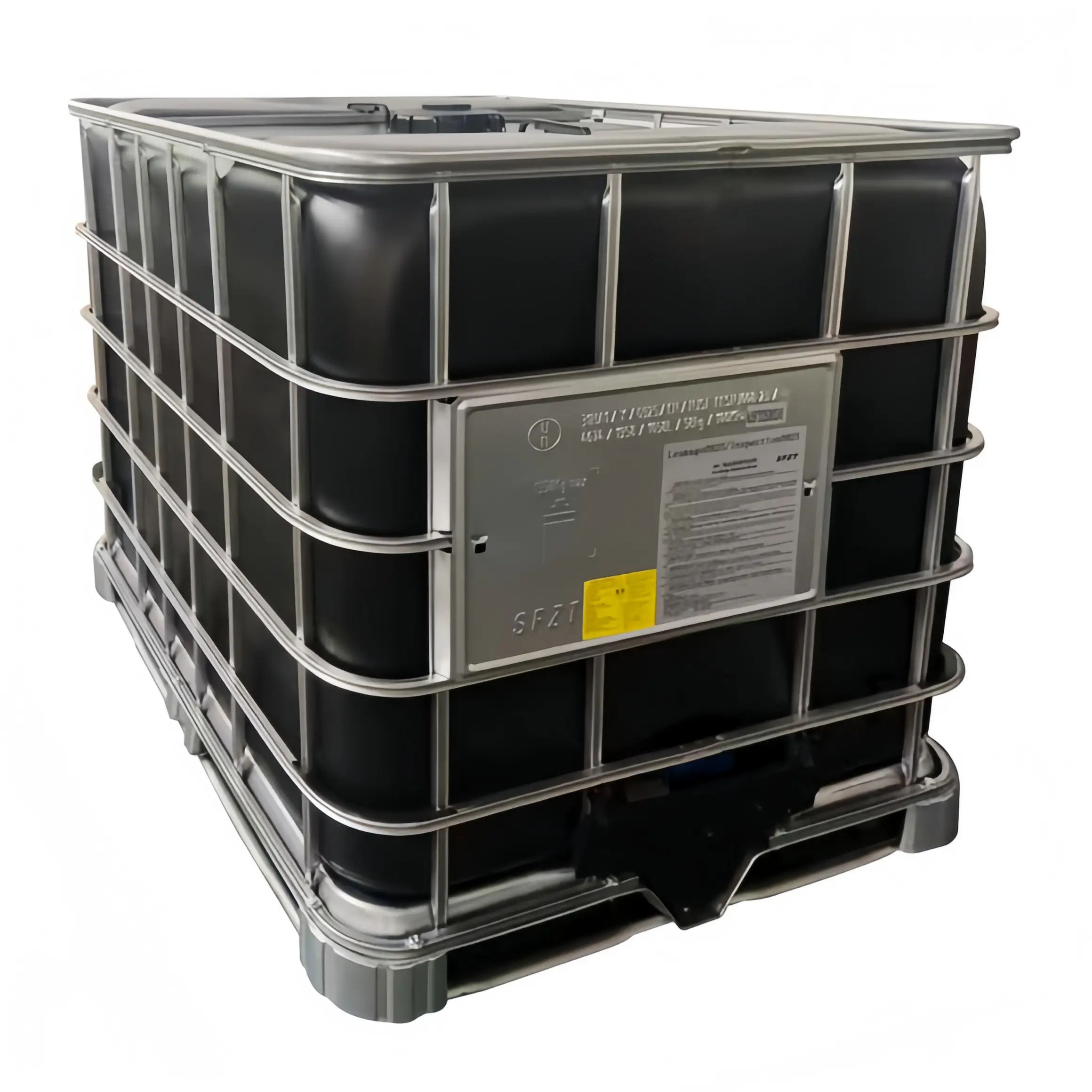
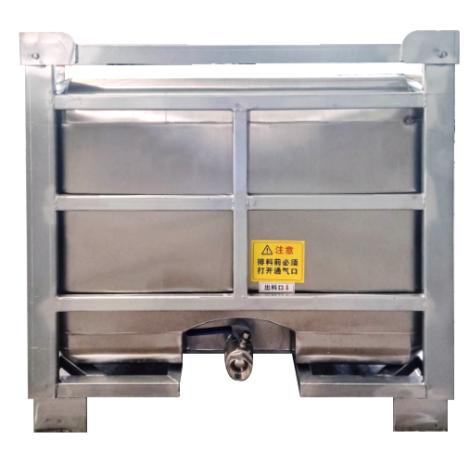
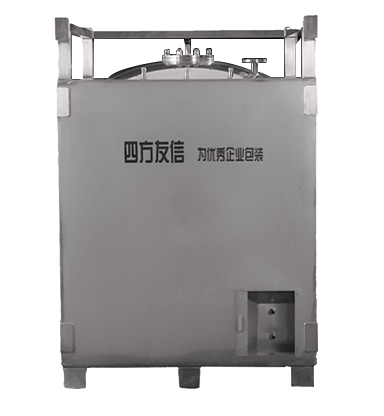
An intermediate bulk container represents a revolutionary solution for modern logistics and material handling operations. These versatile storage and transportation units bridge the gap between small-scale packaging and large-scale bulk storage systems, offering businesses an optimal balance of capacity, efficiency, and cost-effectiveness. The intermediate bulk container typically features a cubic or rectangular design with capacities ranging from 275 to 330 gallons, making it ideal for handling substantial quantities of liquids, powders, and granular materials while maintaining manageable dimensions for standard warehouse and transportation equipment. The technological foundation of an intermediate bulk container incorporates advanced materials science and engineering principles. Most units feature a robust steel cage framework that provides exceptional structural integrity and protection during handling and transport. The inner containment system utilizes high-density polyethylene or specialized composite materials that resist chemical corrosion and maintain product purity. Modern intermediate bulk container designs include integrated forklift pockets and crane lifting points, enabling seamless integration with existing material handling equipment. The discharge system typically incorporates precision-engineered valves and fittings that ensure controlled product dispensing while preventing contamination and spillage. Applications for intermediate bulk container systems span numerous industries including chemical manufacturing, food processing, pharmaceutical production, and agricultural operations. In chemical facilities, these containers safely store and transport hazardous materials while meeting stringent safety regulations. Food processors utilize intermediate bulk container units for ingredients like syrups, oils, and liquid additives, benefiting from their sanitary design and easy cleaning capabilities. Pharmaceutical companies rely on these containers for raw materials and finished products, appreciating their ability to maintain sterile conditions and provide accurate inventory tracking. Agricultural businesses employ intermediate bulk container systems for fertilizers, pesticides, and liquid nutrients, streamlining their distribution and application processes while reducing environmental impact through improved containment and reduced packaging waste.


Popular Products

The intermediate bulk container delivers substantial operational advantages that directly impact your bottom line and operational efficiency. These containers eliminate the need for countless smaller packages, reducing labor costs associated with handling, stacking, and inventory management. Workers can move large quantities of materials using standard forklifts or pallet jacks, significantly decreasing the time and effort required for warehouse operations. The streamlined handling process reduces workplace injuries and increases productivity by allowing staff to focus on higher-value activities rather than repetitive manual tasks. Storage optimization represents another critical advantage of intermediate bulk container systems. These containers maximize warehouse space utilization through their standardized dimensions and stackable design. Unlike irregular packaging that creates wasted space, intermediate bulk container units fit efficiently into standard racking systems and storage areas. The cubic design ensures optimal space usage while the integrated pallet base allows for easy movement and positioning. This efficiency translates into reduced warehouse costs and improved inventory turnover rates. Transportation benefits of intermediate bulk container systems extend beyond simple capacity considerations. These containers integrate seamlessly with existing logistics networks, fitting standard truck beds, shipping containers, and rail cars without requiring specialized equipment or modifications. The reduced packaging material compared to smaller containers decreases shipping weight and volume, resulting in lower freight costs and reduced environmental impact. The standardized design enables efficient loading and unloading procedures, minimizing dwell time at facilities and improving overall supply chain velocity. Cost reduction through intermediate bulk container adoption occurs across multiple operational areas. The elimination of numerous small containers reduces purchasing costs for packaging materials while decreasing disposal expenses and environmental fees. The reusable nature of these containers provides long-term value, as they typically withstand hundreds of use cycles with proper maintenance. The reduced need for protective packaging and cushioning materials further decreases costs while simplifying shipping procedures. Quality preservation and contamination prevention capabilities of intermediate bulk container systems protect product integrity throughout the supply chain. The sealed design prevents moisture, dust, and other contaminants from affecting stored materials, reducing product losses and quality issues. Temperature-controlled variants maintain product stability for sensitive materials, while specialized linings and coatings ensure compatibility with aggressive chemicals and corrosive substances.

Tips And Tricks

How Does Coating Thickness Affect the Performance of Inner Coating Steel Drums?

23

Jan

How Does Coating Thickness Affect the Performance of Inner Coating Steel Drums?

The performance and reliability of industrial storage containers depend heavily on the quality and specifications of their protective barriers. When it comes to inner coating steel drums, the thickness of the internal protective layer plays a crucial...
View More
How Does a Stainless Steel Drum Support Long-Term Material Storage?

25

Feb

How Does a Stainless Steel Drum Support Long-Term Material Storage?

Industrial material storage presents complex challenges that require robust, reliable solutions capable of maintaining product integrity over extended periods. A stainless steel drum serves as an exceptional storage vessel, offering unparalleled prot...
View More
Why Is a Vacuum Brazing Furnace Critical for High-Precision Component Manufacturing?

25

Feb

Why Is a Vacuum Brazing Furnace Critical for High-Precision Component Manufacturing?

High-precision component manufacturing demands exceptional joining techniques that maintain material integrity while delivering reliable, leak-proof connections. A vacuum brazing furnace represents the pinnacle of advanced thermal processing technolo...
View More
How Does a Vacuum Brazing Furnace Reduce Oxidation During Processing?

25

Feb

How Does a Vacuum Brazing Furnace Reduce Oxidation During Processing?

Modern manufacturing processes demand precise control over atmospheric conditions to achieve optimal results, particularly when joining metals through brazing operations. A vacuum brazing furnace represents a sophisticated solution that eliminates ox...
View More

Get a Free Quote

Our representative will contact you soon.
Email
Name
Company Name
Message
0/1000

intermediate bulk container

Enhanced Safety and Regulatory Compliance

Enhanced Safety and Regulatory Compliance

The intermediate bulk container excels in providing unparalleled safety features and regulatory compliance capabilities that protect both personnel and products throughout handling and storage operations. These containers incorporate multiple layers of safety engineering, starting with their robust construction that meets or exceeds international standards for hazardous material containment. The steel cage framework provides exceptional impact resistance and structural integrity, protecting the inner container from damage during transport and handling. This design significantly reduces the risk of spills, leaks, and accidents that could endanger workers or contaminate the environment. Advanced safety features include pressure relief systems that prevent container rupture under thermal expansion conditions, while specialized valve designs incorporate fail-safe mechanisms that automatically shut off flow in emergency situations. The intermediate bulk container design addresses regulatory requirements across various industries and jurisdictions. For hazardous materials, these containers meet UN specification standards for dangerous goods transportation, ensuring compliance with international shipping regulations. The traceable construction materials and documented testing procedures provide the verification required by regulatory agencies. Food-grade intermediate bulk container variants comply with FDA and USDA standards for food contact surfaces, incorporating materials and manufacturing processes that prevent contamination and ensure product safety. Pharmaceutical applications benefit from containers that meet cGMP requirements and provide the documentation necessary for regulatory audits. The safety advantages extend to operational procedures where intermediate bulk container systems reduce manual handling requirements and associated injury risks. Workers no longer need to lift and manipulate numerous heavy packages, as mechanical equipment handles the entire container unit. The integrated lifting points and forklift pockets ensure secure handling that prevents dropping or tipping incidents. Emergency response procedures become more manageable with intermediate bulk container systems, as responders deal with fewer, more predictable container types. The standardized design enables consistent emergency protocols and specialized equipment deployment. Training requirements decrease as workers learn unified procedures for container handling rather than managing multiple packaging types with varying safety requirements.
Superior Product Quality and Contamination Prevention

Superior Product Quality and Contamination Prevention

The intermediate bulk container delivers exceptional product quality preservation through advanced barrier technologies and contamination prevention systems that maintain material integrity from manufacturing through end-use applications. The sophisticated design incorporates multiple protective layers that shield contents from environmental factors, chemical interactions, and physical damage that could compromise product quality. The inner liner systems utilize specially formulated materials that provide chemical compatibility across a wide range of substances while preventing migration of flavors, odors, or contaminants. These barriers maintain product purity levels that meet stringent industry standards for pharmaceuticals, food ingredients, and specialty chemicals. Moisture control represents a critical aspect of product quality preservation where intermediate bulk container systems excel. The hermetically sealed design prevents humidity infiltration that could cause clumping, degradation, or spoilage of sensitive materials. Specialized breathing systems maintain internal pressure equilibrium while filtering incoming air through high-efficiency particulate barriers. This controlled environment prevents oxidation, bacterial growth, and other quality-degrading processes that occur in conventional packaging systems. The intermediate bulk container design facilitates precise environmental control through optional features like temperature monitoring, humidity sensors, and inert gas blanketing systems that provide additional protection for ultra-sensitive products. Quality assurance benefits extend to inventory management and traceability systems that intermediate bulk container implementations enable. The larger container size reduces the number of individual units requiring tracking and testing, simplifying quality control procedures while maintaining comprehensive oversight. Batch integrity remains intact throughout the distribution process, as products stay within their original container rather than being transferred through multiple packaging stages. This continuity prevents cross-contamination risks and maintains clear chain of custody documentation. The cleanability and sanitization capabilities of intermediate bulk container systems support quality maintenance between uses. Smooth interior surfaces and accessible design features enable thorough cleaning and inspection procedures. Specialized cleaning systems can flush containers with solvents, steam, or sanitizing solutions to remove residues and contaminants. The ability to visually inspect the entire interior ensures complete cleaning verification, while standardized cleaning procedures reduce variability in sanitation effectiveness.
Exceptional Cost Efficiency and Resource Optimization

Exceptional Cost Efficiency and Resource Optimization

The intermediate bulk container represents a paradigm shift in cost efficiency and resource optimization that delivers measurable financial benefits across multiple operational areas. The economic advantages begin with reduced packaging material costs, as a single intermediate bulk container replaces hundreds of smaller packages, dramatically decreasing the total material consumption required for equivalent storage capacity. The elimination of secondary packaging, cushioning materials, and protective wrapping further reduces material expenses while simplifying procurement processes. The reusable nature of these containers provides long-term value creation, as each unit typically supports hundreds of use cycles with minimal maintenance requirements, spreading the initial investment across extensive operational periods. Labor cost optimization through intermediate bulk container adoption creates substantial operational savings that compound over time. The mechanized handling capabilities eliminate manual lifting and carrying activities that consume significant labor hours in traditional packaging systems. A single forklift operator can move the equivalent of dozens of smaller packages in minutes rather than hours, freeing personnel for value-added activities like quality control, customer service, and process improvement initiatives. The reduced handling complexity minimizes training requirements and decreases the likelihood of handling errors that could result in product damage or safety incidents. Inventory management efficiency improvements deliver both direct cost savings and operational benefits through intermediate bulk container implementation. The reduced number of individual container units simplifies tracking systems and decreases administrative overhead associated with inventory control. Warehouse space utilization improves significantly due to the standardized dimensions and stackable design that maximizes storage density. The elimination of complex packaging configurations reduces picking errors and streamlines fulfillment operations. Transportation cost optimization occurs through multiple mechanisms in intermediate bulk container systems. The standardized dimensions integrate perfectly with existing logistics infrastructure, maximizing truck trailer and shipping container utilization. The reduced packaging weight compared to equivalent smaller containers decreases freight charges and fuel consumption. Loading and unloading efficiency improvements reduce terminal dwell time and associated charges. The consolidation of shipments into fewer container units simplifies documentation and customs procedures for international shipments. Environmental cost benefits include reduced waste disposal expenses and lower environmental compliance costs through decreased packaging material consumption and waste generation.

Get a Free Quote

Our representative will contact you soon.
Email
Name
Company Name
Message
0/1000