steel ibc containers
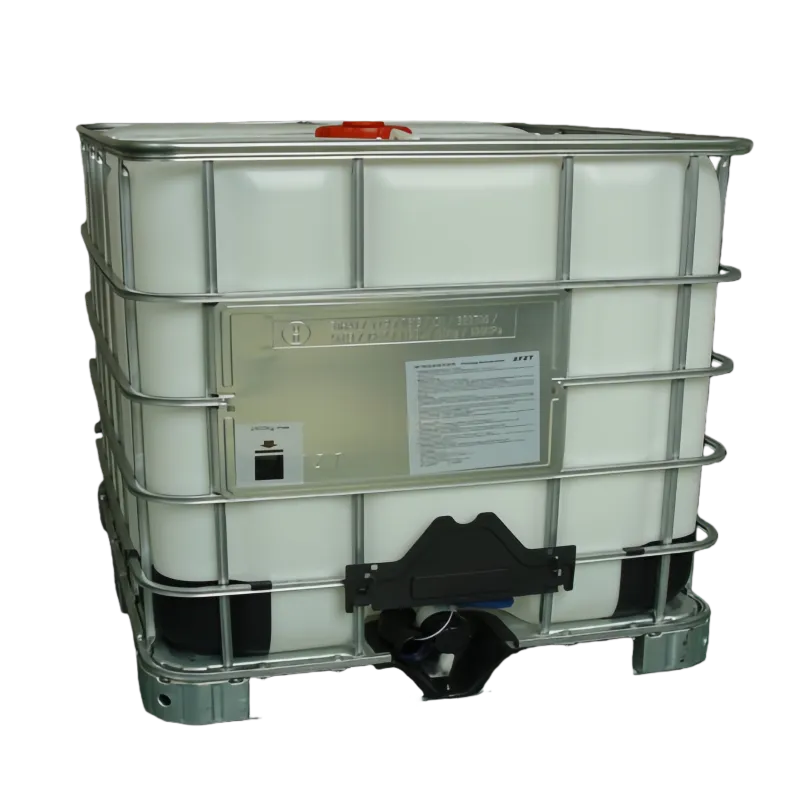
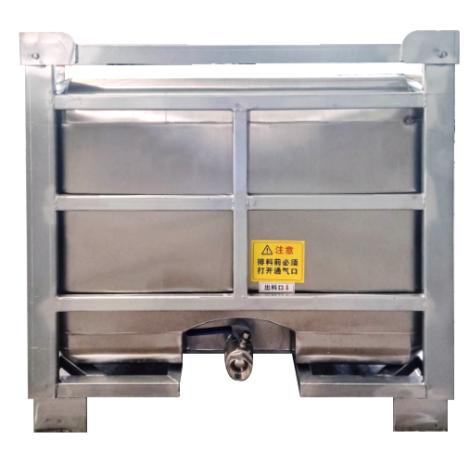
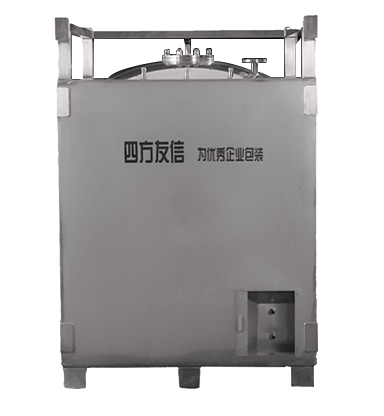
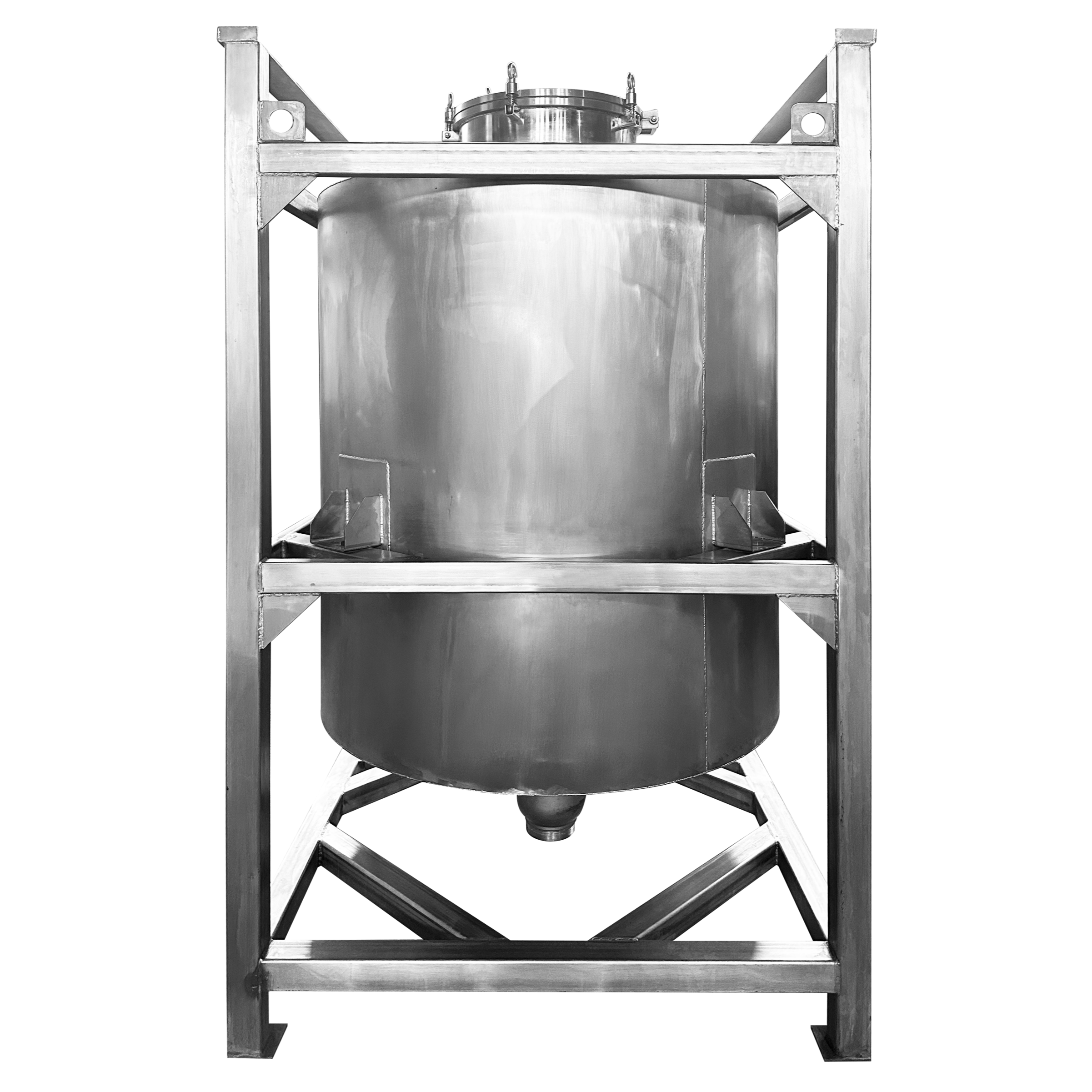
Steel IBC containers represent a revolutionary solution in industrial liquid and bulk material storage and transportation. These robust intermediate bulk containers combine exceptional durability with practical functionality, making them indispensable across numerous industries. The primary function of steel IBC containers centers on providing secure, efficient storage and transport for a wide variety of materials, including chemicals, pharmaceuticals, food products, and industrial liquids. These containers typically feature a cubic design with capacities ranging from 275 to 330 gallons, optimizing space utilization during storage and shipping operations. The technological architecture of steel IBC containers incorporates advanced welding techniques and premium-grade steel construction, ensuring superior structural integrity under demanding conditions. The containers feature integrated pallet bases for easy handling with standard forklifts and pallet jacks, while reinforced corners and edges provide additional protection against impact damage. Most steel IBC containers include specialized valve systems and closure mechanisms designed to prevent contamination and ensure product integrity throughout the supply chain. Temperature resistance capabilities allow these containers to maintain structural stability across extreme temperature variations, making them suitable for both heated and frozen product applications. The modular design facilitates efficient stacking configurations, maximizing warehouse space utilization and reducing storage costs. Applications span across chemical processing facilities, pharmaceutical manufacturing, food and beverage production, automotive industries, and hazardous material handling operations. Quality control measures integrated into steel IBC containers include pressure testing, leak detection systems, and compliance certifications meeting international safety standards. The containers accommodate various discharge methods, including gravity flow, pumping systems, and pneumatic transfer mechanisms, providing operational flexibility for different industrial processes.

 EN
EN