Premium Stainless Steel Bulk Containers - Industrial Storage Solutions for Maximum Durability and Hygiene

All Categories

Get a Free Quote

Our representative will contact you soon.
Email
Name
Company Name
Message
0/1000

stainless steel bulk containers

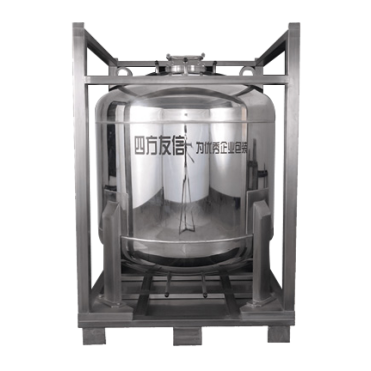
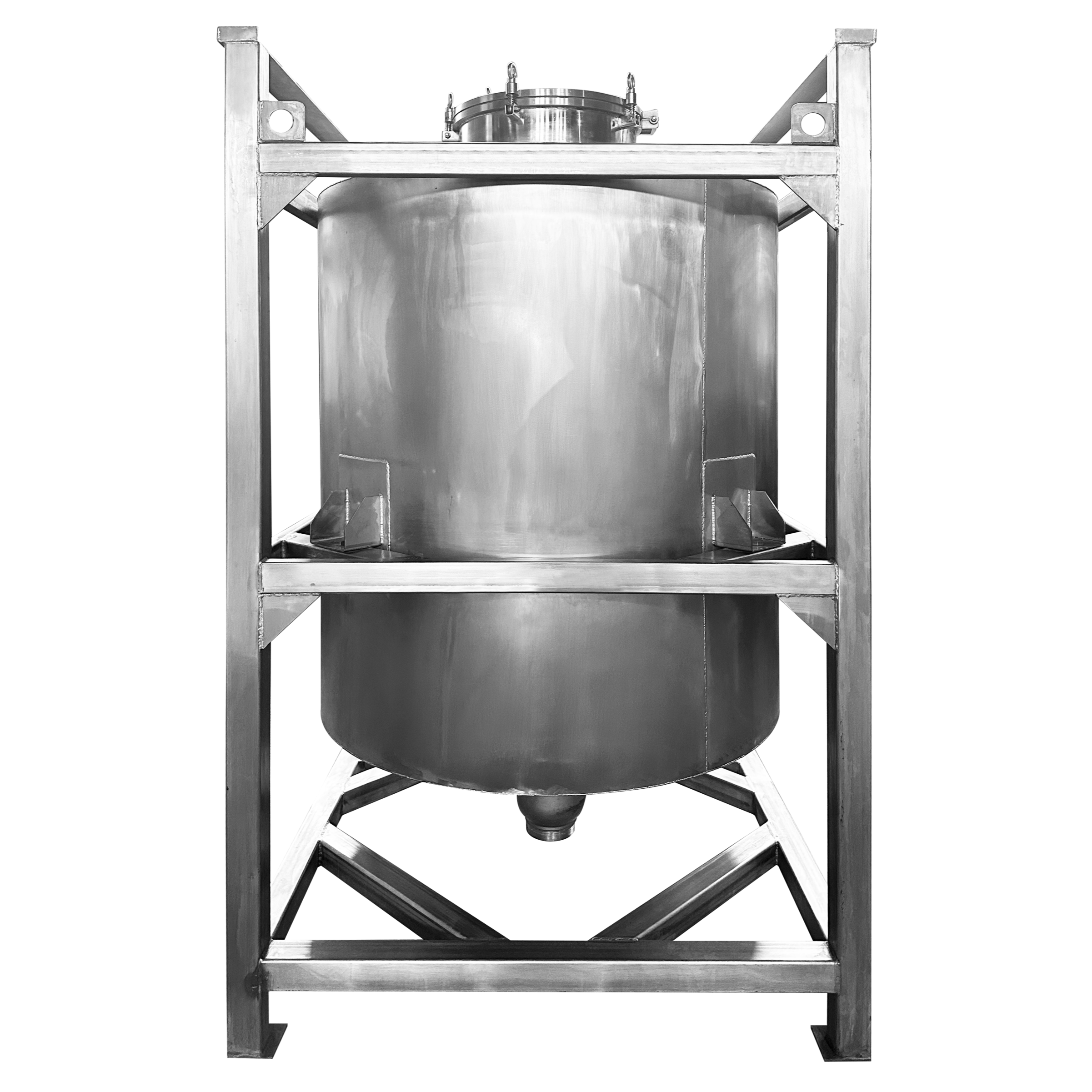
Stainless steel bulk containers represent a cornerstone of modern industrial storage and transportation solutions, engineered to meet the demanding requirements of various industries worldwide. These robust storage vessels are manufactured from high-grade stainless steel alloys, primarily 304 and 316 grades, which provide exceptional resistance to corrosion, chemical reactions, and environmental degradation. The primary function of stainless steel bulk containers involves safely storing, transporting, and handling large quantities of liquid, semi-solid, and powdered materials across diverse industrial applications. These containers feature advanced welding techniques that create seamless joints, ensuring structural integrity and preventing contamination risks. The technological framework incorporates precision manufacturing processes, including computer-controlled machining, automated welding systems, and rigorous quality testing protocols. Modern stainless steel bulk containers integrate sophisticated design elements such as reinforced sidewalls, optimized weight distribution systems, and standardized fitting connections that facilitate easy handling and transportation. The containers are available in various capacities, ranging from 200 liters to several thousand liters, accommodating different operational scales and requirements. Advanced models incorporate specialized features like temperature control systems, pressure relief valves, and integrated monitoring sensors that provide real-time data on contents and container conditions. Applications span across pharmaceutical manufacturing, food and beverage processing, chemical production, cosmetics industry, and agricultural sectors. In pharmaceutical applications, these containers maintain sterile environments essential for drug production and storage. Food industry utilization includes storing ingredients, processing intermediates, and finished products while maintaining hygiene standards. Chemical industries rely on these containers for safely handling reactive substances, acids, and specialty chemicals. The aerospace and automotive sectors utilize stainless steel bulk containers for storing specialized lubricants, coolants, and manufacturing components that require contamination-free environments.


New Product Recommendations

Stainless steel bulk containers deliver exceptional value through their superior durability and longevity compared to alternative storage solutions. Unlike plastic or carbon steel containers, stainless steel variants resist cracking, warping, and degradation even under extreme temperature fluctuations and harsh chemical environments. This durability translates into significant cost savings over time, as businesses avoid frequent replacements and maintenance expenses associated with inferior materials. The non-porous surface of stainless steel prevents bacterial growth and contamination, making these containers ideal for industries requiring strict hygiene standards. Easy cleaning and sterilization capabilities reduce operational downtime and ensure compliance with regulatory requirements across pharmaceutical, food, and chemical industries. Stainless steel bulk containers offer remarkable chemical resistance, withstanding exposure to acids, bases, solvents, and other aggressive substances without experiencing material degradation or contamination transfer. This chemical inertness protects product integrity and prevents costly batch losses due to container-induced contamination. The lightweight design, despite robust construction, facilitates easier handling and transportation, reducing labor costs and improving operational efficiency. Standardized dimensions and fittings enable seamless integration into existing production lines, storage facilities, and transportation systems without requiring extensive modifications. Temperature stability allows these containers to maintain consistent performance across wide temperature ranges, from cryogenic applications to high-temperature processes. The recyclable nature of stainless steel aligns with sustainable business practices and environmental regulations, contributing to corporate social responsibility goals. Stackable designs maximize storage space utilization in warehouses and production facilities, optimizing real estate costs and improving inventory management. Quick-disconnect fittings and standardized connections streamline filling, emptying, and cleaning processes, reducing processing time and labor requirements. The transparent identification systems and compatibility with various labeling methods enhance traceability and inventory control. Investment in stainless steel bulk containers demonstrates commitment to quality, safety, and operational excellence, often influencing customer confidence and regulatory approval processes. These containers maintain their appearance and functionality even after years of intensive use, preserving brand image and operational standards throughout their extended service life.

Tips And Tricks

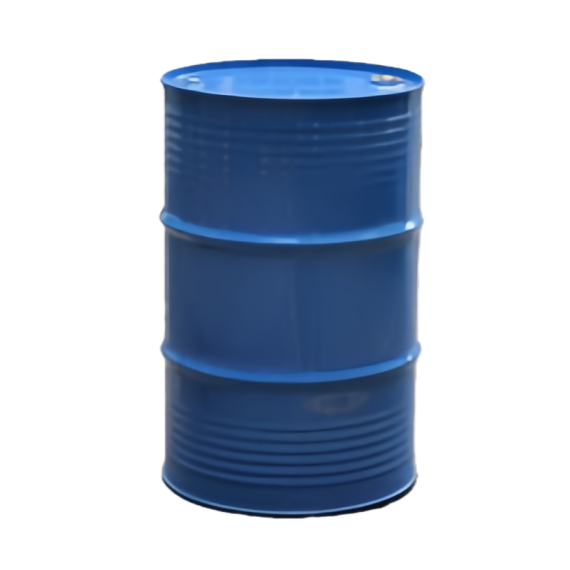
Why Is Metal Barrel Corrosion Protection Important for Industrial Use?

26

Dec

Why Is Metal Barrel Corrosion Protection Important for Industrial Use?

Industrial operations across manufacturing, chemical processing, and petroleum sectors rely heavily on metal barrels for storage and transportation of various materials. These containers face constant exposure to corrosive elements that can compromis...
View More
Why Do Inner Coating Steel Drums Provide Better Protection for Sensitive Materials?

23

Jan

Why Do Inner Coating Steel Drums Provide Better Protection for Sensitive Materials?

The protection of sensitive materials during storage and transportation has become increasingly critical in today's industrial landscape. Industries handling chemicals, pharmaceuticals, and specialty materials require containers that offer superior p...
View More
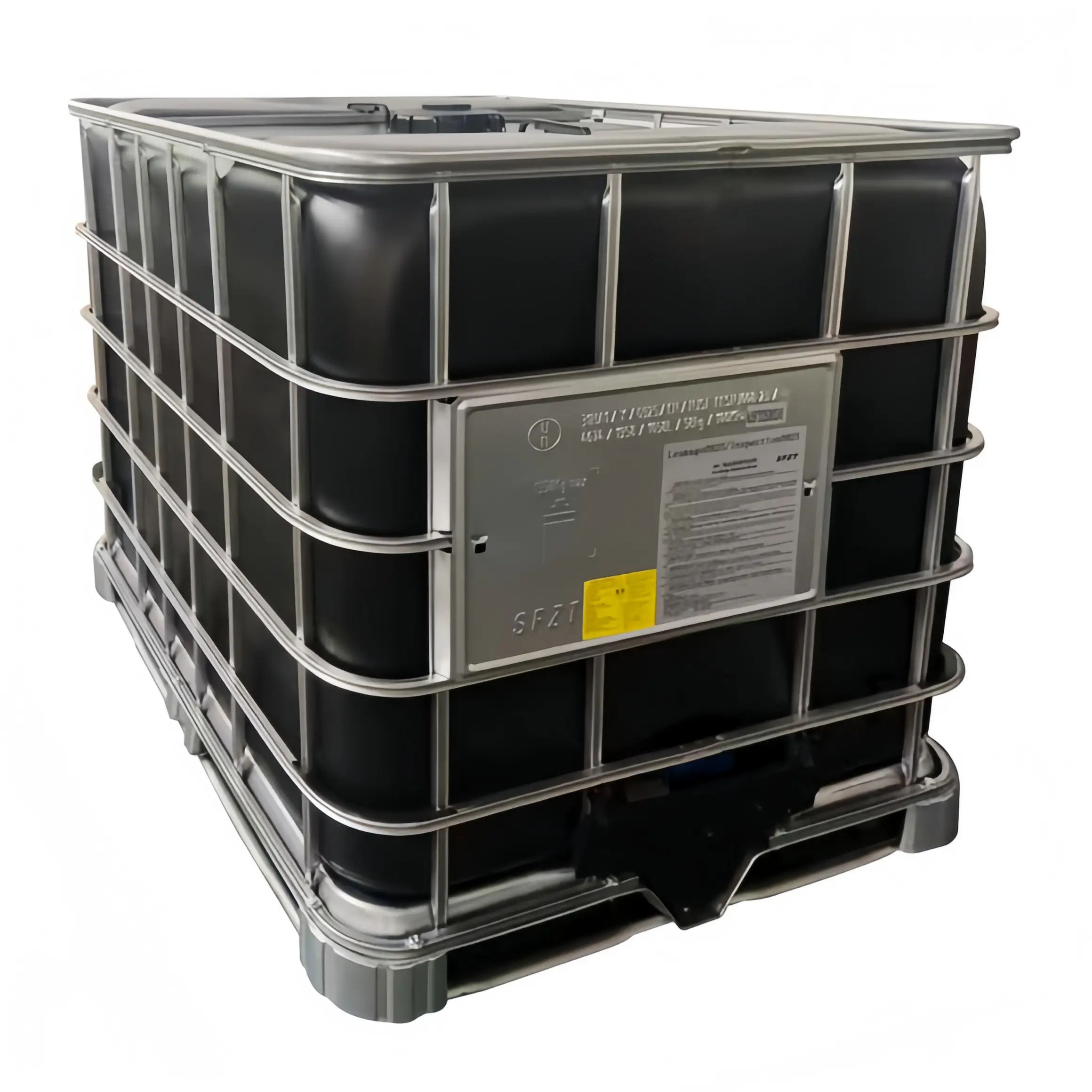
How Do Composite Drums Minimize Leakage Risks in High-Risk Applications?

25

Feb

How Do Composite Drums Minimize Leakage Risks in High-Risk Applications?

Industrial operations handling hazardous chemicals, volatile compounds, and sensitive materials face constant challenges in maintaining containment integrity throughout storage and transportation phases. Traditional packaging solutions often fall sho...
View More
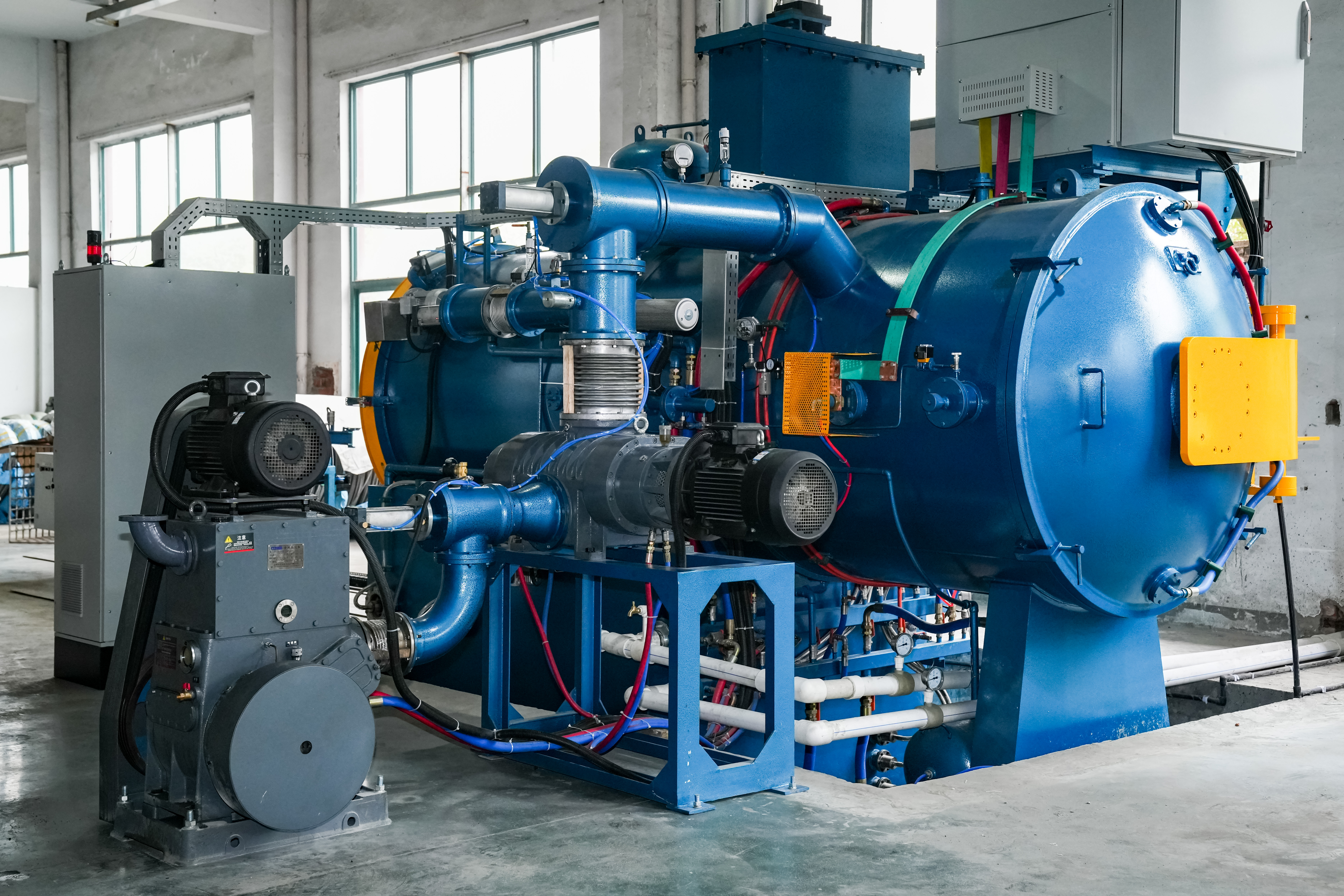
How Does a Vacuum Heat Treatment Furnace Improve Mechanical Properties of Alloys?

25

Feb

How Does a Vacuum Heat Treatment Furnace Improve Mechanical Properties of Alloys?

Modern manufacturing industries rely heavily on advanced heat treatment processes to enhance the mechanical properties of metallic alloys. A vacuum heat treatment furnace represents one of the most sophisticated approaches to achieving superior mater...
View More

Get a Free Quote

Our representative will contact you soon.
Email
Name
Company Name
Message
0/1000

stainless steel bulk containers

Superior Corrosion Resistance and Material Integrity

Superior Corrosion Resistance and Material Integrity

The exceptional corrosion resistance of stainless steel bulk containers stems from their advanced metallurgical composition, featuring chromium content that forms a protective oxide layer on the surface. This passive layer continuously regenerates when damaged, providing self-healing properties that maintain container integrity throughout extended service periods. Unlike carbon steel or aluminum alternatives, stainless steel bulk containers resist pitting, crevice corrosion, and stress corrosion cracking even in challenging environments containing chlorides, acids, and other aggressive chemicals. This superior resistance eliminates the need for protective coatings that can chip, peel, or contaminate stored materials over time. The material integrity extends beyond surface protection to include structural stability under varying pressure conditions, temperature cycling, and mechanical stress. Industries handling corrosive substances, such as chemical processing plants and pharmaceutical manufacturers, benefit enormously from this reliability, as container failure can result in catastrophic product loss, environmental damage, and safety hazards. The consistent performance of stainless steel bulk containers in marine environments, where salt exposure accelerates corrosion in other materials, demonstrates their exceptional durability. Food and beverage industries particularly value this characteristic, as any metallic contamination from container degradation can compromise product safety and regulatory compliance. The longevity provided by superior corrosion resistance translates into substantial economic advantages, including reduced replacement costs, minimized maintenance requirements, and decreased operational disruptions. Quality assurance becomes more predictable when using stainless steel bulk containers, as material degradation variables are virtually eliminated from production processes. The consistent surface properties over time ensure that cleaning and sterilization procedures remain effective throughout the container's service life, maintaining hygienic standards essential for sensitive applications. This reliability factor enables businesses to establish long-term operational planning with confidence, knowing their storage infrastructure will perform consistently regardless of environmental challenges or chemical exposures encountered during normal operations.
Enhanced Hygiene and Easy Cleaning Capabilities

Enhanced Hygiene and Easy Cleaning Capabilities

Stainless steel bulk containers excel in maintaining exceptional hygiene standards through their smooth, non-porous surface finish that prevents bacterial adhesion and biofilm formation. The electropolished surfaces achieve roughness values as low as 0.4 micrometers, creating mirror-like finishes that eliminate microscopic crevices where contaminants could harbor. This surface characteristic proves invaluable in pharmaceutical, food processing, and biotechnology applications where even minimal contamination can compromise entire product batches worth millions of dollars. The cleaning process becomes remarkably efficient due to the inert surface properties that resist chemical absorption and staining, allowing complete removal of residues using standard cleaning protocols. Clean-in-place systems integrate seamlessly with stainless steel bulk containers, enabling automated cleaning cycles that ensure consistent sanitation without manual intervention. The compatibility with various sanitizing agents, including steam sterilization at temperatures exceeding 121 degrees Celsius, provides flexibility in meeting different industry sterilization requirements. Unlike plastic containers that can absorb odors, flavors, and chemicals over time, stainless steel maintains complete chemical neutrality, preventing cross-contamination between different product batches. The validation of cleaning procedures becomes straightforward due to the predictable surface behavior and consistent cleaning response of stainless steel materials. Regulatory compliance, particularly in FDA-regulated industries, benefits from the well-documented hygienic properties and cleaning validation protocols established for stainless steel surfaces. The elimination of cleaning validation concerns reduces operational complexity and accelerates product changeover procedures in multi-product facilities. Visual inspection of cleaning effectiveness becomes more reliable on polished stainless steel surfaces, where residues and contamination are easily detected and addressed. The durability of the hygienic surface properties ensures that cleaning effectiveness does not deteriorate over time, unlike coated surfaces that may wear and expose underlying materials. These cleaning advantages directly impact operational efficiency by reducing cleaning time, minimizing cleaning agent consumption, and decreasing water usage in rinse cycles, contributing to both cost savings and environmental sustainability goals.
Versatile Design and Operational Flexibility

Versatile Design and Operational Flexibility

The exceptional versatility of stainless steel bulk containers manifests through their adaptable design configurations that accommodate diverse operational requirements across multiple industries and applications. These containers feature modular construction approaches that enable customization of capacity, dimensions, fittings, and specialized features to match specific process needs without compromising structural integrity or performance standards. The standardized connection interfaces, including tri-clamp, DIN, and custom fittings, ensure compatibility with existing process equipment and facilitate seamless integration into established production workflows. Temperature management capabilities span from cryogenic applications at minus 196 degrees Celsius to high-temperature processes exceeding 300 degrees Celsius, demonstrating remarkable thermal versatility that eliminates the need for multiple container types. Pressure rating options accommodate everything from vacuum applications to high-pressure systems, providing operational flexibility that adapts to various process conditions and safety requirements. The containers support both static storage and dynamic processing applications, including mixing, blending, and reaction processes that require robust containment systems. Mobile configurations with integrated wheels, lifting lugs, and transportation frameworks enable easy movement between production areas, storage facilities, and transportation vehicles without requiring specialized handling equipment. The scalability of stainless steel bulk containers allows businesses to standardize their storage infrastructure while accommodating growth through consistent container specifications and operational procedures. Multi-port configurations enable simultaneous filling, emptying, sampling, and monitoring operations that optimize process efficiency and reduce handling time. The compatibility with various sensing and monitoring technologies, including level sensors, pressure transmitters, and temperature probes, enables integration into automated control systems and Industry 4.0 initiatives. Specialized configurations for hazardous materials, including explosion-proof fittings and emergency venting systems, demonstrate the adaptability to safety-critical applications. The containers excel in batch processing environments where frequent product changes require rapid turnaround and contamination prevention between different materials. This operational flexibility reduces capital investment requirements by eliminating the need for dedicated storage systems for each product type, while maintaining the quality and safety standards essential for regulated industries and critical applications.

Get a Free Quote

Our representative will contact you soon.
Email
Name
Company Name
Message
0/1000