Superior Safety and Regulatory Compliance Features
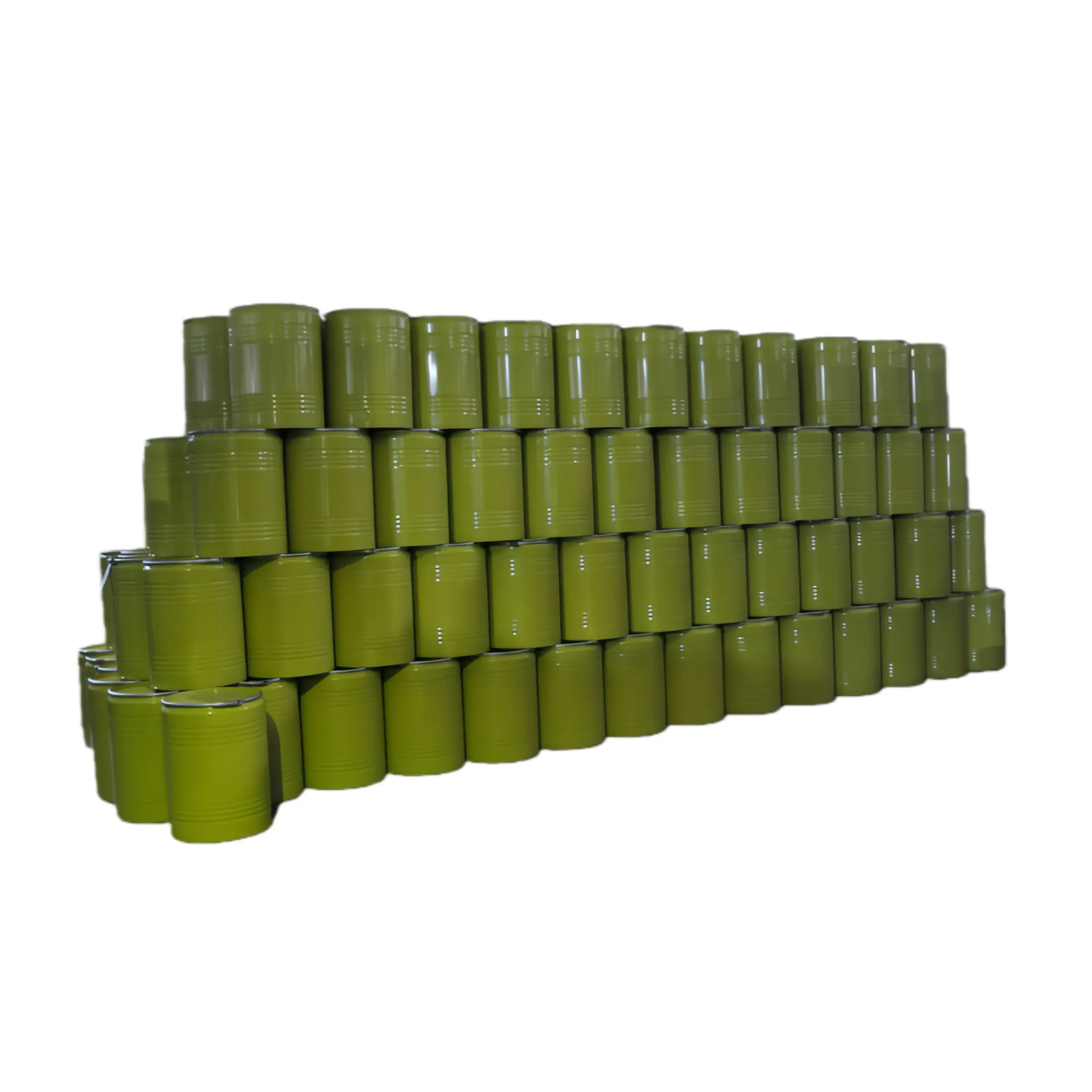
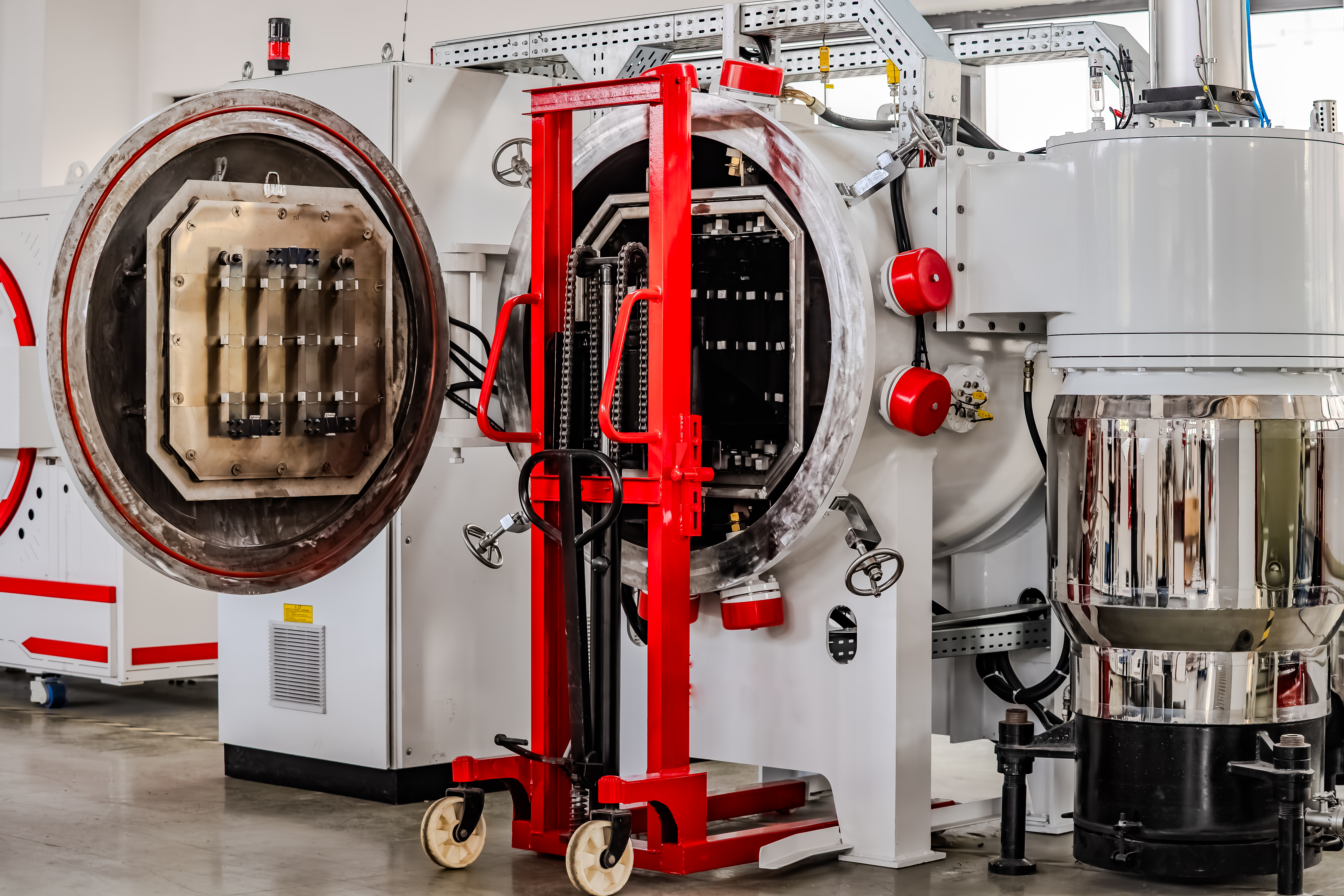
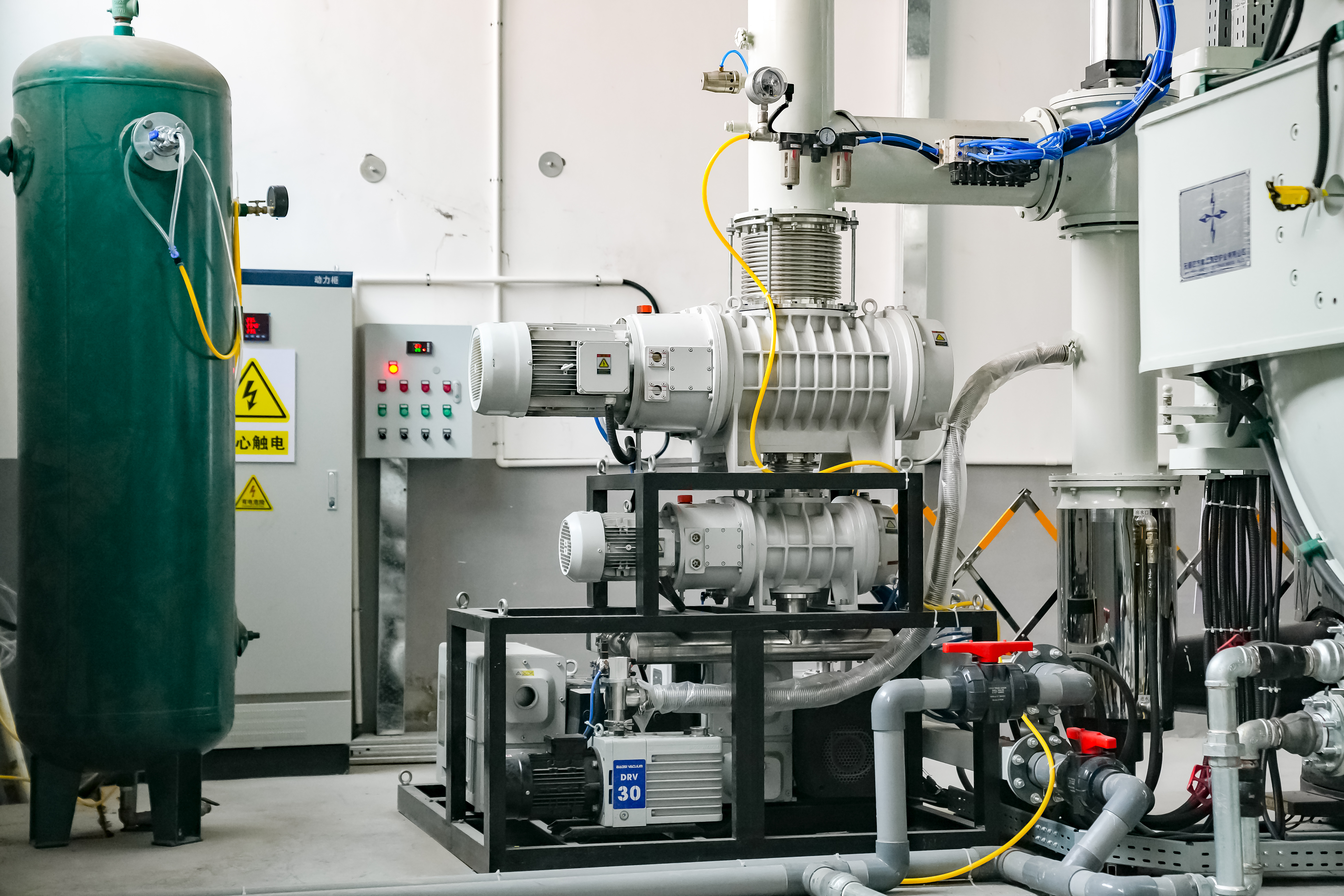
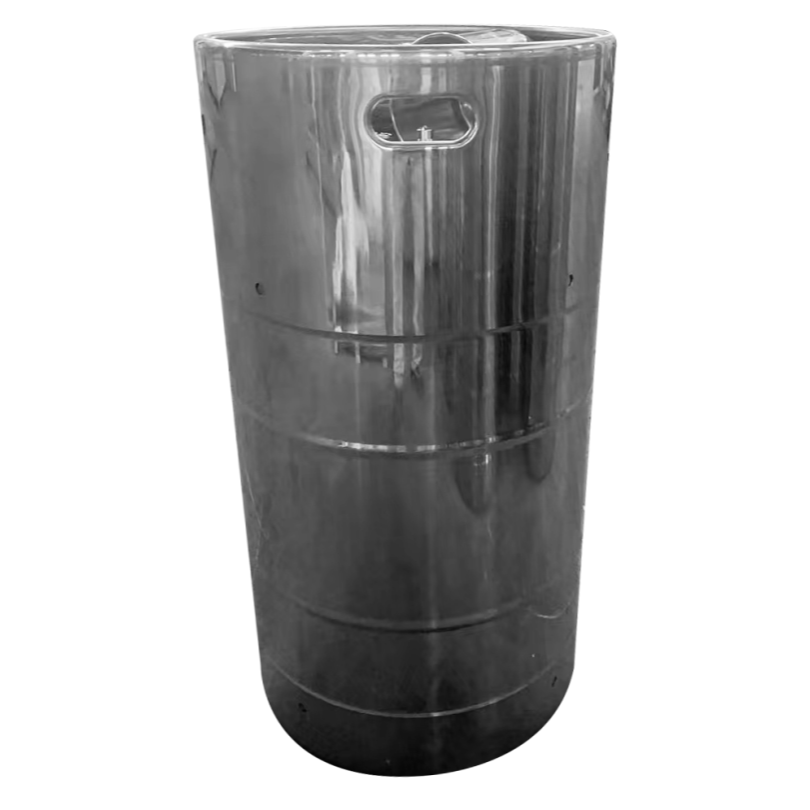
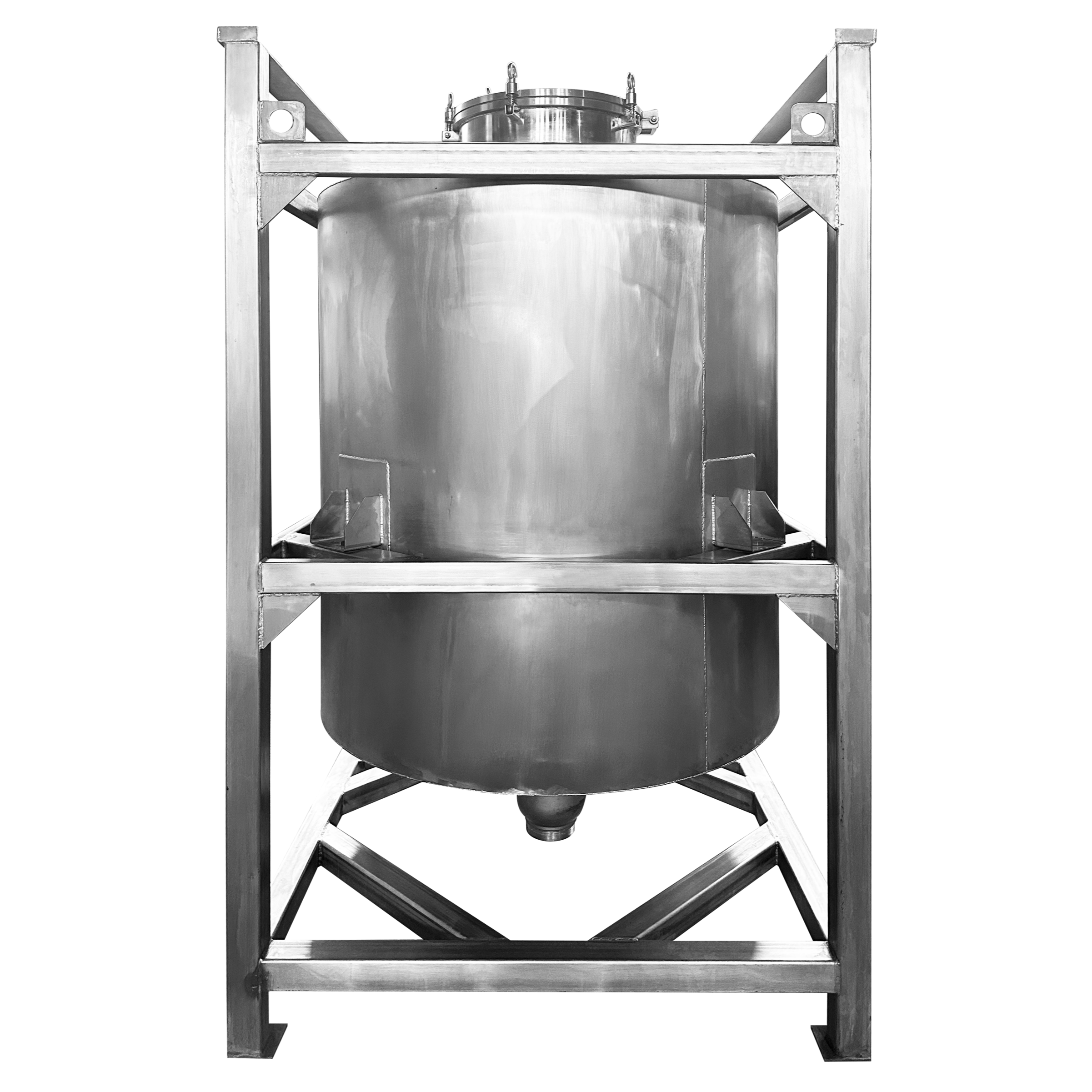
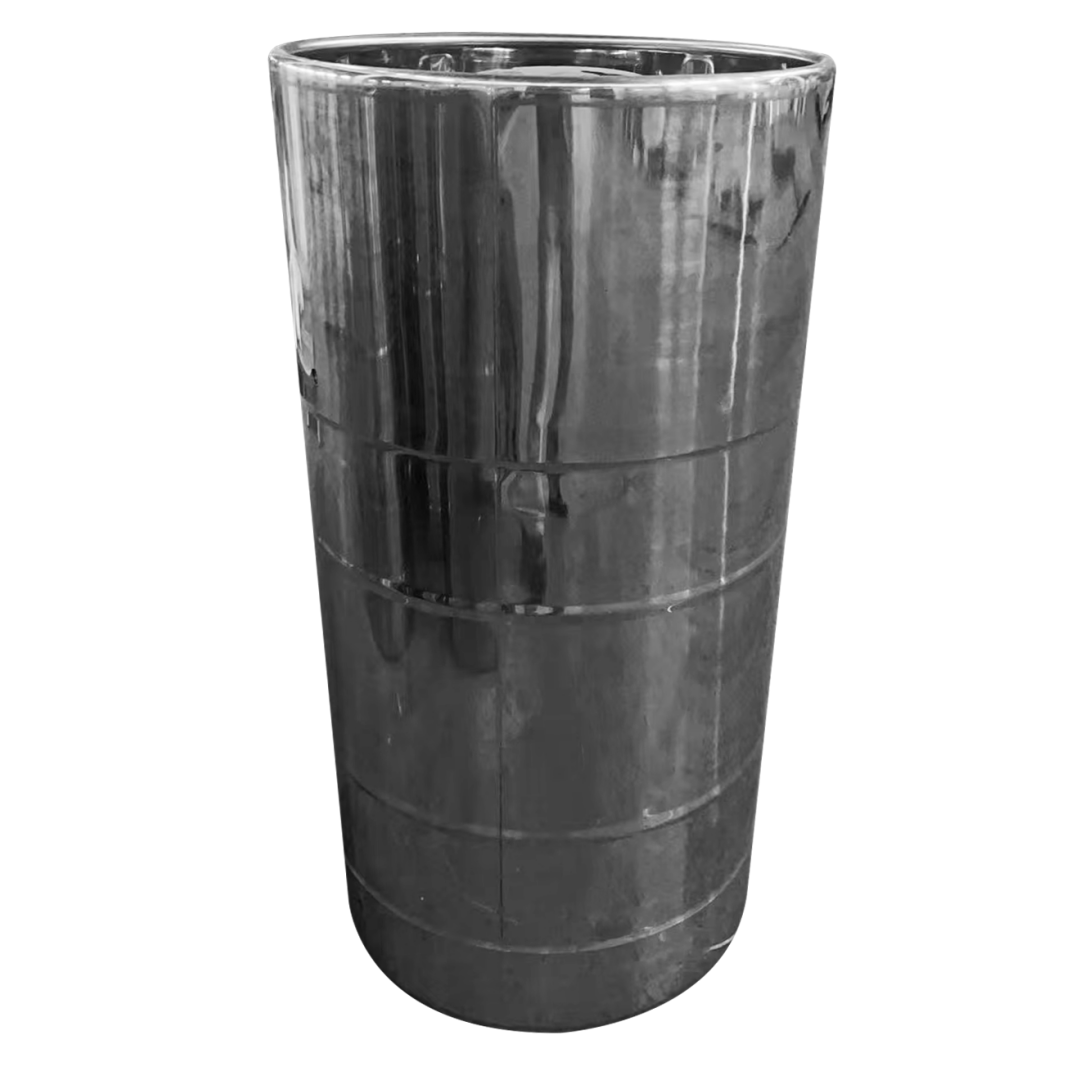
The intermediate bulk container price encompasses comprehensive safety features and regulatory compliance capabilities that protect both personnel and environmental interests while meeting stringent international standards. Modern IBCs incorporate multiple safety systems designed to prevent accidents, contain hazardous materials, and minimize exposure risks during handling, transportation, and storage operations. The intermediate bulk container price reflects advanced engineering that addresses critical safety concerns through robust containment systems, fail-safe designs, and user-friendly operation features. The enclosed design prevents accidental contact with contents, reducing risk of chemical burns, toxic exposure, or other health hazards associated with open storage systems. Integrated safety features include pressure relief systems that prevent dangerous over-pressurization, secure closure mechanisms that maintain containment integrity under various conditions, and clearly marked filling and discharge points that minimize operator error potential. The intermediate bulk container price includes compliance with multiple regulatory frameworks, including UN performance standards for hazardous material packaging, FDA regulations for food-grade applications, and various international transportation requirements. This comprehensive compliance eliminates costly delays, rejections, or penalties that could result from inadequate packaging solutions. The structural design incorporates safety factors that exceed minimum regulatory requirements, providing additional protection margins during normal and emergency situations. Quality IBCs undergo rigorous testing protocols that validate performance under extreme conditions, ensuring reliable containment even when subjected to impacts, temperature variations, or handling stresses. The intermediate bulk container price reflects these extensive testing and certification processes that guarantee consistent safety performance. Emergency response capabilities include design features that facilitate rapid containment of spills, easy decontamination procedures, and compatibility with standard emergency response equipment. The transparent or translucent construction materials allow visual inspection of contents and liquid levels, enabling early detection of potential problems before they develop into serious safety concerns. Professional documentation accompanying each unit provides detailed safety information, handling procedures, and emergency response guidelines that support comprehensive safety management programs and regulatory compliance efforts.
 EN
EN