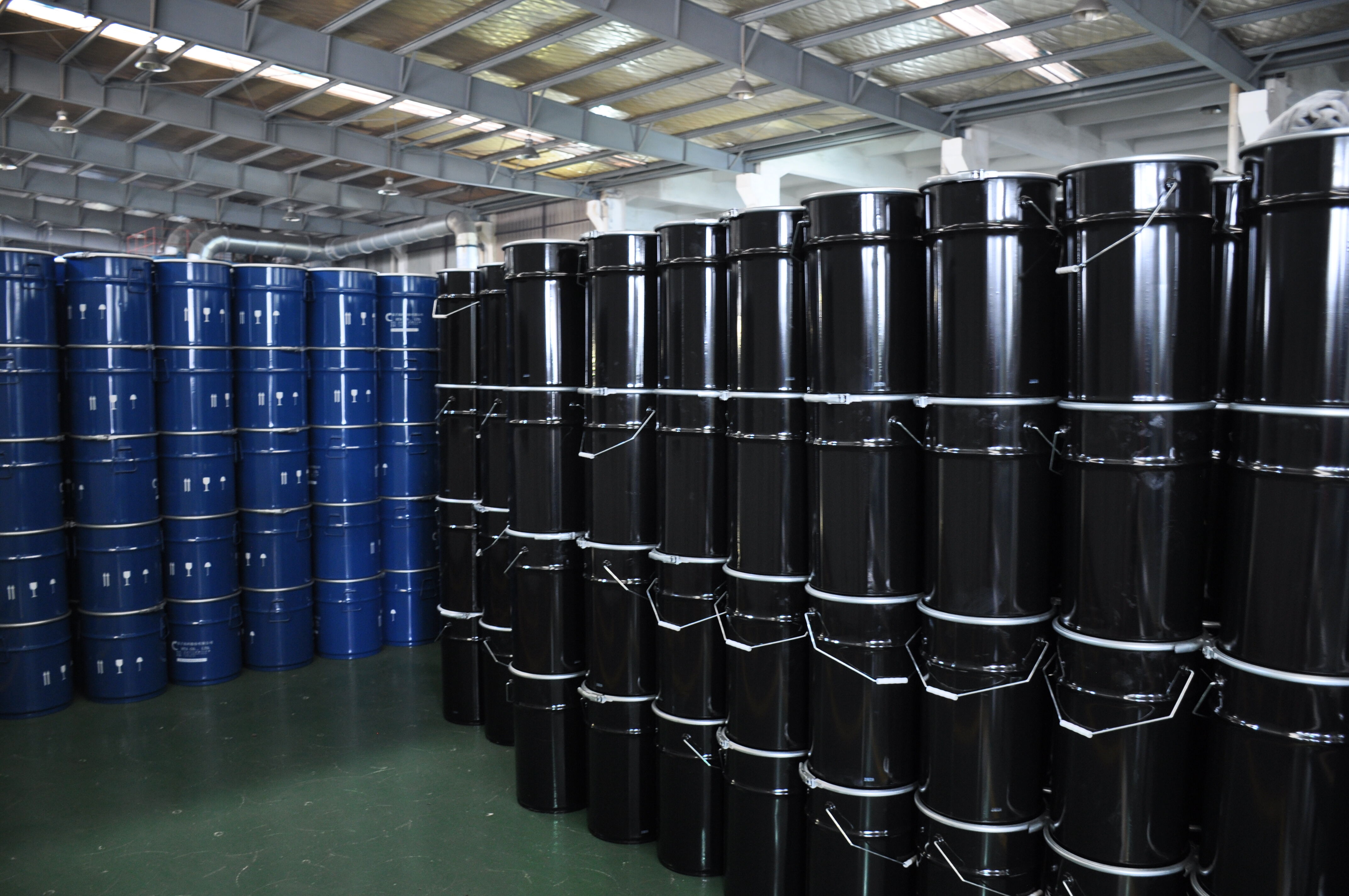
Versatile Applications and Operational Efficiency
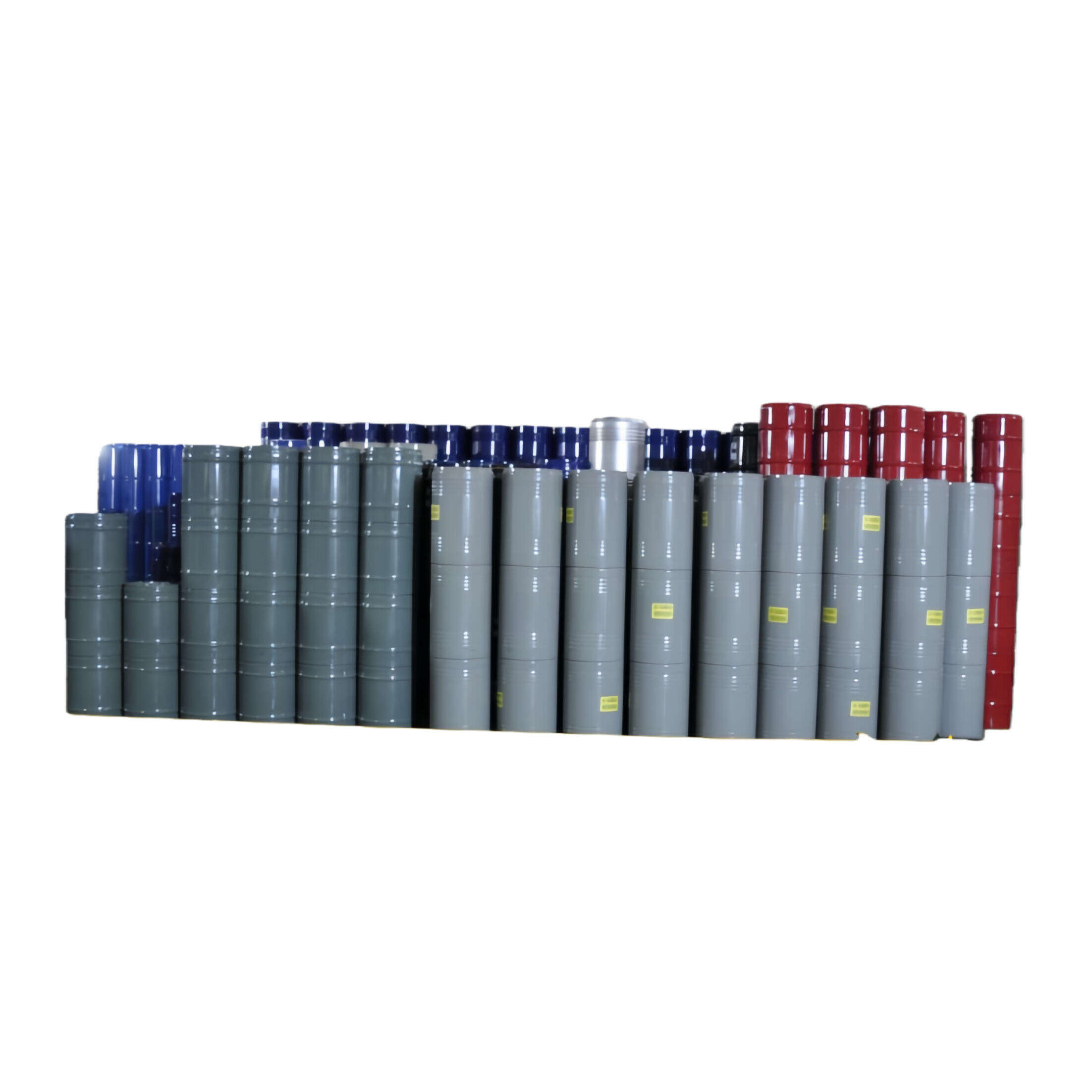
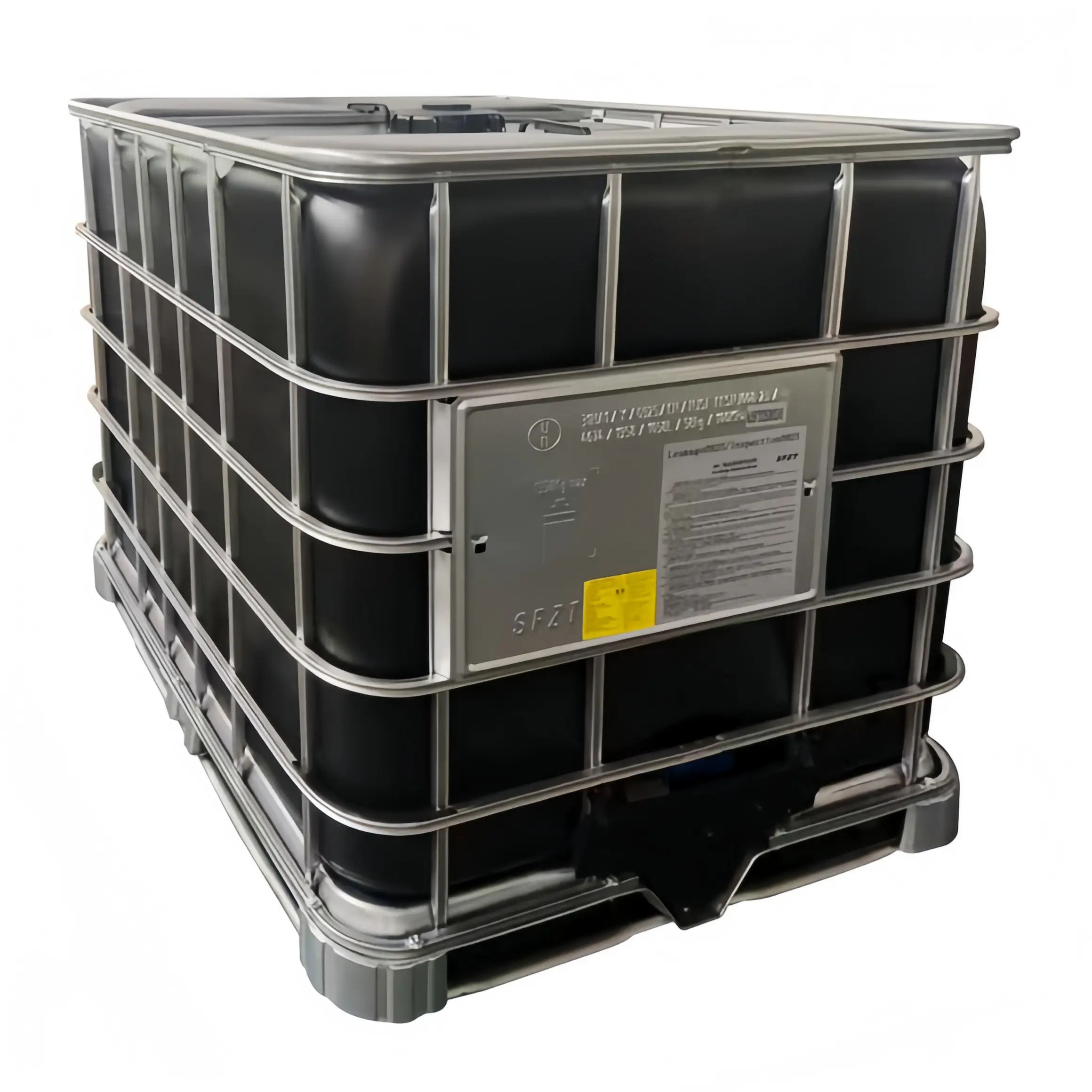
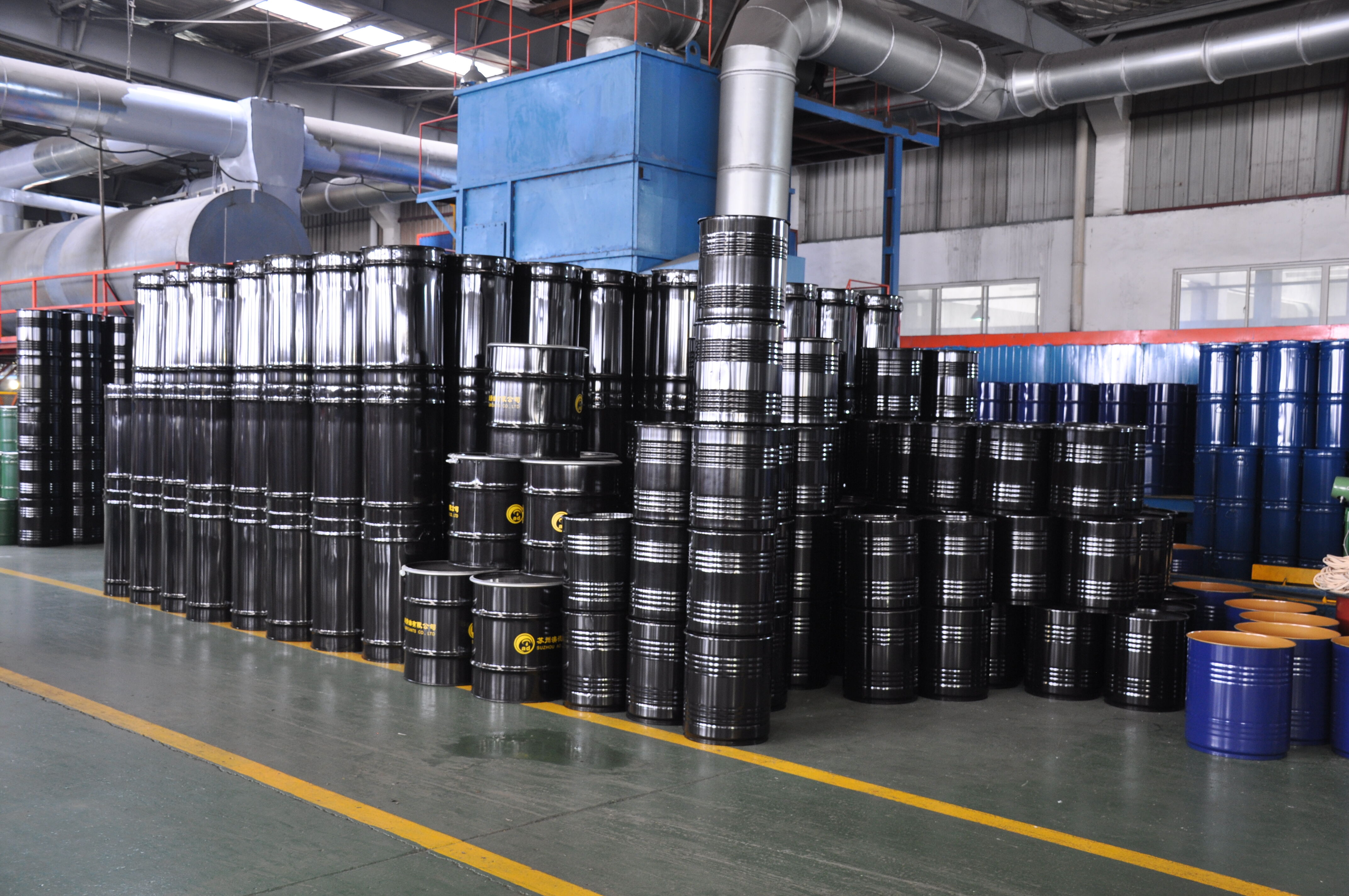
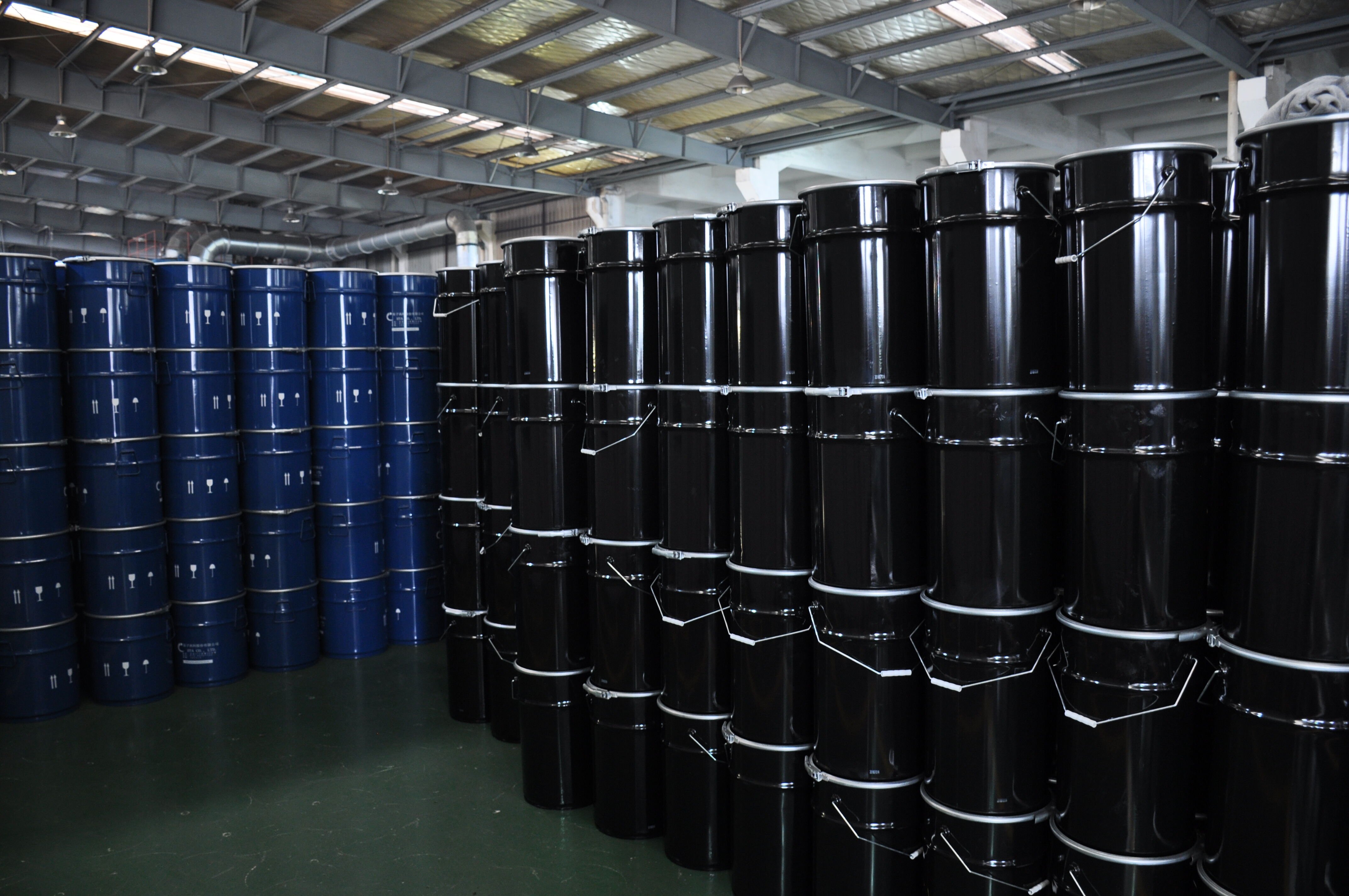
The large metal barrel demonstrates remarkable versatility across diverse industrial applications, adapting seamlessly to various operational requirements while maximizing efficiency and productivity. Manufacturing facilities utilize these containers for raw material storage, work-in-progress handling, and finished product packaging, benefiting from standardized dimensions that integrate with existing material handling systems. The large metal barrel proves essential in chemical processing operations, providing reliable storage for reactants, intermediates, and final products while maintaining strict quality control standards. Agricultural applications leverage these containers for fertilizer storage, pesticide handling, and bulk commodity management, taking advantage of weather resistance and secure closure systems. Waste management operations rely on the large metal barrel for hazardous waste collection, temporary storage, and transportation compliance with environmental regulations. The petroleum industry extensively uses these containers for fuel storage, lubricant handling, and specialty chemical applications where product contamination could result in significant losses. Food and beverage industries utilize food-grade versions for ingredient storage, fermentation processes, and bulk packaging operations. The large metal barrel design accommodates various operational accessories including pumps, heating elements, mixing systems, and automated monitoring equipment that enhance productivity. Material handling efficiency improves through compatibility with standard forklift equipment, crane systems, and conveyor installations. The container dimensions optimize transportation costs by maximizing truck and rail car loading while meeting weight distribution requirements. Inventory management benefits from standardized specifications that simplify procurement, storage planning, and replacement scheduling across multiple facilities. The large metal barrel supports lean manufacturing principles by reducing handling steps, minimizing storage space requirements, and eliminating packaging waste associated with smaller containers. Maintenance requirements remain minimal due to robust construction and corrosion-resistant materials that perform reliably in demanding environments. Operational flexibility allows businesses to adapt these containers for changing requirements without significant capital investment or system modifications.

 EN
EN