Premium Stainless Barrels - Industrial Storage Solutions for Maximum Durability and Hygiene

All Categories

Get a Free Quote

Our representative will contact you soon.
Email
Name
Company Name
Message
0/1000

stainless barrels

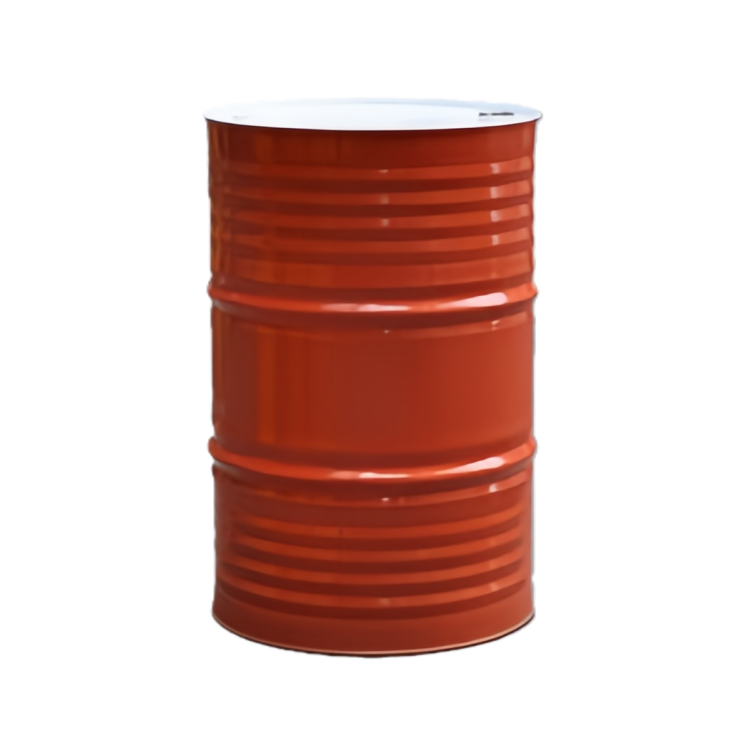
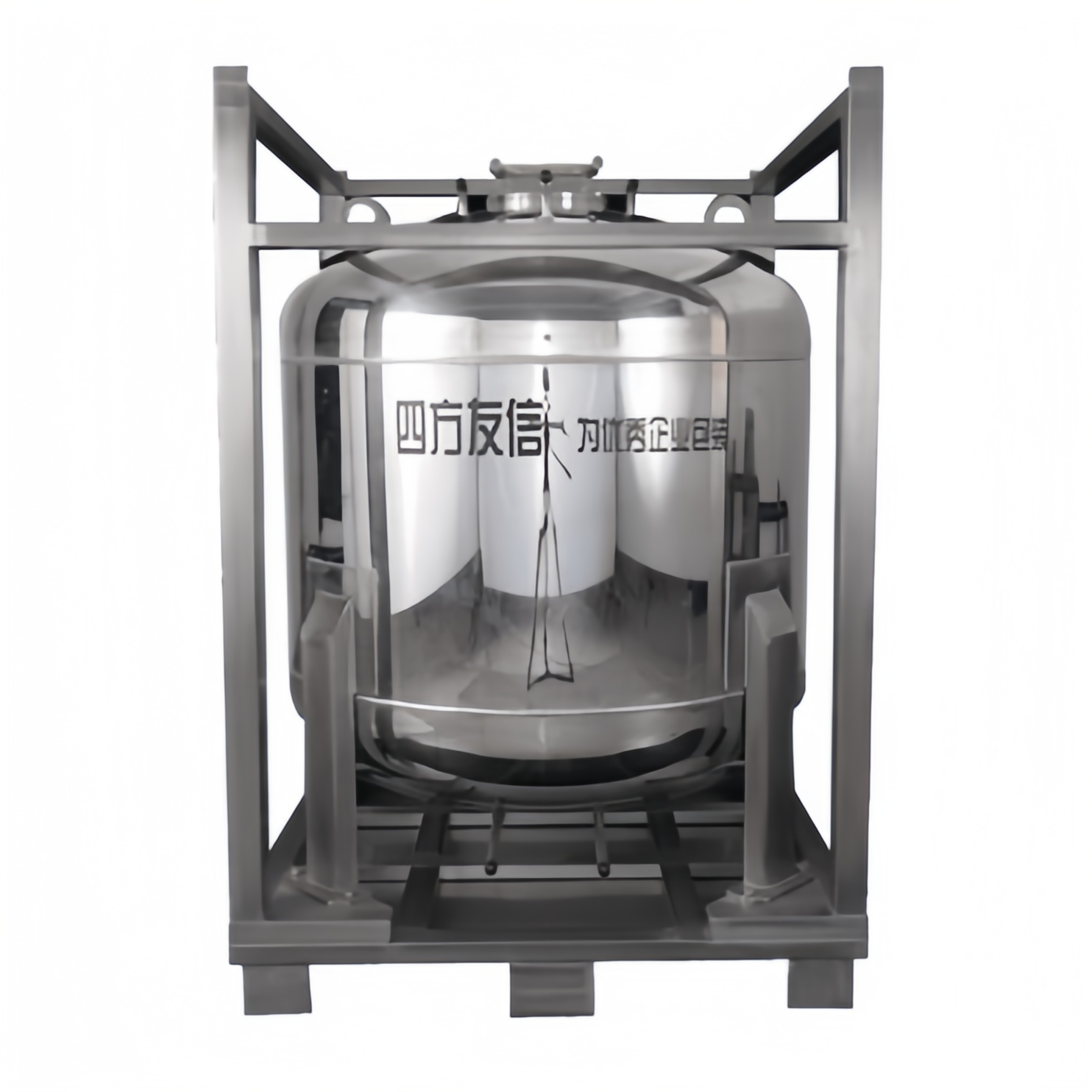
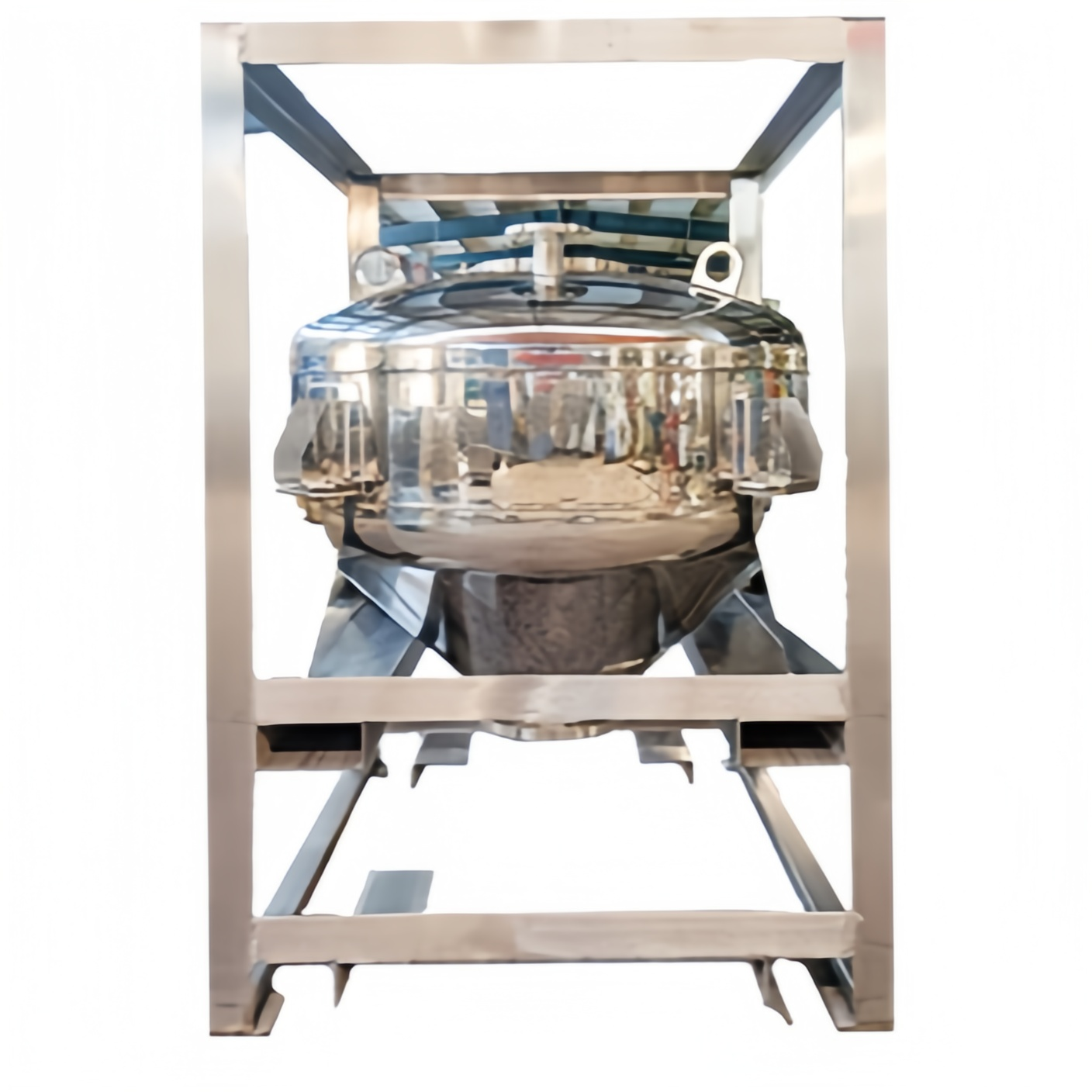
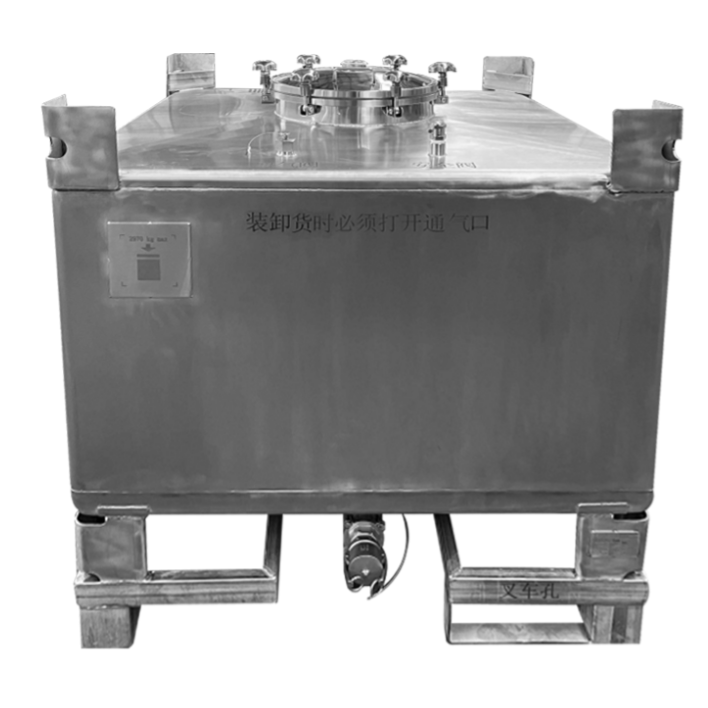
Stainless barrels represent a cornerstone of modern industrial storage and processing solutions, engineered to meet the demanding requirements of diverse commercial applications. These precision-manufactured containers combine superior material properties with advanced engineering to deliver unmatched performance across multiple industries. The primary function of stainless barrels centers on providing secure, hygienic storage for liquids, chemicals, pharmaceuticals, food products, and other materials that require contamination-free environments. Their robust construction ensures reliable containment while maintaining product integrity throughout extended storage periods. The technological features of stainless barrels encompass sophisticated metallurgical compositions, typically utilizing high-grade stainless steel alloys that resist corrosion, oxidation, and chemical reactions. Advanced welding techniques create seamless joints that eliminate potential leak points, while precision-engineered surfaces minimize bacterial growth and facilitate thorough cleaning. Many stainless barrels incorporate specialized closure systems, pressure relief mechanisms, and dispensing components that enhance operational efficiency. Temperature resistance capabilities allow these containers to withstand extreme thermal conditions without compromising structural integrity. Applications span numerous sectors including pharmaceutical manufacturing, chemical processing, food and beverage production, wine making, brewing operations, and laboratory research. Industrial facilities rely on stainless barrels for bulk storage of raw materials, intermediate products, and finished goods. Their versatility extends to transportation applications where secure containment during shipping proves essential. Research laboratories utilize smaller variants for sample storage and experimental procedures. The brewing and distilling industries depend heavily on stainless barrels for fermentation processes, aging procedures, and product transfer operations. Chemical plants employ these containers for storing reactive substances that would corrode conventional materials. Food processing facilities use stainless barrels to maintain sanitary conditions while storing ingredients, sauces, oils, and other consumables that require contamination-free environments for consumer safety.


Popular Products

The benefits of investing in stainless barrels extend far beyond basic storage capabilities, offering customers tangible operational improvements and long-term cost savings. Durability stands as the most compelling advantage, with these containers lasting decades under normal operating conditions while maintaining their structural integrity and appearance. This exceptional longevity eliminates frequent replacement costs that plague facilities using inferior storage solutions. The corrosion resistance inherent in quality stainless steel construction prevents rust formation and chemical degradation that commonly affects carbon steel alternatives, ensuring consistent performance throughout the barrel's service life. Hygiene advantages prove particularly valuable in food processing, pharmaceutical manufacturing, and laboratory environments where contamination risks pose serious threats to product quality and consumer safety. The non-porous surface of stainless barrels prevents bacterial growth, mold formation, and chemical absorption that could compromise stored materials. Easy cleaning procedures require minimal time and resources, with most stainless barrels accepting standard sanitization protocols including steam sterilization, chemical disinfection, and high-pressure washing systems. Maintenance requirements remain minimal compared to coated or painted alternatives that require periodic refinishing to maintain protective properties. Temperature stability allows stainless barrels to perform reliably across wide temperature ranges without cracking, warping, or losing structural strength. This thermal resistance proves essential in applications involving heated processes, cold storage requirements, or environments with significant temperature fluctuations. Chemical compatibility ensures safe storage of aggressive substances that would rapidly destroy conventional materials, expanding the range of applications and reducing the need for specialized containers. The inert nature of stainless steel prevents unwanted chemical reactions that could alter product composition or create hazardous conditions. Cost effectiveness becomes apparent when calculating total ownership expenses over extended periods, as the higher initial investment in stainless barrels pays dividends through reduced maintenance costs, longer service life, and improved operational efficiency. Environmental benefits include complete recyclability at end-of-life, supporting sustainability initiatives while recovering material value. Fire resistance properties enhance workplace safety by providing better protection during emergency situations compared to plastic or composite alternatives.

Practical Tips

How Can a Metal Barrel Improve Safety in Industrial Material Storage?

26

Dec

How Can a Metal Barrel Improve Safety in Industrial Material Storage?

Industrial material storage presents numerous challenges that require robust, reliable solutions to ensure workplace safety and operational efficiency. Among the various storage options available, the metal barrel has emerged as a cornerstone of secu...
View More
How Does a Stainless Steel Drum Support Long-Term Material Storage?

25

Feb

How Does a Stainless Steel Drum Support Long-Term Material Storage?

Industrial material storage presents complex challenges that require robust, reliable solutions capable of maintaining product integrity over extended periods. A stainless steel drum serves as an exceptional storage vessel, offering unparalleled prot...
View More
What Maintenance Practices Extend the Service Life of a Stainless Steel Drum?

25

Feb

What Maintenance Practices Extend the Service Life of a Stainless Steel Drum?

Industrial storage solutions require careful consideration of durability, safety, and long-term performance. A stainless steel drum represents one of the most reliable options for storing and transporting various materials across multiple industries....
View More
How Does a Vacuum Brazing Furnace Reduce Oxidation During Processing?

25

Feb

How Does a Vacuum Brazing Furnace Reduce Oxidation During Processing?

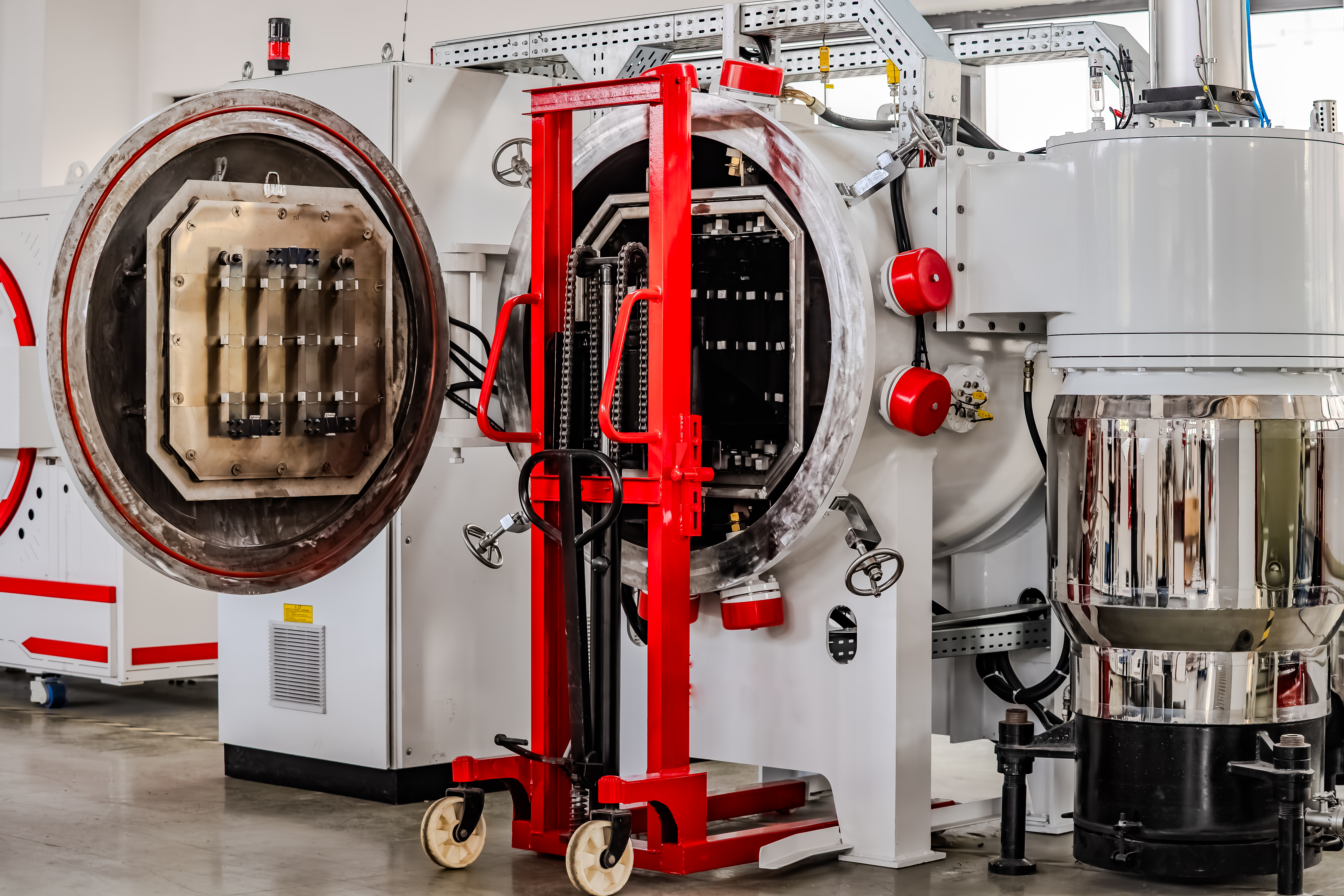
Modern manufacturing processes demand precise control over atmospheric conditions to achieve optimal results, particularly when joining metals through brazing operations. A vacuum brazing furnace represents a sophisticated solution that eliminates ox...
View More

Get a Free Quote

Our representative will contact you soon.
Email
Name
Company Name
Message
0/1000

stainless barrels

Superior Corrosion Resistance and Chemical Compatibility

Superior Corrosion Resistance and Chemical Compatibility

The exceptional corrosion resistance of stainless barrels represents their most significant technological achievement, providing customers with unmatched protection against environmental degradation and chemical attack. This advanced resistance stems from the chromium content in stainless steel, which forms a passive oxide layer that continuously regenerates when damaged, creating a self-healing protective barrier. Unlike conventional steel containers that succumb to rust and corrosion within months or years, stainless barrels maintain their structural integrity and appearance for decades, even when exposed to harsh chemicals, acidic substances, or corrosive environments. The chemical compatibility of these containers extends their utility across industries that handle aggressive materials, including concentrated acids, alkaline solutions, solvents, and reactive compounds that would rapidly destroy alternative storage options. This compatibility eliminates the risk of container degradation that could contaminate stored products or create hazardous conditions in the workplace. Pharmaceutical companies particularly benefit from this feature when storing active ingredients, intermediates, or finished products that require absolute purity throughout their shelf life. Food processors rely on this chemical inertness to prevent metallic contamination that could alter taste profiles or pose health risks to consumers. The economic implications of superior corrosion resistance compound over time, as facilities avoid costly product losses, container replacements, and potential liability issues associated with contaminated materials. Environmental compliance becomes easier to maintain when using stainless barrels, as their resistance to degradation prevents leaks and spills that could result in regulatory violations or cleanup costs. Industrial facilities operating in coastal environments benefit significantly from the salt-air resistance that prevents the accelerated corrosion common with ferrous materials. The long-term cost savings achieved through extended service life and reduced maintenance requirements often justify the initial investment premium within the first few years of operation.
Exceptional Hygiene Standards and Easy Maintenance

Exceptional Hygiene Standards and Easy Maintenance

The hygienic properties of stainless barrels establish new standards for cleanliness and sanitation in storage applications, delivering crucial benefits for industries where contamination control determines product quality and regulatory compliance. The smooth, non-porous surface finish of quality stainless steel creates an environment hostile to bacterial growth, mold formation, and pathogen proliferation, essential characteristics for pharmaceutical, food processing, and laboratory applications. This surface integrity prevents the microscopic crevices and rough textures found in alternative materials where contaminants can hide and multiply, creating persistent contamination risks that threaten product safety. The cleaning advantages of stainless barrels significantly reduce operational overhead while improving sanitation effectiveness compared to conventional storage solutions. Standard cleaning protocols including caustic solutions, steam sterilization, and high-pressure washing systems work efficiently on stainless surfaces without causing damage or degradation. The chemical resistance of the material allows use of aggressive sanitizers and disinfectants that would compromise coated or painted surfaces, ensuring thorough decontamination between batches or product changes. Validation of cleaning procedures becomes straightforward due to the predictable response of stainless steel to various sanitization methods, supporting regulatory compliance requirements in controlled manufacturing environments. Time savings during cleaning operations translate directly to increased productivity and reduced labor costs, as crews can achieve thorough sanitization quickly without complex procedures or specialized equipment. The ability to visually inspect cleanliness on the bright, reflective surface helps quality control personnel identify any remaining contamination before returning containers to service. Temperature cycling during steam sterilization poses no risk to structural integrity, unlike plastic containers that may warp or degrade under thermal stress. FDA compliance becomes achievable through the use of food-grade stainless steel compositions that meet stringent purity standards for direct food contact applications. The documentation requirements for pharmaceutical manufacturing benefit from the predictable, validated cleaning characteristics of stainless barrels that support batch record integrity and regulatory inspections.
Outstanding Durability and Long-Term Investment Value

Outstanding Durability and Long-Term Investment Value

The remarkable durability of stainless barrels transforms them from simple storage containers into long-term capital investments that deliver value for decades while maintaining peak performance throughout their extended service life. This exceptional longevity stems from the inherent material properties of stainless steel combined with precision manufacturing techniques that create containers capable of withstanding mechanical stress, thermal cycling, and chemical exposure without degradation. Unlike alternative materials that suffer from fatigue, cracking, or structural weakening over time, stainless barrels maintain their original strength characteristics throughout decades of service, providing reliable performance that facilities can depend upon for critical operations. The impact resistance of properly constructed stainless barrels exceeds that of plastic, fiberglass, or coated steel alternatives, preventing damage from routine handling, transportation impacts, or accidental drops that could compromise container integrity. This mechanical resilience reduces replacement costs and minimizes downtime associated with container failures that disrupt production schedules. The economic advantages of durability become particularly evident in high-throughput operations where containers undergo frequent use cycles, as the initial premium investment in stainless barrels pays dividends through reduced replacement frequency and lower total cost of ownership. Facilities can amortize the purchase cost over extended periods, often decades, compared to alternatives that require replacement every few years due to wear, corrosion, or contamination issues. The resale value of stainless barrels remains substantial even after years of service, as the material retains its utility and can be refurbished to like-new condition through standard cleaning and polishing procedures. This residual value provides additional financial benefit when facilities upgrade equipment or change processes, recovering significant portions of the original investment. Environmental sustainability benefits align with corporate responsibility initiatives, as the complete recyclability of stainless steel supports circular economy principles while the extended service life reduces manufacturing demand and waste generation. Insurance considerations may favor facilities using durable stainless containers, as their fire resistance and structural integrity can reduce risk assessments and potentially lower premium costs compared to facilities relying on combustible or fragile storage alternatives.

Get a Free Quote

Our representative will contact you soon.
Email
Name
Company Name
Message
0/1000