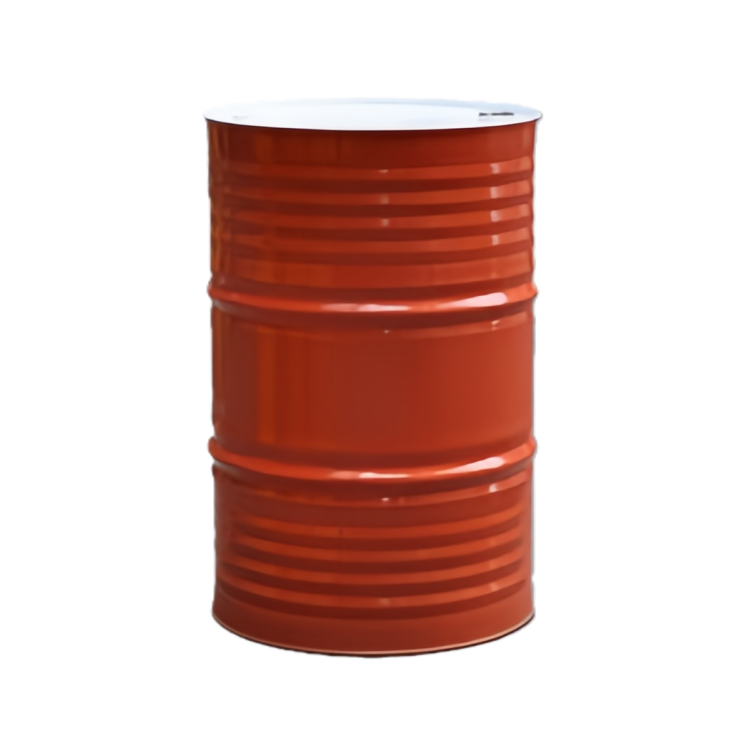
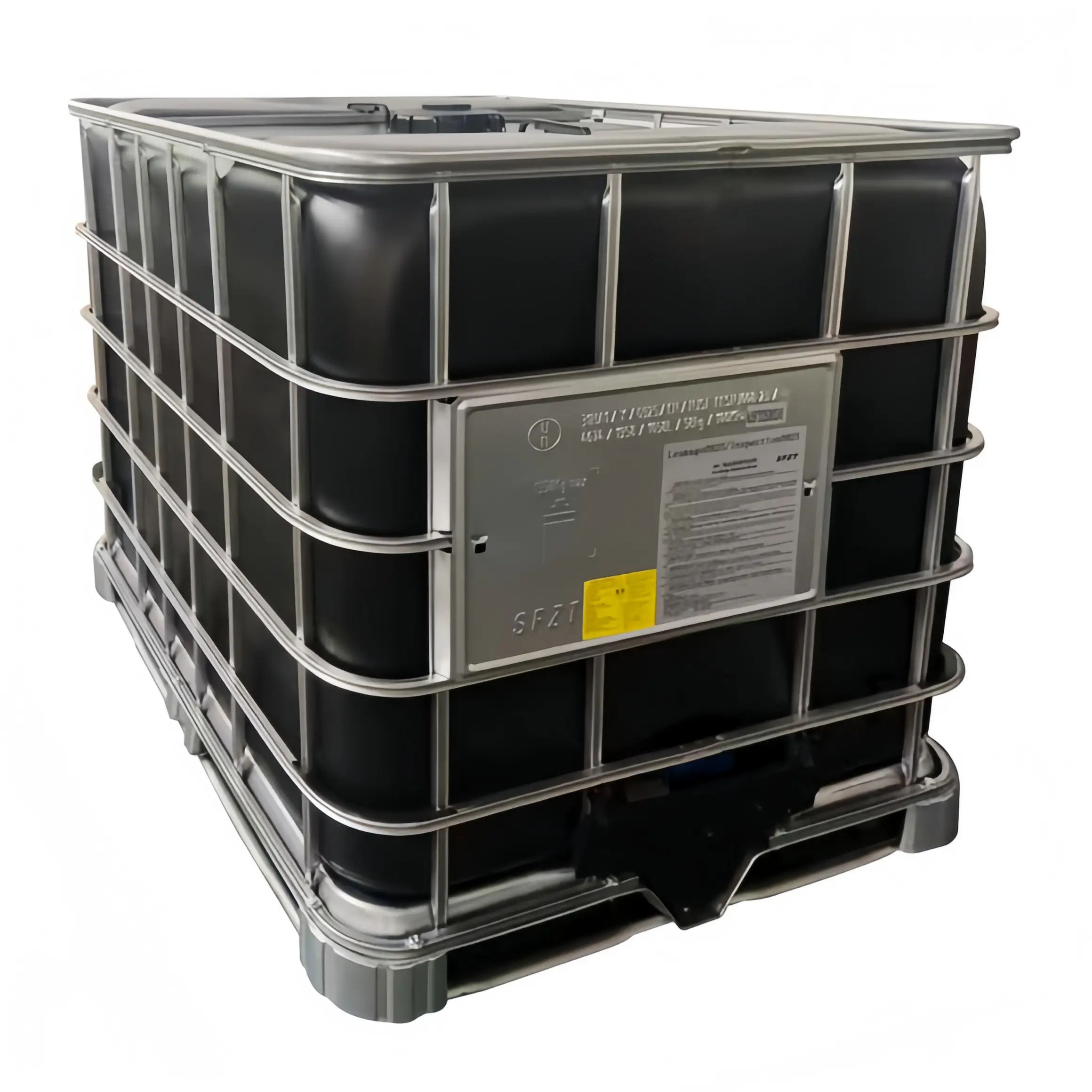
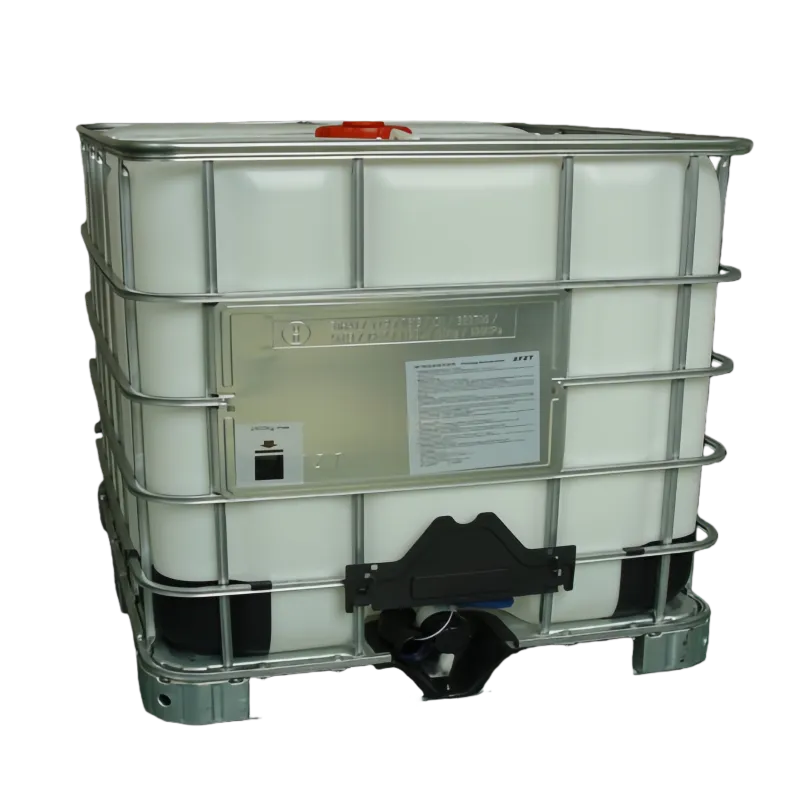
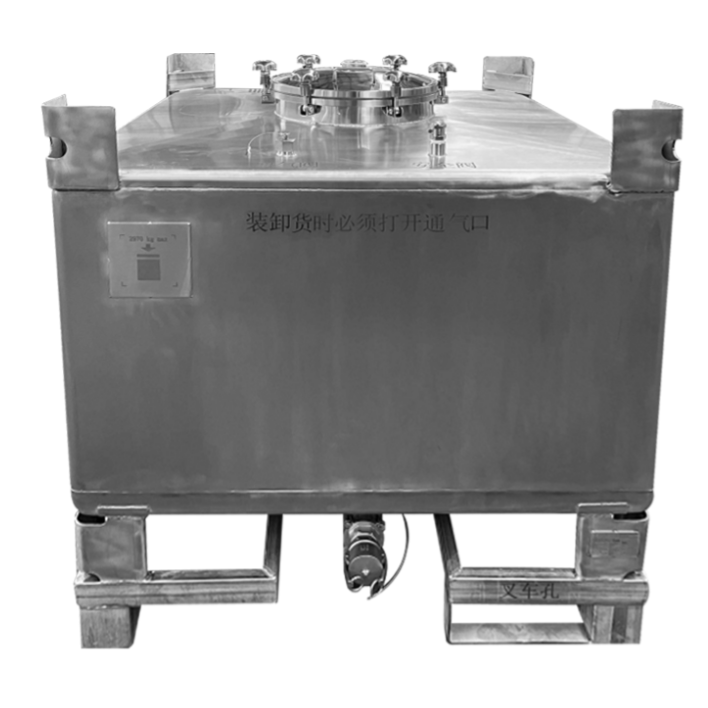
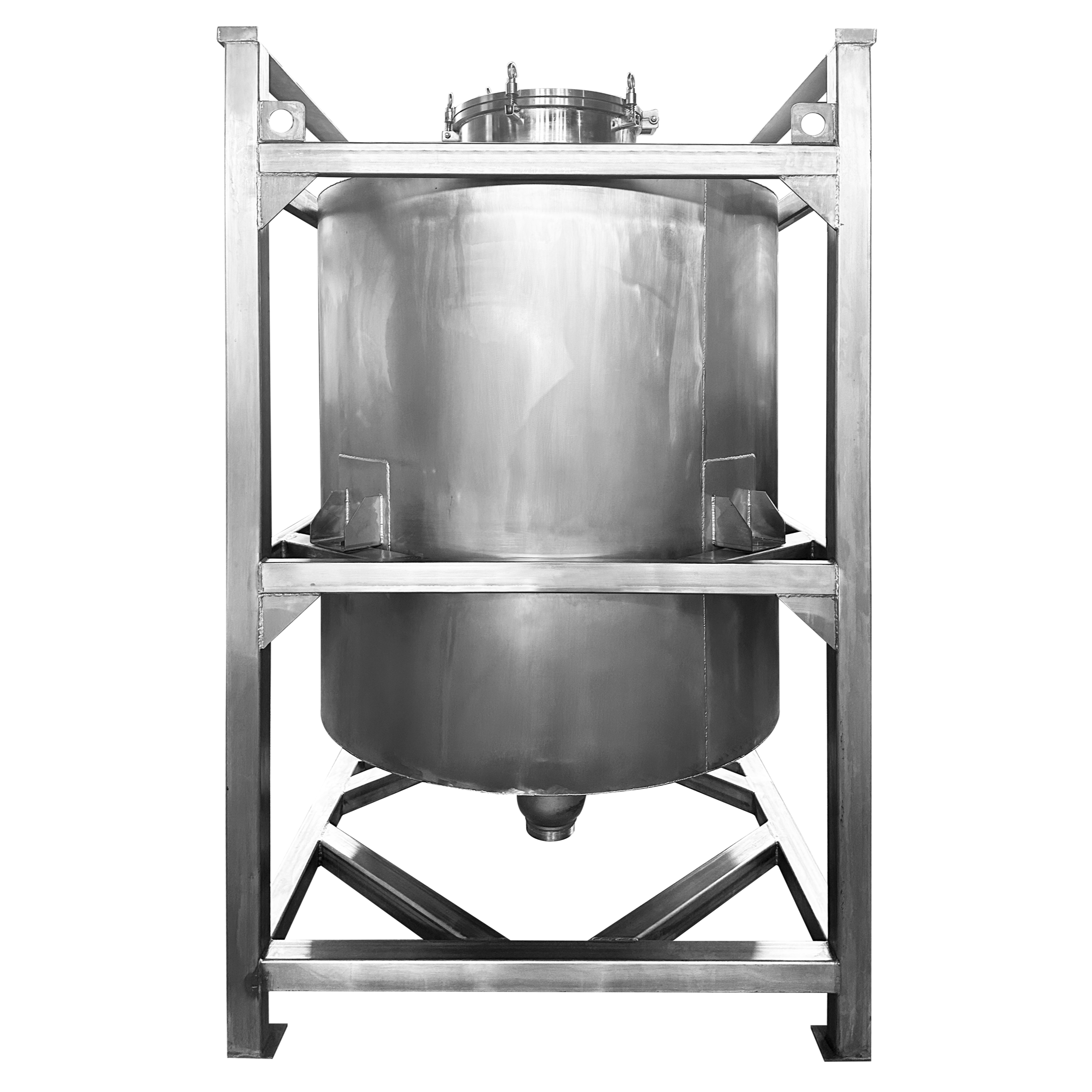
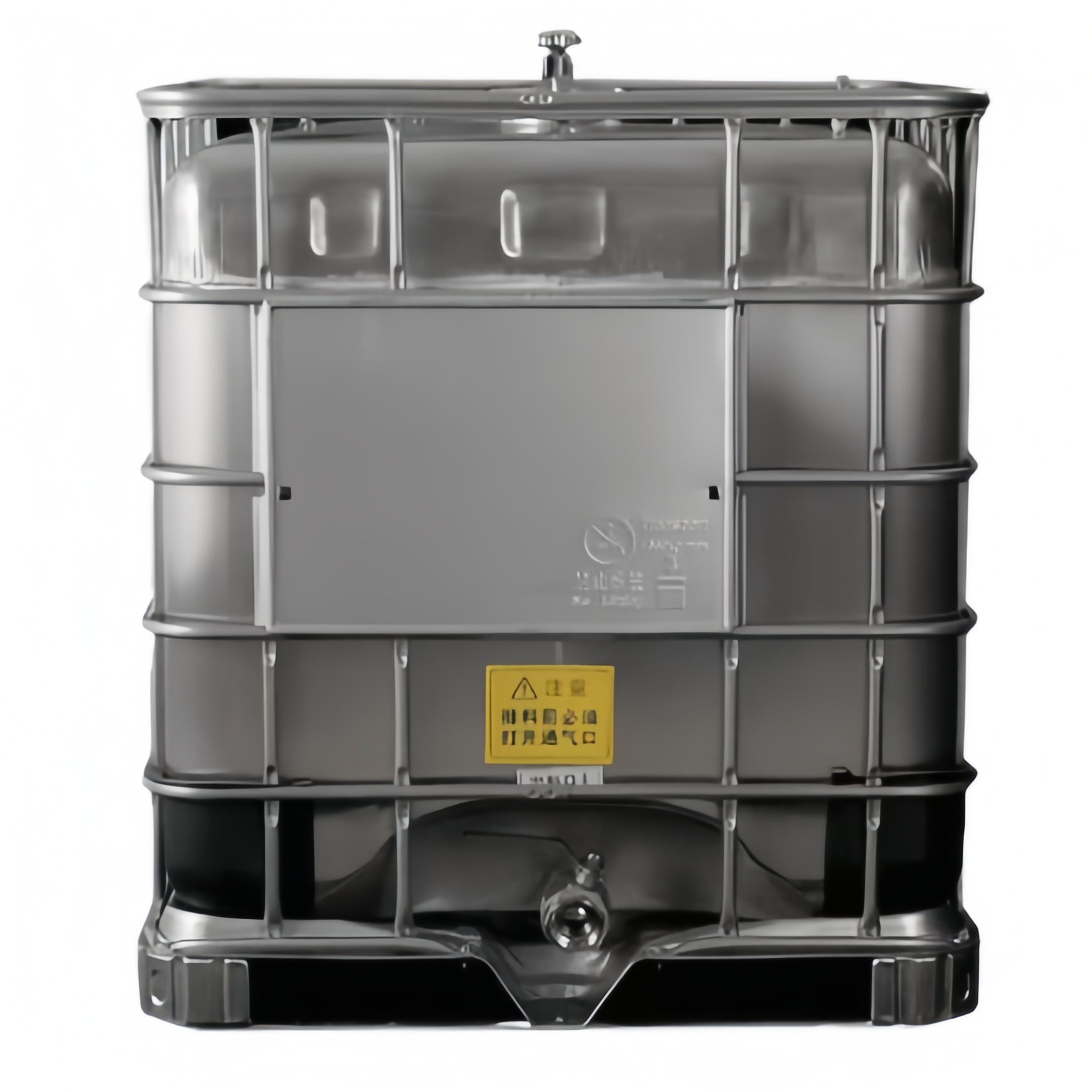
stainless steel storage drum
Stainless steel storage drums represent a pinnacle of industrial containment technology, offering unparalleled durability and versatility for diverse storage applications. These robust containers are engineered from high-grade stainless steel alloys, typically 304 or 316 grade, which provides exceptional resistance to corrosion, chemical reactions, and environmental degradation. The primary function of a stainless steel storage drum centers on secure, long-term storage of liquids, powders, granular materials, and other substances that require contamination-free environments. These drums feature seamless construction techniques that eliminate potential leak points, ensuring complete product integrity throughout storage periods. The technological architecture incorporates precision-welded seams, reinforced rim structures, and specialized closure systems that maintain hermetic sealing under various pressure conditions. Manufacturing processes involve advanced forming techniques that create uniform wall thickness, preventing stress concentration points that could compromise structural integrity. The surface finish undergoes electropolishing treatments that create mirror-like smoothness, facilitating thorough cleaning and preventing bacterial adhesion. Capacity options range from compact 5-gallon units to large-scale 55-gallon industrial models, accommodating diverse operational requirements. Temperature resistance capabilities extend from cryogenic applications to high-heat processes, making stainless steel storage drums suitable for extreme environmental conditions. Food-grade certifications ensure compliance with FDA regulations for consumable product storage, while pharmaceutical-grade specifications meet stringent purity standards. Industrial applications span chemical processing, biotechnology, food production, pharmaceutical manufacturing, and specialized research facilities. The drum design incorporates ergonomic features such as rolling hoops, lifting lugs, and standardized dimensions that facilitate handling, transportation, and storage rack integration. Quality control measures during production include pressure testing, dimensional verification, and surface inspection protocols that guarantee consistent performance standards across all manufacturing batches.

 EN
EN