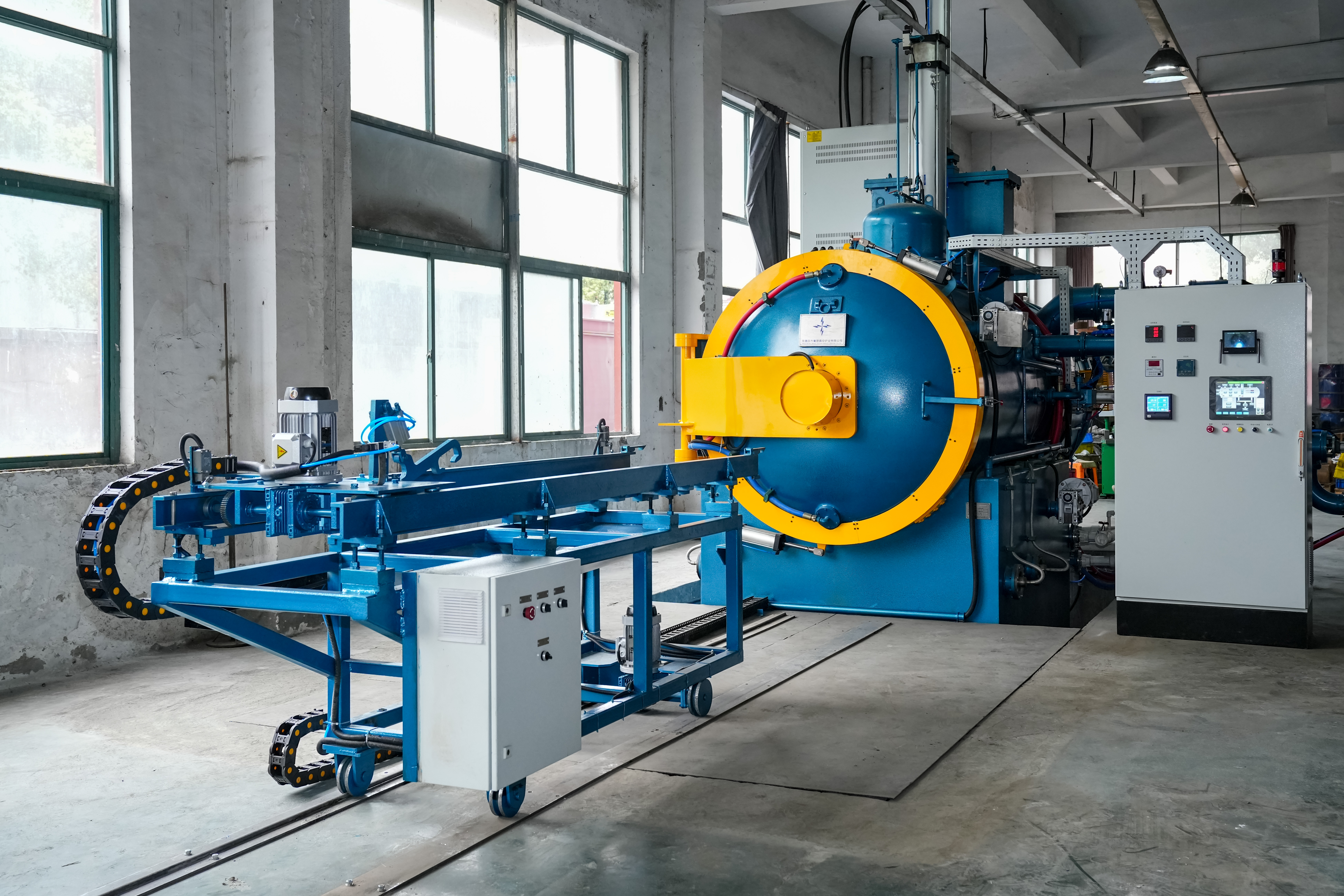
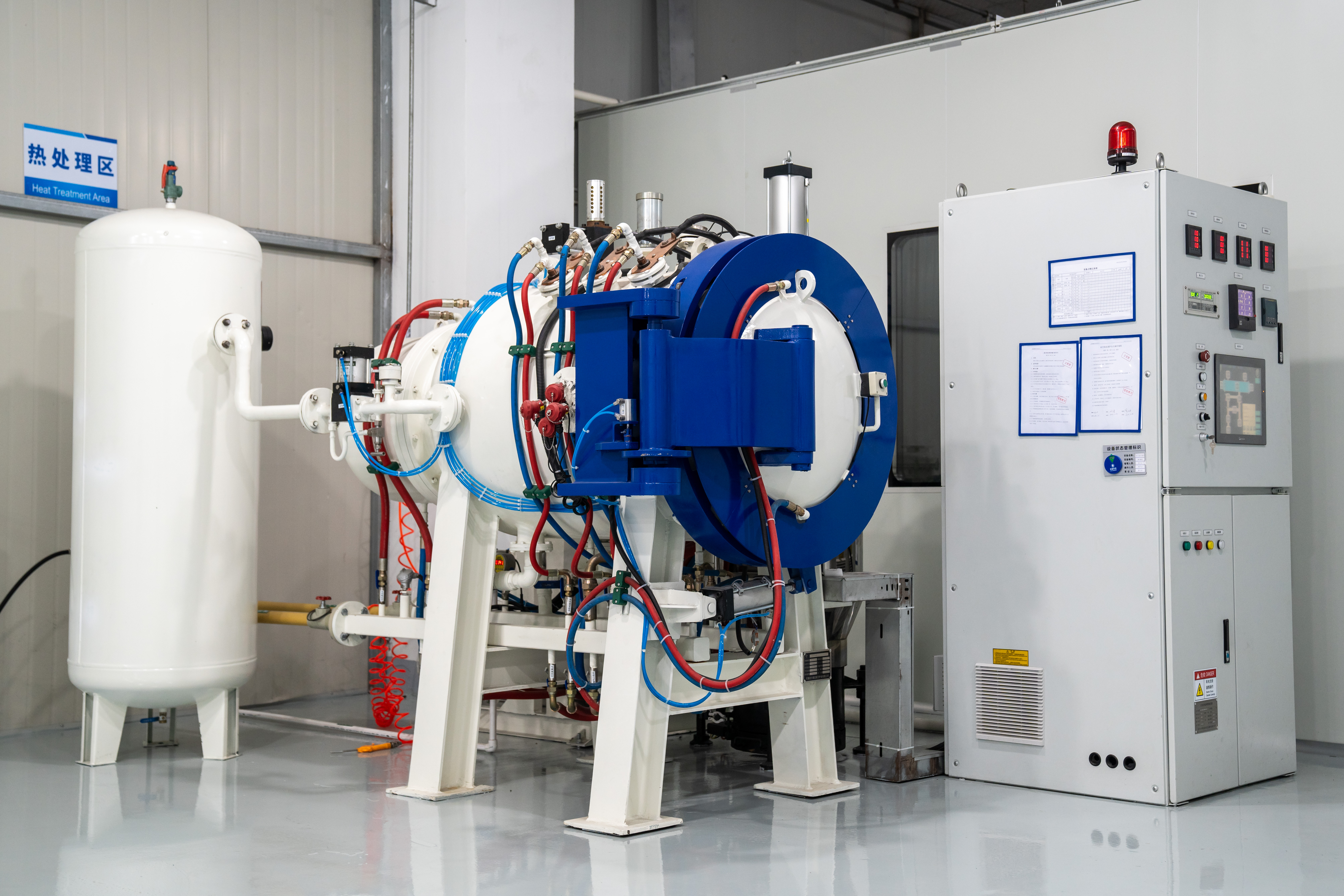
vacuum heat treatment furnace
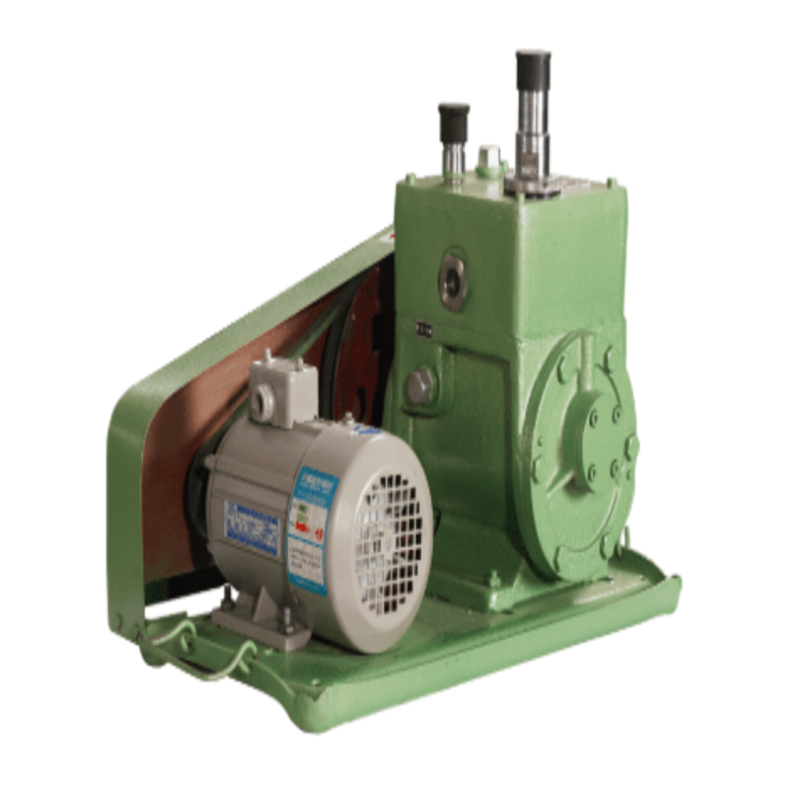
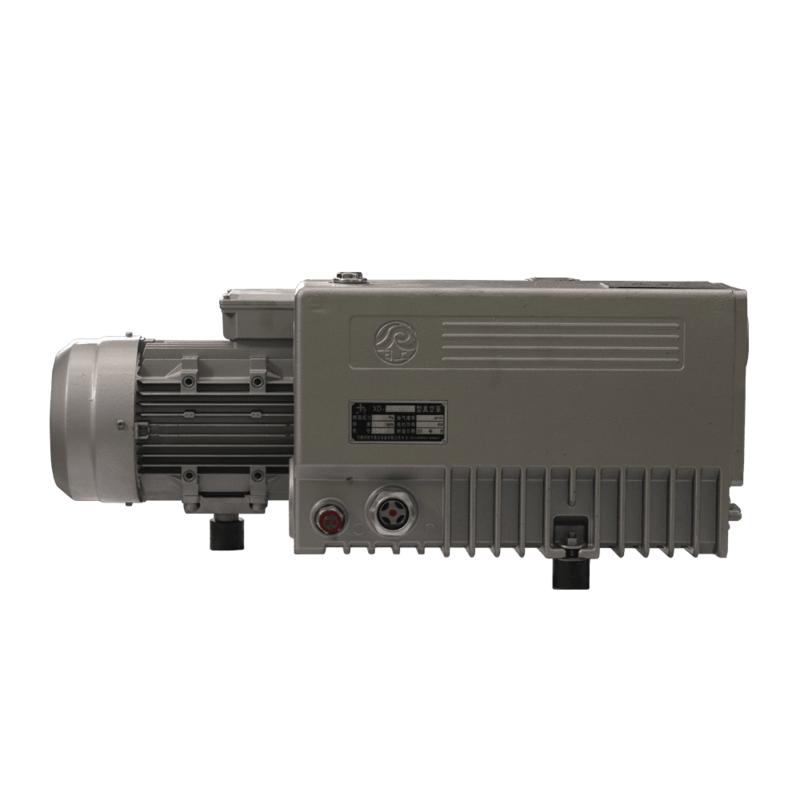
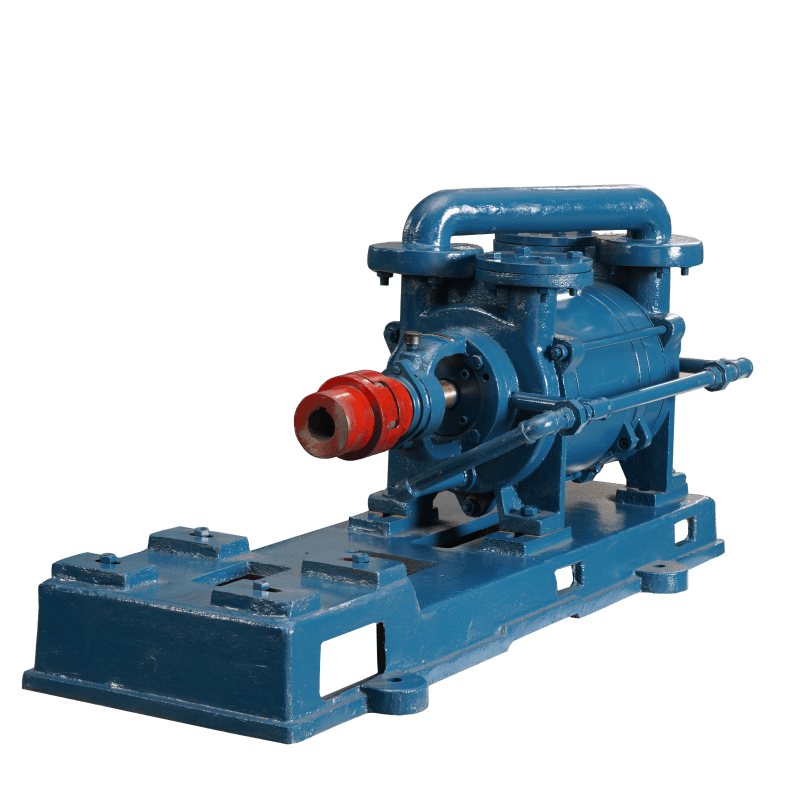
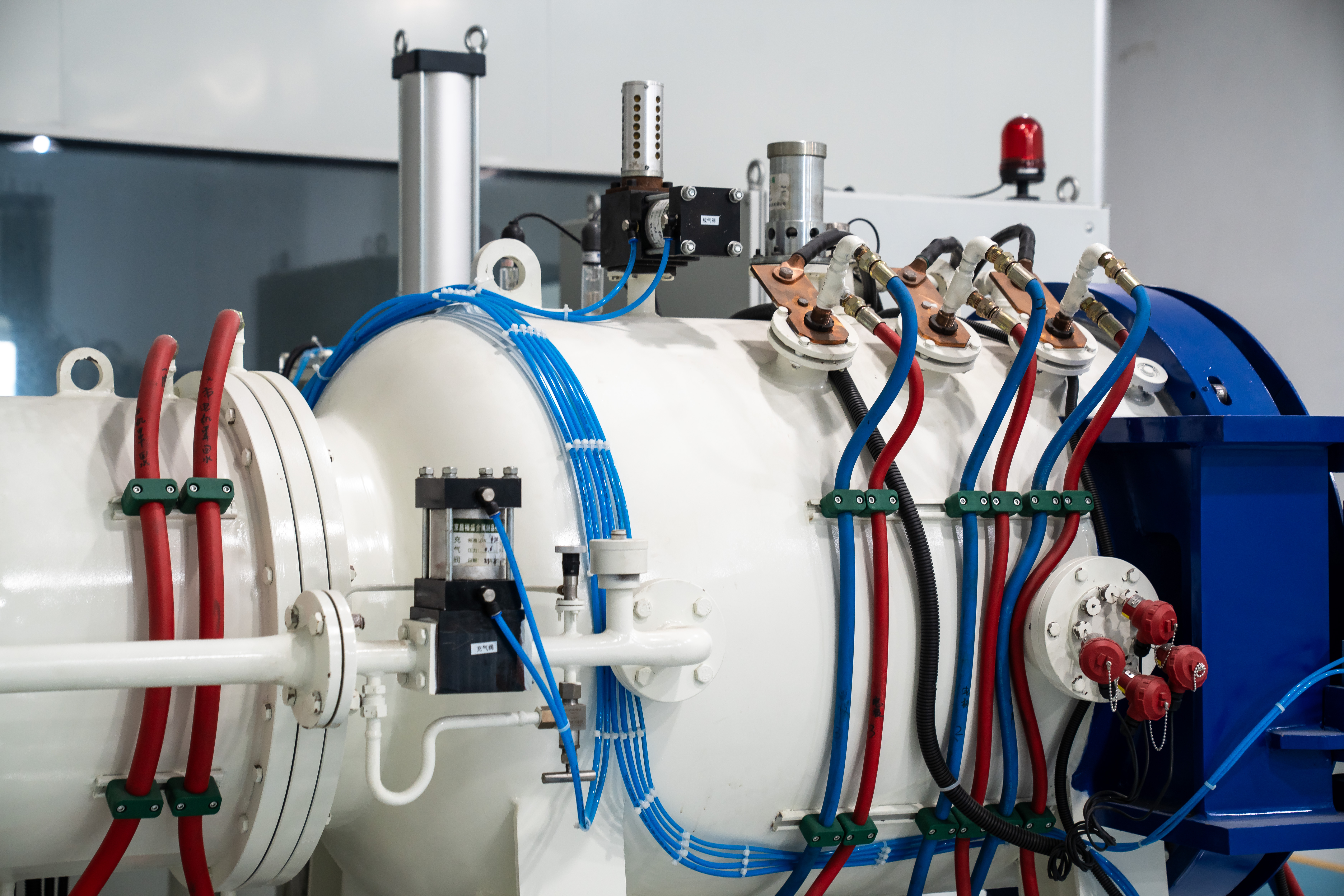
A vacuum heat treatment furnace represents a sophisticated thermal processing system designed to perform heat treatment operations in a controlled, oxygen-free environment. This advanced equipment creates a vacuum chamber where materials undergo precise heating and cooling cycles without exposure to atmospheric gases, preventing oxidation and contamination during the treatment process. The vacuum heat treatment furnace operates by removing air and other gases from the treatment chamber, creating an environment with extremely low pressure, typically ranging from 10-1 to 10-6 torr. The primary function of this equipment involves heating materials to specific temperatures while maintaining the vacuum environment, allowing for controlled metallurgical transformations without surface degradation. These furnaces incorporate advanced heating systems, including resistance heating elements, induction heating, or radiant heating methods, depending on the application requirements. The vacuum heat treatment furnace features precise temperature control systems that ensure uniform heating throughout the chamber, with temperature capabilities ranging from ambient to over 2000°C in some models. Modern units include sophisticated control systems with programmable logic controllers that manage heating rates, cooling cycles, and vacuum levels automatically. The technological features encompass high-performance vacuum pumping systems, including mechanical pumps, diffusion pumps, or turbomolecular pumps, working in combination to achieve and maintain the required vacuum levels. Applications for vacuum heat treatment furnaces span across numerous industries, including aerospace, automotive, tool manufacturing, medical device production, and electronics. These systems excel in processing high-performance alloys, stainless steels, titanium components, cutting tools, and precision instruments. The vacuum environment enables specialized processes such as vacuum annealing, vacuum hardening, vacuum tempering, and vacuum brazing, each offering unique advantages over conventional atmospheric heat treatment methods.

 EN
EN