vacuum heat treatment process
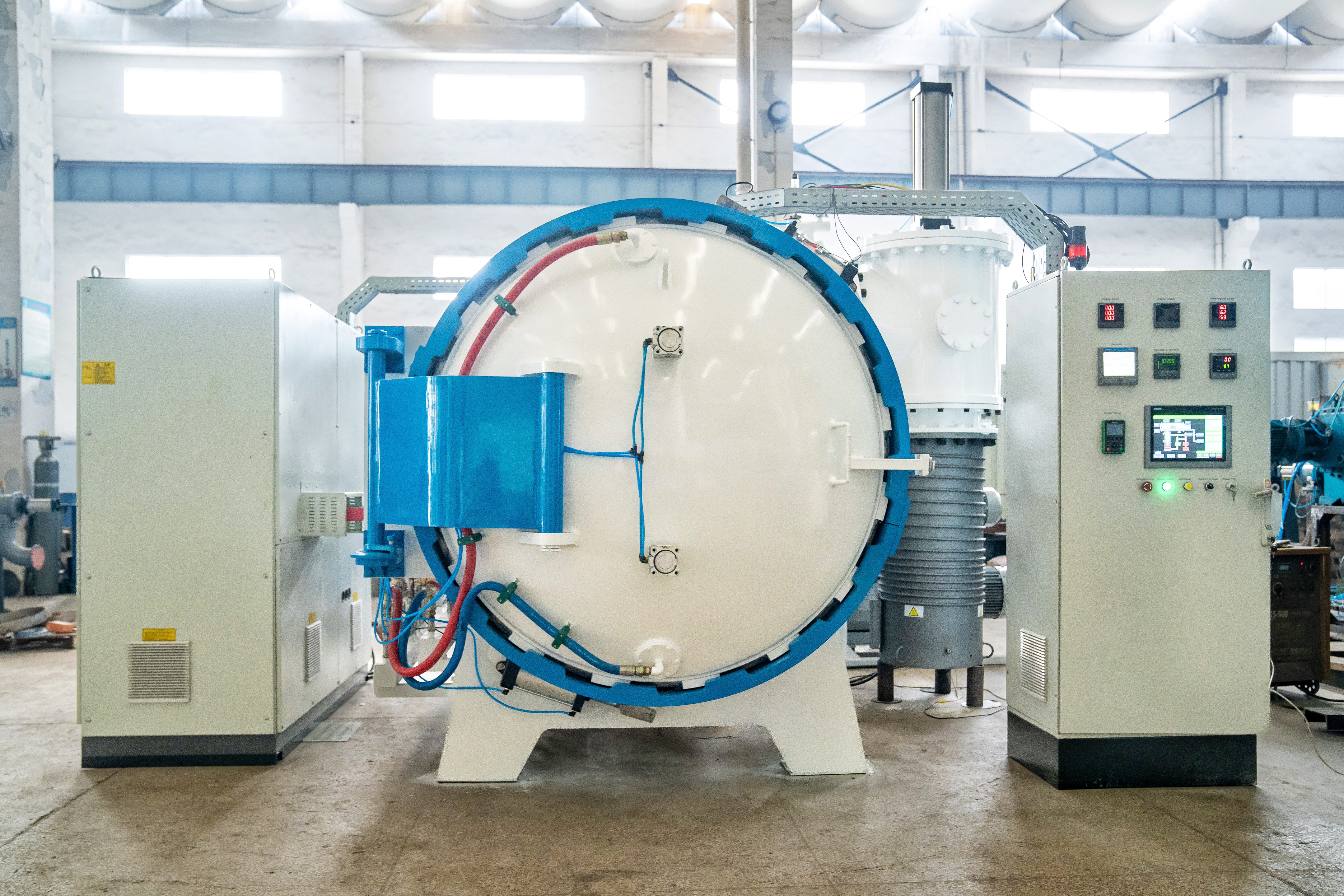
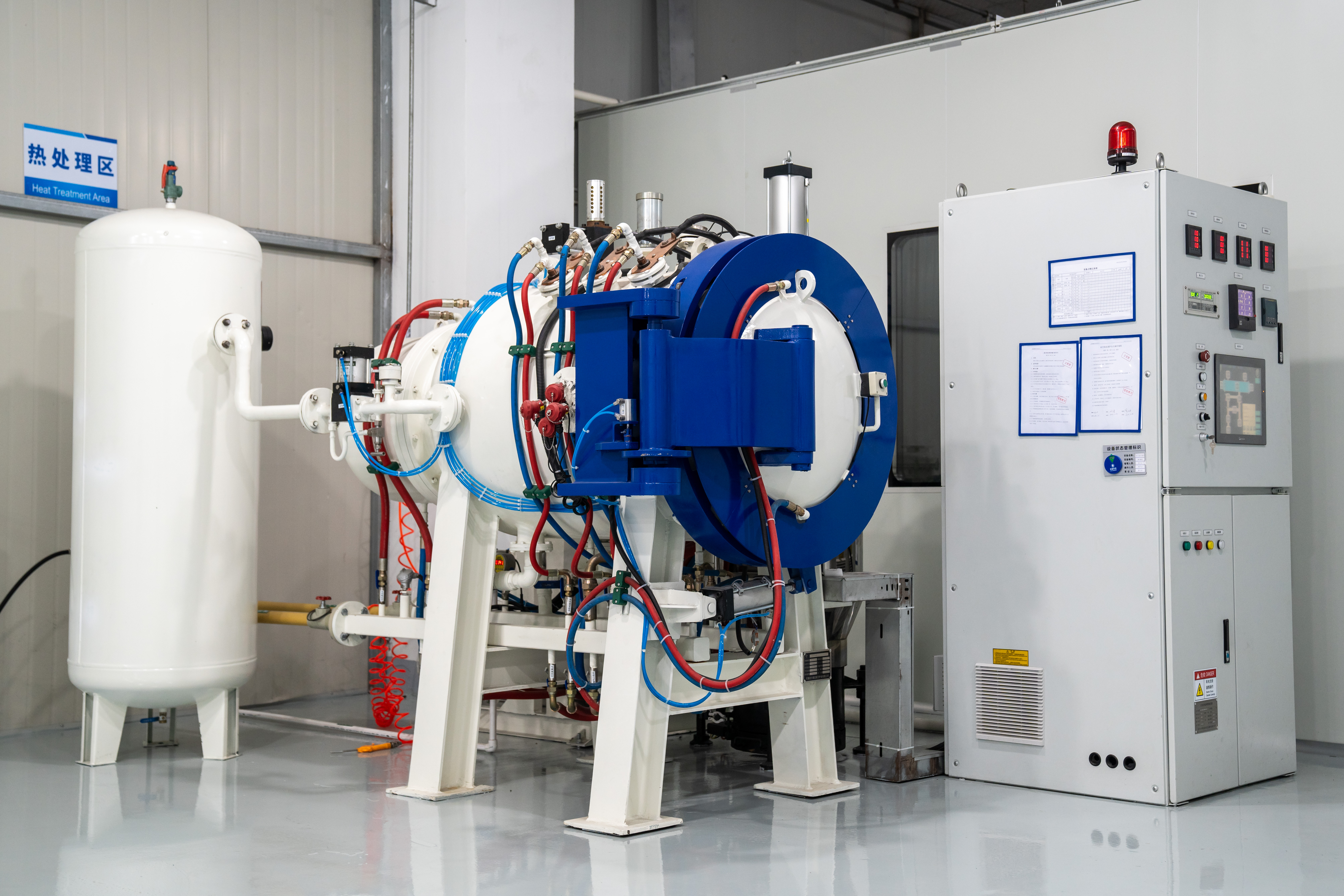
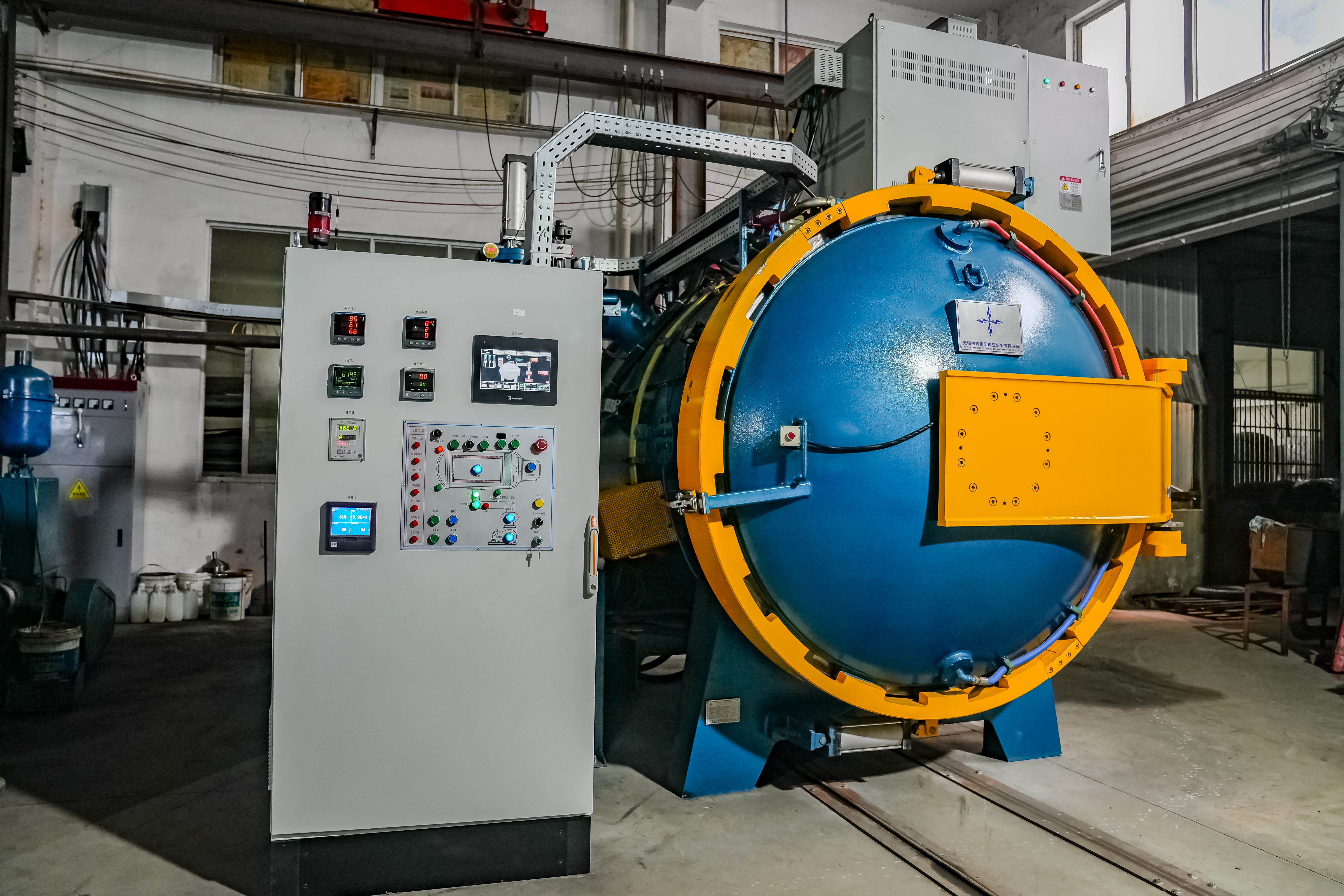
The vacuum heat treatment process represents a sophisticated metallurgical technique that transforms materials under controlled atmospheric conditions where air and other gases are removed to create a near-perfect vacuum environment. This innovative approach fundamentally alters the microstructure of metals and alloys by precisely controlling temperature, pressure, and atmospheric composition during heating and cooling cycles. The vacuum heat treatment process operates by evacuating the treatment chamber to extremely low pressure levels, typically ranging from 10^-3 to 10^-6 torr, effectively eliminating oxidation reactions that commonly occur in conventional heat treatment methods. The primary functions of this advanced process include enhancing material hardness, improving wear resistance, optimizing dimensional stability, and achieving superior surface quality without the formation of scale or decarburization layers. The technological features distinguish this method through its ability to maintain exact temperature uniformity across treated components, provide precise control over heating and cooling rates, and eliminate contamination risks associated with atmospheric exposure. The vacuum heat treatment process enables manufacturers to achieve consistent results while preserving the chemical composition of base materials, making it particularly valuable for high-performance applications. Industries requiring exceptional material properties extensively utilize this technology, including aerospace manufacturing for turbine components, medical device production for surgical instruments, automotive sector for transmission parts, and tool manufacturing for precision cutting implements. The process accommodates various treatment types such as annealing, hardening, tempering, and stress relieving, each tailored to specific material requirements and performance objectives. Modern vacuum heat treatment systems incorporate advanced monitoring technologies that continuously track temperature profiles, pressure levels, and cycle progression, ensuring optimal results and complete traceability throughout the entire treatment cycle.

 EN
EN