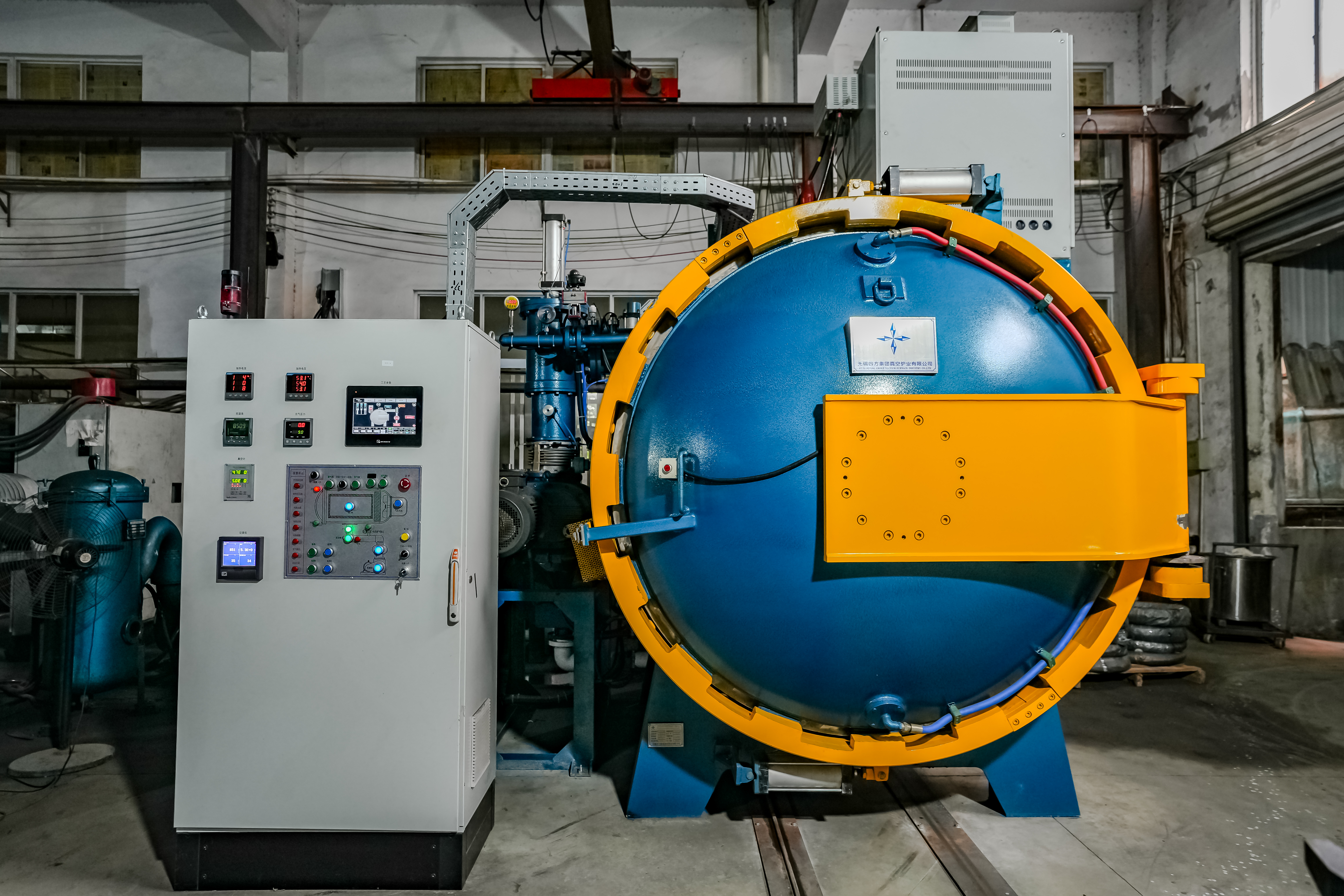
Vacuum Hardening Furnace: Advanced Heat Treatment Solutions for Superior Material Processing

All Categories

Get a Free Quote

Our representative will contact you soon.
Email
Name
Company Name
Message
0/1000

vacuum hardening furnace

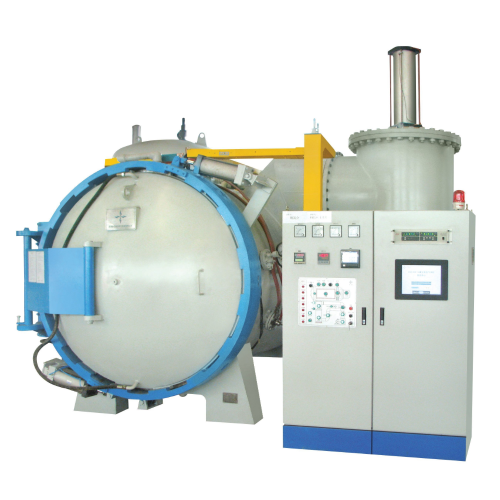
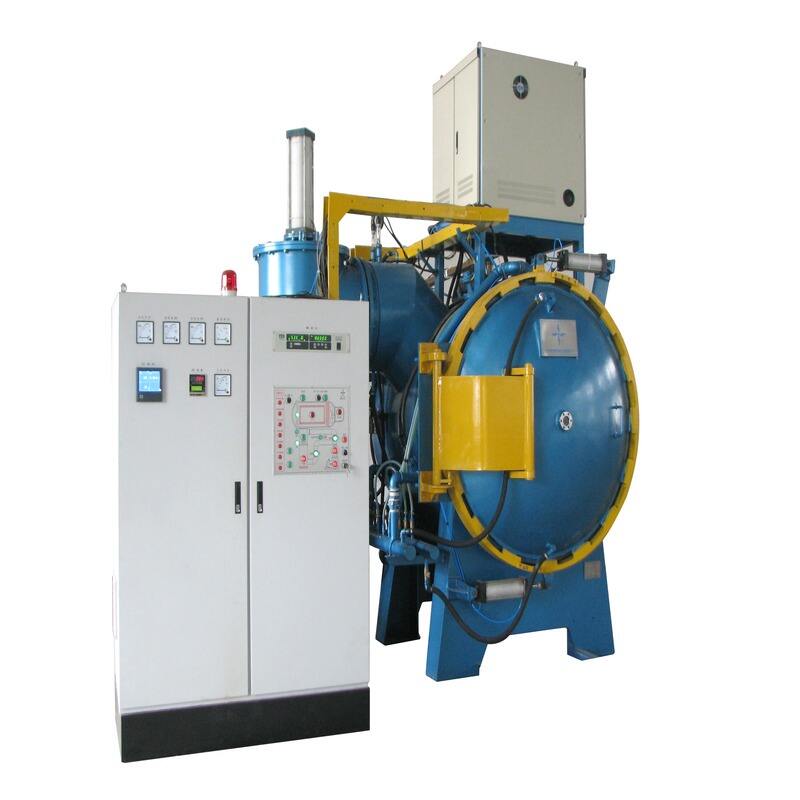
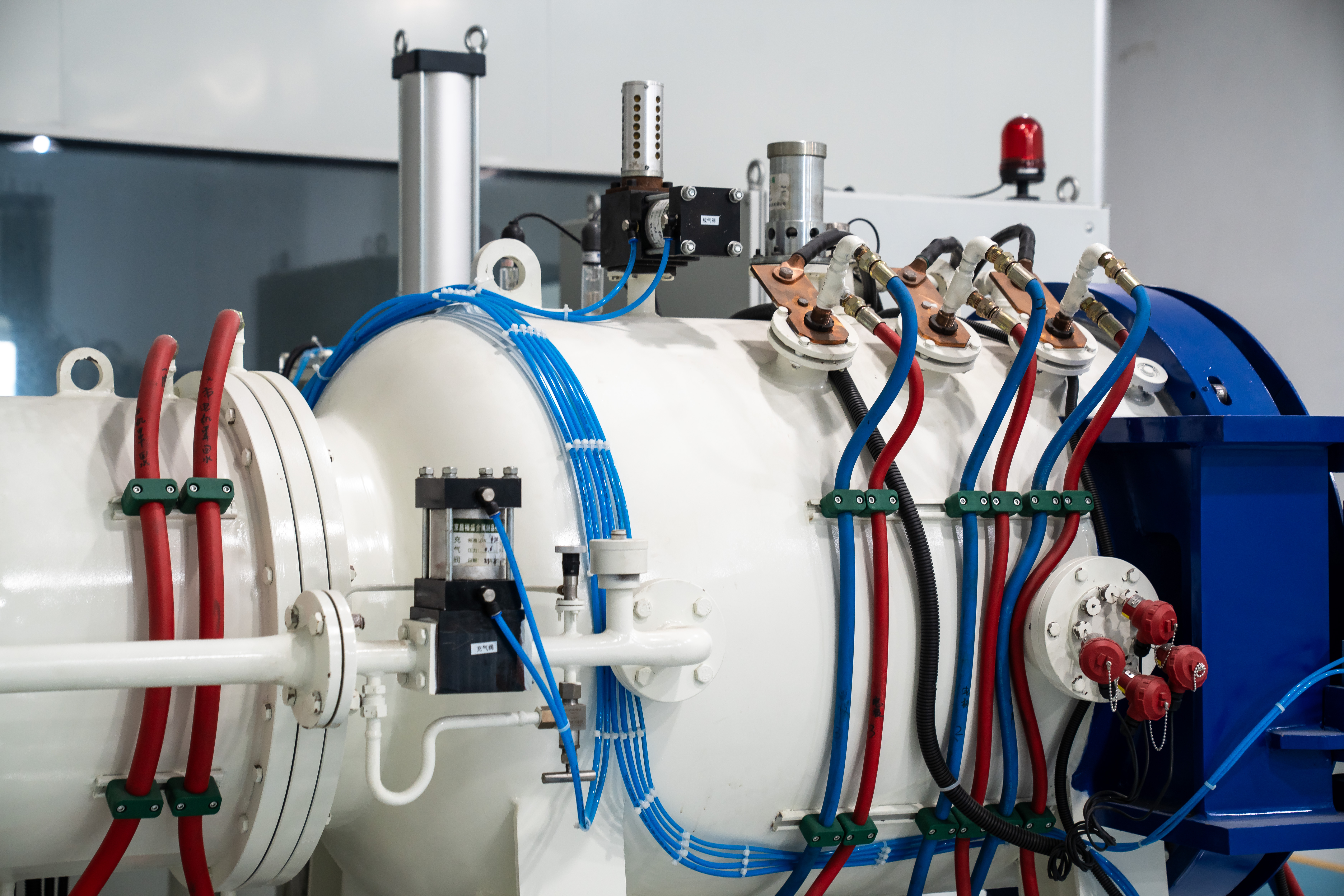
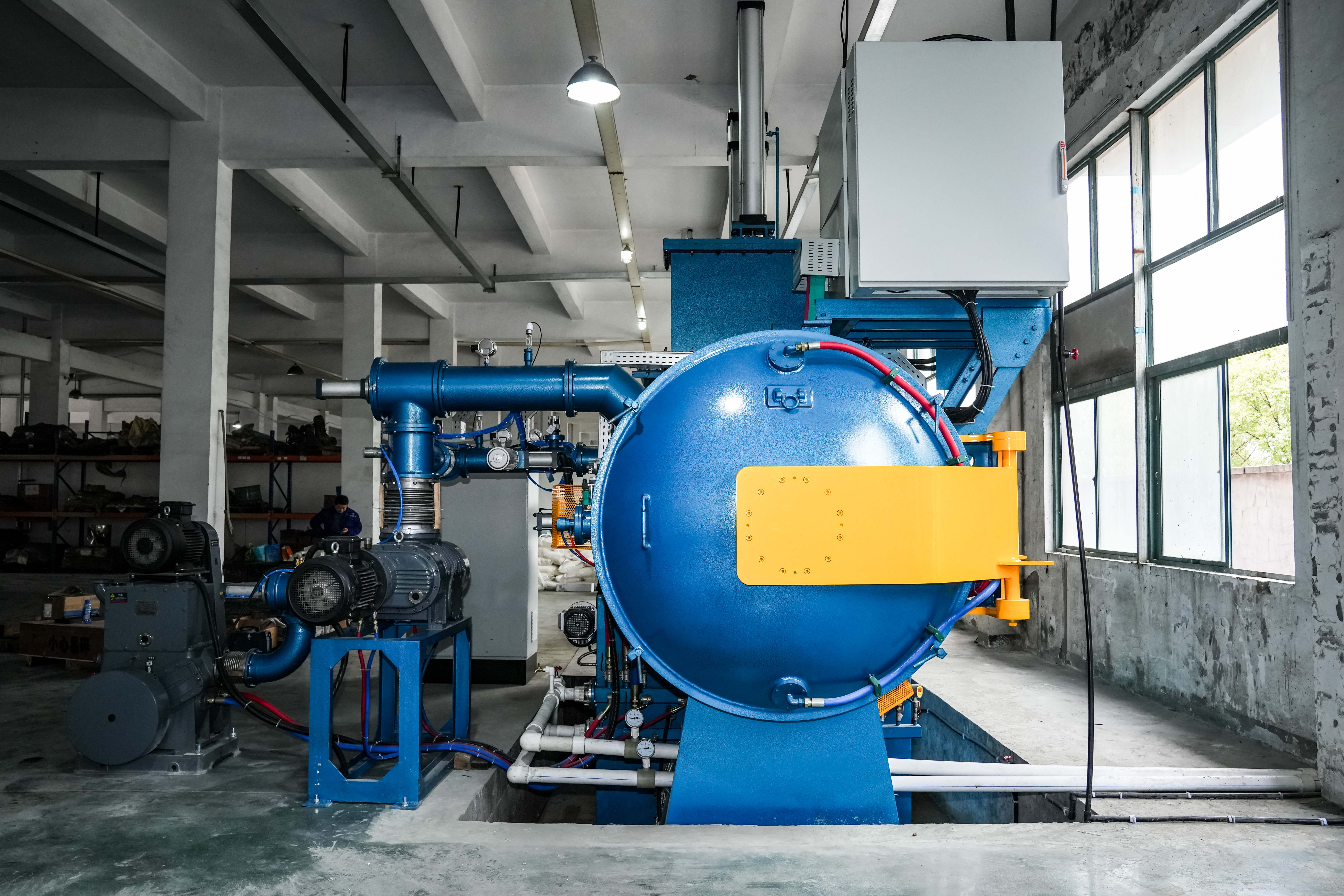
A vacuum hardening furnace represents a sophisticated heat treatment system designed to perform precise hardening processes under controlled atmospheric conditions. This advanced equipment operates by creating a vacuum environment that eliminates oxygen and other atmospheric gases, preventing oxidation and decarburization during the hardening process. The vacuum hardening furnace consists of several key components including a vacuum chamber, heating elements, cooling systems, and sophisticated control mechanisms that ensure optimal temperature distribution and processing conditions. The primary function of this equipment centers on transforming the metallurgical structure of various materials, particularly steel and other ferrous alloys, through carefully controlled heating and cooling cycles. During operation, the vacuum hardening furnace heats materials to specific temperatures ranging from 800 to 1300 degrees Celsius, depending on the material composition and desired hardness characteristics. The vacuum environment maintained within the chamber typically ranges from 10-2 to 10-6 mbar, creating an oxygen-free atmosphere that preserves surface integrity and dimensional accuracy. Modern vacuum hardening furnace systems incorporate advanced technological features such as programmable logic controllers, temperature monitoring systems, and automated loading mechanisms that enhance operational efficiency and consistency. The heating process utilizes resistance heating elements or induction heating systems that provide uniform temperature distribution throughout the working zone. Cooling systems within the vacuum hardening furnace employ various methods including gas quenching with nitrogen or argon, oil quenching, or controlled atmospheric cooling to achieve desired material properties. The versatility of vacuum hardening furnace technology extends across multiple industrial applications including aerospace components, automotive parts, tool manufacturing, and precision engineering applications where surface quality and dimensional stability are critical requirements.


Popular Products

The vacuum hardening furnace offers numerous compelling advantages that make it an essential investment for modern manufacturing operations. First and foremost, this equipment delivers exceptional surface quality by eliminating oxidation and scaling that typically occurs during conventional heat treatment processes. Without exposure to oxygen and other reactive gases, treated components emerge from the vacuum hardening furnace with bright, clean surfaces that require minimal post-processing finishing work. This surface preservation translates directly into cost savings by reducing secondary machining operations and material waste. The precision control capabilities of a vacuum hardening furnace ensure consistent and repeatable results across production batches. Advanced temperature monitoring and control systems maintain uniform heating throughout the processing chamber, eliminating hot spots and temperature variations that can compromise material properties. This consistency reduces reject rates and improves overall product quality, leading to enhanced customer satisfaction and reduced warranty claims. Energy efficiency represents another significant advantage of vacuum hardening furnace technology. The vacuum environment provides superior thermal insulation compared to conventional atmospheric furnaces, requiring less energy to maintain target temperatures. Additionally, the controlled atmosphere eliminates the need for protective gases during processing, reducing operational costs and environmental impact. The vacuum hardening furnace also offers superior dimensional stability compared to traditional hardening methods. The absence of oxidation and decarburization prevents surface layer changes that can affect component dimensions and tolerances. This dimensional control is particularly valuable for precision components where tight tolerances are critical for proper function and assembly. Flexibility in processing different materials and component sizes makes the vacuum hardening furnace highly versatile for diverse manufacturing requirements. The equipment can accommodate various alloy types including carbon steels, alloy steels, stainless steels, and specialized materials used in aerospace and medical applications. Furthermore, the clean processing environment eliminates contamination risks that can occur with salt baths or other traditional hardening media. The reduced maintenance requirements of vacuum hardening furnace systems contribute to lower total ownership costs. The clean operating environment reduces component wear and extends equipment life, while automated control systems minimize operator intervention and reduce labor costs.

Latest News

Why Is Metal Barrel Corrosion Protection Important for Industrial Use?

26

Dec

Why Is Metal Barrel Corrosion Protection Important for Industrial Use?

Industrial operations across manufacturing, chemical processing, and petroleum sectors rely heavily on metal barrels for storage and transportation of various materials. These containers face constant exposure to corrosive elements that can compromis...
View More
Why Do Inner Coating Steel Drums Provide Better Protection for Sensitive Materials?

23

Jan

Why Do Inner Coating Steel Drums Provide Better Protection for Sensitive Materials?

The protection of sensitive materials during storage and transportation has become increasingly critical in today's industrial landscape. Industries handling chemicals, pharmaceuticals, and specialty materials require containers that offer superior p...
View More
How Do Composite Drums Minimize Leakage Risks in High-Risk Applications?

25

Feb

How Do Composite Drums Minimize Leakage Risks in High-Risk Applications?

Industrial operations handling hazardous chemicals, volatile compounds, and sensitive materials face constant challenges in maintaining containment integrity throughout storage and transportation phases. Traditional packaging solutions often fall sho...
View More
What Maintenance Practices Extend the Service Life of a Stainless Steel Drum?

25

Feb

What Maintenance Practices Extend the Service Life of a Stainless Steel Drum?

Industrial storage solutions require careful consideration of durability, safety, and long-term performance. A stainless steel drum represents one of the most reliable options for storing and transporting various materials across multiple industries....
View More

Get a Free Quote

Our representative will contact you soon.
Email
Name
Company Name
Message
0/1000

vacuum hardening furnace

Superior Surface Quality and Oxidation Prevention

Superior Surface Quality and Oxidation Prevention

The vacuum hardening furnace excels in delivering unmatched surface quality through its innovative oxidation prevention technology, setting it apart from conventional heat treatment methods. This critical advantage stems from the controlled vacuum environment that eliminates oxygen and other reactive atmospheric gases during the hardening process. When components undergo heat treatment in a traditional furnace, exposure to oxygen at high temperatures inevitably leads to surface oxidation, scaling, and decarburization that compromise both appearance and performance characteristics. The vacuum hardening furnace eliminates these problems entirely by maintaining a carefully controlled atmosphere with oxygen levels reduced to virtually zero. This oxygen-free environment ensures that component surfaces remain bright, clean, and free from any oxide formation throughout the entire hardening cycle. The preservation of surface integrity delivers immediate practical benefits that directly impact manufacturing efficiency and product quality. Components processed in a vacuum hardening furnace require significantly less post-treatment finishing work compared to those treated in conventional atmospheric furnaces. This reduction in secondary operations translates into substantial cost savings through decreased machining time, reduced material waste, and lower labor requirements. Additionally, the elimination of surface scaling prevents the loss of critical dimensional tolerances that often occurs when scale removal becomes necessary. The superior surface quality achieved through vacuum hardening furnace processing is particularly valuable for precision components where surface finish directly affects performance. Aerospace components, medical devices, and high-precision tooling all benefit tremendously from the clean, scale-free surfaces that vacuum processing provides. The maintained surface integrity also enhances the effectiveness of subsequent surface treatments such as coating applications or surface hardening processes, ensuring better adhesion and more uniform results.
Exceptional Temperature Control and Process Consistency

Exceptional Temperature Control and Process Consistency

The vacuum hardening furnace delivers unparalleled temperature control and process consistency that revolutionizes heat treatment operations for demanding manufacturing applications. This sophisticated equipment incorporates advanced control systems that monitor and regulate temperature with precision levels impossible to achieve in conventional atmospheric furnaces. The vacuum environment itself contributes significantly to improved temperature control by eliminating convective heat losses and reducing thermal variations that typically plague standard heat treatment processes. Multiple temperature monitoring points throughout the processing chamber ensure uniform heating across the entire working zone, eliminating hot spots and cold areas that can create inconsistent material properties within treated components. The programmable control systems allow operators to establish complex heating and cooling profiles that precisely match the requirements of specific materials and desired hardness characteristics. These automated control capabilities ensure that every processing cycle follows identical parameters, eliminating human error and producing consistent results regardless of operator skill levels or shift changes. The superior temperature uniformity achieved in a vacuum hardening furnace directly translates into more predictable material properties and reduced variation in hardness measurements across treated batches. This consistency is particularly crucial for critical applications where component performance depends on uniform material properties throughout the structure. Aerospace components, automotive safety parts, and precision tooling all require the exceptional consistency that vacuum hardening furnace processing provides. The controlled environment also allows for more precise timing of critical process phases such as austenitizing temperatures, holding times, and cooling rates. This level of control enables metallurgical engineers to optimize heat treatment cycles for maximum performance while maintaining consistent results across production runs. The elimination of atmospheric variables further enhances process repeatability, ensuring that components treated months apart will exhibit identical characteristics when processed under the same parameters in a vacuum hardening furnace.
Enhanced Material Properties and Performance Optimization

Enhanced Material Properties and Performance Optimization

The vacuum hardening furnace delivers superior material property enhancement that significantly outperforms conventional heat treatment methods, providing manufacturers with components that exhibit exceptional strength, durability, and performance characteristics. The controlled vacuum environment enables precise manipulation of material microstructures through optimized heating and cooling cycles that would be impossible to achieve in atmospheric furnaces. During the hardening process, the absence of oxygen prevents decarburization, a common problem in conventional heat treatment that weakens surface layers and reduces component performance. The vacuum hardening furnace maintains the full carbon content throughout the material cross-section, ensuring that hardened components achieve their maximum potential strength and wear resistance properties. This preservation of material chemistry is particularly critical for high-performance applications where surface hardness directly correlates with component life and reliability. The controlled cooling capabilities of vacuum hardening furnace systems allow for precise quenching rates that optimize the formation of desired metallurgical structures. Gas quenching with inert gases such as nitrogen or argon provides uniform cooling while avoiding the thermal shock and distortion often associated with liquid quenching methods. This controlled cooling process results in components with improved toughness characteristics and reduced internal stresses that can lead to premature failure or dimensional instability. The vacuum environment also enables the processing of advanced materials and specialized alloys that are sensitive to atmospheric contamination during heat treatment. Stainless steels, tool steels, and aerospace alloys all benefit from the clean processing environment that preserves their unique properties and prevents contamination that could compromise performance. The ability to process these challenging materials expands manufacturing capabilities and opens new market opportunities for companies investing in vacuum hardening furnace technology. Furthermore, the precise control over processing atmospheres allows for the implementation of specialized heat treatment cycles such as solution treating, aging, and stress relieving that optimize material properties for specific applications. This flexibility enables manufacturers to tailor material characteristics to meet exact performance requirements rather than accepting the limitations imposed by conventional processing methods.

Get a Free Quote

Our representative will contact you soon.
Email
Name
Company Name
Message
0/1000