Advanced Vacuum Sintering Technology: Superior Material Processing for High-Performance Components

All Categories

Get a Free Quote

Our representative will contact you soon.
Email
Name
Company Name
Message
0/1000

vacuum sintering

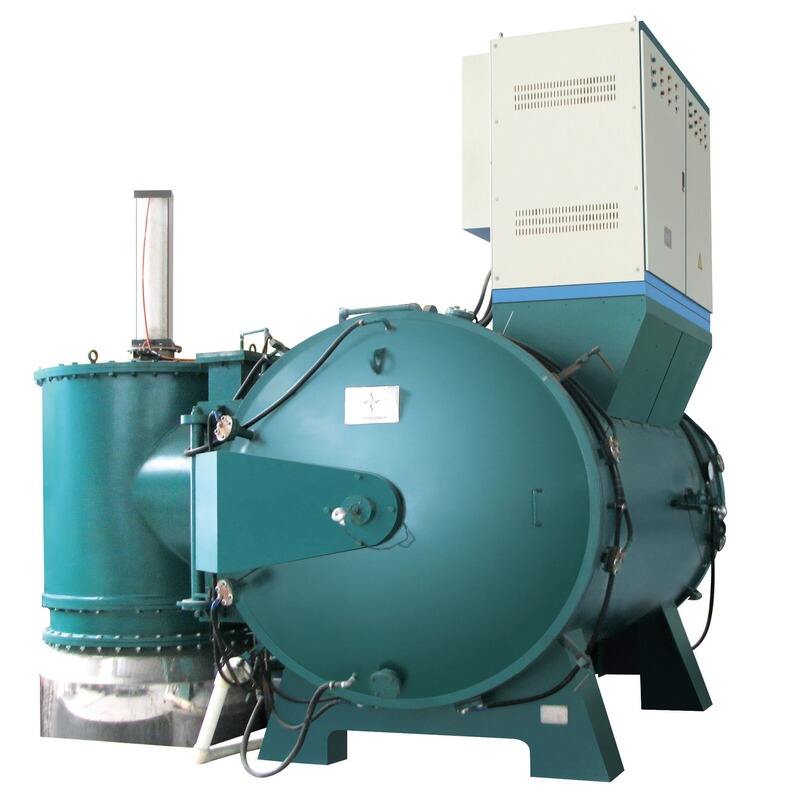
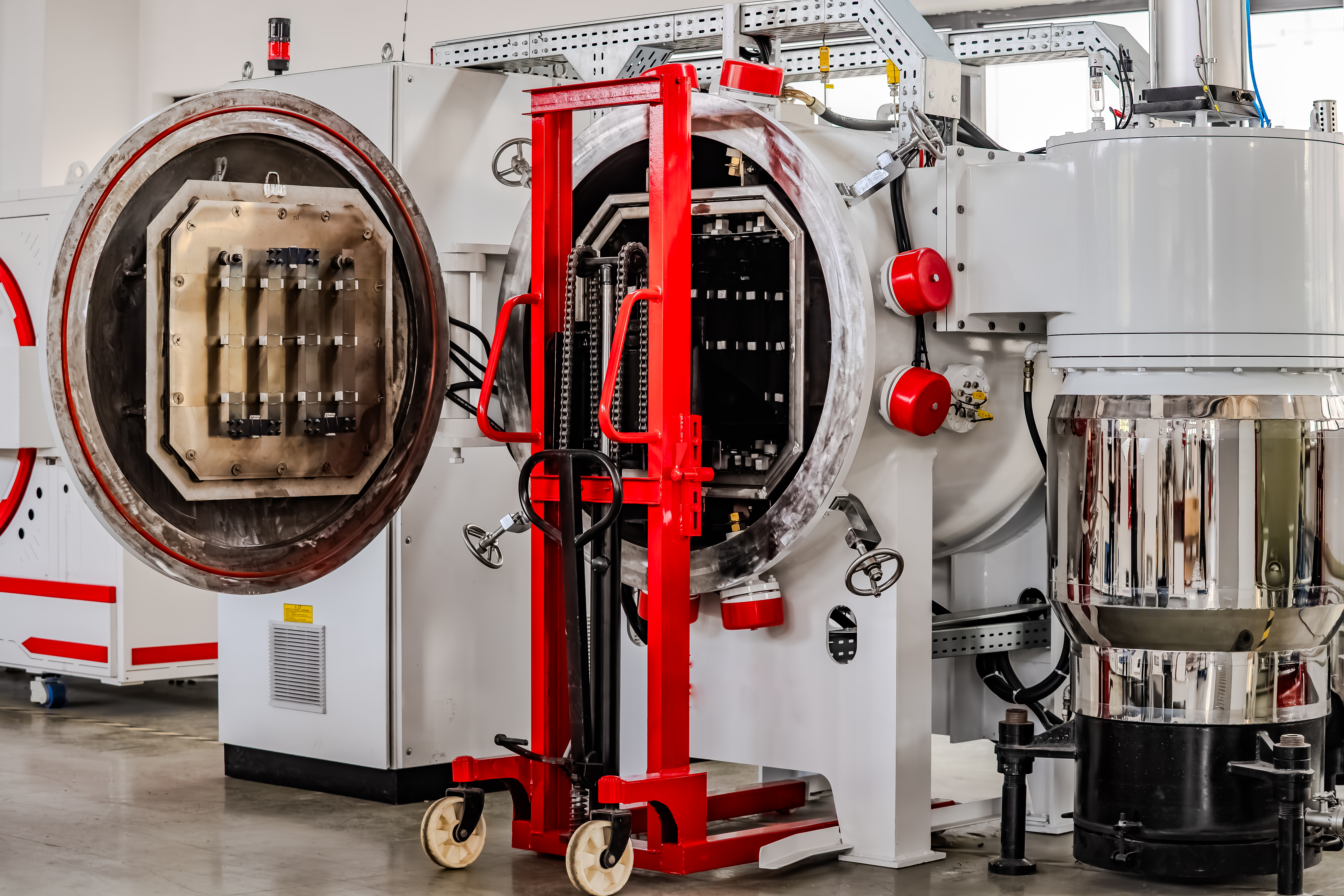
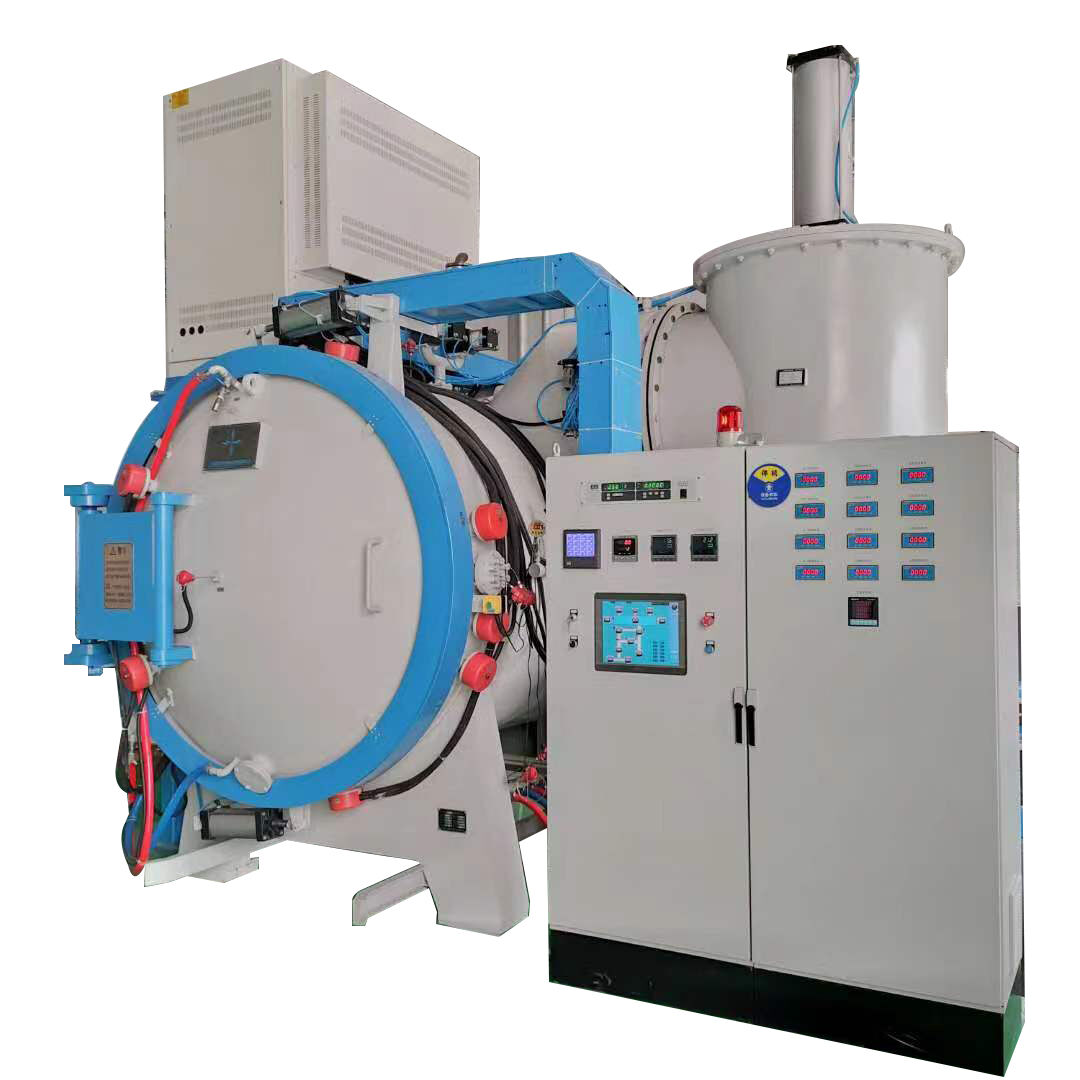
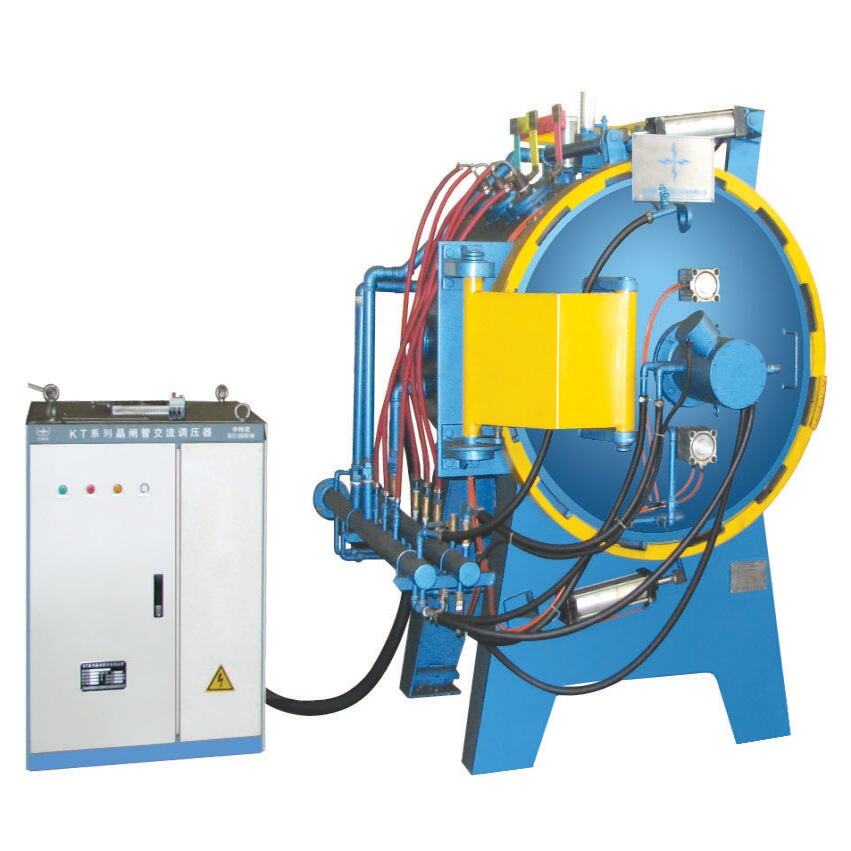
Vacuum sintering represents a revolutionary manufacturing process that transforms powdered materials into dense, high-performance components through carefully controlled heating in an oxygen-free environment. This advanced thermal processing technique removes atmospheric gases to create a pristine environment where particles bond together at the molecular level, producing superior material properties compared to conventional sintering methods. The vacuum sintering process operates by placing powdered metal, ceramic, or composite materials into a specialized chamber where air and other gases are evacuated to create near-perfect vacuum conditions. Once the desired vacuum level is achieved, the material undergoes precise temperature control, typically ranging from 800 to 2000 degrees Celsius, depending on the specific material composition and desired final properties. During this heating phase, the powder particles begin to diffuse and bond together, forming a cohesive solid structure while maintaining dimensional accuracy and achieving exceptional mechanical strength. The vacuum environment prevents oxidation, contamination, and unwanted chemical reactions that could compromise the final product quality. Modern vacuum sintering systems incorporate sophisticated monitoring equipment that continuously tracks temperature, pressure, and atmosphere composition throughout the entire process cycle. This level of control ensures consistent results and enables manufacturers to produce components with predictable performance characteristics. The technology finds extensive application across multiple industries, including automotive, aerospace, electronics, medical devices, and tooling manufacturing. Components produced through vacuum sintering demonstrate superior wear resistance, corrosion protection, and mechanical integrity compared to traditionally manufactured parts. The process effectively eliminates porosity while enhancing material density, resulting in components that meet the most demanding performance specifications. Advanced vacuum sintering systems can accommodate various part geometries and sizes, from intricate micro-components to large structural elements, making this technology versatile for diverse manufacturing requirements.


Popular Products

Vacuum sintering delivers remarkable benefits that transform manufacturing capabilities and product performance across numerous industries. The elimination of atmospheric gases during processing prevents oxidation and contamination, ensuring that materials retain their intended chemical composition and achieve optimal mechanical properties. This controlled environment produces components with exceptional purity levels that conventional sintering methods simply cannot match. The precise temperature control achievable in vacuum sintering systems allows manufacturers to optimize material properties for specific applications, resulting in components that exhibit superior strength, hardness, and durability characteristics. Manufacturing costs decrease significantly because vacuum sintering reduces material waste through improved dimensional control and eliminates the need for secondary machining operations in many applications. The process achieves near-net-shape manufacturing, meaning components emerge from the sintering process very close to their final dimensions, minimizing material removal and reducing production time. Quality consistency improves dramatically because the controlled vacuum environment eliminates variables that typically affect conventional sintering processes, such as atmospheric composition fluctuations and contamination sources. This consistency translates directly into reduced rejection rates and improved production yields, providing substantial economic benefits for manufacturers. The vacuum sintering process accommodates a wide range of materials, including difficult-to-process alloys and advanced composites that would be challenging or impossible to manufacture using traditional methods. Energy efficiency represents another significant advantage, as vacuum sintering systems optimize heat transfer and retention, reducing overall energy consumption compared to atmospheric sintering processes. The enhanced material properties achieved through vacuum sintering often eliminate the need for additional surface treatments or coatings, further reducing manufacturing costs and processing time. Component reliability increases substantially because the controlled processing environment produces materials with uniform microstructures and minimal internal defects that could lead to premature failure. The process supports complex geometries and intricate designs that would be difficult to achieve through conventional manufacturing methods, enabling innovative product designs and improved functionality. Environmental benefits emerge from reduced emissions and waste generation, as the controlled process eliminates many byproducts associated with traditional manufacturing methods. Production flexibility increases because vacuum sintering systems can accommodate varying batch sizes and different materials within the same equipment, providing manufacturers with greater operational efficiency and reduced capital equipment requirements.

Practical Tips

How Do Small and Intermediate Steel Drums Enhance Chemical Storage Safety?

26

Dec

How Do Small and Intermediate Steel Drums Enhance Chemical Storage Safety?

Chemical storage safety remains a critical concern for industries handling hazardous substances, where the choice of containers can make the difference between secure operations and catastrophic incidents. Small and intermediate steel drums have emer...
View More
Why Do Inner Coating Steel Drums Provide Better Protection for Sensitive Materials?

23

Jan

Why Do Inner Coating Steel Drums Provide Better Protection for Sensitive Materials?

The protection of sensitive materials during storage and transportation has become increasingly critical in today's industrial landscape. Industries handling chemicals, pharmaceuticals, and specialty materials require containers that offer superior p...
View More
How Does Coating Thickness Affect the Performance of Inner Coating Steel Drums?

23

Jan

How Does Coating Thickness Affect the Performance of Inner Coating Steel Drums?

The performance and reliability of industrial storage containers depend heavily on the quality and specifications of their protective barriers. When it comes to inner coating steel drums, the thickness of the internal protective layer plays a crucial...
View More
How Does a Vacuum Brazing Furnace Reduce Oxidation During Processing?

25

Feb

How Does a Vacuum Brazing Furnace Reduce Oxidation During Processing?

Modern manufacturing processes demand precise control over atmospheric conditions to achieve optimal results, particularly when joining metals through brazing operations. A vacuum brazing furnace represents a sophisticated solution that eliminates ox...
View More

Get a Free Quote

Our representative will contact you soon.
Email
Name
Company Name
Message
0/1000

vacuum sintering

Superior Material Purity and Contamination Control

Superior Material Purity and Contamination Control

The vacuum sintering process creates an unparalleled level of material purity that revolutionizes component performance and reliability across demanding applications. By evacuating atmospheric gases and maintaining controlled vacuum conditions throughout the entire sintering cycle, this technology eliminates contamination sources that typically compromise material properties in conventional processing methods. The absence of oxygen prevents oxidation reactions that can weaken material bonds and create unwanted compounds, ensuring that the final component maintains its intended chemical composition and achieves optimal mechanical characteristics. This contamination control proves particularly valuable when processing reactive materials or advanced alloys that are sensitive to atmospheric exposure. The vacuum environment prevents carbon pickup, nitrogen absorption, and other atmospheric contamination that commonly occurs in standard sintering processes, resulting in materials with enhanced corrosion resistance and improved mechanical integrity. Advanced vacuum sintering systems incorporate sophisticated gas management technologies that can introduce controlled atmospheres when required, such as inert gases for specific material requirements, while maintaining the overall benefits of vacuum processing. The purity levels achieved through vacuum sintering enable manufacturers to work with high-performance materials that demand exceptional cleanliness, including medical implant materials, aerospace components, and precision electronic parts. Quality control becomes more predictable because the elimination of atmospheric variables removes uncertainty from the process, allowing manufacturers to achieve consistent results batch after batch. The controlled environment also prevents surface contamination that could interfere with subsequent processing steps or compromise the final product's performance characteristics. This level of purity control extends the service life of components by eliminating impurities that could serve as stress concentration points or corrosion initiation sites. Manufacturing flexibility increases because the controlled environment allows processing of materials that would be impossible to sinter in atmospheric conditions, opening new possibilities for innovative component designs and advanced material applications.
Enhanced Mechanical Properties and Performance

Enhanced Mechanical Properties and Performance

Vacuum sintering transforms raw powder materials into components with exceptional mechanical properties that surpass those achievable through conventional manufacturing methods. The controlled heating environment allows particles to bond more effectively at the molecular level, creating dense, uniform microstructures that exhibit superior strength, hardness, and durability characteristics. The absence of atmospheric gases during the sintering process prevents the formation of internal voids and inclusions that typically weaken conventionally processed materials, resulting in components with enhanced structural integrity and improved fatigue resistance. Temperature uniformity achieved in vacuum sintering systems ensures consistent material properties throughout the entire component, eliminating weak spots that could compromise performance under demanding operating conditions. The process enables precise control over grain structure and particle bonding, allowing manufacturers to tailor material properties for specific applications and performance requirements. Components produced through vacuum sintering demonstrate exceptional wear resistance, making them ideal for high-stress applications such as cutting tools, bearing surfaces, and mechanical components subjected to repetitive loading cycles. The enhanced density achieved through vacuum processing eliminates porosity that could serve as crack initiation sites, significantly improving the component's resistance to mechanical failure and extending its operational lifespan. Thermal properties improve substantially because the uniform microstructure created during vacuum sintering provides consistent heat transfer characteristics and dimensional stability across temperature variations. The controlled processing environment enables the production of materials with predictable and reproducible mechanical properties, crucial for applications requiring strict performance specifications and quality standards. Corrosion resistance increases because the elimination of atmospheric contamination prevents the formation of compounds that could accelerate material degradation in service environments. The superior mechanical properties achieved through vacuum sintering often eliminate the need for additional strengthening treatments, reducing manufacturing costs while improving component performance. These enhanced properties make vacuum sintered components particularly valuable in critical applications where material failure could have serious consequences, such as aerospace systems, medical devices, and high-performance industrial equipment.
Cost-Effective Near-Net-Shape Manufacturing

Cost-Effective Near-Net-Shape Manufacturing

Vacuum sintering delivers exceptional economic value through near-net-shape manufacturing capabilities that minimize material waste and reduce secondary processing requirements. This advanced processing technique enables manufacturers to produce components that emerge from the sintering furnace very close to their final dimensions, often requiring minimal or no additional machining operations to achieve the desired specifications. The precise dimensional control achievable through vacuum sintering stems from the controlled environment that prevents unwanted chemical reactions and dimensional changes that typically occur in atmospheric processing conditions. Material utilization efficiency improves dramatically because the process minimizes waste generation and maximizes the conversion of raw materials into finished components, providing substantial cost savings for high-volume production operations. The elimination of extensive machining operations reduces manufacturing time and labor costs while also decreasing tooling wear and equipment maintenance requirements, contributing to improved overall production economics. Quality consistency achieved through vacuum sintering reduces rejection rates and rework requirements, further enhancing the economic benefits by maximizing production yields and minimizing material losses. The process accommodates complex geometries and intricate internal features that would be extremely expensive or impossible to produce through conventional machining methods, enabling innovative designs that optimize component functionality while reducing manufacturing complexity. Energy costs decrease because the controlled vacuum environment optimizes heat transfer efficiency and reduces the overall energy required for processing compared to traditional manufacturing methods that may require multiple heating and cooling cycles. Production flexibility increases because vacuum sintering systems can accommodate varying batch sizes and different component types within the same processing cycle, maximizing equipment utilization and reducing per-unit manufacturing costs. The superior surface finish quality achievable through vacuum sintering often eliminates the need for additional finishing operations, further reducing processing time and associated costs. Long-term economic benefits emerge from the extended service life of vacuum sintered components, which reduces replacement costs and maintenance requirements for end users, creating additional value propositions for manufacturers. The scalability of vacuum sintering processes allows manufacturers to optimize production volumes based on demand while maintaining cost-effectiveness across different batch sizes, providing operational flexibility that enhances overall business competitiveness.

Get a Free Quote

Our representative will contact you soon.
Email
Name
Company Name
Message
0/1000