Vacuum Sintering Furnace Technology: Advanced Solutions for Superior Manufacturing Results

All Categories

Get a Free Quote

Our representative will contact you soon.
Email
Name
Company Name
Message
0/1000

vacuum sintering furnace

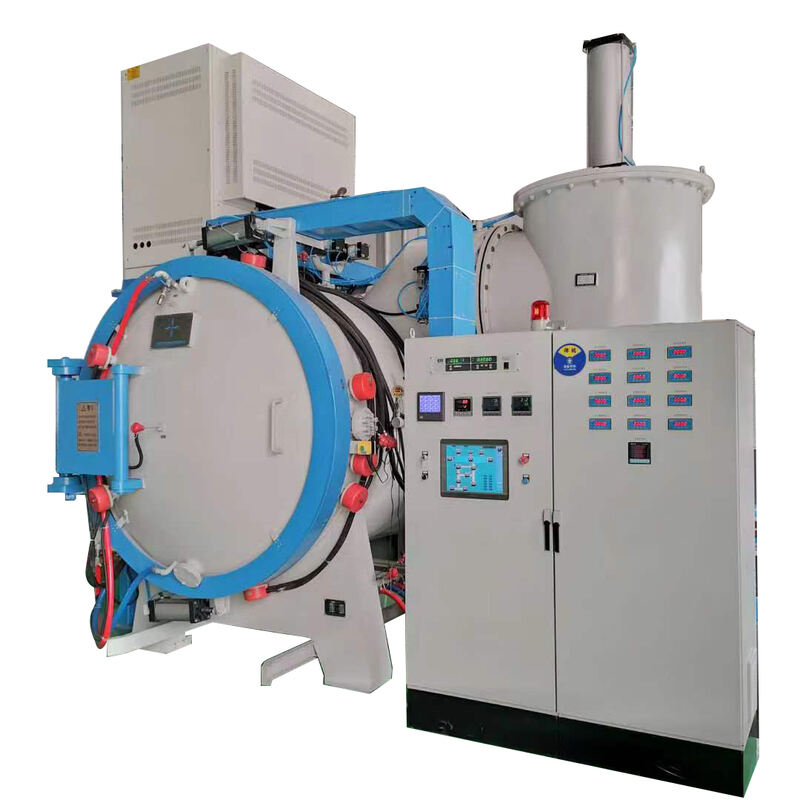
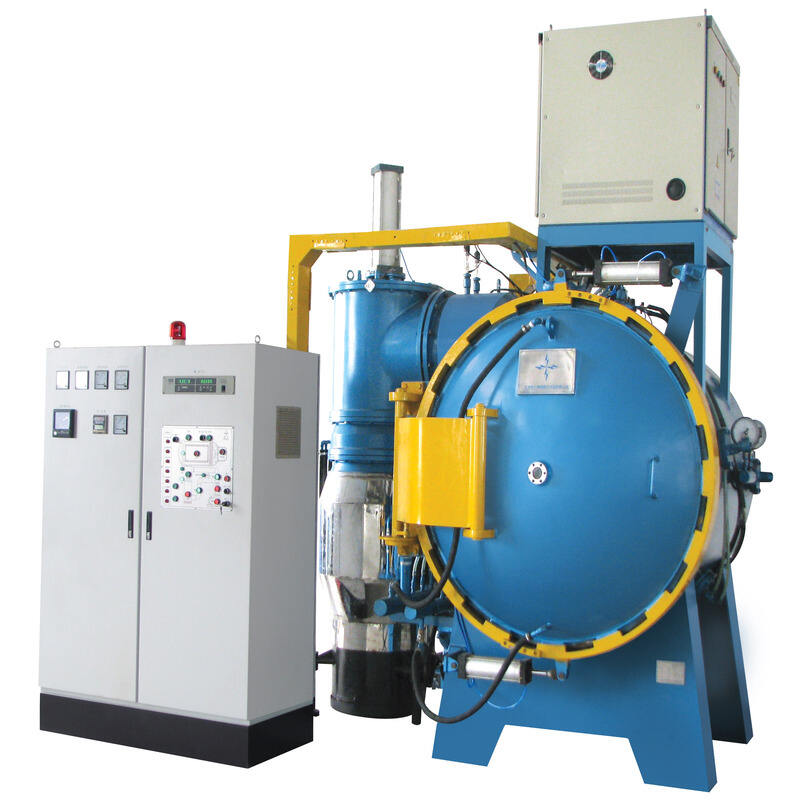
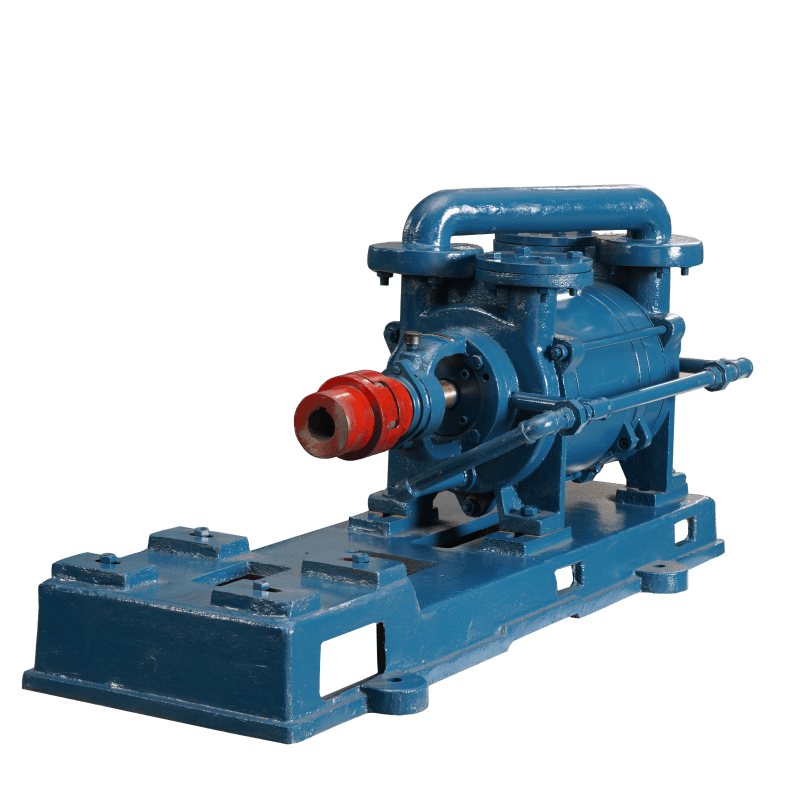
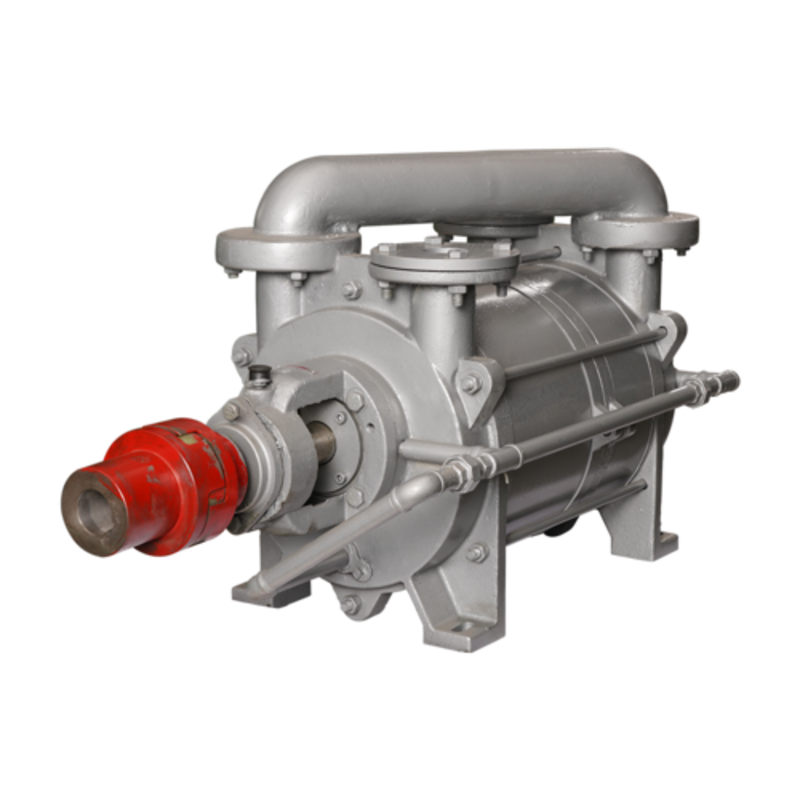
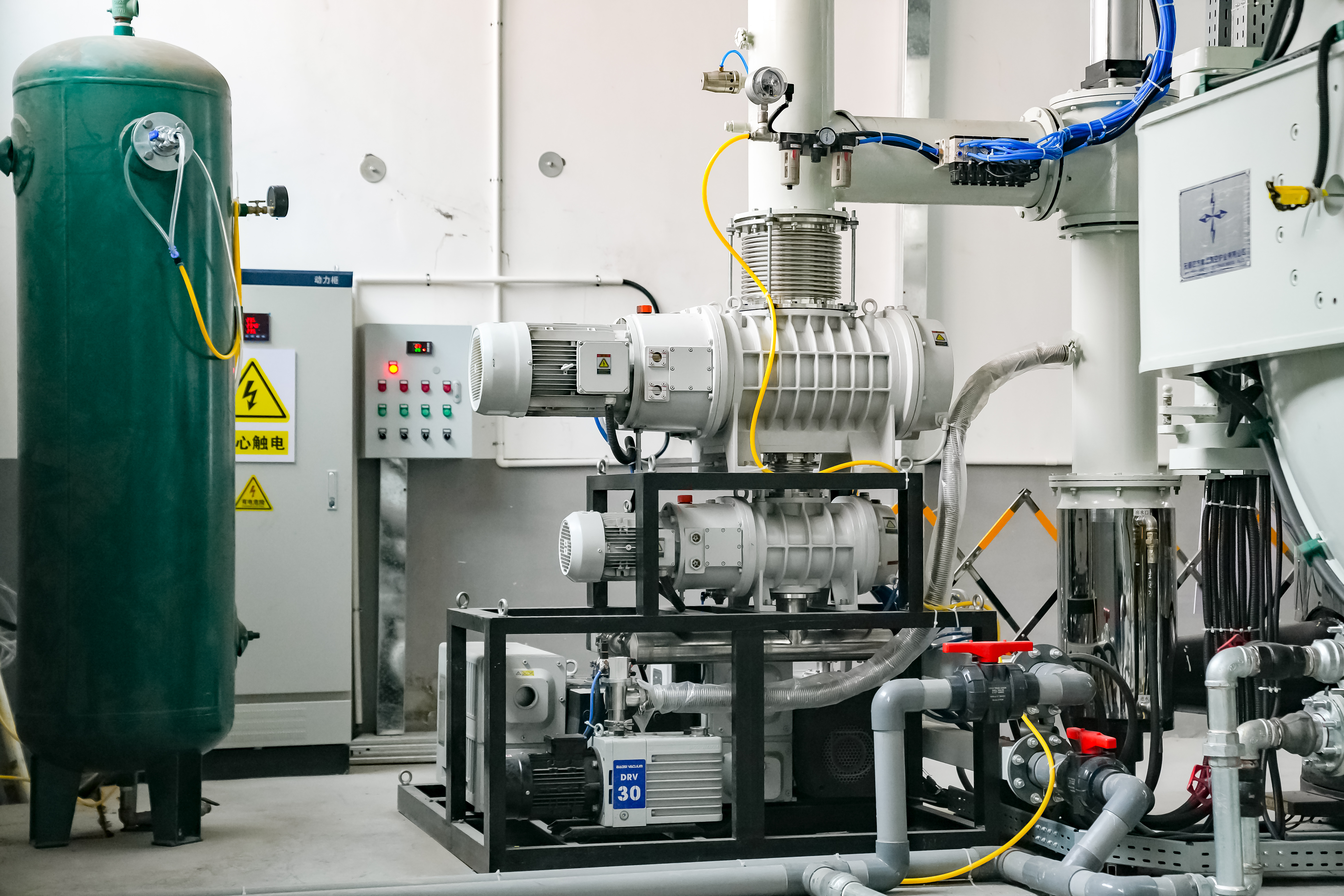
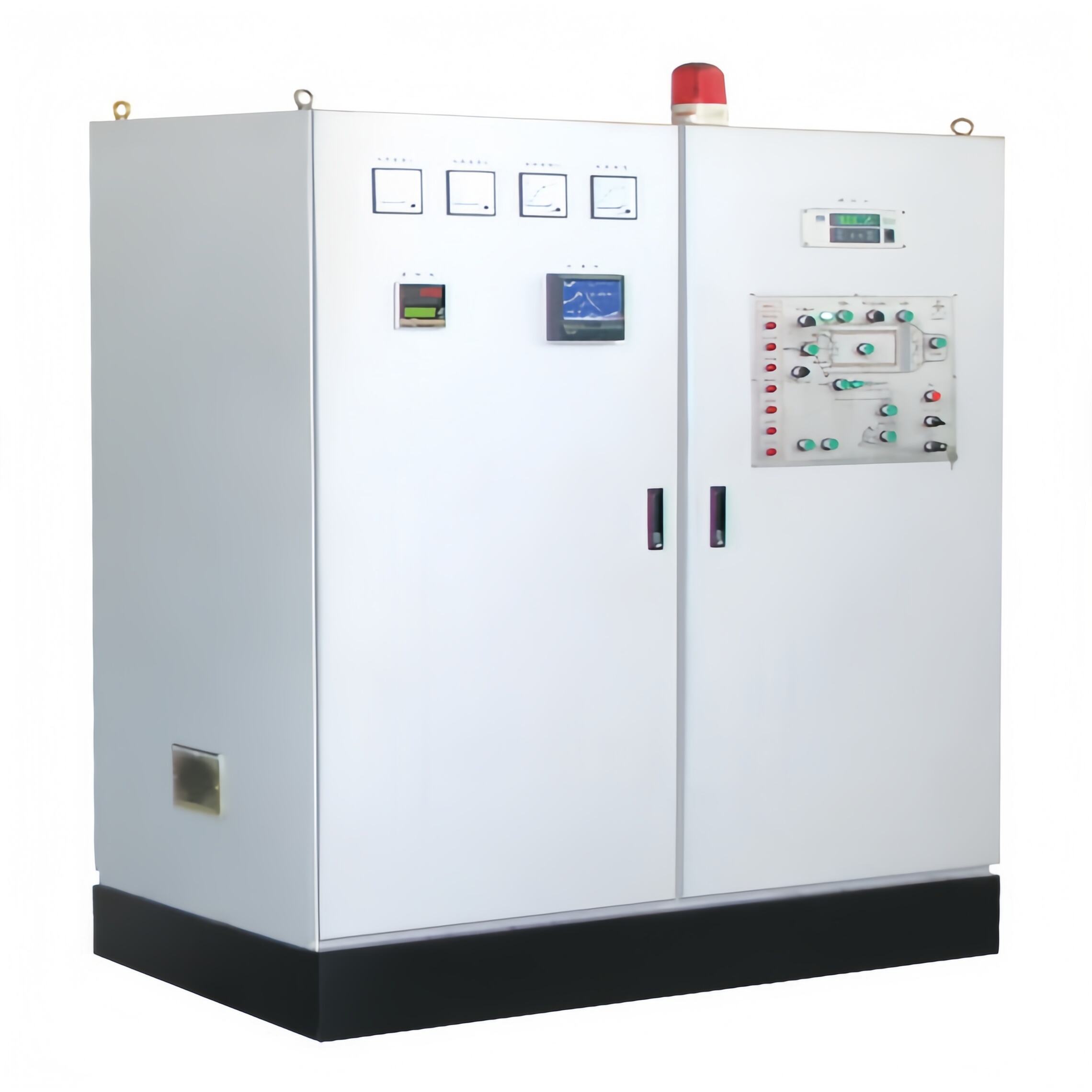
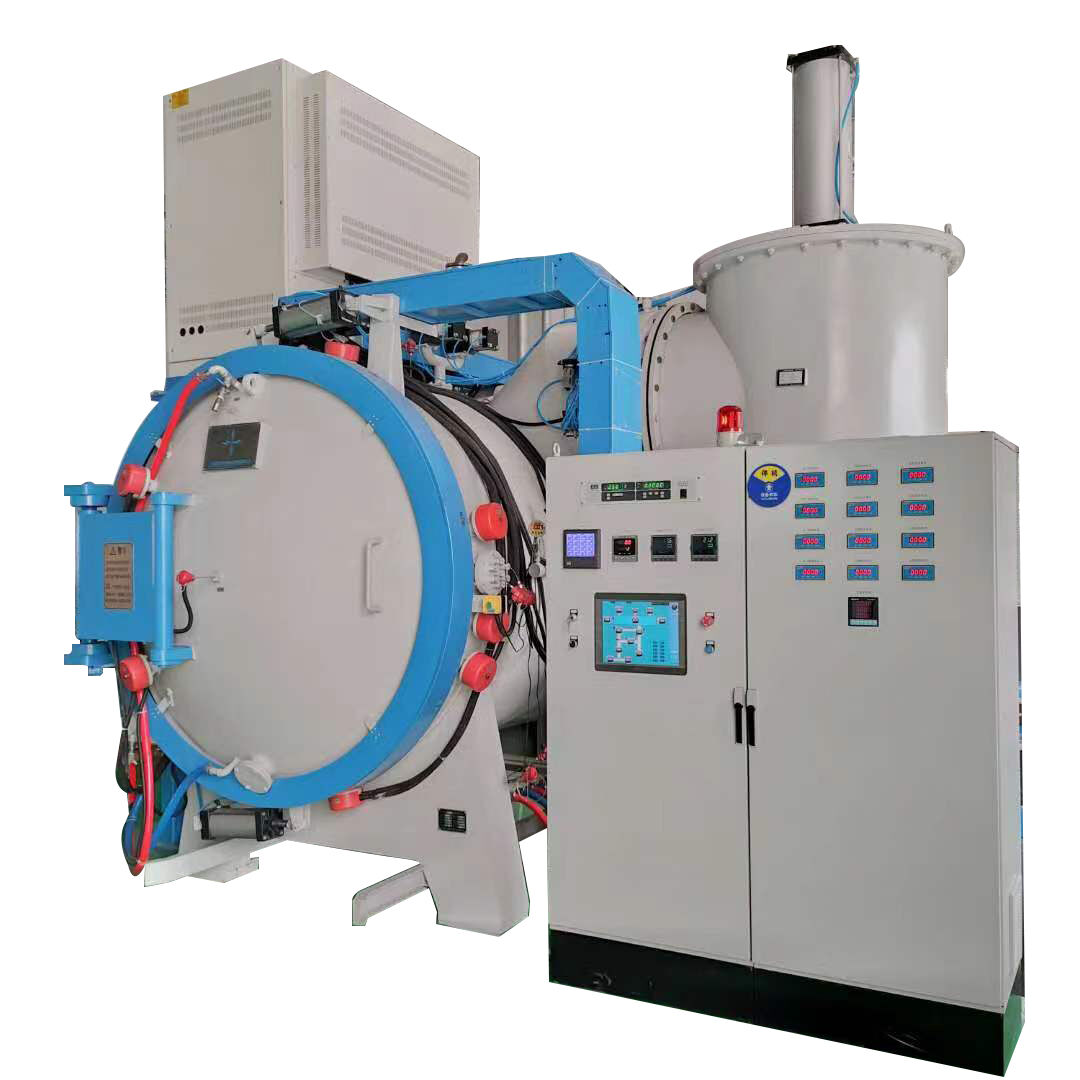
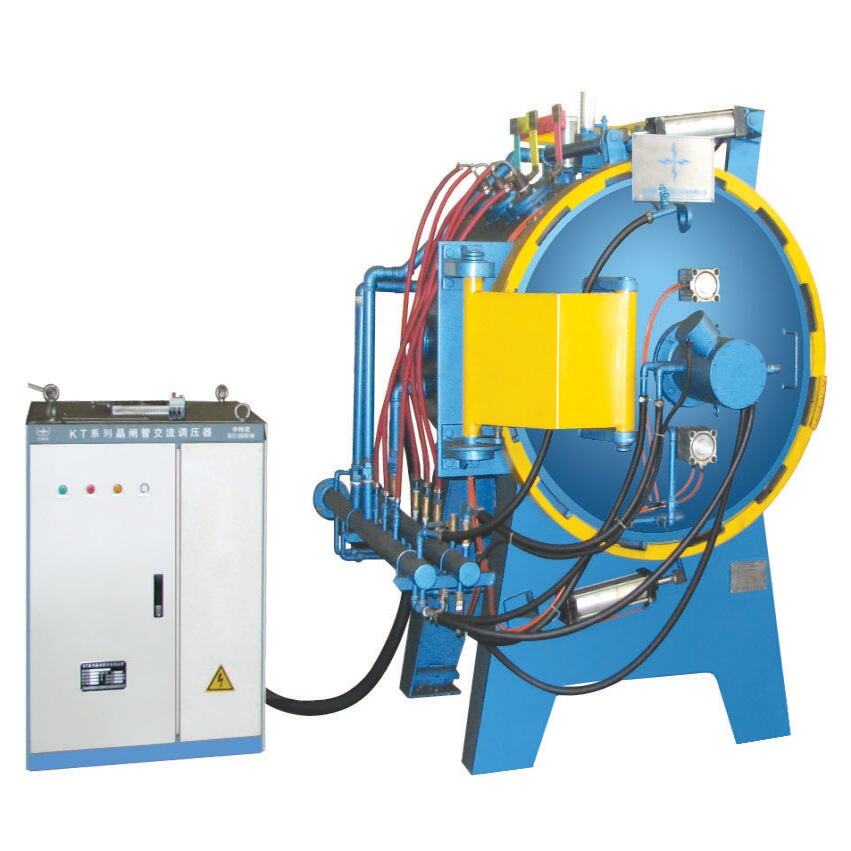
The vacuum sintering furnace represents a revolutionary advancement in materials processing technology, designed to create superior products through controlled atmospheric conditions. This sophisticated equipment operates by removing air and other gases from the processing chamber, creating an oxygen-free environment that prevents oxidation and contamination during the sintering process. The vacuum sintering furnace utilizes precise temperature control systems, typically reaching temperatures between 1000°C to 3000°C, enabling the processing of various materials including ceramics, metals, and advanced composites. The fundamental operation involves heating materials in a vacuum environment, allowing particles to bond at the molecular level without the interference of atmospheric gases. This vacuum sintering furnace technology incorporates advanced heating elements, sophisticated vacuum pumps, and computerized control systems that monitor and adjust parameters throughout the entire process. The main chamber features high-quality insulation materials and refractory components that ensure uniform heat distribution and energy efficiency. Modern vacuum sintering furnace models include programmable controllers that allow operators to create custom heating profiles, cooling rates, and vacuum levels tailored to specific materials and applications. The technology finds extensive use in aerospace manufacturing, medical device production, automotive components, and electronic materials processing. Industries rely on vacuum sintering furnace systems to produce parts with enhanced mechanical properties, improved density, and superior surface finish. The equipment supports both batch and continuous processing modes, accommodating various production requirements from research and development to large-scale manufacturing operations. Safety features integrated into vacuum sintering furnace designs include emergency shutdown systems, gas leak detection, and automated pressure monitoring to ensure operator protection and equipment longevity.


New Products

Manufacturing companies choose vacuum sintering furnace technology because it delivers exceptional product quality that traditional sintering methods cannot match. The controlled atmosphere eliminates oxygen and moisture, preventing oxidation reactions that typically cause defects and weakness in finished products. This results in components with superior strength, durability, and performance characteristics that meet the most demanding industrial specifications. The vacuum sintering furnace provides precise temperature uniformity throughout the processing chamber, ensuring consistent results across every batch. This reliability reduces waste, minimizes rework, and increases overall production efficiency, directly impacting your bottom line through reduced material costs and improved yield rates. Energy efficiency stands as another significant benefit of vacuum sintering furnace operations. The insulated chambers and advanced heating systems require less energy compared to conventional furnaces, reducing operational costs while maintaining optimal processing conditions. Companies report energy savings of up to thirty percent when switching to vacuum sintering furnace technology. The equipment also offers remarkable versatility, processing a wide range of materials from delicate ceramics to robust metal alloys within the same system. This flexibility eliminates the need for multiple specialized furnaces, reducing capital investment and facility space requirements. Maintenance costs remain low due to the protected environment inside the vacuum sintering furnace, which prevents corrosive damage to internal components and extends equipment lifespan significantly. The automated control systems reduce labor requirements and human error, allowing operators to manage multiple processes simultaneously while maintaining consistent quality standards. Product contamination becomes virtually impossible in the controlled environment of a vacuum sintering furnace, ensuring that sensitive materials maintain their purity and performance characteristics. This contamination-free processing is particularly valuable in medical device manufacturing, aerospace applications, and electronic component production where material integrity is critical. The technology also enables faster processing cycles compared to traditional methods, increasing throughput and reducing production time. Companies experience improved delivery schedules and enhanced customer satisfaction through the reliable performance of vacuum sintering furnace systems.

Tips And Tricks

How Do Small and Intermediate Steel Drums Enhance Chemical Storage Safety?

26

Dec

How Do Small and Intermediate Steel Drums Enhance Chemical Storage Safety?

Chemical storage safety remains a critical concern for industries handling hazardous substances, where the choice of containers can make the difference between secure operations and catastrophic incidents. Small and intermediate steel drums have emer...
View More
Why Are Composite Drums Becoming a Preferred Choice in Hazardous Material Packaging?

23

Jan

Why Are Composite Drums Becoming a Preferred Choice in Hazardous Material Packaging?

The industrial packaging landscape has undergone significant transformation in recent years, with manufacturers increasingly seeking alternatives to traditional steel and plastic containers. Among the most notable innovations are composite drums, whi...
View More
How Do Composite Drums Combine Strength and Chemical Resistance Effectively?

25

Feb

How Do Composite Drums Combine Strength and Chemical Resistance Effectively?

Modern industrial packaging demands containers that can withstand both mechanical stress and chemical exposure without compromising product integrity. Composite drums have emerged as the optimal solution for industries requiring reliable storage and ...
View More
How Do Material Types Affect Performance in a Vacuum Brazing Furnace?

25

Feb

How Do Material Types Affect Performance in a Vacuum Brazing Furnace?

Material selection plays a crucial role in determining the success and efficiency of thermal processing operations. When working with a vacuum brazing furnace, understanding how different materials respond to high-temperature environments and control...
View More

Get a Free Quote

Our representative will contact you soon.
Email
Name
Company Name
Message
0/1000

vacuum sintering furnace

Advanced Temperature Control and Uniformity

Advanced Temperature Control and Uniformity

The vacuum sintering furnace excels in delivering precise temperature control that transforms manufacturing capabilities across multiple industries. This sophisticated system employs multiple heating zones with independent temperature monitoring and adjustment capabilities, ensuring uniform heat distribution throughout the entire processing chamber. The advanced temperature control technology utilizes high-precision thermocouples and infrared sensors strategically positioned to monitor temperature variations within one degree Celsius accuracy. This level of control prevents hot spots and cold zones that commonly plague traditional sintering methods, eliminating product defects and ensuring consistent material properties across every batch. The vacuum sintering furnace incorporates programmable temperature profiles that allow manufacturers to customize heating and cooling rates according to specific material requirements. This flexibility enables processing of diverse materials from delicate ceramics requiring gentle heating curves to robust metals needing rapid temperature changes. The system maintains temperature stability even during power fluctuations or environmental changes, thanks to sophisticated feedback control algorithms and backup heating elements. Manufacturers benefit from reduced scrap rates, improved product quality, and enhanced process repeatability that directly translates to cost savings and customer satisfaction. The uniform temperature distribution achieved by vacuum sintering furnace technology ensures that complex-shaped components receive consistent thermal treatment in all areas, preventing warping, cracking, or incomplete sintering that occurs with uneven heating. This capability is particularly valuable for intricate parts used in aerospace, medical devices, and precision engineering applications where dimensional accuracy and material integrity are paramount. The energy-efficient heating system reduces operational costs while maintaining optimal processing conditions, making the vacuum sintering furnace an economically sustainable solution for high-volume production environments.
Contamination-Free Processing Environment

Contamination-Free Processing Environment

The vacuum sintering furnace creates an ultra-clean processing environment that eliminates contamination risks and ensures superior product purity throughout the manufacturing process. By removing atmospheric gases, moisture, and particulate matter from the processing chamber, this technology prevents chemical reactions that typically degrade material properties and cause product failures. The controlled atmosphere maintains oxygen levels below parts per million, preventing oxidation that commonly affects metal components and ceramic materials during conventional sintering processes. This contamination-free environment is particularly crucial for manufacturing medical implants, aerospace components, and electronic devices where material purity directly impacts performance and safety. The vacuum sintering furnace utilizes advanced sealing systems and high-capacity vacuum pumps to maintain consistent atmospheric conditions throughout extended processing cycles. Multiple filtration stages remove even microscopic contaminants, ensuring that sensitive materials retain their designed properties and meet stringent quality standards. The sealed chamber design prevents external contamination from entering during processing, while the inert atmosphere eliminates cross-contamination between different materials processed in the same equipment. Manufacturers experience significant improvements in product reliability and longevity when using vacuum sintering furnace technology, as components maintain their intended chemical composition and microstructure. This purity advantage extends product lifespan and enhances performance characteristics, providing end-users with superior value and reliability. The contamination-free processing capability also enables manufacturers to work with reactive materials that would otherwise be impossible to process in standard atmospheric conditions. Advanced monitoring systems continuously track atmospheric composition and alert operators to any deviations from optimal conditions, ensuring consistent processing quality. The vacuum sintering furnace technology supports cleanroom-compatible operations, meeting the strict environmental requirements of pharmaceutical, semiconductor, and biotechnology manufacturing facilities.
Enhanced Material Properties and Performance

Enhanced Material Properties and Performance

The vacuum sintering furnace delivers exceptional improvements in material properties that significantly enhance the performance and value of finished products across diverse manufacturing applications. The controlled atmosphere and precise thermal management create optimal conditions for particle bonding and densification, resulting in components with superior mechanical strength, improved hardness, and enhanced wear resistance compared to conventionally processed materials. The absence of oxidizing gases allows materials to achieve their theoretical maximum density, eliminating porosity and voids that weaken traditional sintered products. This density improvement directly translates to stronger, more durable components that withstand demanding operational conditions and extend service life significantly. The vacuum sintering furnace enables processing at lower temperatures while achieving superior results, preserving the original material properties and preventing grain growth that typically occurs at higher temperatures. This capability is particularly valuable for processing temperature-sensitive materials and maintaining fine microstructures essential for specific applications. The technology produces components with exceptional dimensional accuracy and minimal distortion, reducing or eliminating secondary machining operations that add cost and complexity to manufacturing processes. Surface quality improvements achieved through vacuum sintering furnace processing result in components with enhanced corrosion resistance, improved fatigue life, and better aesthetic appearance. The controlled atmosphere prevents decarburization and other surface degradation phenomena that commonly affect parts processed in conventional furnaces. Manufacturers report significant improvements in product performance metrics, including increased tensile strength, enhanced thermal conductivity, and improved electrical properties when utilizing vacuum sintering furnace technology. The enhanced material properties enable design engineers to specify thinner wall sections and lighter weight components without compromising strength or durability, supporting advanced product development and innovation. These property improvements provide manufacturers with competitive advantages through superior product performance, reduced warranty claims, and enhanced customer satisfaction. The vacuum sintering furnace technology consistently produces parts that exceed industry standards and customer expectations, establishing a foundation for long-term business success and market leadership.

Get a Free Quote

Our representative will contact you soon.
Email
Name
Company Name
Message
0/1000