Vacuum Sintering Furnace for Stainless Steel: Advanced Manufacturing Solutions

All Categories

Get a Free Quote

Our representative will contact you soon.
Email
Name
Company Name
Message
0/1000

vacuum sintering furnace for stainless steel

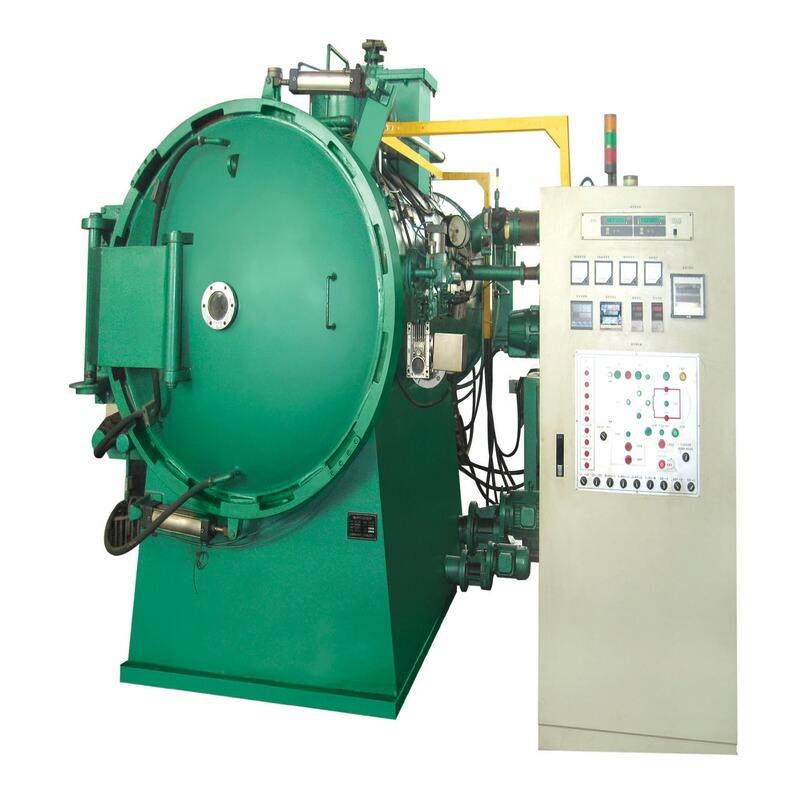
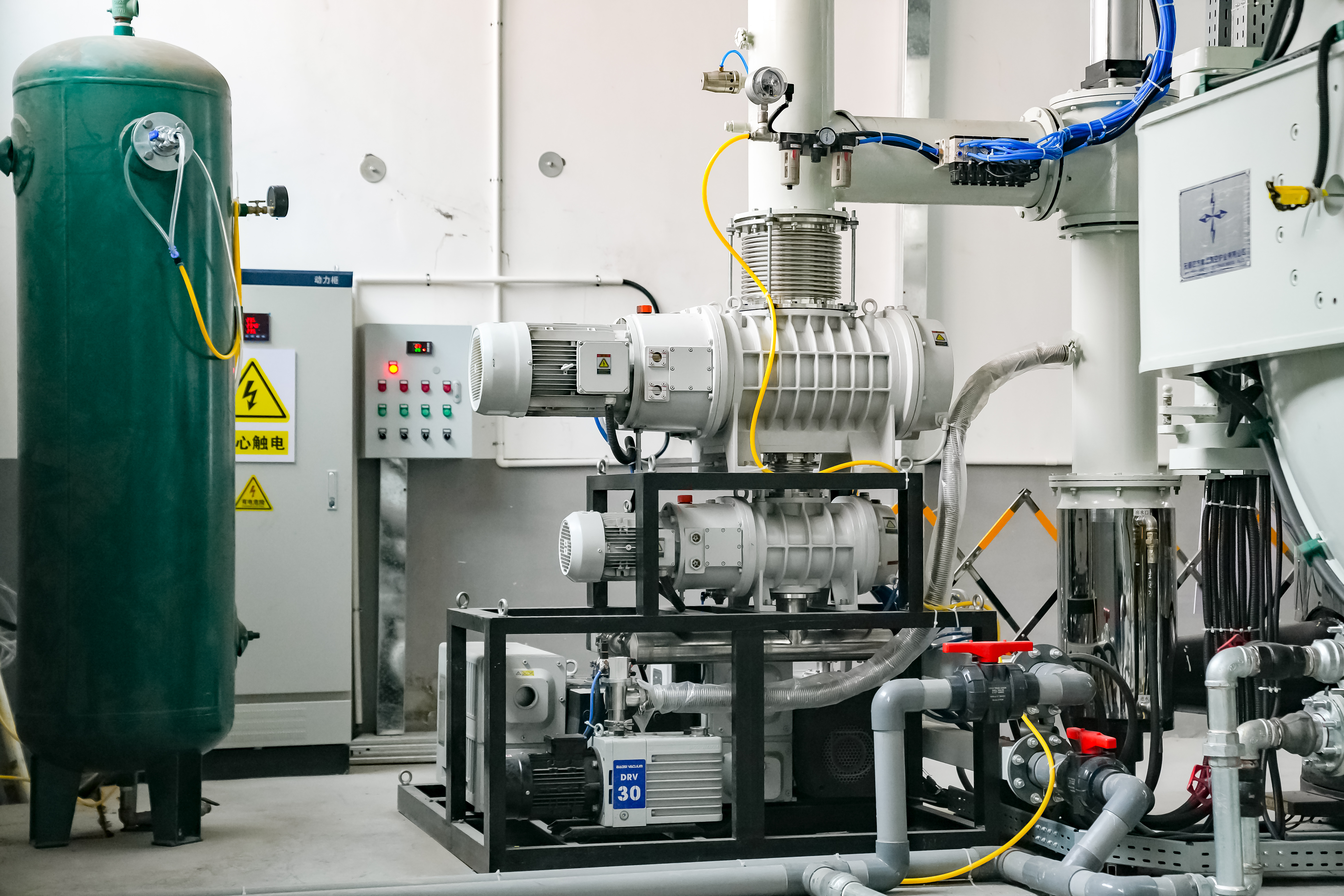
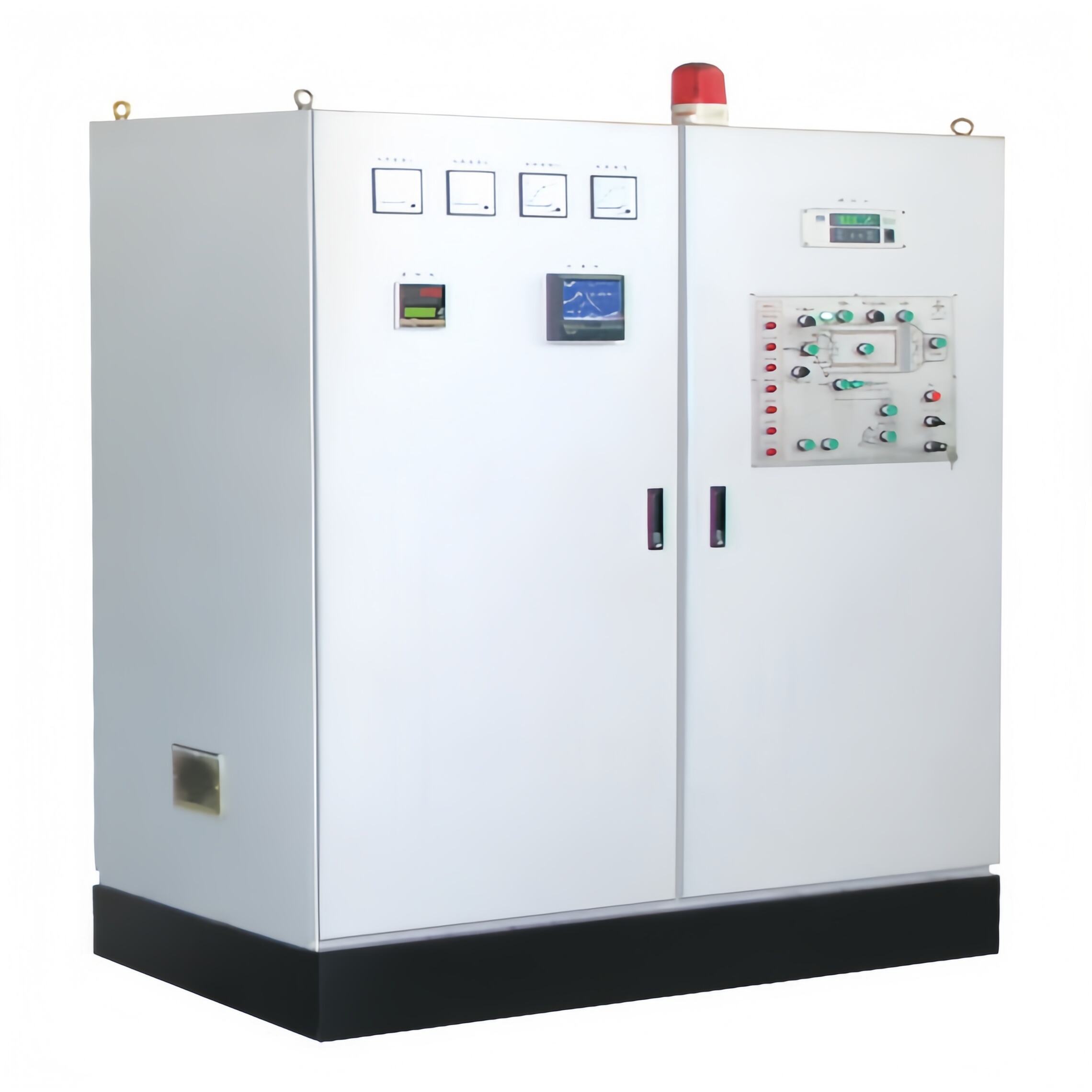
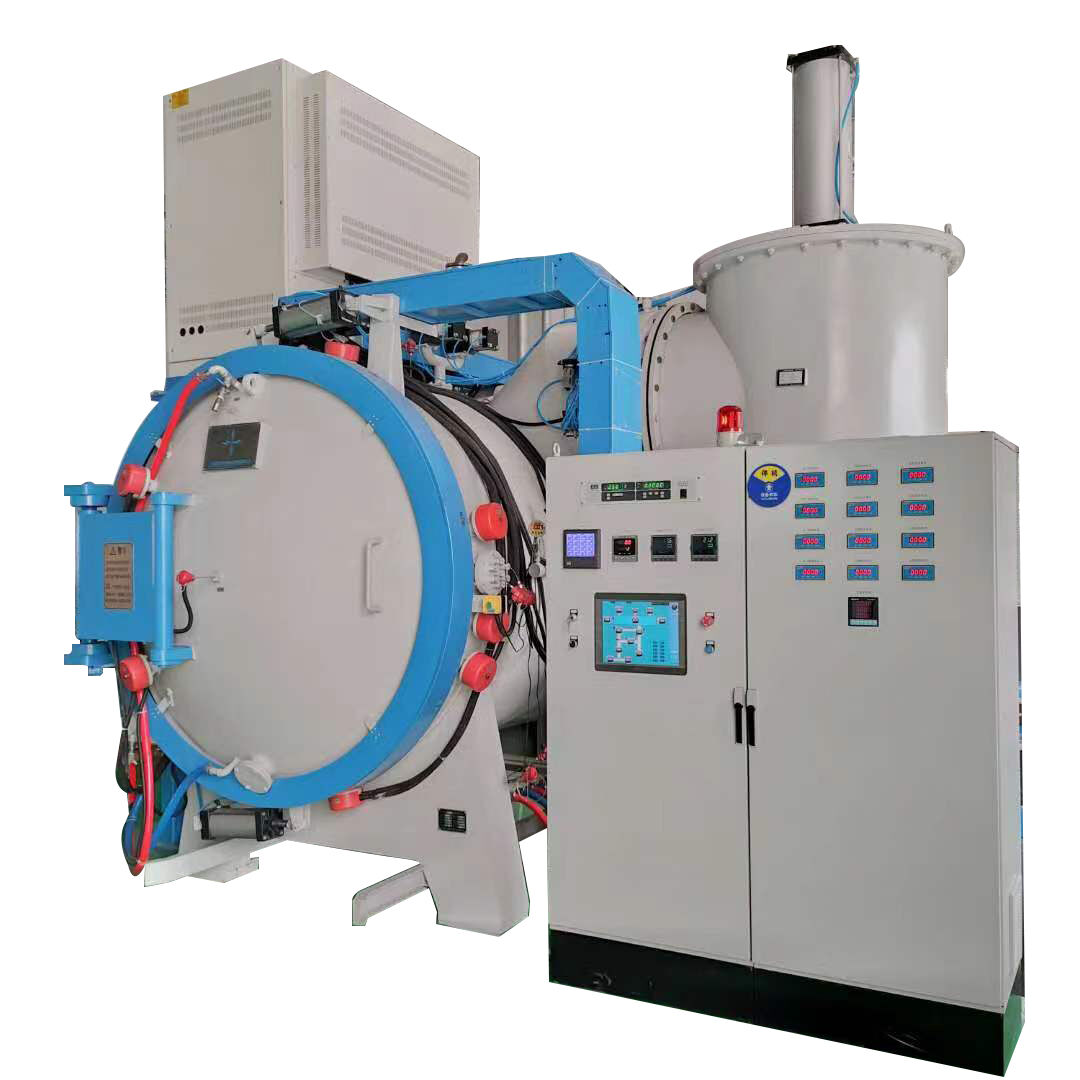
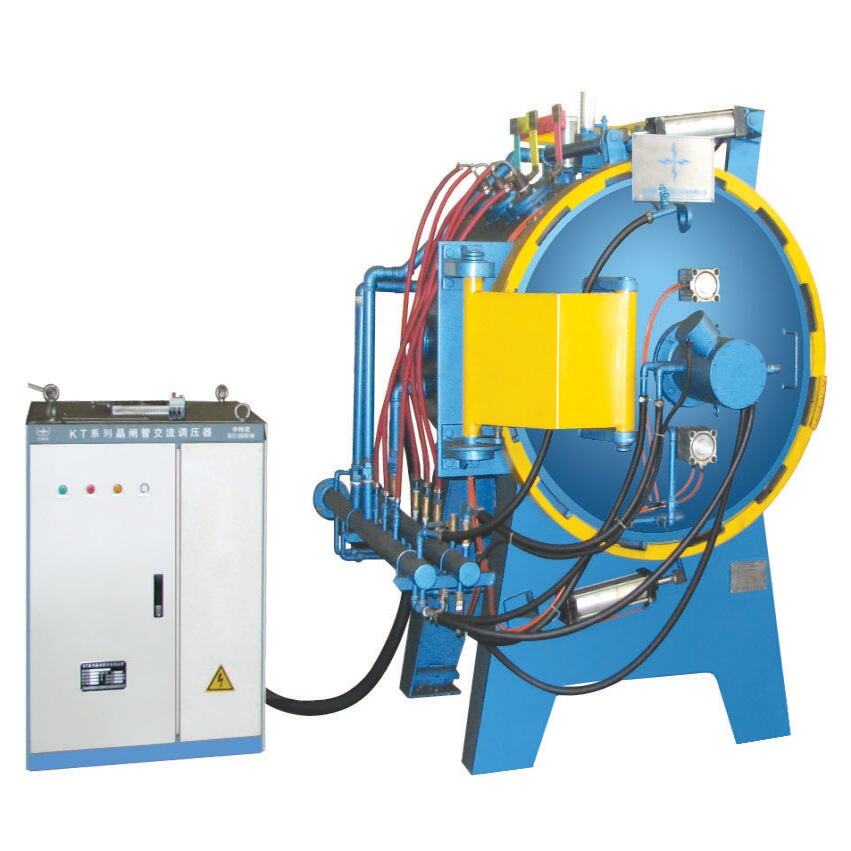
The vacuum sintering furnace for stainless steel represents a cutting-edge thermal processing solution designed specifically for manufacturing high-quality stainless steel components through powder metallurgy techniques. This sophisticated equipment operates by removing atmospheric gases to create a controlled vacuum environment, enabling precise temperature control and optimal material densification. The primary function of a vacuum sintering furnace for stainless steel involves heating compressed metal powders to temperatures below their melting point, typically ranging from 1000°C to 1400°C, allowing particles to bond together through solid-state diffusion processes. This technology eliminates oxidation concerns that plague conventional sintering methods, ensuring superior material properties and surface finish quality. The furnace incorporates advanced heating elements, sophisticated temperature monitoring systems, and precise vacuum pumps to maintain optimal processing conditions throughout the sintering cycle. Key technological features include programmable temperature profiles, multi-zone heating capabilities, rapid cooling systems, and integrated data logging for quality control purposes. The vacuum sintering furnace for stainless steel finds extensive applications across diverse industries including automotive manufacturing, aerospace engineering, medical device production, and precision tooling. Components such as automotive transmission parts, surgical instruments, bearing assemblies, and complex geometrical parts benefit significantly from this processing method. The technology enables production of parts with intricate shapes, tight tolerances, and excellent mechanical properties that would be challenging or impossible to achieve through traditional manufacturing methods. Modern vacuum sintering furnace for stainless steel systems incorporate energy-efficient designs, automated loading mechanisms, and advanced control systems that ensure consistent results while minimizing operational costs and environmental impact.

Popular Products

The vacuum sintering furnace for stainless steel delivers numerous compelling advantages that make it an essential investment for manufacturers seeking superior quality and operational efficiency. First, the controlled vacuum environment eliminates oxygen and other atmospheric contaminants, preventing oxidation and ensuring pristine surface finishes without requiring additional post-processing treatments. This capability significantly reduces production costs while improving final product quality. The precise temperature control systems enable manufacturers to achieve consistent material properties across entire production batches, eliminating variations that commonly occur with conventional sintering methods. Energy efficiency stands as another major benefit, as the vacuum sintering furnace for stainless steel requires lower processing temperatures compared to traditional melting processes, resulting in substantial energy savings and reduced operational expenses. The technology supports complex part geometries that would be prohibitively expensive or impossible to machine from solid stainless steel billets, opening new design possibilities for engineers and product developers. Material waste reduction represents a significant economic advantage, as powder metallurgy processes typically achieve material utilization rates exceeding 95 percent, compared to subtractive manufacturing methods that generate substantial waste. The vacuum sintering furnace for stainless steel enables precise control over porosity levels, allowing manufacturers to tailor material properties for specific applications, whether requiring maximum density for strength applications or controlled porosity for filtration purposes. Production flexibility emerges as another key benefit, enabling manufacturers to produce small batches economically while maintaining the capability for large-scale production runs. The automated nature of modern systems reduces labor requirements and minimizes human error, ensuring consistent quality while reducing operational costs. Environmental benefits include reduced material waste, lower energy consumption per part produced, and elimination of chemical treatments often required in alternative manufacturing processes. Quality assurance capabilities built into vacuum sintering furnace for stainless steel systems provide comprehensive documentation and traceability, meeting stringent industry standards and regulatory requirements essential for aerospace, medical, and automotive applications.

Tips And Tricks

Why Is Metal Barrel Corrosion Protection Important for Industrial Use?

26

Dec

Why Is Metal Barrel Corrosion Protection Important for Industrial Use?

Industrial operations across manufacturing, chemical processing, and petroleum sectors rely heavily on metal barrels for storage and transportation of various materials. These containers face constant exposure to corrosive elements that can compromis...
View More
What Applications Benefit Most From Small and Intermediate Steel Drums?

30

Dec

What Applications Benefit Most From Small and Intermediate Steel Drums?

Industrial packaging solutions have evolved significantly over the decades, with small and intermediate steel drums emerging as essential containers for countless applications across diverse sectors. These versatile vessels offer superior protection,...
View More
How Do Intermediate & Bulk Container Solutions Improve Industrial Storage Efficiency?

25

Feb

How Do Intermediate & Bulk Container Solutions Improve Industrial Storage Efficiency?

Industrial storage efficiency has become a critical factor in modern supply chain management, with businesses constantly seeking solutions that maximize space utilization while minimizing operational costs. The intermediate & bulk container has emerg...
View More
How Do Material Types Affect Performance in a Vacuum Brazing Furnace?

25

Feb

How Do Material Types Affect Performance in a Vacuum Brazing Furnace?

Material selection plays a crucial role in determining the success and efficiency of thermal processing operations. When working with a vacuum brazing furnace, understanding how different materials respond to high-temperature environments and control...
View More

Get a Free Quote

Our representative will contact you soon.
Email
Name
Company Name
Message
0/1000

vacuum sintering furnace for stainless steel

Superior Material Properties Through Controlled Atmosphere Processing

Superior Material Properties Through Controlled Atmosphere Processing

The vacuum sintering furnace for stainless steel achieves exceptional material properties through its precisely controlled atmosphere processing capabilities, setting it apart from conventional manufacturing methods. By creating and maintaining a high-vacuum environment typically ranging from 10^-3 to 10^-6 torr, this technology eliminates oxygen, nitrogen, and other atmospheric contaminants that can compromise material integrity during processing. This controlled atmosphere prevents oxidation, decarburization, and contamination that commonly plague traditional sintering processes, resulting in superior mechanical properties including enhanced tensile strength, improved corrosion resistance, and increased fatigue life. The absence of atmospheric gases allows for more efficient diffusion bonding between stainless steel particles, creating denser, more homogeneous microstructures with fewer defects and inclusions. This controlled environment enables processing of reactive stainless steel grades that would be impossible to sinter effectively in atmospheric conditions, expanding the range of materials available for powder metallurgy applications. The vacuum sintering furnace for stainless steel maintains precise temperature uniformity throughout the heating chamber, ensuring consistent material properties across entire production batches regardless of part size or positioning within the furnace. Advanced temperature control systems provide programmable heating profiles that can be optimized for specific stainless steel compositions, allowing manufacturers to achieve tailored material properties for diverse applications. The controlled cooling capabilities prevent thermal stress and distortion while promoting desired microstructural characteristics. This level of process control translates directly into improved product reliability, extended service life, and reduced warranty claims for manufacturers. The superior surface finish achieved through vacuum processing eliminates the need for secondary operations such as pickling or passivation, reducing production time and costs while maintaining the aesthetic appeal essential for consumer-facing applications. Quality consistency achieved through this controlled processing approach enables manufacturers to meet stringent specifications required for critical applications in aerospace, medical device, and precision instrumentation industries.
Enhanced Production Efficiency and Cost Effectiveness

Enhanced Production Efficiency and Cost Effectiveness

The vacuum sintering furnace for stainless steel delivers remarkable production efficiency improvements that translate into significant cost savings and competitive advantages for manufacturers. This advanced processing technology enables near-net-shape manufacturing, producing components that require minimal or no secondary machining operations, drastically reducing production time and material waste. The ability to create complex internal geometries, undercuts, and intricate features that would be impossible or prohibitively expensive to machine from solid stock opens new design possibilities while reducing overall part costs. Material utilization rates typically exceed 95 percent with powder metallurgy processes using a vacuum sintering furnace for stainless steel, compared to traditional subtractive manufacturing methods that may waste 50 percent or more of raw materials. This efficiency becomes particularly significant when working with expensive stainless steel grades, where material costs represent a substantial portion of total production expenses. The automated nature of modern vacuum sintering systems reduces labor requirements and minimizes the potential for human error, ensuring consistent quality while reducing operational costs. Batch processing capabilities allow manufacturers to process multiple parts simultaneously, maximizing furnace utilization and reducing per-part processing costs. The lower processing temperatures required compared to melting processes result in substantial energy savings, particularly important in today's environment of rising energy costs and environmental consciousness. Maintenance requirements are typically lower than alternative manufacturing methods due to the controlled processing environment and robust equipment design, reducing downtime and associated costs. The vacuum sintering furnace for stainless steel enables manufacturers to consolidate multiple manufacturing steps into a single operation, eliminating intermediate handling, inventory, and quality control procedures. Production flexibility allows economical processing of both small prototype quantities and large production runs using the same equipment, providing manufacturers with the agility to respond quickly to market demands without significant capital investments in dedicated tooling or equipment.
Versatile Applications Across Critical Industries

Versatile Applications Across Critical Industries

The vacuum sintering furnace for stainless steel serves diverse applications across multiple critical industries, demonstrating its versatility and essential role in modern manufacturing. In the automotive sector, this technology produces high-performance transmission components, valve seats, turbocharger parts, and fuel injection system elements that require exceptional strength, wear resistance, and dimensional precision. The ability to create parts with tailored porosity makes the vacuum sintering furnace for stainless steel ideal for manufacturing oil-impregnated bearings and self-lubricating components that reduce maintenance requirements in automotive applications. Aerospace applications benefit significantly from the superior material properties achieved through vacuum sintering, enabling production of lightweight structural components, fuel system parts, and engine elements that must withstand extreme temperatures and corrosive environments while maintaining strict weight limitations. The medical device industry relies heavily on vacuum sintering furnace for stainless steel technology to produce surgical instruments, orthopedic implants, and diagnostic equipment components that require biocompatibility, corrosion resistance, and precise dimensional control. The controlled processing environment ensures that medical-grade stainless steel components meet stringent regulatory requirements and maintain their properties throughout sterilization cycles. Electronics and precision instrumentation industries utilize this technology to create components for sensors, connectors, and housing elements where electromagnetic properties, dimensional stability, and surface finish are critical parameters. The food processing industry benefits from stainless steel components produced using vacuum sintering that offer superior corrosion resistance to acidic and alkaline environments while maintaining hygienic surface properties essential for food safety. Industrial filtration applications take advantage of the controlled porosity capabilities, enabling production of filter elements with precise pore sizes and distributions for specific separation requirements. The technology supports production of wear-resistant tooling components, cutting tools, and forming dies that require exceptional hardness and toughness characteristics. Marine applications benefit from the superior corrosion resistance of vacuum-sintered stainless steel components that must withstand harsh saltwater environments. The versatility of the vacuum sintering furnace for stainless steel enables manufacturers to serve multiple market segments efficiently, maximizing equipment utilization and return on investment while maintaining the flexibility to adapt to changing market demands and emerging applications.


Get a Free Quote

Our representative will contact you soon.
Email
Name
Company Name
Message
0/1000