Advanced Vacuum Tempering Technology - Superior Heat Treatment Solutions for Precision Manufacturing

All Categories

Get a Free Quote

Our representative will contact you soon.
Email
Name
Company Name
Message
0/1000

vacuum tempering

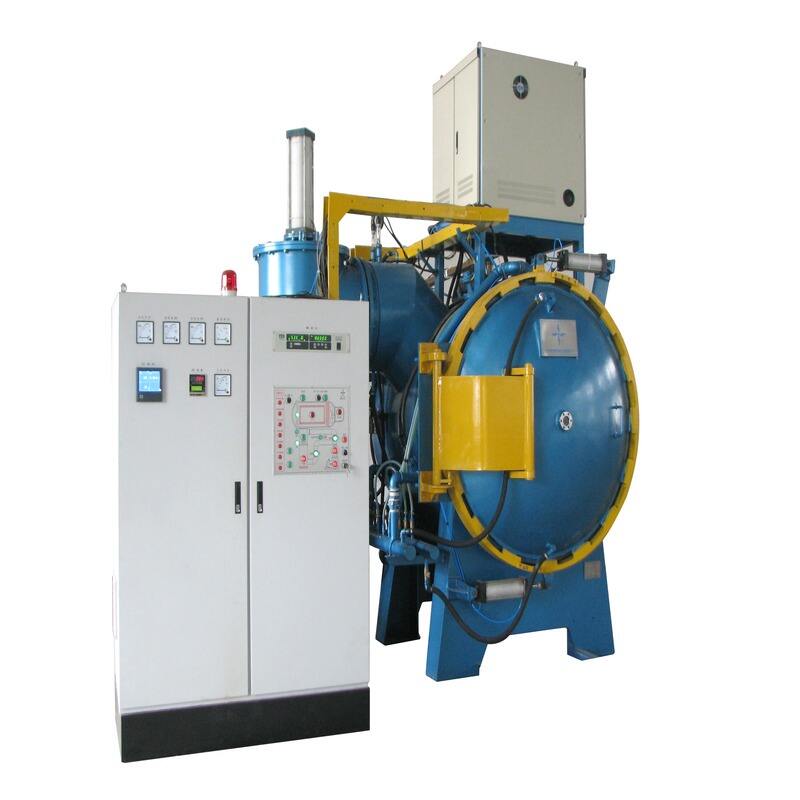
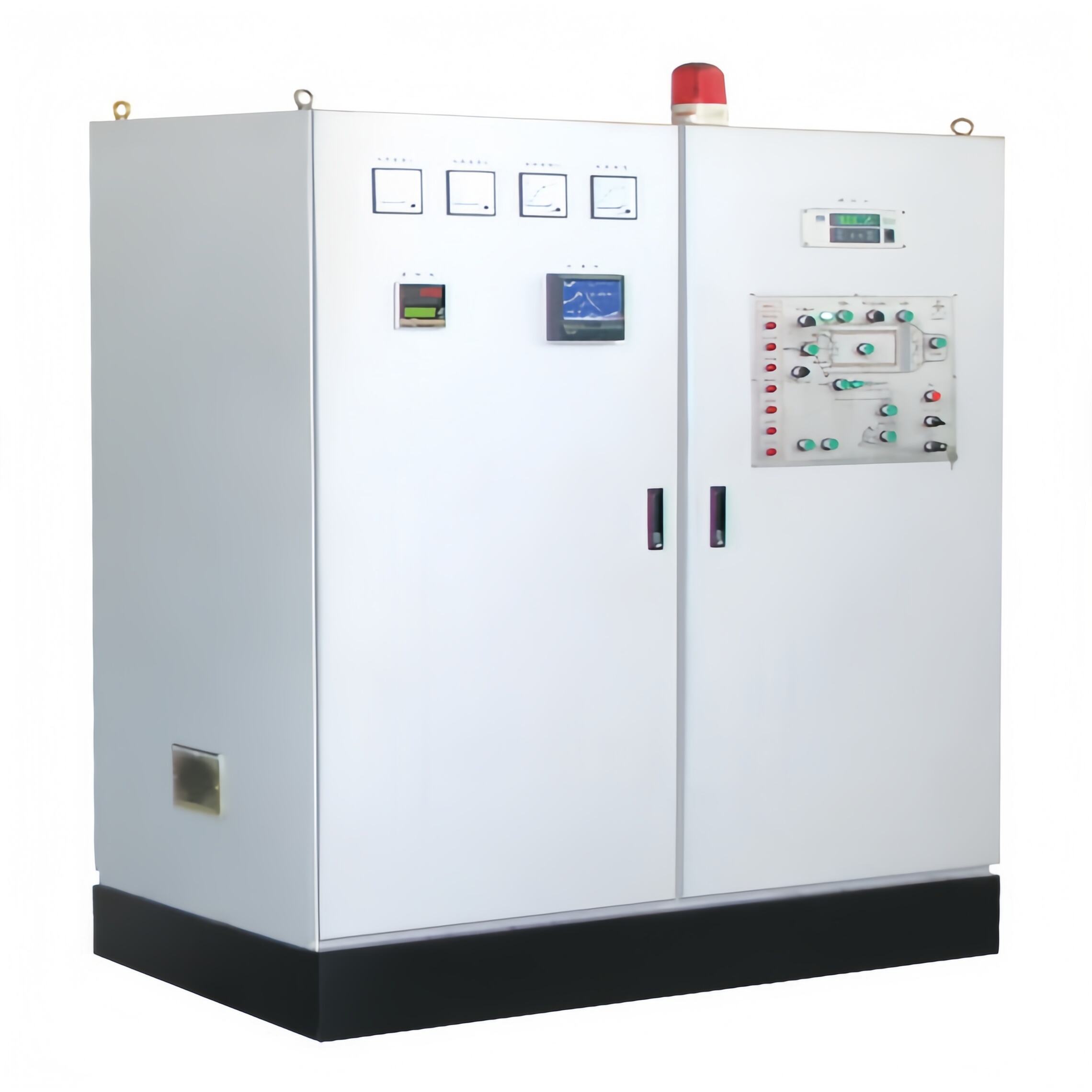
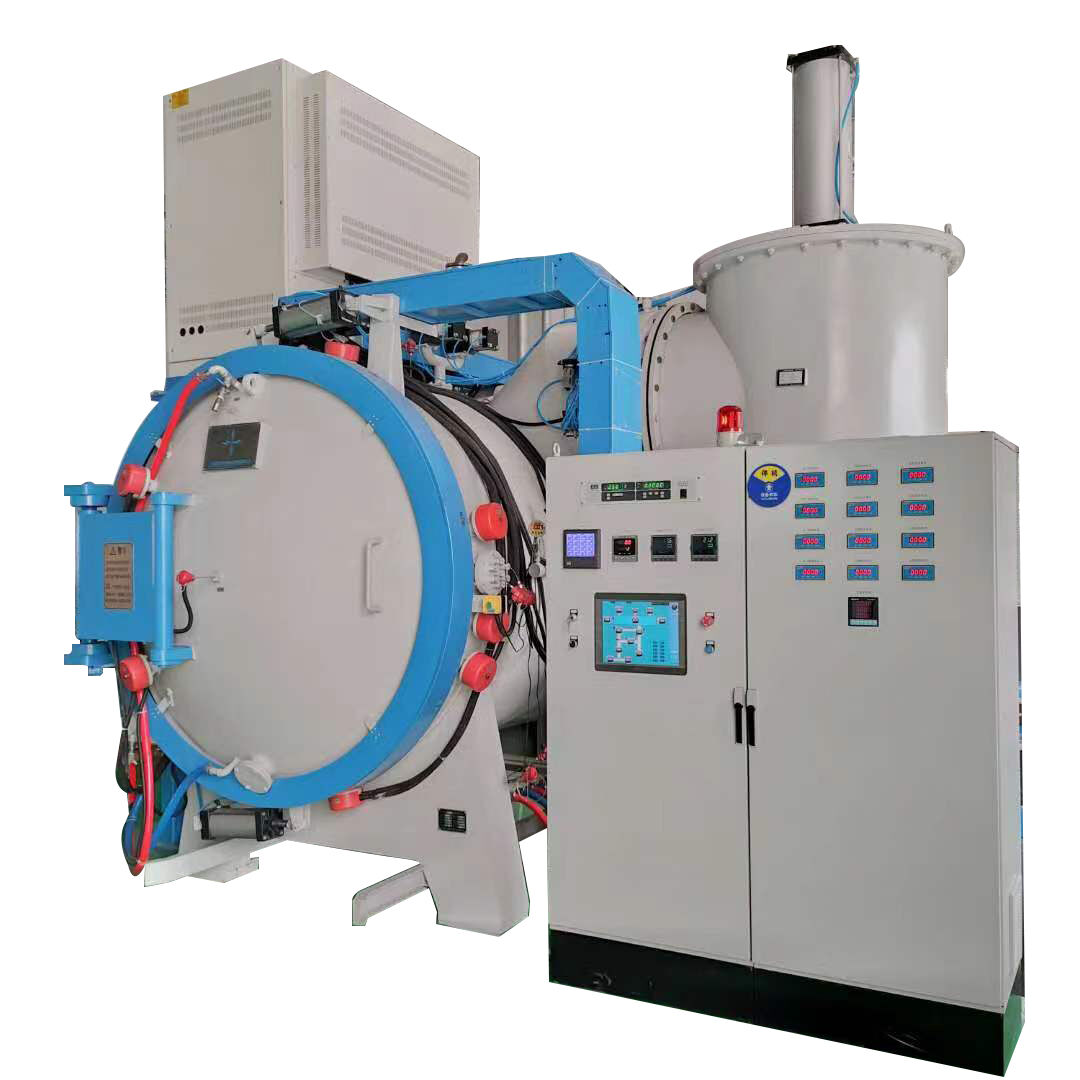
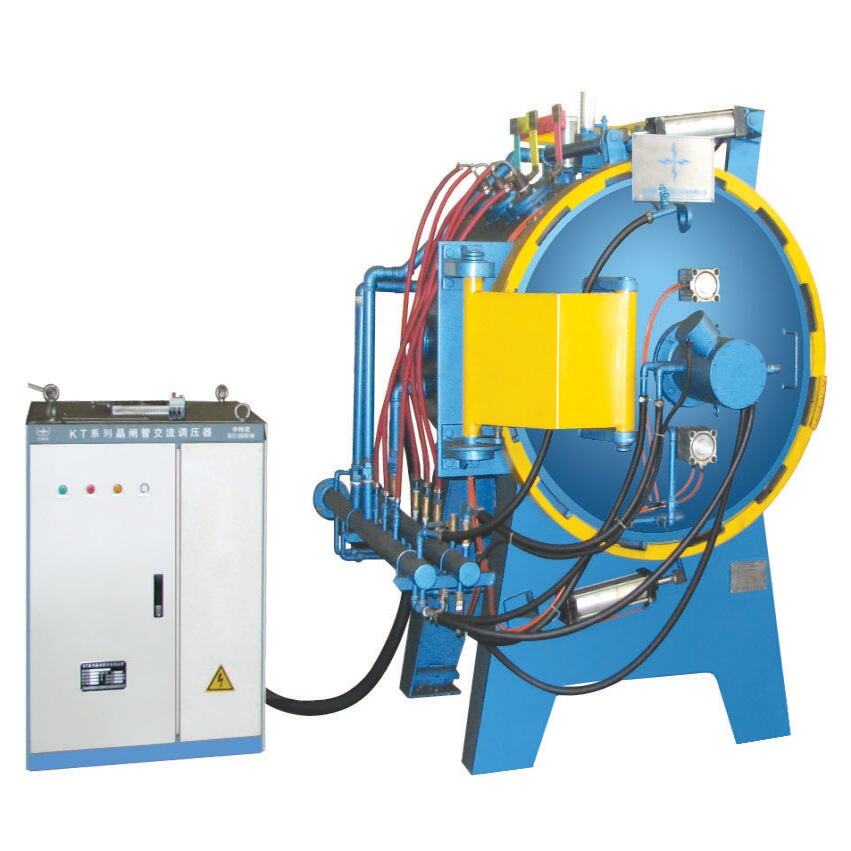
Vacuum tempering represents a sophisticated heat treatment process that transforms the mechanical properties of metals and alloys through controlled heating and cooling in an oxygen-free environment. This advanced metallurgical technique operates by placing materials inside sealed chambers where atmospheric pressure is reduced to create a vacuum environment, eliminating oxidation and contamination during the tempering cycle. The process involves heating treated components to specific temperatures, typically between 300°F and 1200°F, followed by precise cooling sequences that modify the material's microstructure. The vacuum environment ensures uniform heat distribution while preventing surface degradation that commonly occurs in conventional atmospheric tempering methods. Modern vacuum tempering systems incorporate sophisticated control mechanisms including programmable temperature profiles, automated pressure regulation, and real-time monitoring capabilities that guarantee consistent results across multiple production runs. The technology finds extensive applications across aerospace manufacturing, automotive component production, tool and die manufacturing, medical device fabrication, and precision machinery construction. Industries requiring superior surface finish, dimensional stability, and enhanced mechanical properties rely heavily on vacuum tempering to achieve critical performance specifications. The process effectively reduces internal stresses, improves hardness uniformity, and enhances fatigue resistance while maintaining tight dimensional tolerances. Advanced vacuum tempering equipment features multi-zone heating systems, rapid cooling capabilities, and computer-controlled processing parameters that enable manufacturers to optimize treatment cycles for specific material compositions and desired properties. This technology has revolutionized heat treatment operations by delivering superior metallurgical outcomes while reducing environmental impact through elimination of protective atmospheres and chemical treatments traditionally required in conventional tempering processes.


New Products

Vacuum tempering delivers exceptional surface quality by eliminating oxidation and scale formation that plague traditional heat treatment methods. The absence of oxygen creates pristine surface conditions, reducing post-treatment finishing requirements and associated costs while ensuring components maintain their original dimensions and surface integrity throughout the process. This technology significantly enhances productivity through faster cycle times compared to conventional atmospheric tempering, as vacuum environments enable more efficient heat transfer and eliminate the need for protective atmosphere preparation. Manufacturers experience reduced operational costs through elimination of consumable gases, cleaning chemicals, and extensive post-treatment surface preparation procedures typically required with standard tempering techniques. The precision control offered by modern vacuum tempering systems ensures repeatable results with minimal variation between batches, leading to improved quality consistency and reduced rejection rates in production environments. Energy efficiency represents another substantial advantage, as vacuum chambers require less energy to heat and maintain target temperatures compared to atmospheric furnaces, while advanced insulation systems minimize heat loss during processing cycles. The environmental benefits include elimination of harmful emissions associated with protective atmospheres and reduced waste generation from surface cleaning operations, supporting sustainable manufacturing practices and regulatory compliance initiatives. Vacuum tempering provides superior metallurgical properties through uniform heating and controlled cooling rates that produce homogeneous microstructures with enhanced mechanical characteristics including improved tensile strength, fatigue resistance, and dimensional stability. The technology accommodates complex geometries and delicate components that might be damaged or distorted in conventional high-temperature atmospheric processes, expanding manufacturing capabilities for intricate parts and precision assemblies. Extended equipment life results from reduced contamination and corrosion within processing chambers, while automated control systems minimize operator intervention and potential human error, contributing to safer working conditions and more predictable production schedules. The flexibility of vacuum tempering allows processing of diverse material types and thickness ranges within single treatment cycles, optimizing throughput and reducing inventory management complexity for manufacturers handling multiple product lines.

Latest News

How Can a Metal Barrel Improve Safety in Industrial Material Storage?

26

Dec

How Can a Metal Barrel Improve Safety in Industrial Material Storage?

Industrial material storage presents numerous challenges that require robust, reliable solutions to ensure workplace safety and operational efficiency. Among the various storage options available, the metal barrel has emerged as a cornerstone of secu...
View More
How Can Inner Coating Steel Drums Extend Shelf Life for Corrosive Products?

23

Jan

How Can Inner Coating Steel Drums Extend Shelf Life for Corrosive Products?

The storage and transportation of corrosive chemicals present significant challenges for industrial operations, requiring specialized containment solutions that can withstand aggressive substances while maintaining product integrity. Inner coating st...
View More
How Do Composite Drums Minimize Leakage Risks in High-Risk Applications?

25

Feb

How Do Composite Drums Minimize Leakage Risks in High-Risk Applications?

Industrial operations handling hazardous chemicals, volatile compounds, and sensitive materials face constant challenges in maintaining containment integrity throughout storage and transportation phases. Traditional packaging solutions often fall sho...
View More
How Do Composite Drums Combine Strength and Chemical Resistance Effectively?

25

Feb

How Do Composite Drums Combine Strength and Chemical Resistance Effectively?

Modern industrial packaging demands containers that can withstand both mechanical stress and chemical exposure without compromising product integrity. Composite drums have emerged as the optimal solution for industries requiring reliable storage and ...
View More

Get a Free Quote

Our representative will contact you soon.
Email
Name
Company Name
Message
0/1000

vacuum tempering

Superior Surface Quality and Contamination-Free Processing

Superior Surface Quality and Contamination-Free Processing

The elimination of atmospheric contamination stands as the most compelling advantage of vacuum tempering technology, delivering unprecedented surface quality that revolutionizes component manufacturing standards. When materials undergo heat treatment in conventional atmospheric furnaces, exposure to oxygen, nitrogen, and other atmospheric gases creates oxidation layers, scale formation, and surface contamination that compromise both appearance and functional performance. Vacuum tempering completely eliminates these issues by creating an oxygen-free environment where components maintain their original surface finish throughout the entire thermal cycle. This contamination-free processing environment prevents the formation of oxide layers that typically require expensive secondary operations such as shot blasting, chemical etching, or extensive machining to remove. The resulting components emerge from vacuum tempering with surfaces that meet the most stringent cleanliness requirements for aerospace, medical, and semiconductor applications where even microscopic contamination can lead to catastrophic failures. The pristine surface conditions achieved through vacuum tempering eliminate the need for costly post-treatment cleaning procedures, reducing overall manufacturing costs while improving production efficiency. Components retain their original dimensional accuracy since there is no material loss from oxidation or scale removal processes, ensuring critical tolerances are maintained without additional machining operations. This surface quality advantage becomes particularly valuable when processing high-value components where surface integrity directly impacts performance characteristics such as fatigue resistance, corrosion resistance, and aesthetic appearance. The absence of surface contamination also enables superior coating adhesion and improved bonding characteristics for subsequent assembly operations, making vacuum tempered components ideal for applications requiring precise surface treatments or specialized coatings that demand optimal substrate conditions.
Enhanced Mechanical Properties and Microstructural Control

Enhanced Mechanical Properties and Microstructural Control

Vacuum tempering delivers superior mechanical properties through precise microstructural control that cannot be achieved with conventional atmospheric heat treatment methods. The vacuum environment enables uniform heat distribution throughout component cross-sections, eliminating the temperature gradients and uneven heating patterns that create inconsistent material properties in standard tempering processes. This uniform heating capability ensures that complex geometries and varying wall thicknesses receive identical thermal treatment, resulting in homogeneous microstructures with consistent hardness, strength, and ductility characteristics across entire component volumes. The controlled atmosphere eliminates decarburization and other surface degradation effects that weaken material properties in conventional processes, allowing components to achieve their full mechanical potential as specified by material engineering requirements. Advanced vacuum tempering systems provide precise temperature control within narrow tolerance bands, enabling manufacturers to optimize specific mechanical property combinations for individual applications through customized thermal profiles. The technology supports sophisticated tempering cycles including multiple heating and cooling stages that can be programmed to achieve complex microstructural modifications impossible with single-stage atmospheric treatments. These enhanced capabilities allow metallurgists to fine-tune material properties such as impact resistance, wear characteristics, and fatigue performance to meet exacting application requirements. The elimination of atmospheric interference also permits processing at lower temperatures for extended periods, enabling stress relief and property optimization without risk of oxidation or contamination that would occur in conventional furnaces. Components processed through vacuum tempering exhibit improved dimensional stability due to more complete stress relief and uniform thermal treatment, reducing distortion risks during subsequent machining operations or service conditions. The superior microstructural control achieved through vacuum tempering translates directly into improved component reliability and extended service life, particularly valuable for critical applications where material failure could result in safety hazards or expensive system downtime.
Cost-Effective Operations and Environmental Sustainability

Cost-Effective Operations and Environmental Sustainability

Modern vacuum tempering technology transforms manufacturing economics through dramatically reduced operational costs while supporting environmental sustainability initiatives that align with contemporary corporate responsibility standards. The elimination of protective atmosphere gases represents substantial cost savings, as conventional atmospheric tempering requires expensive consumable gases such as nitrogen, argon, or hydrogen to prevent oxidation during heat treatment cycles. Vacuum tempering eliminates these ongoing consumable costs while reducing facility infrastructure requirements since gas storage, distribution systems, and safety equipment become unnecessary. Energy efficiency improvements contribute significantly to operational cost reductions, as vacuum chambers require less energy to reach and maintain target temperatures compared to atmospheric furnaces due to superior insulation characteristics and elimination of convective heat losses associated with gas circulation systems. The reduced cycle times achievable in vacuum environments increase equipment utilization rates, enabling higher throughput from existing capital investments while reducing per-part processing costs. Maintenance requirements decrease substantially due to the clean processing environment that prevents contamination buildup and corrosion within furnace components, extending equipment life and reducing replacement part expenses. The elimination of post-treatment cleaning and surface preparation operations represents another significant cost advantage, as components emerge from vacuum tempering ready for subsequent manufacturing steps without expensive finishing procedures. Labor costs decrease through automated process control capabilities that require minimal operator intervention while ensuring consistent results, reducing skilled labor requirements and potential human error impacts on production quality. Environmental benefits include elimination of harmful emissions associated with protective atmospheres and combustion processes, supporting regulatory compliance and corporate sustainability goals while potentially qualifying manufacturers for environmental incentives or certifications. The reduced waste generation from elimination of scale removal, chemical cleaning, and consumable gas usage contributes to sustainable manufacturing practices while reducing waste disposal costs and environmental impact assessments required for conventional heat treatment operations.

Get a Free Quote

Our representative will contact you soon.
Email
Name
Company Name
Message
0/1000