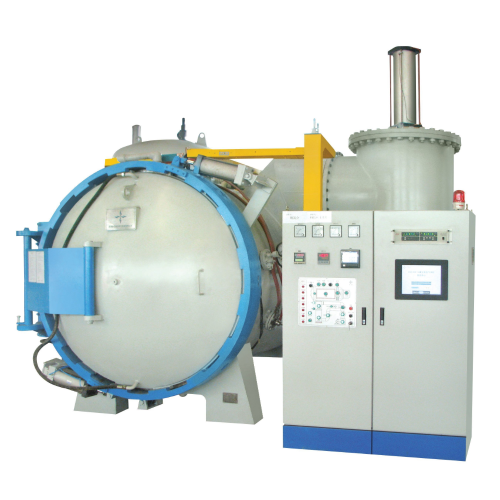
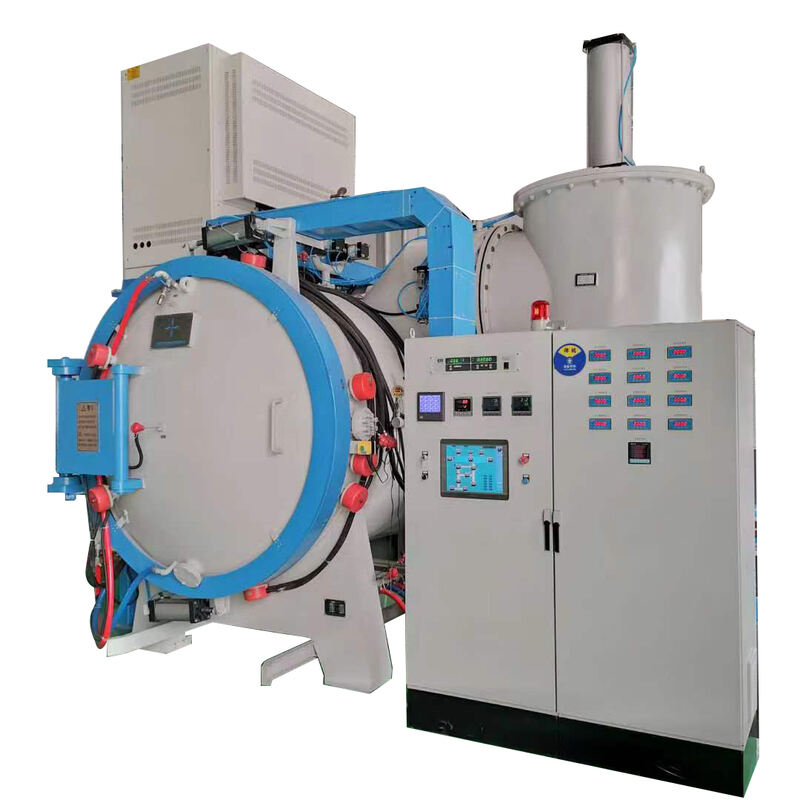
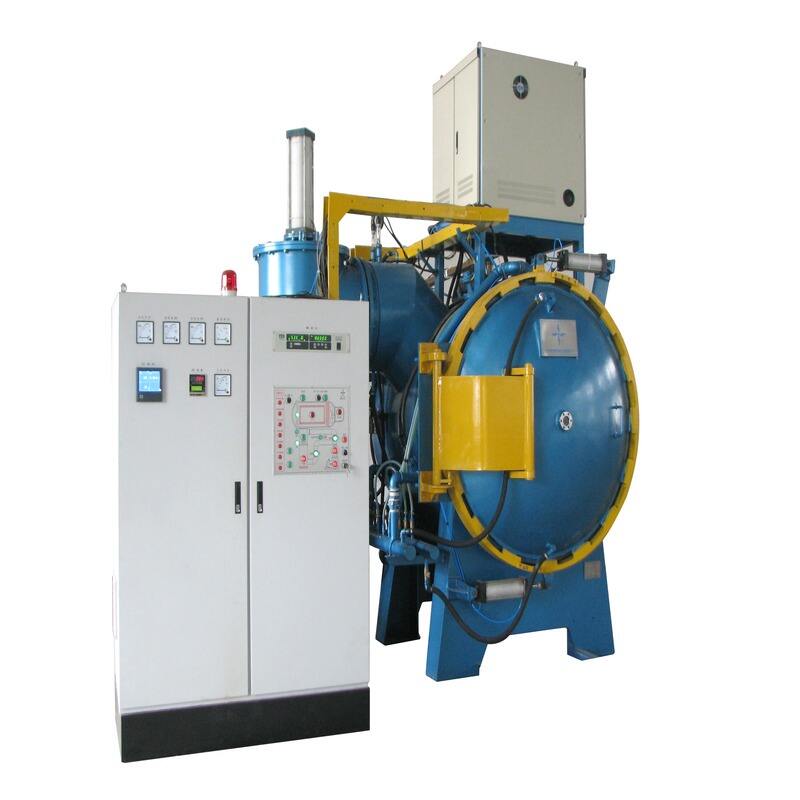
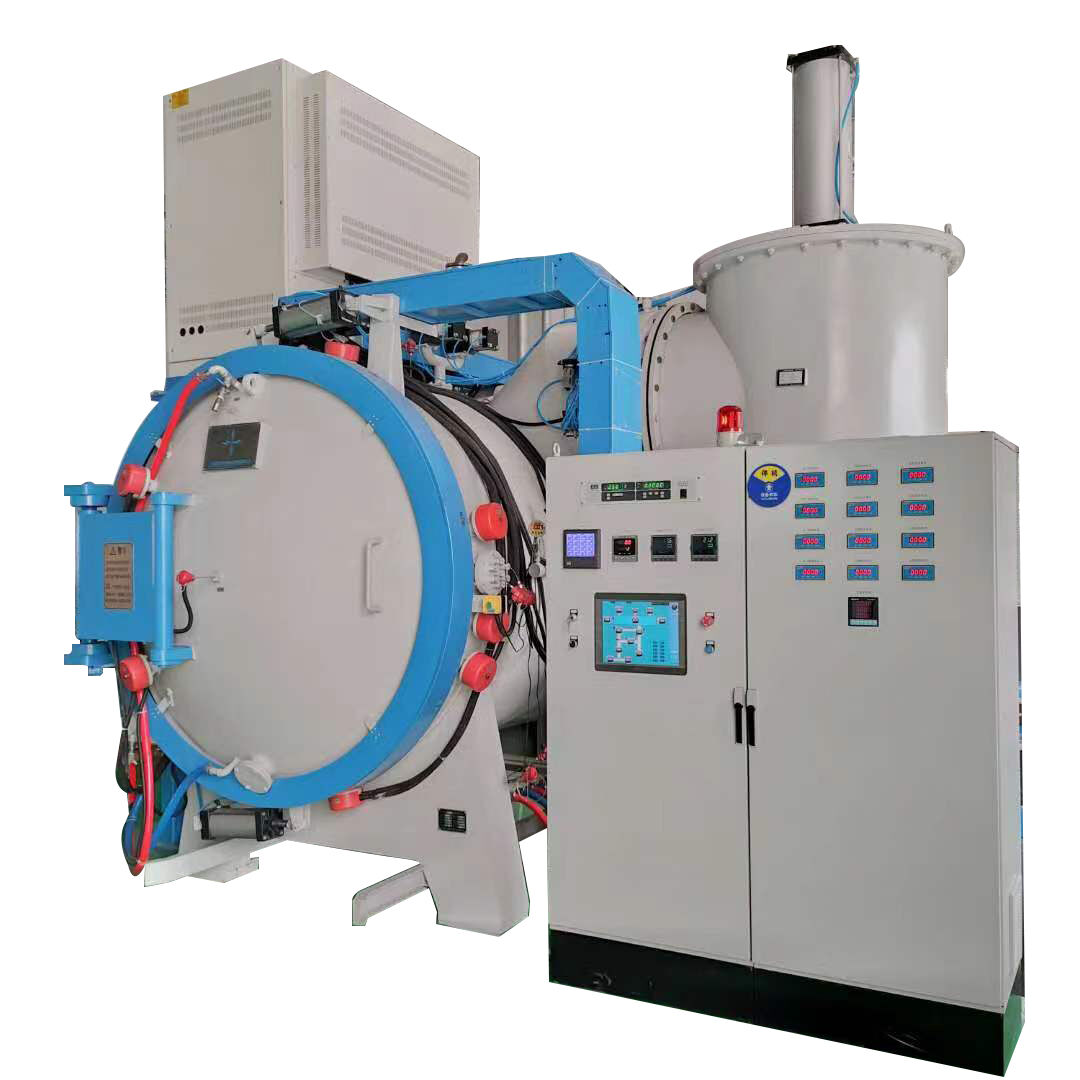
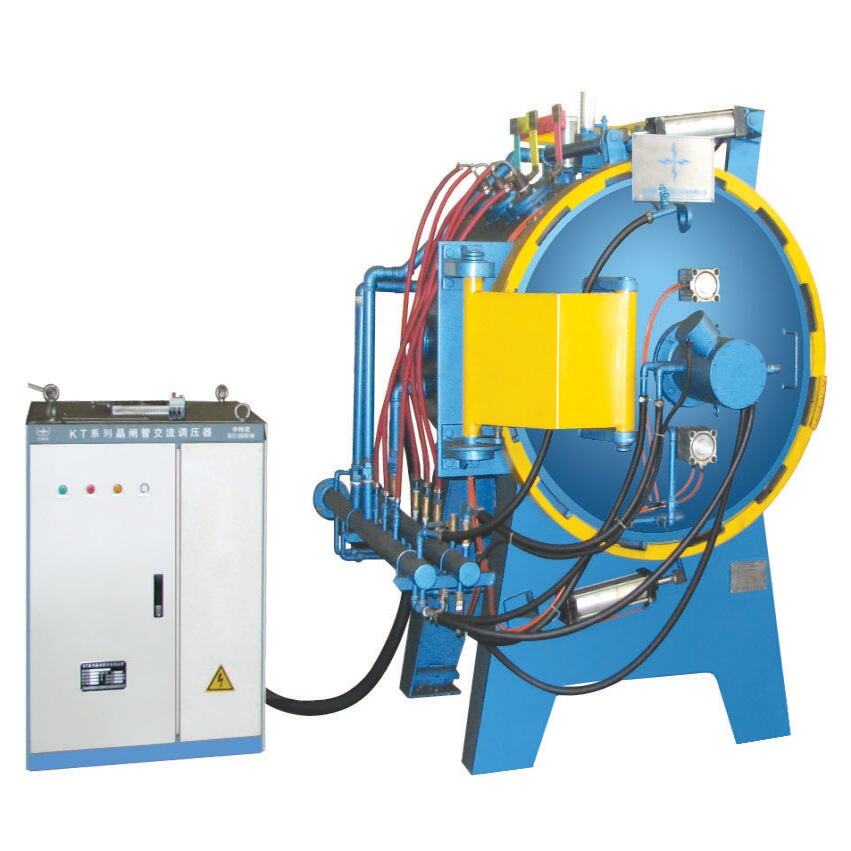
vacuum tempering furnace
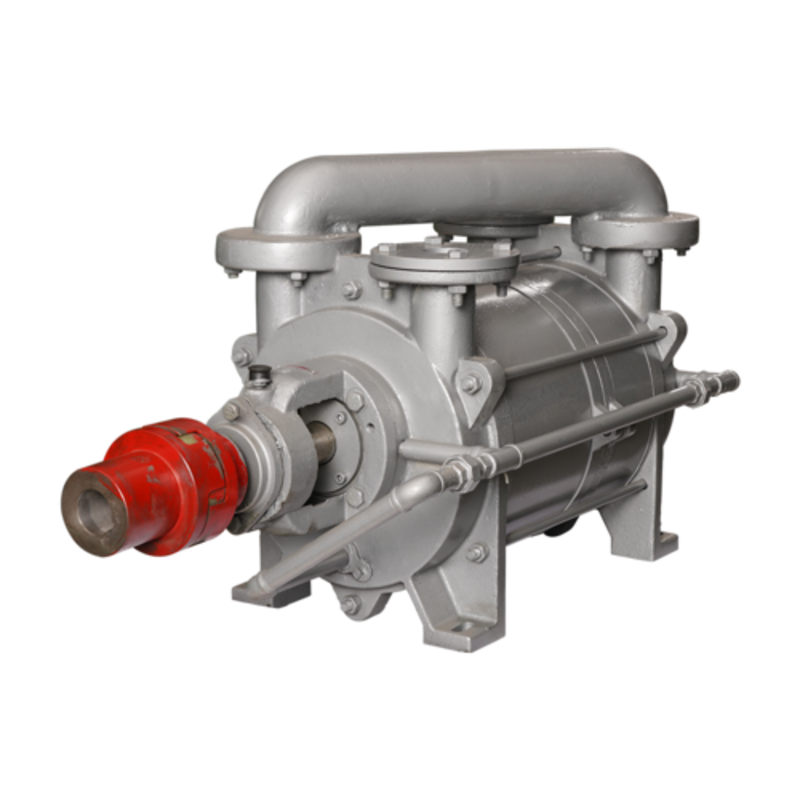
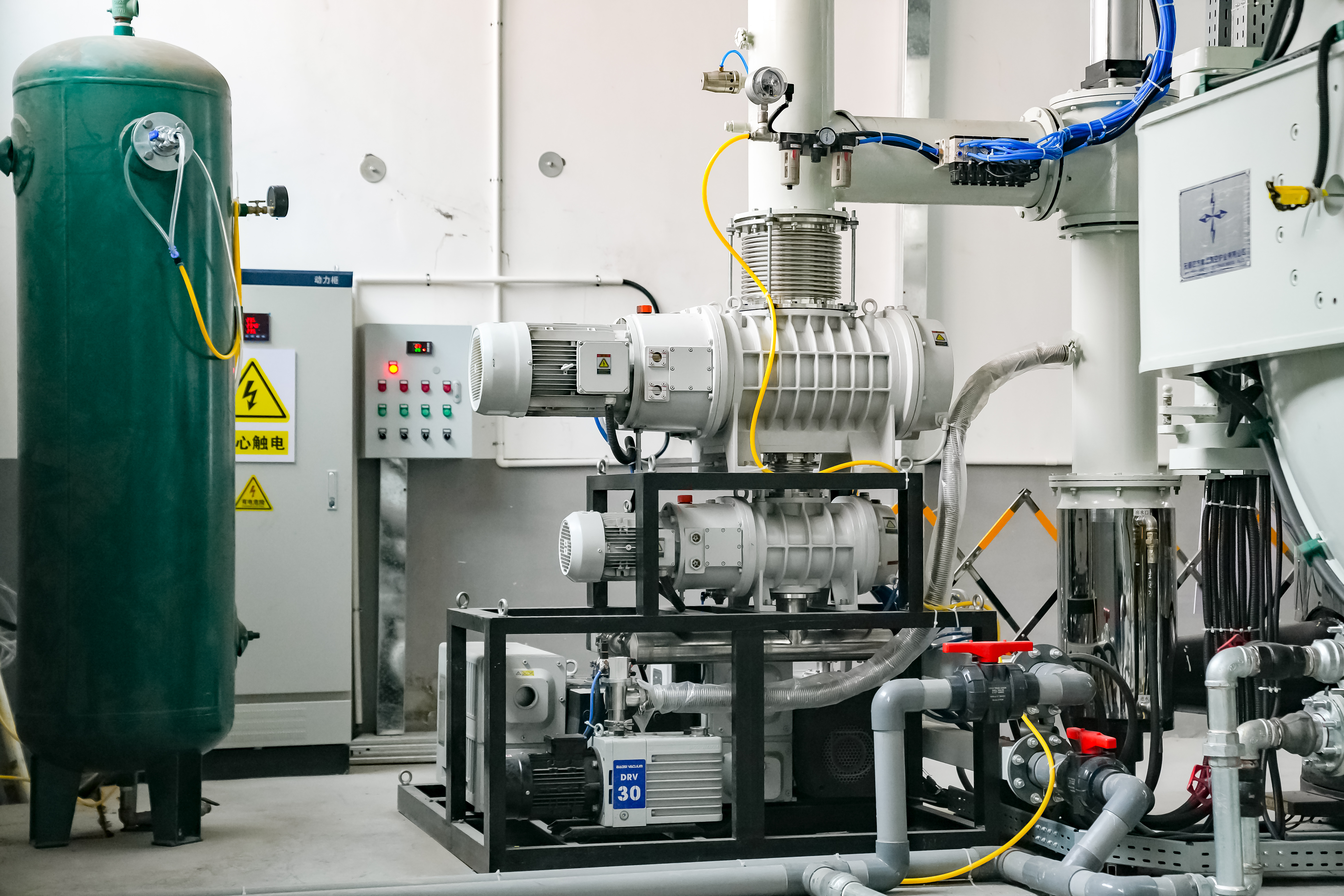
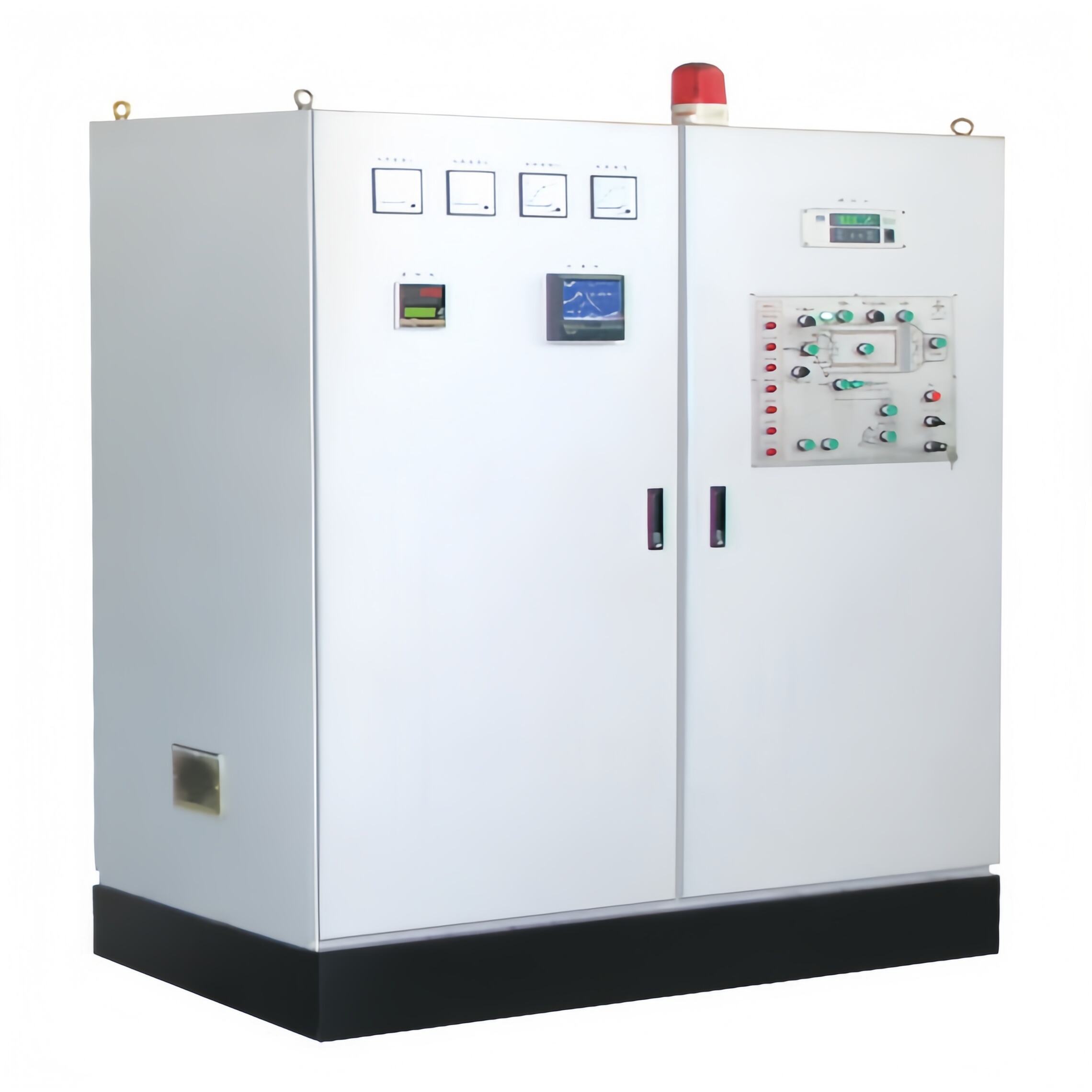
A vacuum tempering furnace represents a sophisticated heat treatment solution that combines precise temperature control with controlled atmospheric conditions to achieve superior metallurgical results. This advanced industrial equipment operates by creating a vacuum environment within the heating chamber, eliminating oxygen and other reactive gases that could compromise the quality of treated materials. The primary function of a vacuum tempering furnace involves heating metal components to specific temperatures and then cooling them at controlled rates to modify their mechanical properties, particularly hardness, strength, and ductility. The vacuum environment prevents oxidation, decarburization, and contamination during the heating process, ensuring that treated parts maintain their surface integrity and dimensional accuracy. Modern vacuum tempering furnaces incorporate sophisticated control systems that monitor and adjust temperature, pressure, and cooling rates with exceptional precision. These systems typically feature multiple heating zones, advanced insulation materials, and computerized process control capabilities that ensure repeatable results across production batches. The technological features of these furnaces include high-capacity vacuum pumps, uniform heating elements, quench systems with various cooling media options, and comprehensive data logging capabilities. Temperature uniformity throughout the working chamber is achieved through carefully designed heating element arrangements and circulation systems that maintain consistent thermal conditions. The furnace construction typically involves double-wall chambers with advanced insulation to minimize heat loss and ensure energy efficiency. Safety features include emergency shutdown systems, over-temperature protection, and vacuum integrity monitoring. Applications for vacuum tempering furnaces span numerous industries, including aerospace, automotive, tool manufacturing, medical device production, and precision machinery fabrication. These furnaces are particularly valuable for treating high-alloy steels, tool steels, stainless steels, and specialty metals that require contamination-free heat treatment processes.

 EN
EN