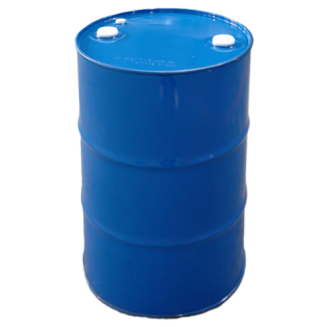
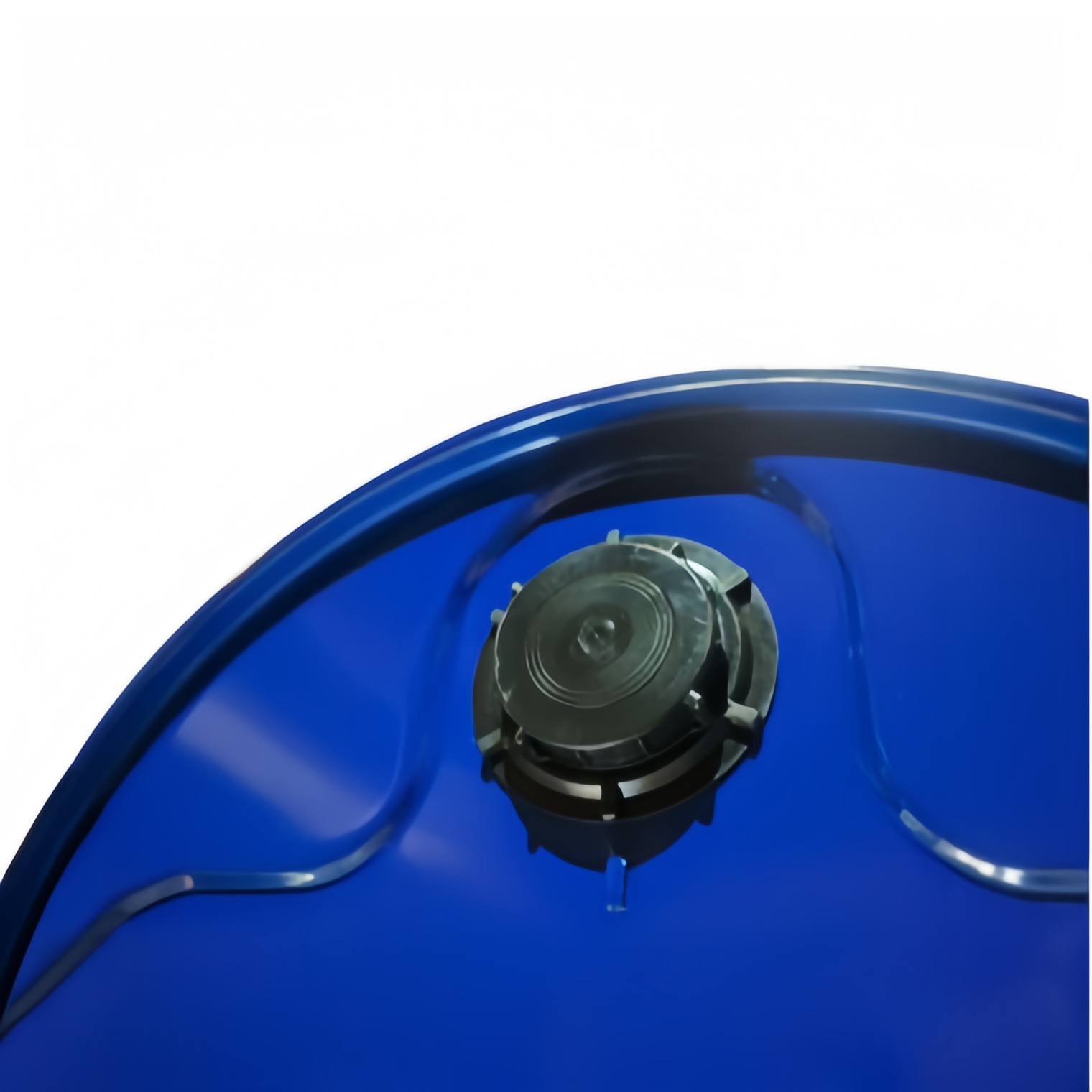
Exceptional Chemical Resistance and Barrier Properties
Composite drums demonstrate exceptional chemical resistance and barrier properties that surpass conventional container technologies, providing superior protection for sensitive materials across diverse industrial applications. The unique barrier system created through composite construction utilizes multiple material layers, each contributing specific resistance properties that combine to create comprehensive protection against chemical permeation, moisture transmission, and contamination risks. The inner liner materials are carefully selected based on their molecular structure and chemical compatibility with intended contents, ensuring long-term stability and preventing degradation that could compromise product quality or container integrity. Advanced polymer science enables composite drums to resist aggressive chemicals including acids, bases, solvents, and oxidizing agents that would quickly deteriorate metal containers or cause swelling and failure in simple plastic drums. The barrier effectiveness extends beyond liquid containment to include vapor transmission resistance, preventing loss of volatile components that could affect product concentration or create safety hazards in storage areas. Comprehensive chemical compatibility testing protocols evaluate composite drums against hundreds of common industrial chemicals under various temperature and concentration conditions, providing customers with detailed resistance data for informed container selection decisions. The multi-barrier approach creates redundant protection layers, so that if one barrier experiences minor degradation, additional layers continue providing effective containment until scheduled container replacement occurs. Permeation testing utilizing sophisticated analytical equipment measures molecular transport rates through composite drum walls, demonstrating consistently low transmission rates that preserve product integrity throughout extended storage periods. The chemical resistance properties remain stable across temperature ranges typically encountered in industrial applications, ensuring consistent performance whether containers are stored in climate-controlled facilities or exposed to ambient temperature variations. Specialized testing simulates accelerated aging conditions to predict long-term chemical resistance performance, providing confidence in container selection for critical applications requiring extended storage periods. The barrier properties also extend to preventing external contamination from entering containers, protecting sensitive materials from environmental pollutants, moisture, and other contaminants that could affect product quality or regulatory compliance. Quality control measures include regular barrier property verification testing throughout the manufacturing process, ensuring each composite drum meets specified permeation resistance standards before shipment to customers.

 EN
EN