Premium Composite Drums for Export - Lightweight, Chemical Resistant International Shipping Containers

All Categories

Get a Free Quote

Our representative will contact you soon.
Email
Name
Company Name
Message
0/1000

composite drums for export

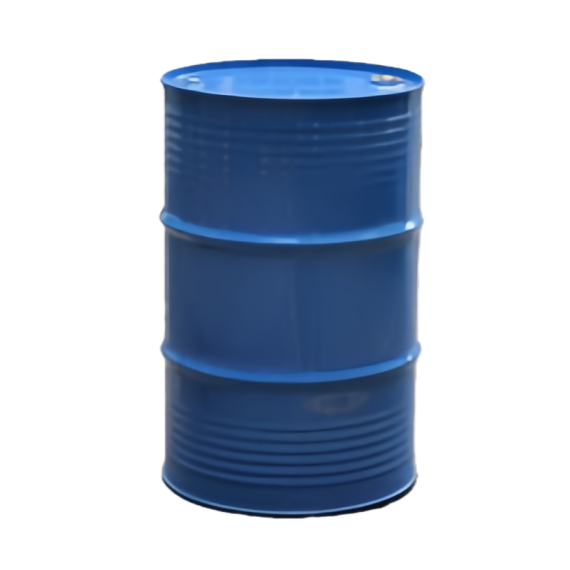
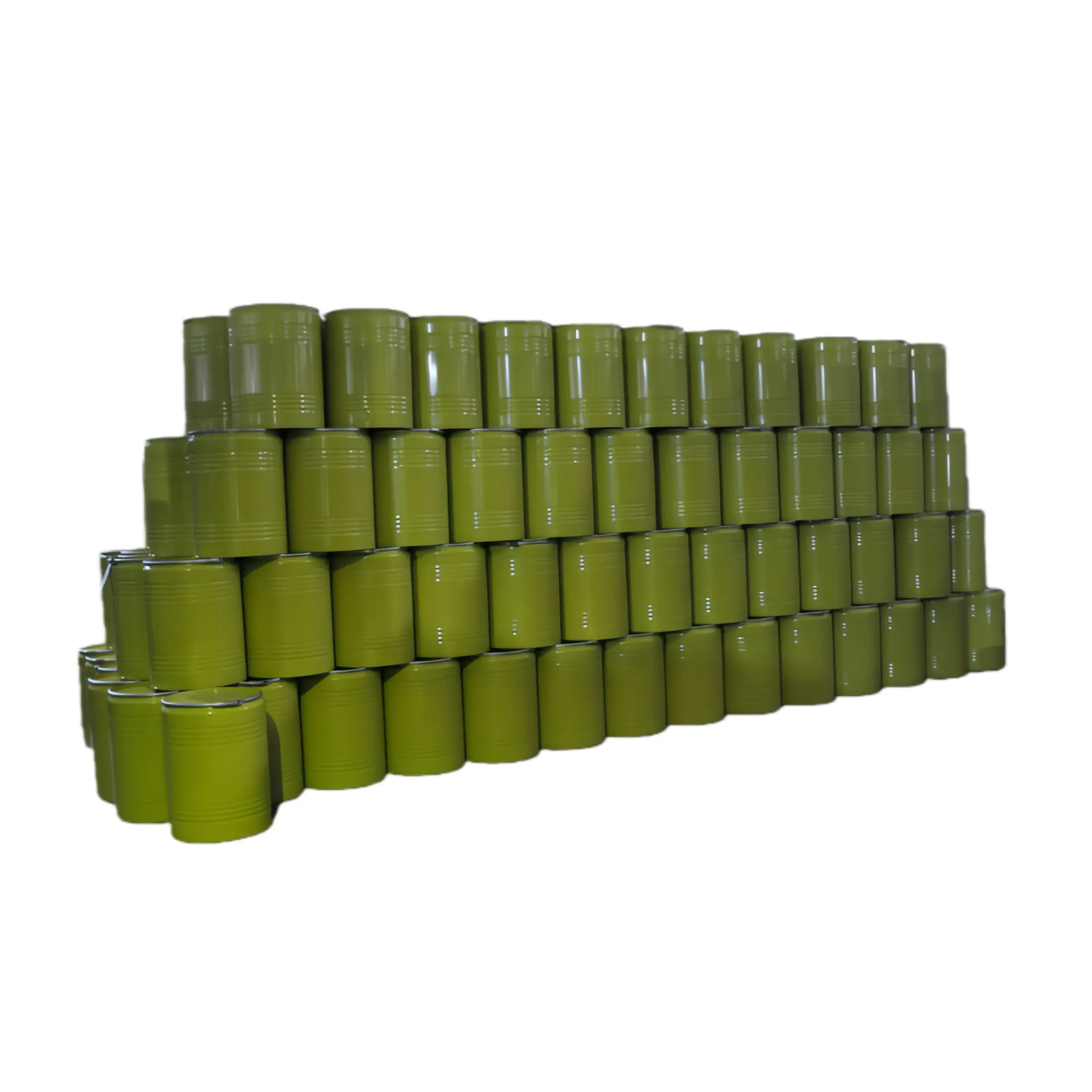
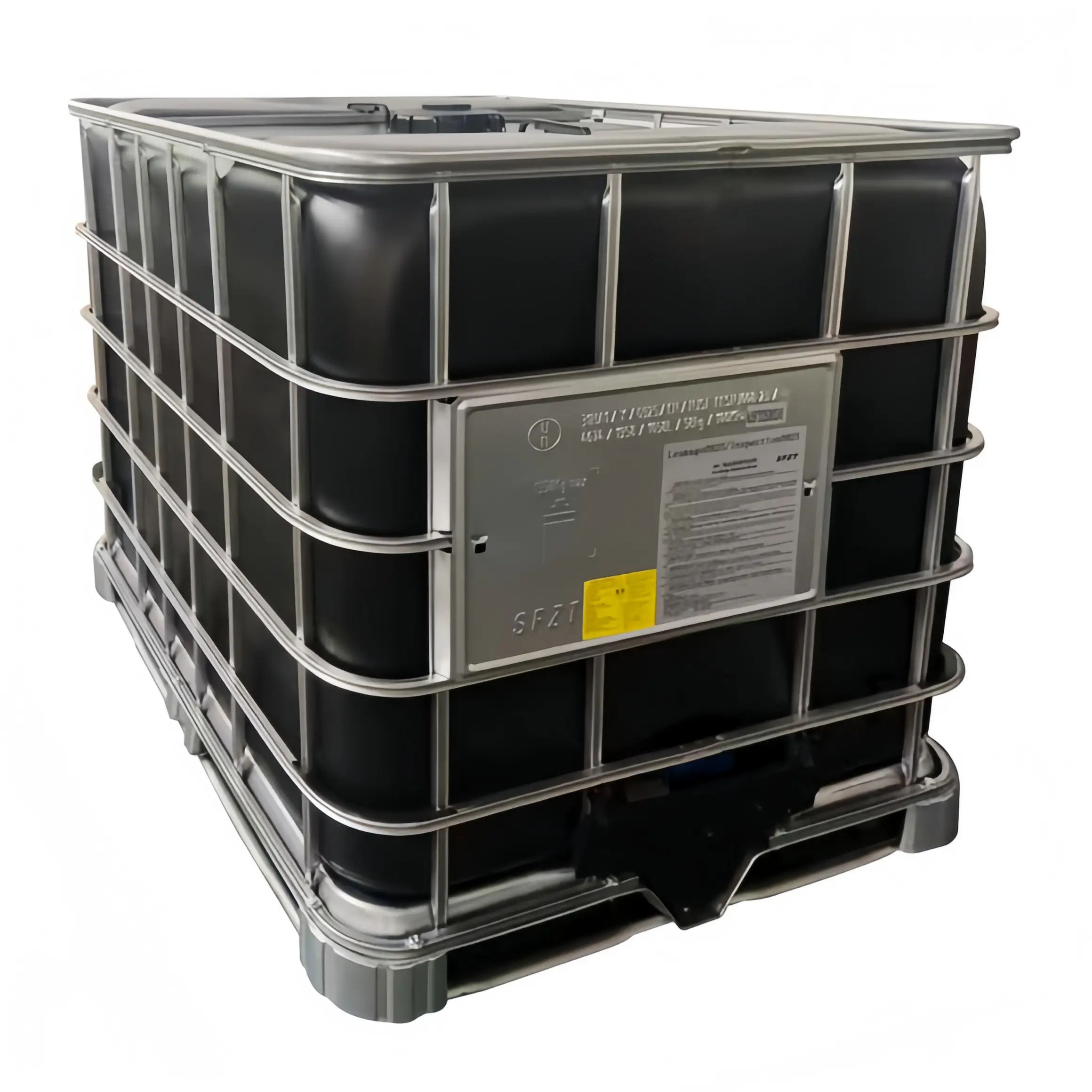
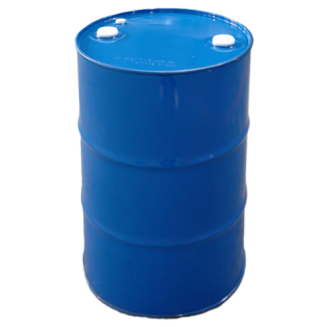
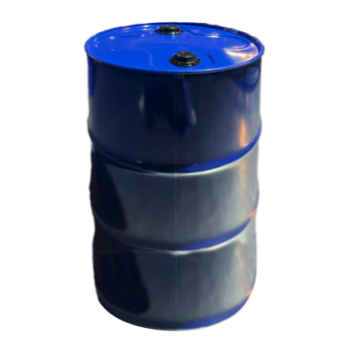
Composite drums for export represent a revolutionary packaging solution that combines advanced materials engineering with superior performance characteristics for international shipping needs. These specialized containers utilize fiber-reinforced plastic construction, incorporating layers of high-strength fiberglass and resin matrix to create exceptionally durable storage vessels. The primary functions of composite drums for export include safe containment of various liquid and solid materials, chemical resistance against corrosive substances, and reliable protection during long-distance transportation. The technological features distinguish these drums from traditional steel or plastic alternatives through their unique multi-layered construction process. Manufacturing involves precise winding of continuous glass fibers around a mandrel, followed by resin impregnation and curing under controlled temperature conditions. This process creates seamless walls with consistent thickness and eliminates weak points commonly found in welded containers. The composite material exhibits remarkable resistance to temperature fluctuations, maintaining structural integrity across extreme climate variations encountered during international shipping. Applications for composite drums for export span numerous industries including chemical processing, pharmaceuticals, food production, paint manufacturing, and hazardous material transportation. Chemical companies rely on these containers for exporting acids, solvents, and specialty compounds that would corrode conventional packaging materials. Pharmaceutical manufacturers utilize them for transporting active ingredients and finished products requiring contamination-free environments. Food processors depend on their non-reactive surfaces for exporting liquid ingredients, oils, and concentrates while maintaining product purity. The drums accommodate various closure systems including removable lids, permanent heads, and specialized venting mechanisms. Standard capacities range from small-volume specialty containers to large industrial drums exceeding 200 liters. Each composite drums for export unit undergoes rigorous quality testing including pressure resistance, impact durability, and chemical compatibility assessments before shipment approval.


New Product Recommendations

The advantages of composite drums for export deliver tangible benefits that directly impact shipping costs, product safety, and operational efficiency for businesses engaged in international trade. Weight reduction stands as the most immediate advantage, with composite construction weighing approximately 40-60 percent less than equivalent steel drums while maintaining superior strength characteristics. This weight difference translates to significant freight cost savings, particularly for air cargo shipments where every kilogram affects the bottom line. Shipping companies can maximize payload capacity, fitting more products per container load and reducing per-unit transportation expenses. Corrosion resistance provides another critical advantage that eliminates the costly problems associated with metal container deterioration. Unlike steel drums that rust when exposed to moisture or aggressive chemicals, composite drums for export maintain their structural integrity throughout extended storage periods and harsh environmental conditions. This resistance prevents product contamination, reduces replacement costs, and eliminates the safety hazards associated with container failure during transit. The seamless construction eliminates leak points that commonly develop at welded joints in traditional metal containers, providing superior containment reliability. Temperature stability offers significant advantages for products sensitive to thermal cycling during international shipping. Composite materials exhibit low thermal conductivity, providing natural insulation that helps maintain consistent internal temperatures. This characteristic proves particularly valuable for temperature-sensitive chemicals, pharmaceuticals, and food products that require stable storage conditions throughout their journey. The non-conductive properties also eliminate static electricity buildup, reducing fire and explosion risks when handling flammable materials. Maintenance advantages include easy cleaning and sanitization procedures that meet stringent international food safety and pharmaceutical standards. The smooth, non-porous surfaces resist bacterial growth and prevent chemical residue accumulation. Composite drums for export can be thoroughly cleaned with standard industrial solvents without damaging the container structure, enabling safe reuse for different product types. Regulatory compliance advantages help businesses meet international shipping requirements more easily. These containers often exceed UN packaging specifications for hazardous materials transportation, simplifying documentation and approval processes. Environmental advantages include recyclability and reduced carbon footprint compared to steel production processes.

Tips And Tricks

Why Is Metal Barrel Corrosion Protection Important for Industrial Use?

26

Dec

Why Is Metal Barrel Corrosion Protection Important for Industrial Use?

Industrial operations across manufacturing, chemical processing, and petroleum sectors rely heavily on metal barrels for storage and transportation of various materials. These containers face constant exposure to corrosive elements that can compromis...
View More
What Applications Benefit Most From Small and Intermediate Steel Drums?

30

Dec

What Applications Benefit Most From Small and Intermediate Steel Drums?

Industrial packaging solutions have evolved significantly over the decades, with small and intermediate steel drums emerging as essential containers for countless applications across diverse sectors. These versatile vessels offer superior protection,...
View More
Why Do Inner Coating Steel Drums Provide Better Protection for Sensitive Materials?

23

Jan

Why Do Inner Coating Steel Drums Provide Better Protection for Sensitive Materials?

The protection of sensitive materials during storage and transportation has become increasingly critical in today's industrial landscape. Industries handling chemicals, pharmaceuticals, and specialty materials require containers that offer superior p...
View More
How Do Material Types Affect Performance in a Vacuum Brazing Furnace?

25

Feb

How Do Material Types Affect Performance in a Vacuum Brazing Furnace?

Material selection plays a crucial role in determining the success and efficiency of thermal processing operations. When working with a vacuum brazing furnace, understanding how different materials respond to high-temperature environments and control...
View More

Get a Free Quote

Our representative will contact you soon.
Email
Name
Company Name
Message
0/1000

composite drums for export

Superior Chemical Resistance and Product Safety

Superior Chemical Resistance and Product Safety

The exceptional chemical resistance of composite drums for export stems from their advanced resin matrix system that provides unparalleled protection against a broad spectrum of aggressive substances. Unlike conventional steel containers that succumb to chemical attack and corrosion, these composite vessels maintain their structural integrity when exposed to acids, bases, solvents, and other reactive compounds commonly encountered in industrial applications. The resin system creates a barrier that prevents chemical penetration into the container walls, eliminating the risk of product contamination that can occur when metal containers begin to corrode. This resistance extends to both strong mineral acids such as hydrochloric and sulfuric acid, as well as organic solvents including acetone, toluene, and various petroleum derivatives. The manufacturing process allows for customization of the resin formulation to match specific chemical compatibility requirements, ensuring optimal performance for particular product categories. This tailored approach enables manufacturers to specify vinyl ester resins for highly corrosive environments or epoxy-based systems for general chemical storage applications. The chemical inertness prevents unwanted reactions between container materials and stored products, maintaining product purity throughout extended storage periods and international shipping cycles. Quality control testing validates chemical compatibility through accelerated aging studies and direct exposure tests using actual customer products. These comprehensive evaluations ensure that composite drums for export will perform reliably under real-world conditions, providing peace of mind for manufacturers shipping valuable chemical products across international borders. The non-reactive surface characteristics also facilitate easier cleaning and decontamination procedures, allowing containers to be safely reused for different product types without cross-contamination risks. This versatility proves particularly valuable for companies handling multiple product lines or those requiring flexible packaging solutions for varying export requirements. The superior chemical resistance ultimately translates to reduced product loss, lower replacement costs, and enhanced safety for personnel handling these containers throughout the supply chain.
Lightweight Design with Enhanced Durability

Lightweight Design with Enhanced Durability

The lightweight design of composite drums for export revolutionizes international shipping economics while delivering enhanced durability that surpasses traditional packaging materials in demanding transportation environments. Advanced fiber-reinforced construction achieves remarkable strength-to-weight ratios through strategic placement of continuous glass fibers in multiple orientations, creating a structural matrix that distributes loads evenly throughout the container walls. This engineering approach results in containers that weigh 50-70 percent less than comparable steel drums while maintaining superior impact resistance and structural integrity under extreme conditions. The weight reduction directly translates to substantial freight cost savings, particularly significant for companies shipping large volumes internationally where transportation expenses represent a major cost component. Airlines and shipping companies charge by weight, making every kilogram reduction valuable for maintaining competitive pricing in global markets. The durability advantages become apparent through superior impact resistance that prevents cracking, denting, or structural failure during handling and transportation. Drop testing demonstrates that composite drums for export can withstand impacts that would permanently damage steel containers, maintaining their protective capabilities even after rough handling during cargo operations. The flexible nature of composite materials allows them to absorb impact energy without catastrophic failure, often returning to their original shape after deformation. This resilience proves particularly valuable during international shipping where containers experience multiple loading and unloading cycles, vibration during transport, and potential impacts from cargo handling equipment. Weather resistance represents another crucial durability advantage, with composite materials maintaining their properties across extreme temperature ranges from arctic cold to tropical heat. Unlike steel containers that expand and contract with temperature changes, potentially compromising seal integrity, composite drums for export maintain consistent dimensions and sealing performance throughout climatic variations. UV resistance prevents degradation from solar exposure during outdoor storage at ports and shipping facilities. The combination of lightweight construction and enhanced durability creates a compelling value proposition for export applications, reducing total shipping costs while providing superior product protection throughout the international supply chain.
Regulatory Compliance and Global Market Access

Regulatory Compliance and Global Market Access

Regulatory compliance capabilities of composite drums for export provide manufacturers with streamlined access to global markets through adherence to international shipping standards and hazardous materials transportation requirements. These containers typically exceed United Nations packaging specifications for dangerous goods, including UN4G ratings for solid materials and UN4H ratings for liquid substances, enabling companies to ship a wide range of products without complex approval processes. The standardized design and testing protocols ensure consistent performance across different regulatory jurisdictions, simplifying documentation requirements and reducing delays at international borders. Compliance with International Maritime Dangerous Goods Code provisions facilitates ocean freight shipping, while adherence to International Air Transport Association standards enables air cargo transportation for time-sensitive products. The robust construction and proven safety record of composite drums for export help manufacturers obtain necessary permits and certifications more efficiently than with non-standard packaging solutions. Traceability features built into the manufacturing process support documentation requirements for pharmaceutical and food export applications, where regulatory agencies demand detailed container specifications and quality certifications. Each drum carries permanent identification markings that include manufacturing date, batch numbers, and material specifications, enabling complete supply chain tracking as required by international quality standards. The containers meet FDA requirements for food contact applications and pharmaceutical storage, opening access to regulated markets that demand stringent material safety standards. European Union compliance includes REACH regulation adherence for chemical compatibility and safety data, while various national standards are addressed through comprehensive testing and certification programs. Environmental compliance advantages include recyclability features that meet international waste management requirements and sustainability mandates increasingly important in global trade relationships. Many composite drums for export qualify for green shipping initiatives and environmental certification programs that provide competitive advantages in environmentally conscious markets. The ability to provide comprehensive compliance documentation streamlines customs clearance procedures and reduces the risk of shipment delays or rejections at international borders. This regulatory reliability proves particularly valuable for companies entering new export markets where unfamiliarity with local requirements could otherwise create significant barriers to market entry and business growth opportunities.

Get a Free Quote

Our representative will contact you soon.
Email
Name
Company Name
Message
0/1000