Lightweight Composite Drums: Advanced Industrial Storage Solutions for Enhanced Efficiency

All Categories

Get a Free Quote

Our representative will contact you soon.
Email
Name
Company Name
Message
0/1000

lightweight composite drums

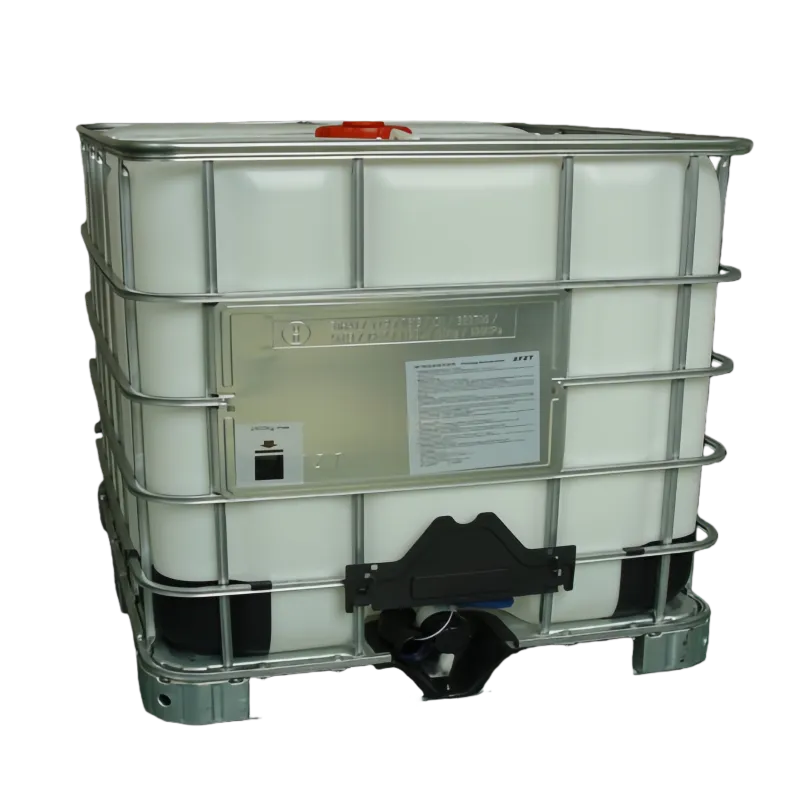
Lightweight composite drums represent a revolutionary advancement in industrial packaging and storage solutions, combining cutting-edge materials science with practical engineering to deliver superior performance across diverse applications. These innovative containers utilize advanced composite materials, typically incorporating high-strength fibers such as carbon fiber, fiberglass, or aramid fibers, embedded within specialized resin matrices to create structures that are significantly lighter than traditional steel or heavy-duty plastic alternatives. The primary function of lightweight composite drums centers on providing secure, reliable containment for various substances while dramatically reducing overall weight, which translates to substantial cost savings in transportation and handling operations. The technological features of these drums include exceptional chemical resistance, outstanding structural integrity, and remarkable durability that withstands harsh environmental conditions. Manufacturing processes employ sophisticated molding techniques, often utilizing pultrusion, filament winding, or resin transfer molding to achieve precise dimensional control and consistent wall thickness throughout the container structure. These drums typically feature seamless construction that eliminates potential leak points common in welded or assembled containers. The applications for lightweight composite drums span numerous industries, including chemical processing, pharmaceutical manufacturing, food and beverage production, aerospace, automotive, and specialized hazardous material handling. In chemical industries, these drums safely store corrosive substances, acids, and volatile compounds while maintaining structural integrity over extended periods. Pharmaceutical applications benefit from the non-reactive nature of composite materials, ensuring product purity and preventing contamination. The aerospace sector utilizes these drums for fuel storage and specialized fluid containment where weight reduction directly impacts operational efficiency and performance. Environmental sustainability represents another crucial aspect, as lightweight composite drums often incorporate recyclable materials and contribute to reduced carbon footprint through lower transportation energy requirements.


New Product Releases

The advantages of lightweight composite drums deliver tangible benefits that directly impact operational efficiency and cost-effectiveness for businesses across multiple sectors. Weight reduction stands as the most immediate advantage, with these drums typically weighing 40-60 percent less than comparable steel containers, resulting in significant shipping cost reductions and easier manual handling for workers. This weight advantage translates to increased payload capacity, allowing companies to transport more product per shipment while staying within legal weight limits for commercial vehicles. The superior chemical resistance of composite materials means these drums maintain structural integrity when exposed to aggressive chemicals, acids, bases, and solvents that would corrode or damage traditional metal containers. This resistance extends product shelf life and eliminates the risk of container failure that could result in costly spills, environmental damage, or regulatory violations. Durability represents another major advantage, as composite drums resist impact damage, temperature fluctuations, and UV radiation better than many alternatives, leading to longer service life and reduced replacement costs. The non-conductive properties of composite materials provide safety benefits in environments where electrical hazards exist, eliminating the risk of static electricity buildup that could cause dangerous incidents. Maintenance requirements are minimal compared to steel drums, which require regular inspection for rust, corrosion, and structural weakening. Composite drums maintain their appearance and functionality with basic cleaning protocols, reducing labor costs and downtime associated with container maintenance. Cost savings extend beyond initial purchase price to include reduced insurance premiums due to lower risk profiles, decreased handling injuries due to lighter weight, and improved storage efficiency due to consistent dimensions that do not change due to corrosion or deformation. The smooth interior surfaces of lightweight composite drums facilitate complete product evacuation, reducing waste and ensuring maximum yield from stored materials. Temperature stability allows these containers to perform reliably in extreme conditions without becoming brittle in cold environments or softening in high-temperature applications.

Practical Tips

How Do Small and Intermediate Steel Drums Reduce Leakage Risks?

23

Jan

How Do Small and Intermediate Steel Drums Reduce Leakage Risks?

Industrial storage and transportation operations face constant challenges when it comes to preventing leakage incidents that can result in environmental contamination, regulatory violations, and significant financial losses. Steel drums have emerged ...
View More
Why Do Inner Coating Steel Drums Provide Better Protection for Sensitive Materials?

23

Jan

Why Do Inner Coating Steel Drums Provide Better Protection for Sensitive Materials?

The protection of sensitive materials during storage and transportation has become increasingly critical in today's industrial landscape. Industries handling chemicals, pharmaceuticals, and specialty materials require containers that offer superior p...
View More
How Does Coating Thickness Affect the Performance of Inner Coating Steel Drums?

23

Jan

How Does Coating Thickness Affect the Performance of Inner Coating Steel Drums?

The performance and reliability of industrial storage containers depend heavily on the quality and specifications of their protective barriers. When it comes to inner coating steel drums, the thickness of the internal protective layer plays a crucial...
View More
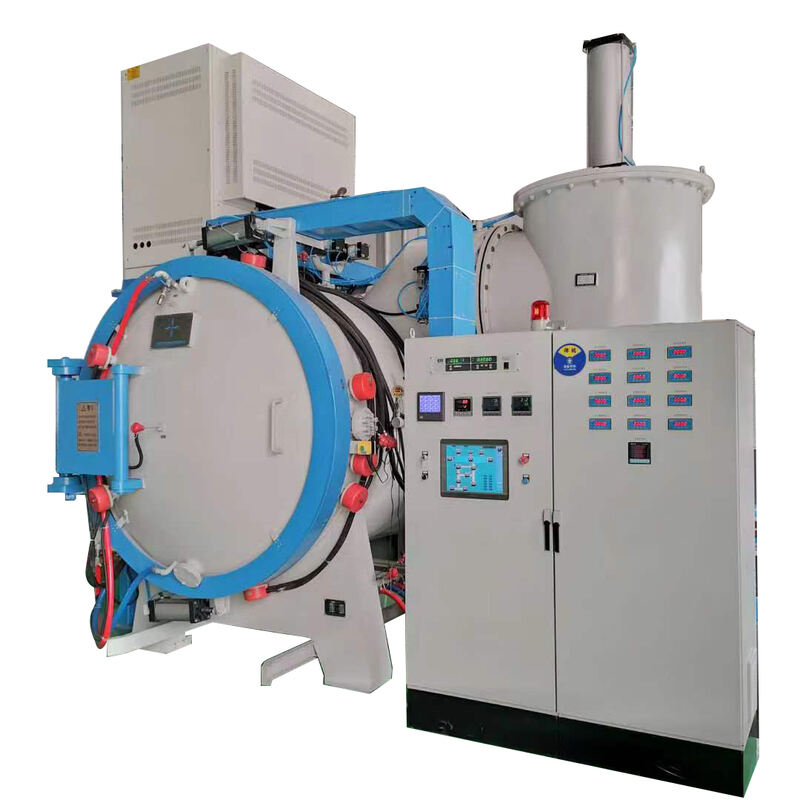
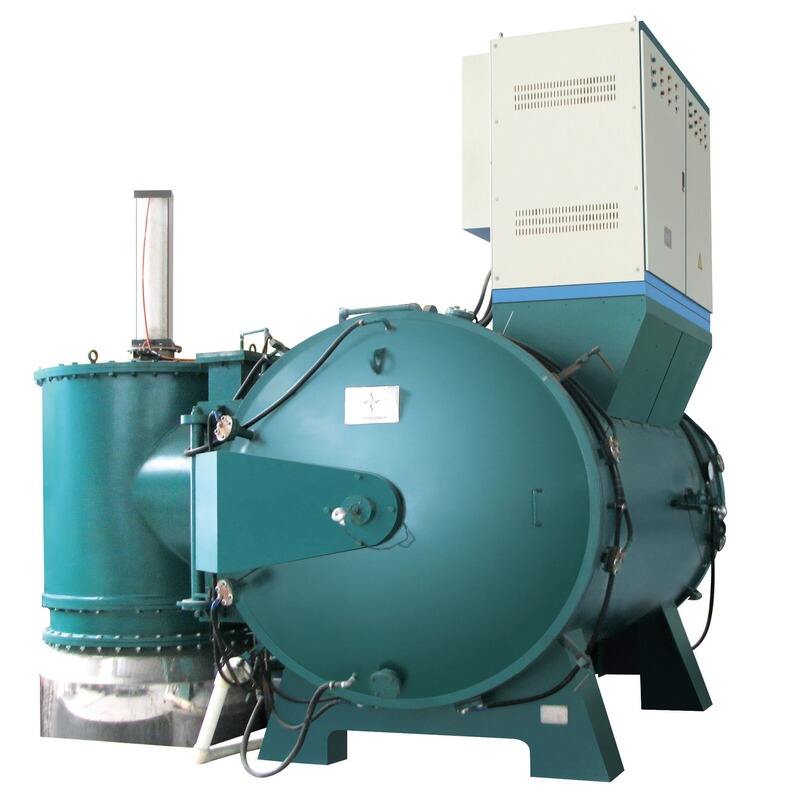
How Does a Vacuum Brazing Furnace Reduce Oxidation During Processing?

25

Feb

How Does a Vacuum Brazing Furnace Reduce Oxidation During Processing?

Modern manufacturing processes demand precise control over atmospheric conditions to achieve optimal results, particularly when joining metals through brazing operations. A vacuum brazing furnace represents a sophisticated solution that eliminates ox...
View More

Get a Free Quote

Our representative will contact you soon.
Email
Name
Company Name
Message
0/1000

lightweight composite drums

Exceptional Weight-to-Strength Ratio Maximizes Operational Efficiency

Exceptional Weight-to-Strength Ratio Maximizes Operational Efficiency

The exceptional weight-to-strength ratio of lightweight composite drums fundamentally transforms how businesses approach storage, transportation, and handling operations, delivering measurable improvements in efficiency and cost-effectiveness. This remarkable characteristic stems from the advanced engineering of composite materials, where high-strength fibers are strategically oriented within polymer matrices to maximize load-bearing capacity while minimizing overall weight. The result is containers that can support substantial internal pressures and external loads while weighing significantly less than traditional alternatives. This weight reduction directly translates to increased payload capacity for transportation, allowing companies to ship more product per trip while remaining within legal weight restrictions. For businesses operating large fleets or frequent shipping schedules, this advantage compounds into substantial annual savings on fuel costs, vehicle wear, and transportation fees. The strength characteristics ensure these lightweight composite drums can withstand the rigors of industrial use, including stacking loads in warehouses, handling by forklifts and other equipment, and the dynamic stresses encountered during transportation. Workers benefit from easier manual handling, reducing the risk of workplace injuries and improving productivity in loading, unloading, and positioning operations. The consistent strength properties across the entire drum structure eliminate weak points that might develop in welded or assembled containers, providing reliable performance throughout the container's service life. This strength-to-weight optimization also enables innovative stacking configurations and storage arrangements that maximize warehouse space utilization while maintaining safe working conditions. Quality control processes ensure that each lightweight composite drum meets strict performance specifications, with testing protocols that verify structural integrity under various load conditions and environmental stresses.
Advanced Chemical Resistance Ensures Product Integrity and Safety

Advanced Chemical Resistance Ensures Product Integrity and Safety

Advanced chemical resistance capabilities of lightweight composite drums provide unparalleled protection for stored materials while ensuring long-term container reliability in the most demanding chemical environments. This resistance stems from the carefully selected polymer matrices and fiber reinforcements that are inherently inert to a wide range of chemical substances, including aggressive acids, caustic bases, organic solvents, and specialized industrial chemicals. Unlike metal containers that may corrode, pit, or develop stress fractures when exposed to certain chemicals, composite drums maintain their structural integrity and barrier properties throughout extended exposure periods. This chemical compatibility eliminates the risk of container degradation that could contaminate stored products, compromise quality standards, or create safety hazards. The non-reactive nature of composite materials means they will not catalyze chemical reactions or introduce metallic ions that might affect product stability or purity, making them ideal for pharmaceutical applications, high-purity chemicals, and sensitive formulations. The seamless construction typical of lightweight composite drums eliminates potential corrosion sites that might develop at welds or joints in traditional containers, providing comprehensive protection against chemical attack. This resistance extends to environmental factors such as humidity, salt spray, and atmospheric pollutants that can gradually degrade other container materials. Testing protocols verify chemical compatibility across temperature ranges and concentration levels, ensuring reliable performance under actual use conditions. The barrier properties of these drums prevent chemical migration, maintaining product quality while protecting external environments from potential contamination. This comprehensive chemical resistance reduces the need for specialized coatings or liners that add cost and complexity to traditional containers, while eliminating the maintenance requirements associated with corrosion prevention and monitoring.
Environmental Sustainability Supports Corporate Responsibility Goals

Environmental Sustainability Supports Corporate Responsibility Goals

Environmental sustainability features of lightweight composite drums align perfectly with corporate responsibility initiatives while delivering practical benefits that support both ecological and economic objectives. The reduced weight characteristics directly contribute to lower carbon footprint through decreased fuel consumption during transportation, as lighter containers require less energy to move, resulting in reduced greenhouse gas emissions per unit of product delivered. Many lightweight composite drums incorporate recycled materials in their construction, supporting circular economy principles while maintaining performance standards that meet or exceed those of conventional containers. The extended service life of composite materials means fewer containers need to be manufactured over time, reducing overall resource consumption and waste generation compared to alternatives that require more frequent replacement due to corrosion, damage, or degradation. End-of-life considerations include recycling options for composite materials, with emerging technologies enabling the recovery and reuse of both fiber reinforcements and polymer matrices. The durability of these drums reduces the likelihood of container failure that could result in environmental contamination, supporting environmental protection goals while avoiding costly cleanup operations and regulatory penalties. Energy efficiency extends beyond transportation to manufacturing processes, where advanced composite fabrication techniques often require less energy than traditional metalworking operations for steel drums. The chemical resistance properties eliminate the need for frequent container replacement due to corrosion or chemical attack, further reducing the environmental impact associated with manufacturing, transportation, and disposal of replacement containers. Companies utilizing lightweight composite drums can document and report tangible sustainability improvements, including reduced carbon emissions, decreased waste generation, and improved resource efficiency, supporting environmental certification programs and stakeholder reporting requirements. The longevity and reliability of these containers also support lean manufacturing principles by reducing inventory requirements for replacement containers and minimizing disruptions caused by container failure or degradation.

Get a Free Quote

Our representative will contact you soon.
Email
Name
Company Name
Message
0/1000