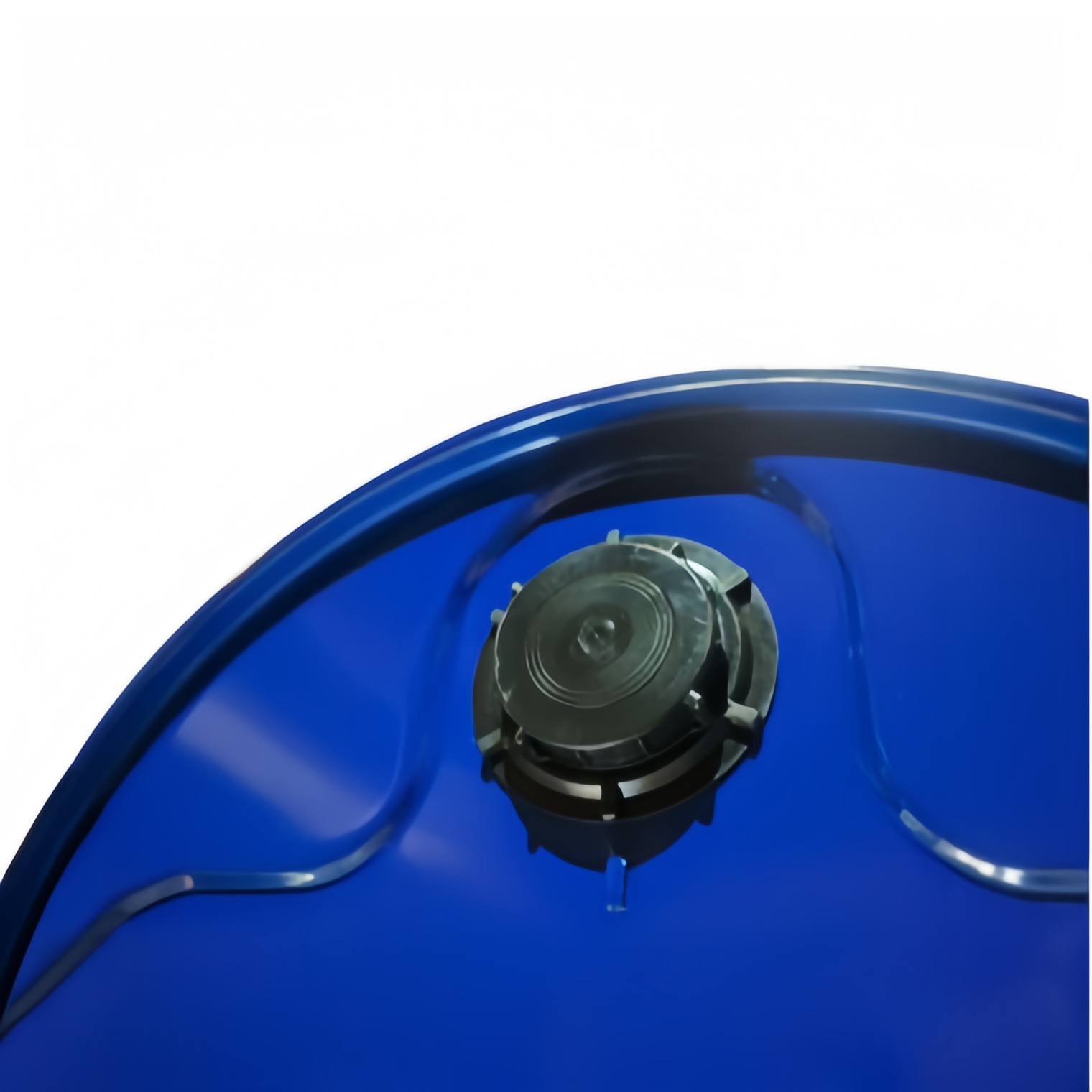
High Quality Composite Drums - Advanced Industrial Storage Solutions for Superior Performance

All Categories

Get a Free Quote

Our representative will contact you soon.
Email
Name
Company Name
Message
0/1000

high quality composite drums

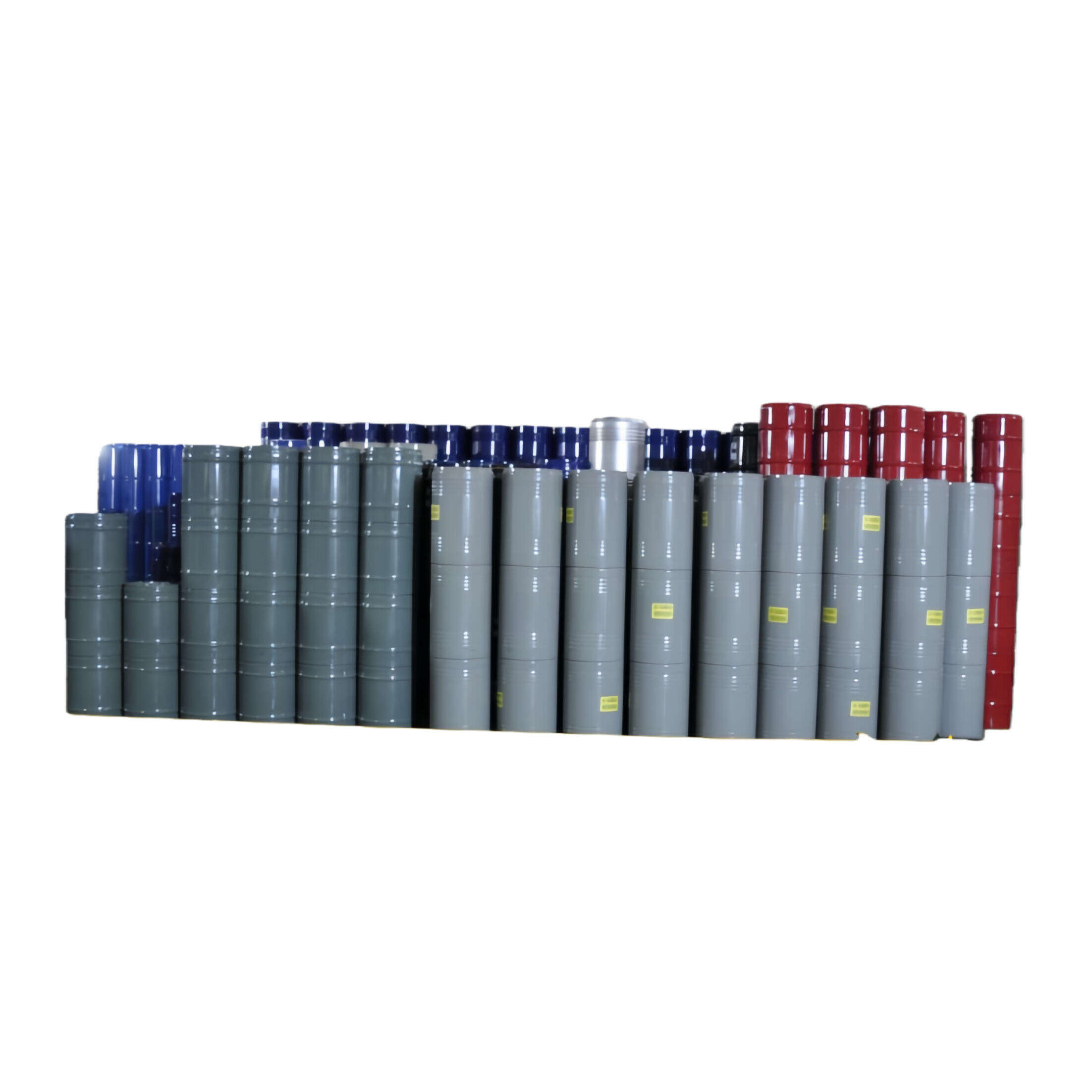
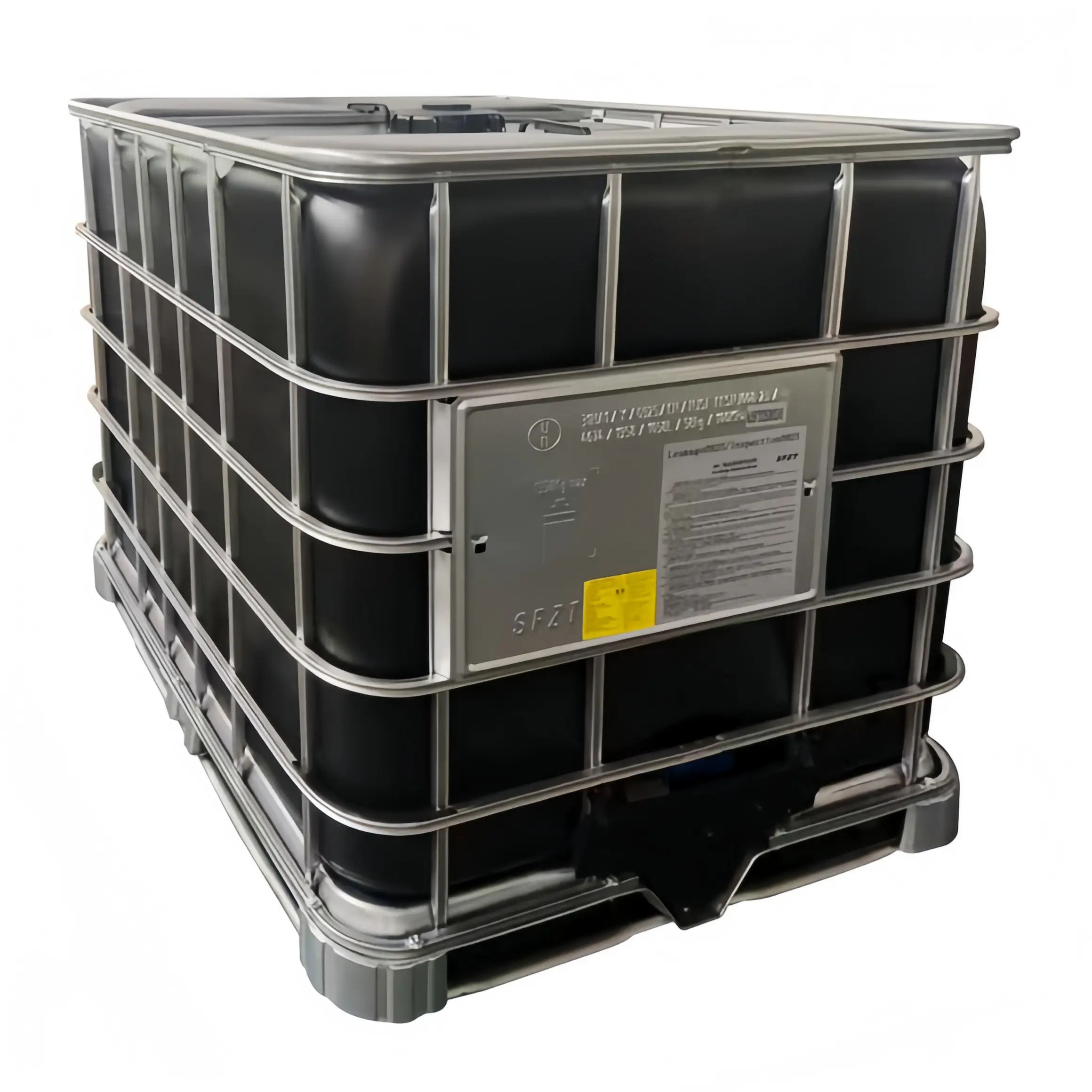
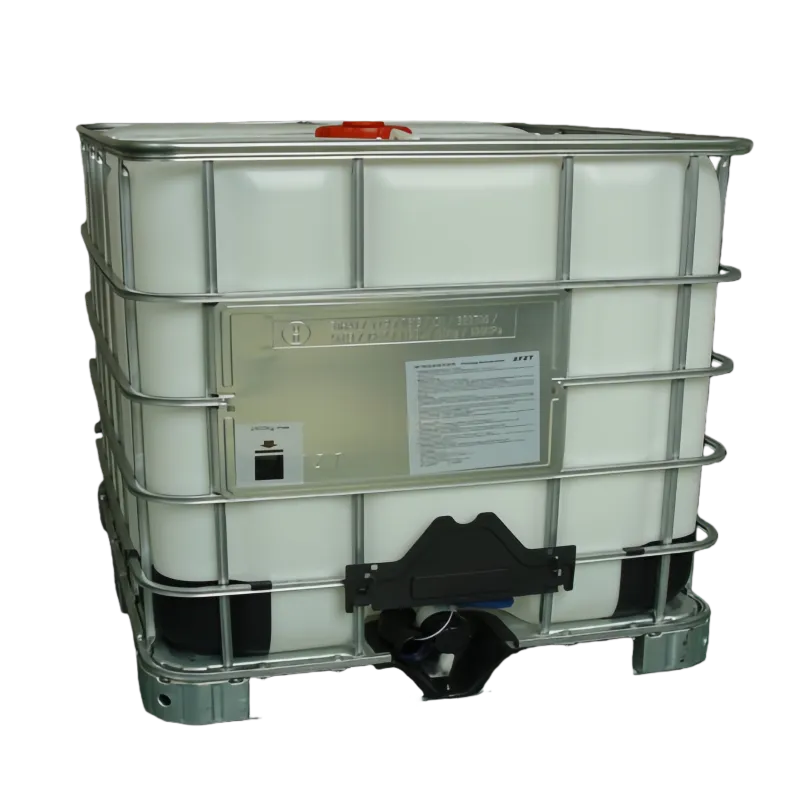
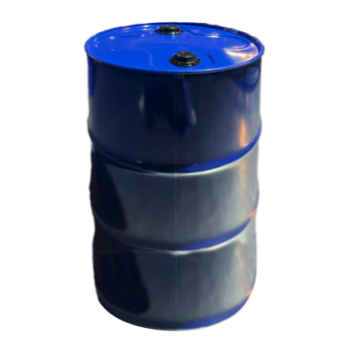
High quality composite drums represent a revolutionary advancement in industrial packaging and storage solutions, combining cutting-edge materials science with practical engineering excellence. These innovative containers utilize advanced composite materials, typically featuring multiple layers of specialized plastics, fiberglass reinforcements, and protective coatings that deliver superior performance compared to traditional steel or single-material drums. The primary function of high quality composite drums centers on providing secure, durable, and lightweight storage for various industrial materials, chemicals, and commercial products. Their sophisticated construction incorporates advanced barrier technologies that prevent contamination, resist chemical corrosion, and maintain product integrity throughout extended storage periods. The technological features of these drums include multi-layer construction with specialized inner linings, reinforced sidewalls for enhanced structural integrity, and precision-molded components that ensure consistent quality and reliability. Many high quality composite drums feature advanced closure systems with tamper-evident seals, pressure-relief mechanisms, and specialized dispensing options tailored to specific applications. Their applications span numerous industries including chemical processing, pharmaceutical manufacturing, food and beverage production, agricultural chemicals, automotive fluids, and hazardous waste management. The versatility of high quality composite drums makes them suitable for storing everything from corrosive chemicals and industrial solvents to food-grade materials and pharmaceutical compounds. These drums excel in environments requiring strict regulatory compliance, particularly in industries governed by DOT transportation regulations, FDA food safety standards, and EPA environmental guidelines. The lightweight nature of composite construction significantly reduces shipping costs while maintaining structural strength equivalent to heavier alternatives, making them increasingly popular for international commerce and logistics operations.


New Product Recommendations

High quality composite drums deliver exceptional cost-effectiveness by combining lower shipping expenses with reduced handling costs throughout their operational lifecycle. The lightweight construction of these drums typically weighs thirty to fifty percent less than comparable steel containers, resulting in substantial freight savings during transportation while maintaining equivalent storage capacity and structural integrity. Companies experience immediate financial benefits through reduced labor costs during loading, unloading, and warehouse operations since workers handle lighter containers more efficiently and safely. The corrosion resistance inherent in composite materials eliminates the ongoing maintenance expenses associated with steel drums, including rust treatment, repainting, and premature replacement due to deterioration. These drums maintain their structural integrity and appearance for significantly longer periods, providing excellent return on investment through extended service life and reduced replacement frequency. The chemical compatibility of high quality composite drums accommodates a broader range of stored materials without requiring specialized coatings or treatments, simplifying inventory management and reducing procurement complexity for businesses handling diverse product lines. Temperature stability represents another significant advantage, as composite materials resist expansion and contraction cycles that can compromise seal integrity in metal containers, ensuring consistent performance across varying environmental conditions. The smooth interior surfaces of these drums facilitate complete product evacuation, minimizing waste and maximizing yield for expensive chemicals or pharmaceutical compounds. Environmental benefits include recyclability options and reduced carbon footprint during manufacturing and transportation, aligning with corporate sustainability initiatives and regulatory requirements. Safety improvements include elimination of sharp edges, reduced risk of sparking in sensitive environments, and enhanced impact resistance that protects both personnel and stored materials. The consistent manufacturing quality achieved through precision molding processes ensures uniform wall thickness, predictable performance characteristics, and reliable compatibility with automated filling and handling equipment. Regulatory compliance becomes simplified as high quality composite drums often meet multiple international standards simultaneously, facilitating global commerce and reducing certification complexities for multinational operations.

Tips And Tricks

How Do Small and Intermediate Steel Drums Enhance Chemical Storage Safety?

26

Dec

How Do Small and Intermediate Steel Drums Enhance Chemical Storage Safety?

Chemical storage safety remains a critical concern for industries handling hazardous substances, where the choice of containers can make the difference between secure operations and catastrophic incidents. Small and intermediate steel drums have emer...
View More
How Do Composite Drums Combine Strength and Chemical Resistance Effectively?

25

Feb

How Do Composite Drums Combine Strength and Chemical Resistance Effectively?

Modern industrial packaging demands containers that can withstand both mechanical stress and chemical exposure without compromising product integrity. Composite drums have emerged as the optimal solution for industries requiring reliable storage and ...
View More
What Maintenance Practices Extend the Service Life of a Stainless Steel Drum?

25

Feb

What Maintenance Practices Extend the Service Life of a Stainless Steel Drum?

Industrial storage solutions require careful consideration of durability, safety, and long-term performance. A stainless steel drum represents one of the most reliable options for storing and transporting various materials across multiple industries....
View More
How Does a Vacuum Heat Treatment Furnace Improve Mechanical Properties of Alloys?

25

Feb

How Does a Vacuum Heat Treatment Furnace Improve Mechanical Properties of Alloys?

Modern manufacturing industries rely heavily on advanced heat treatment processes to enhance the mechanical properties of metallic alloys. A vacuum heat treatment furnace represents one of the most sophisticated approaches to achieving superior mater...
View More

Get a Free Quote

Our representative will contact you soon.
Email
Name
Company Name
Message
0/1000

high quality composite drums

Advanced Multi-Layer Construction Technology

Advanced Multi-Layer Construction Technology

The sophisticated multi-layer construction technology employed in high quality composite drums represents a breakthrough in container engineering that delivers unparalleled protection and performance for stored materials. This innovative design incorporates multiple specialized layers, each serving distinct protective functions to create a comprehensive barrier system that surpasses traditional single-material containers. The outer layer typically consists of high-density polyethylene or similar durable polymers that provide exceptional impact resistance, UV protection, and structural integrity to withstand harsh handling conditions and environmental stressors. The intermediate layers often feature specialized barrier materials such as EVOH (ethylene vinyl alcohol) or nylon compounds that prevent gas permeation, moisture infiltration, and chemical migration, ensuring product purity and extending shelf life significantly. The inner layer utilizes chemically inert materials specifically selected for compatibility with the intended stored products, preventing contamination, taste transfer, or chemical reactions that could compromise product quality or safety. This multi-layer approach allows manufacturers to optimize each layer for specific performance characteristics while maintaining overall structural integrity and cost-effectiveness. The advanced bonding techniques used to join these layers create seamless integration without weak points or delamination risks, ensuring long-term reliability under stress conditions. Temperature fluctuations, pressure changes, and mechanical stress are effectively managed through the engineered flexibility and strength distribution across all layers. The precision manufacturing processes ensure consistent layer thickness and uniform properties throughout each drum, eliminating weak spots that could lead to premature failure. This construction method enables high quality composite drums to meet stringent regulatory requirements for hazardous materials transport while providing superior protection for sensitive products such as pharmaceuticals, specialty chemicals, and food-grade materials. The technology also allows for customization of barrier properties to match specific application requirements, making these drums suitable for an extensive range of industrial and commercial applications where product integrity is paramount.
Superior Chemical Resistance and Compatibility

Superior Chemical Resistance and Compatibility

High quality composite drums demonstrate exceptional chemical resistance and compatibility characteristics that make them the preferred choice for storing aggressive chemicals, corrosive substances, and reactive materials across diverse industrial applications. The carefully engineered polymer matrices used in these drums resist degradation from acids, bases, solvents, and other challenging chemical environments that would rapidly compromise traditional steel or basic plastic containers. Advanced material selection processes ensure that the composite formulations remain stable when exposed to specific chemical families, preventing stress cracking, swelling, or chemical attack that could lead to container failure or product contamination. The inert nature of the inner surfaces eliminates catalytic reactions that might occur with metal containers, particularly important for storing reactive chemicals or pharmaceutical compounds where purity is critical. Extensive compatibility testing protocols verify performance with hundreds of different chemicals under various temperature and concentration conditions, providing users with reliable data for safe storage applications. The molecular structure of the composite materials resists permeation by volatile organic compounds, preventing product loss through evaporation while maintaining atmospheric isolation to prevent contamination. Specialized formulations can be engineered to resist specific chemical challenges, such as highly concentrated acids, organic solvents, or oxidizing agents, making these drums suitable for the most demanding storage requirements. The chemical resistance extends beyond mere containment to include resistance to cleaning agents and sterilization procedures commonly used in pharmaceutical and food processing industries. Long-term exposure studies demonstrate that high quality composite drums maintain their mechanical properties and barrier characteristics even after extended contact with aggressive chemicals, ensuring reliable performance throughout their service life. This superior chemical compatibility eliminates the need for expensive internal coatings or specialized treatments required with metal containers, simplifying procurement and reducing total cost of ownership. The resistance to chemical stress cracking, a common failure mode in lesser quality plastics, ensures that these drums maintain their integrity even when subjected to mechanical stress in the presence of aggressive chemicals.
Enhanced Safety Features and Regulatory Compliance

Enhanced Safety Features and Regulatory Compliance

High quality composite drums incorporate comprehensive safety features and regulatory compliance capabilities that address critical concerns in modern industrial storage and transportation applications. The inherent electrical insulation properties of composite materials eliminate static buildup and sparking risks associated with metal containers, making these drums ideal for storing flammable liquids and operating in explosive atmospheres where safety protocols demand non-conductive materials. Advanced venting systems integrated into many composite drum designs provide pressure relief capabilities that prevent dangerous over-pressurization while maintaining secure containment under normal operating conditions. The smooth, seamless interior construction eliminates sharp edges and crevices where bacteria or contaminants could accumulate, supporting enhanced hygiene standards critical in food, pharmaceutical, and biotechnology applications. Tamper-evident closure systems incorporated in these drums provide visual indication of unauthorized access, ensuring chain of custody integrity for valuable or regulated substances. The lightweight construction reduces ergonomic hazards for workers handling these containers, decreasing injury risks and improving workplace safety while maintaining structural strength equivalent to heavier alternatives. Fire resistance characteristics of advanced composite formulations provide improved safety margins in emergency situations, with some variants featuring self-extinguishing properties that limit fire propagation. Regulatory compliance capabilities encompass multiple international standards including UN packaging codes for dangerous goods transport, FDA regulations for food contact materials, and pharmaceutical packaging requirements for drug storage and distribution. The consistent manufacturing quality achievable with precision molding processes ensures that each drum meets identical specifications, facilitating lot tracking and quality assurance protocols required in regulated industries. Advanced marking and identification systems can be molded directly into the drum structure, providing permanent, tamper-proof labeling that resists chemical exposure and mechanical wear. Environmental safety benefits include elimination of heavy metal contamination risks associated with metal containers and compatibility with recycling programs that support circular economy initiatives. The robust construction and impact resistance of high quality composite drums reduce the likelihood of accidental spills or releases during handling and transportation, protecting both personnel and environmental resources from exposure to potentially hazardous materials.

Get a Free Quote

Our representative will contact you soon.
Email
Name
Company Name
Message
0/1000