energy efficient vacuum brazing furnace
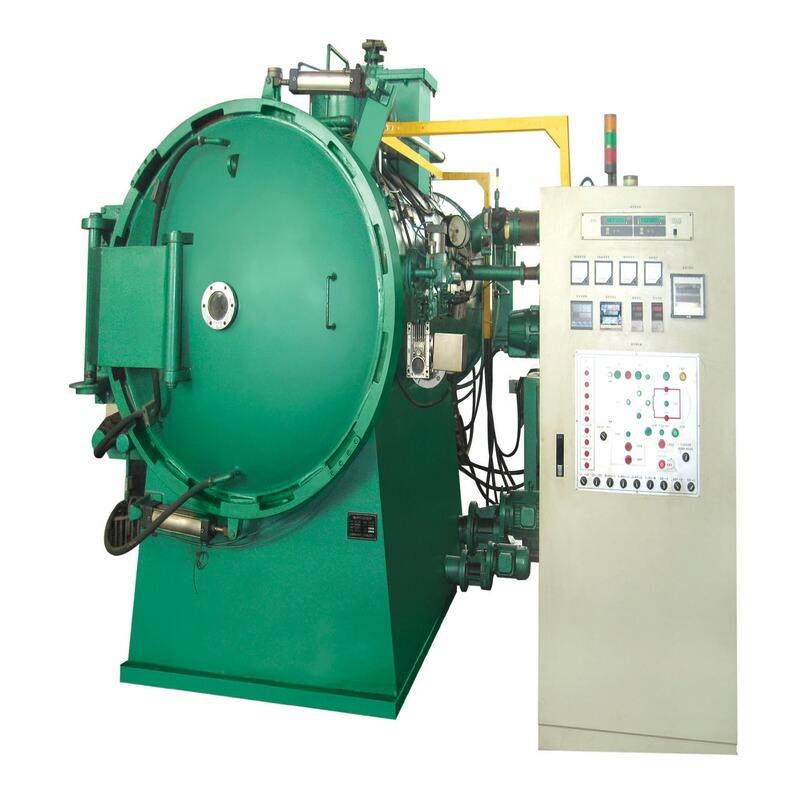
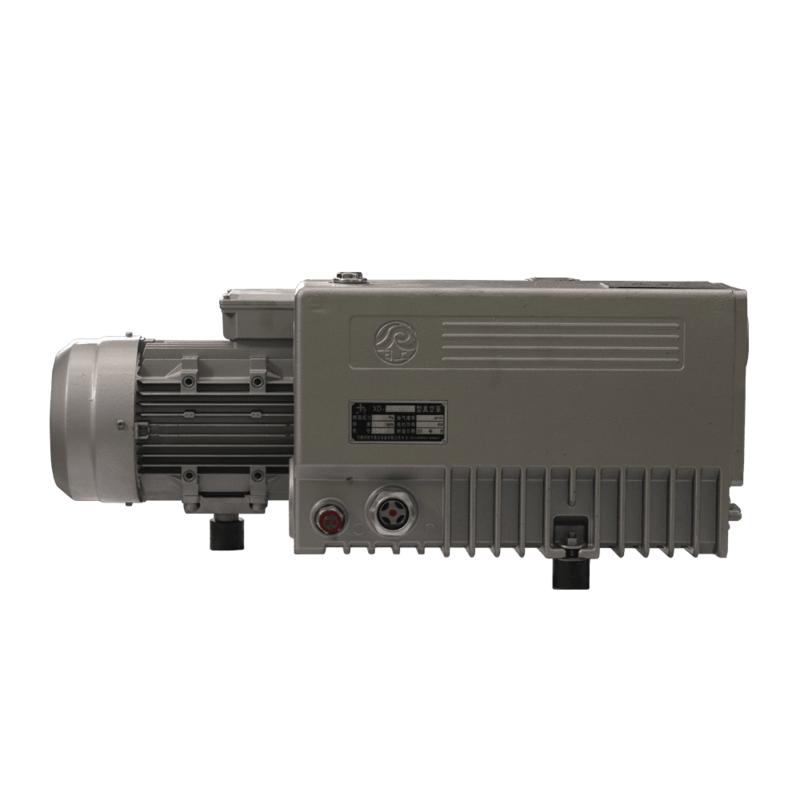
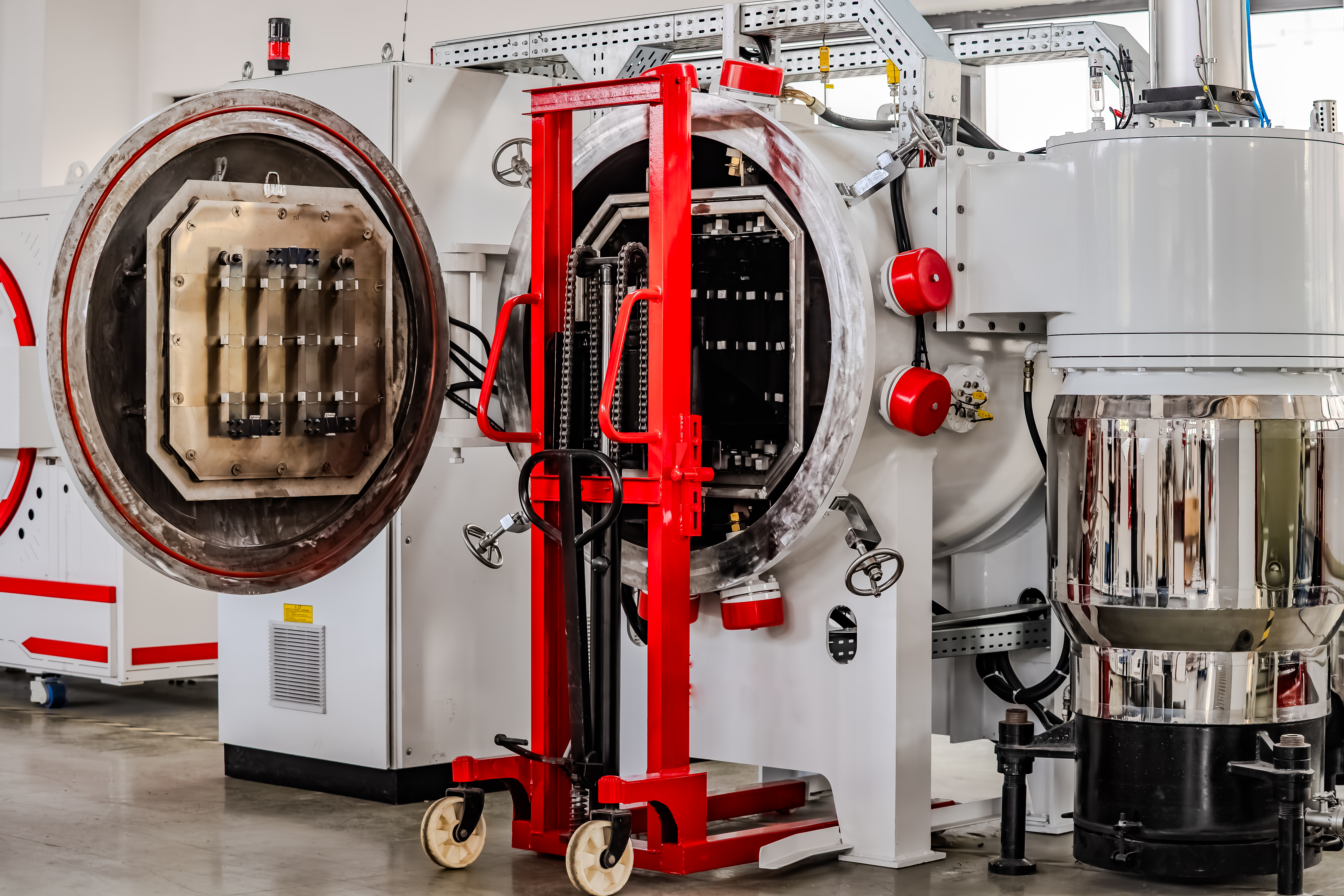
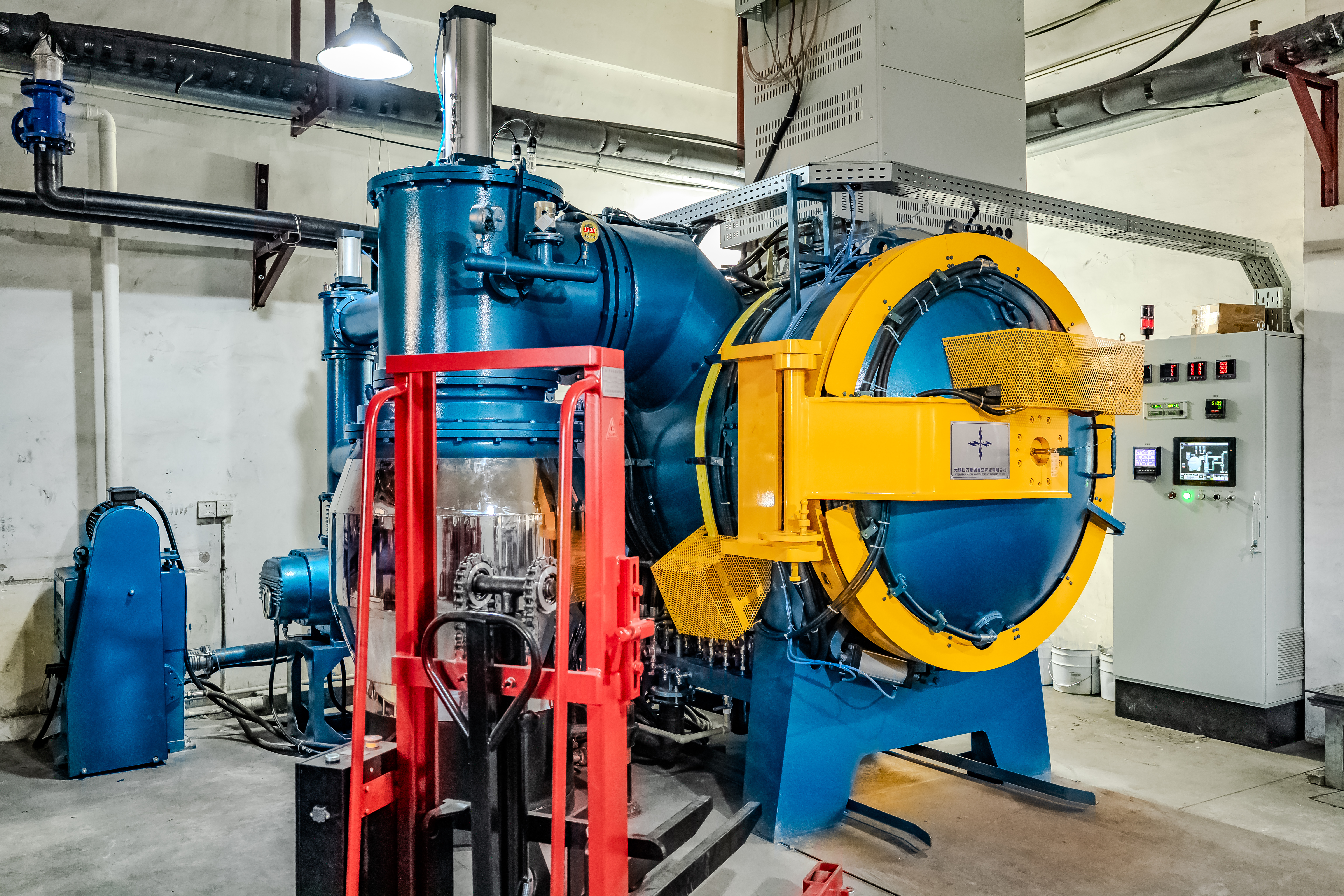
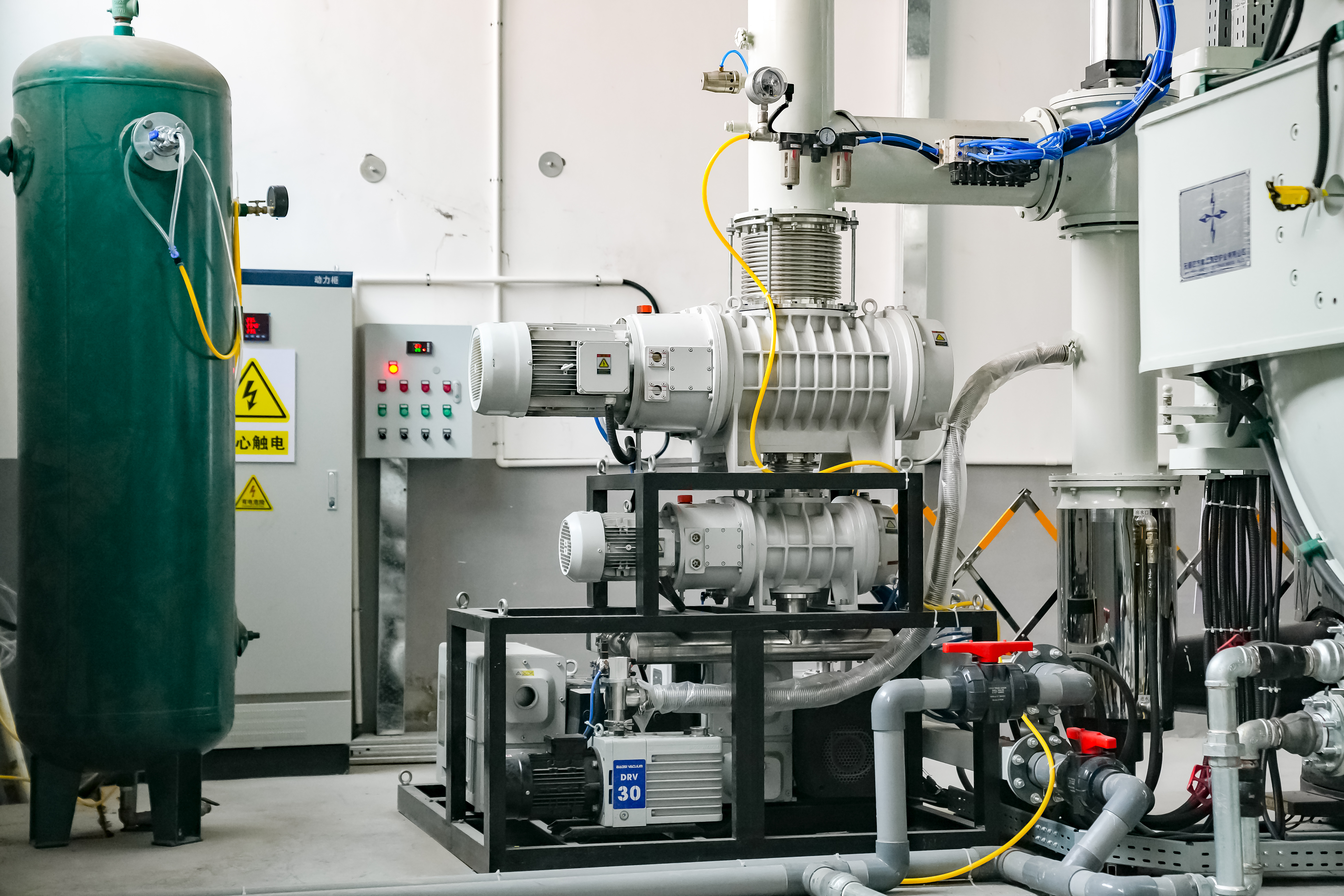
The energy efficient vacuum brazing furnace represents a cutting-edge industrial heating solution designed to perform high-quality metal joining processes while minimizing power consumption and environmental impact. This sophisticated equipment operates within a controlled vacuum environment, eliminating oxidation and contamination during the brazing process. The furnace utilizes advanced heating elements and insulation systems to achieve precise temperature control, typically ranging from 500°C to 1300°C, ensuring optimal brazing conditions for various metal combinations. The main functions of an energy efficient vacuum brazing furnace include creating and maintaining vacuum conditions, providing uniform heating throughout the work chamber, controlling cooling rates, and monitoring process parameters through integrated control systems. Technological features encompass multi-zone heating capabilities, programmable temperature profiles, rapid cooling systems, and automated gas backfill options. The furnace incorporates high-performance vacuum pumps, advanced insulation materials, and energy recovery systems to maximize efficiency while reducing operational costs. These systems feature robust construction with stainless steel chambers, ceramic heating elements, and sophisticated control interfaces that allow operators to customize brazing cycles according to specific material requirements. Applications for energy efficient vacuum brazing furnaces span numerous industries including aerospace, automotive, electronics, medical devices, and precision manufacturing. These furnaces excel in joining dissimilar metals, creating hermetic seals, and producing components requiring exceptional cleanliness and strength. Common applications include manufacturing heat exchangers, electronic housings, turbine components, and critical aerospace parts where joint integrity and material properties are paramount. The versatility of these systems allows for processing various materials including stainless steel, titanium, aluminum, copper, and specialized alloys, making them indispensable in modern manufacturing environments where quality, efficiency, and environmental responsibility are essential considerations for competitive operations.

 EN
EN