Premium Vacuum Brazing Ovens: Advanced Technology for Superior Metal Joining Solutions

All Categories

Get a Free Quote

Our representative will contact you soon.
Email
Name
Company Name
Message
0/1000

vacuum brazing oven

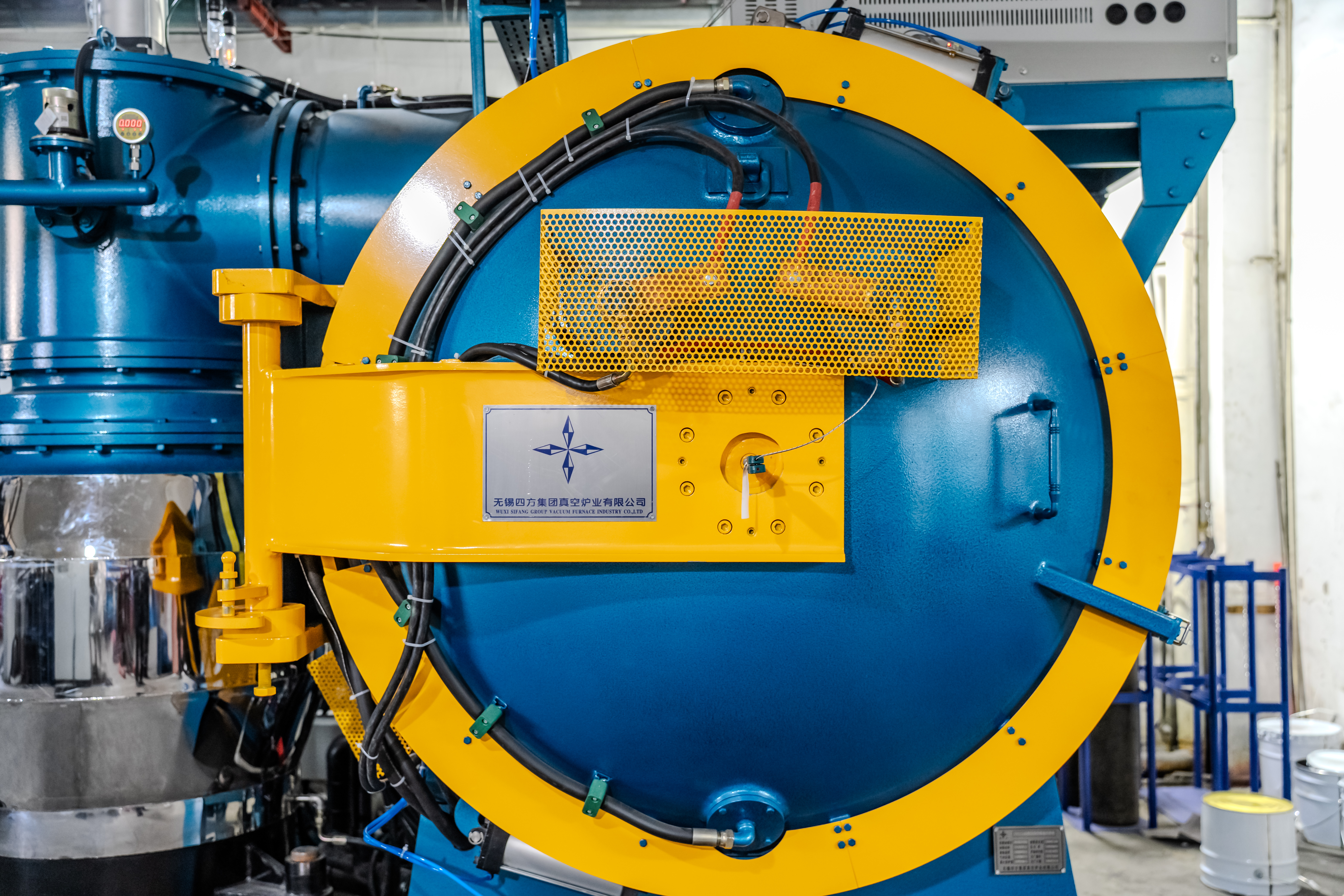
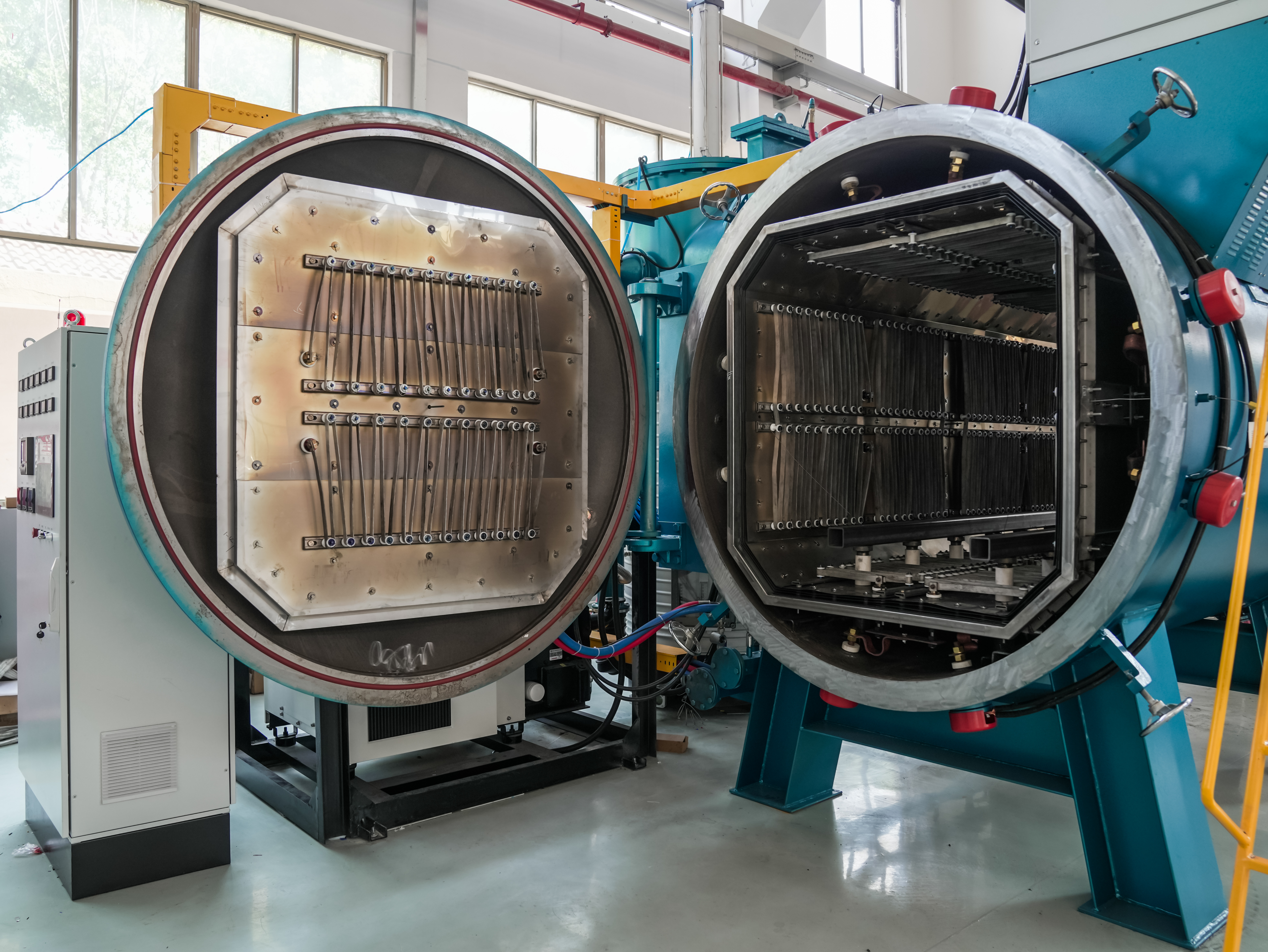
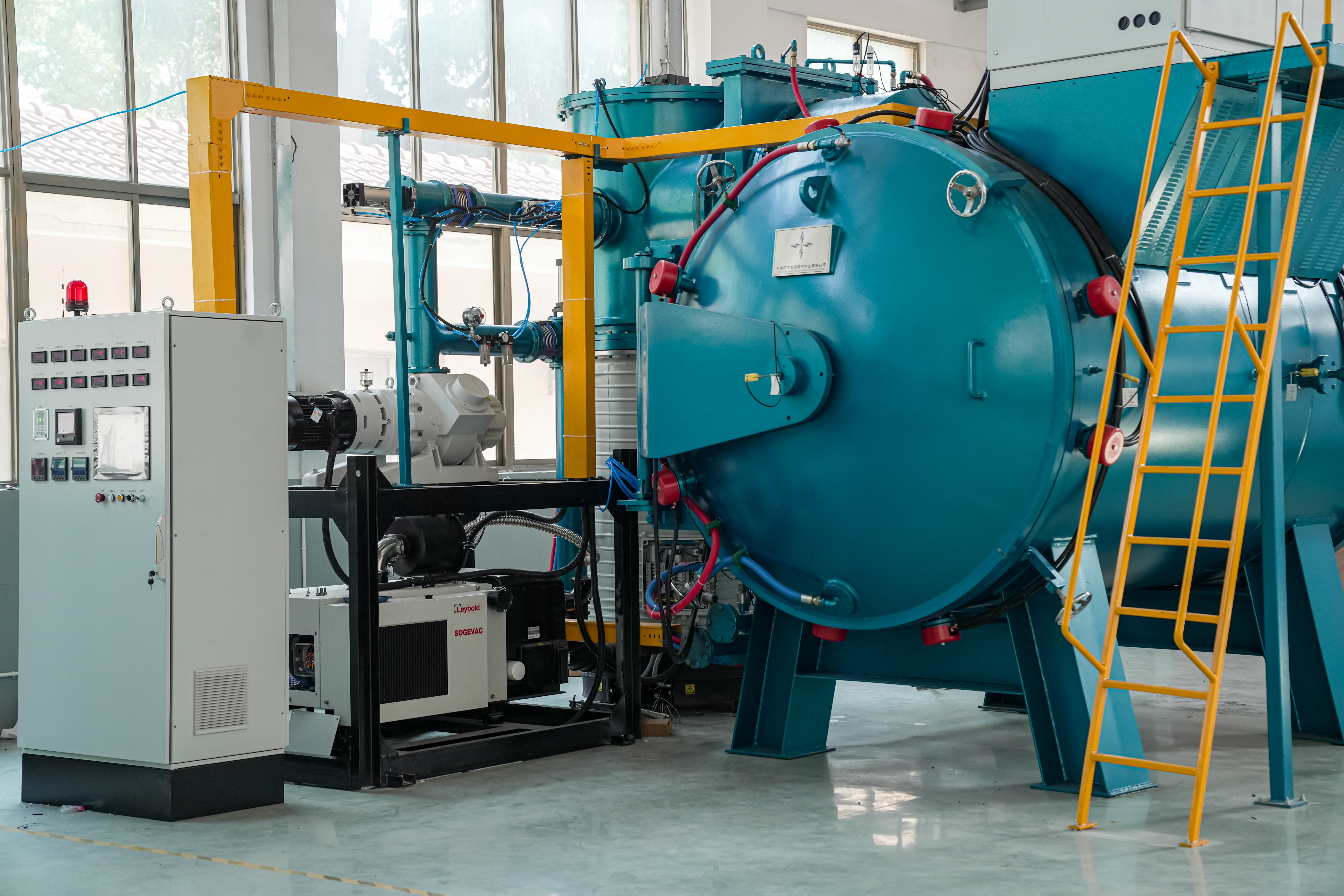
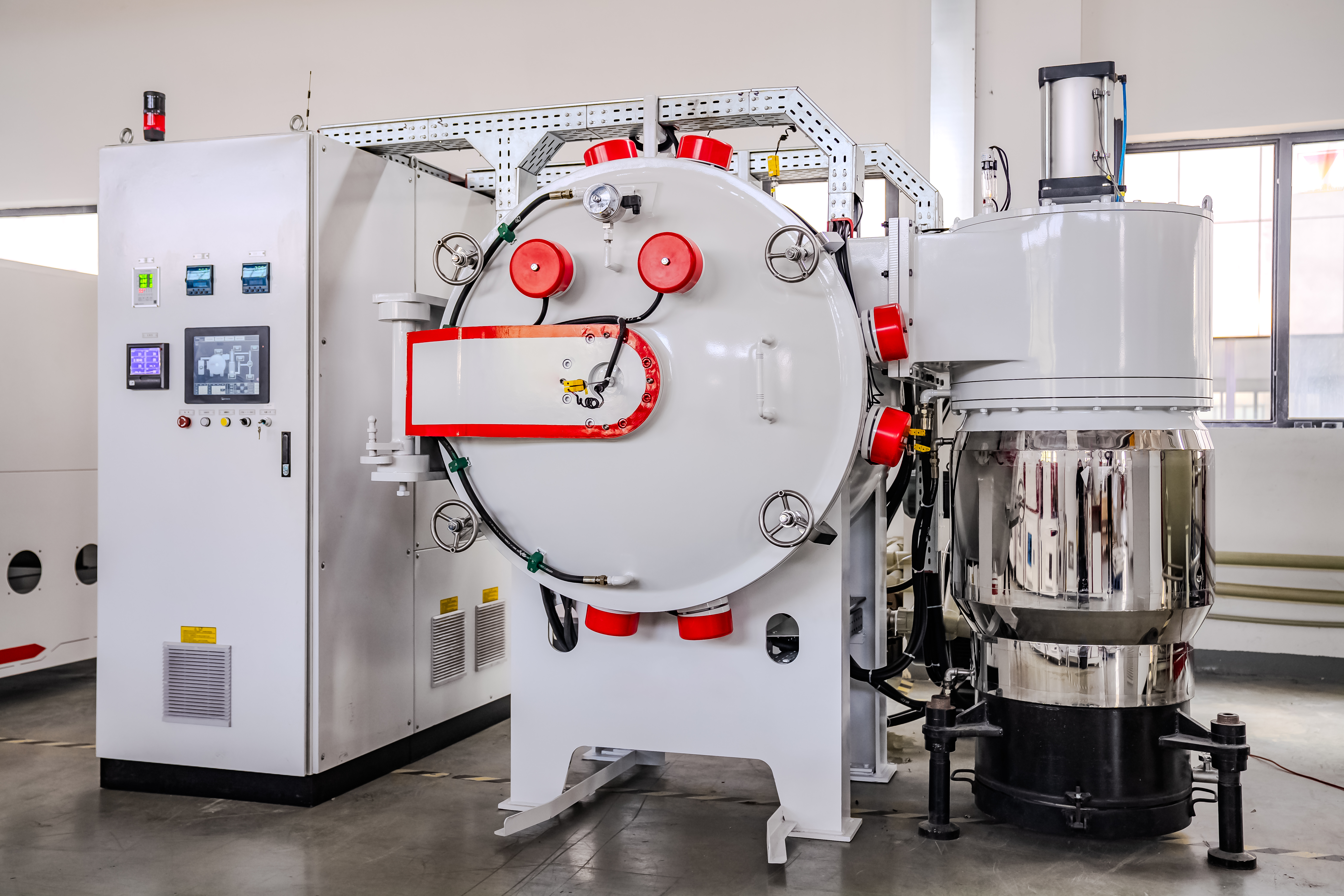
A vacuum brazing oven represents cutting-edge thermal processing technology designed for joining metals through controlled heating in an oxygen-free environment. This sophisticated equipment creates vacuum conditions that eliminate atmospheric gases, enabling precise temperature control and superior joint formation. The vacuum brazing oven operates by removing air and other gases from the heating chamber, creating an inert atmosphere that prevents oxidation during the brazing process. This technology utilizes electromagnetic heating elements or gas-fired systems to achieve uniform temperature distribution throughout the work zone. The main functions include precise temperature regulation, automated atmosphere control, and programmable heating cycles that ensure consistent results across different materials and applications. Key technological features encompass advanced vacuum pumping systems, sophisticated temperature monitoring sensors, and computerized control interfaces that manage every aspect of the brazing cycle. The heating chamber design incorporates high-quality refractory materials and thermal insulation to maintain temperature stability while minimizing energy consumption. Modern vacuum brazing ovens integrate digital control systems that allow operators to customize heating profiles, monitor real-time parameters, and maintain detailed process records for quality assurance. Applications span across aerospace manufacturing, automotive component production, electronics assembly, and precision engineering sectors. These ovens excel in joining dissimilar metals, creating hermetic seals, and producing components that require exceptional strength and reliability. Industries utilize vacuum brazing ovens for manufacturing heat exchangers, electronic packages, turbine components, and medical devices where traditional joining methods prove inadequate. The technology supports various brazing materials including silver-based alloys, copper-based filler metals, and specialized compositions designed for specific applications. Process capabilities extend from small batch production to high-volume manufacturing runs, accommodating components ranging from miniature electronic assemblies to large industrial structures.


Popular Products

Vacuum brazing ovens deliver exceptional benefits that transform manufacturing processes and elevate product quality standards. Superior joint quality represents the foremost advantage, as the oxygen-free environment eliminates oxidation that typically compromises traditional brazing methods. This controlled atmosphere ensures clean, strong metallurgical bonds that exceed conventional joining techniques in both durability and performance. The absence of flux requirements streamlines production workflows while reducing material costs and eliminating post-process cleaning steps that consume valuable time and resources. Manufacturers experience significant cost savings through reduced material waste, as the precise control eliminates overheating and material degradation common in atmospheric brazing processes. Energy efficiency stands out as another compelling benefit, with advanced insulation and controlled heating zones minimizing power consumption while maintaining optimal processing temperatures. The vacuum environment enables lower brazing temperatures compared to atmospheric methods, reducing thermal stress on components and preserving material properties that enhance final product performance. Process repeatability reaches new levels of consistency through automated control systems that eliminate human variability and ensure identical results across production runs. This reliability translates directly into reduced rejection rates and improved manufacturing yields. Versatility in material compatibility allows manufacturers to braze dissimilar metals and exotic alloys that prove impossible with conventional techniques. The vacuum brazing oven accommodates temperature-sensitive components while producing joints that meet stringent aerospace and medical industry standards. Enhanced productivity emerges through batch processing capabilities that handle multiple components simultaneously, maximizing throughput while maintaining individual piece quality. Contamination control becomes effortless as the sealed environment prevents external pollutants from affecting the brazing process. This cleanliness proves essential for applications requiring ultra-high purity standards. Dimensional stability improves dramatically as controlled heating minimizes warpage and distortion that plague atmospheric brazing operations. The precise temperature control enables complex geometries and tight tolerances previously unachievable. Investment returns accelerate through reduced rework, improved customer satisfaction, and access to premium market segments that demand superior joint quality and reliability.

Latest News

How Can a Metal Barrel Improve Safety in Industrial Material Storage?

26

Dec

How Can a Metal Barrel Improve Safety in Industrial Material Storage?

Industrial material storage presents numerous challenges that require robust, reliable solutions to ensure workplace safety and operational efficiency. Among the various storage options available, the metal barrel has emerged as a cornerstone of secu...
View More
What Makes a Metal Barrel Suitable for High-Temperature Applications?

26

Dec

What Makes a Metal Barrel Suitable for High-Temperature Applications?

Industrial applications requiring extreme heat resistance demand specialized equipment that can withstand temperatures often exceeding 1000°C. Metal barrels and chambers used in these high-temperature environments must possess exceptional thermal...
View More
Why Is a Vacuum Brazing Furnace Critical for High-Precision Component Manufacturing?

25

Feb

Why Is a Vacuum Brazing Furnace Critical for High-Precision Component Manufacturing?

High-precision component manufacturing demands exceptional joining techniques that maintain material integrity while delivering reliable, leak-proof connections. A vacuum brazing furnace represents the pinnacle of advanced thermal processing technolo...
View More
How Do Material Types Affect Performance in a Vacuum Brazing Furnace?

25

Feb

How Do Material Types Affect Performance in a Vacuum Brazing Furnace?

Material selection plays a crucial role in determining the success and efficiency of thermal processing operations. When working with a vacuum brazing furnace, understanding how different materials respond to high-temperature environments and control...
View More

Get a Free Quote

Our representative will contact you soon.
Email
Name
Company Name
Message
0/1000

vacuum brazing oven

Advanced Vacuum Technology for Unmatched Joint Integrity

Advanced Vacuum Technology for Unmatched Joint Integrity

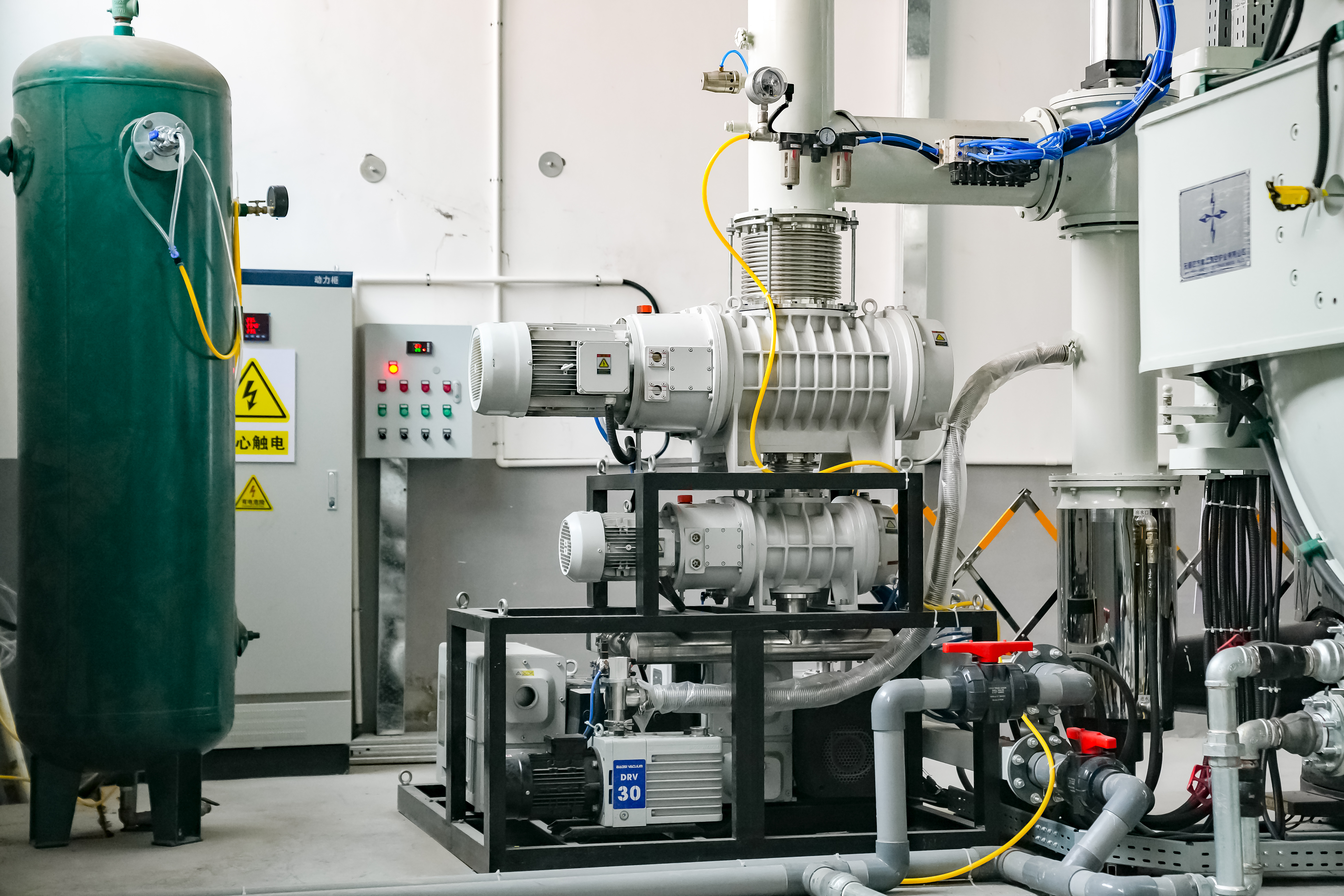
The sophisticated vacuum technology integrated into modern vacuum brazing ovens establishes the foundation for achieving unparalleled joint integrity that surpasses conventional brazing methods. This revolutionary approach creates an oxygen-free environment that fundamentally transforms the metallurgical bonding process, eliminating oxidation-related defects that compromise joint strength and reliability. The vacuum system operates through multiple stages of atmospheric evacuation, beginning with mechanical pumps that remove bulk gases, followed by high-vacuum pumps that achieve ultimate pressure levels below 10^-4 torr. This controlled environment prevents oxide formation on metal surfaces, enabling direct metal-to-metal contact that creates stronger, more durable bonds. The absence of atmospheric gases eliminates the need for chemical fluxes traditionally required to remove oxides, resulting in cleaner joints free from flux residues that can cause long-term reliability issues. Temperature uniformity within the vacuum chamber reaches exceptional levels through advanced heating element design and sophisticated thermal management systems. This uniform heating eliminates hot spots and temperature gradients that cause uneven brazing and potential component distortion. The vacuum brazing oven maintains precise temperature control within ±5°C throughout the entire heating zone, ensuring consistent results regardless of component size or geometry. Metallurgical analysis reveals that vacuum-brazed joints exhibit superior strength characteristics, often exceeding the base metal properties in tensile and shear testing. The controlled atmosphere enables optimized alloy flow and wetting characteristics, creating joints with minimal porosity and maximum bond area coverage. This technology particularly excels when joining dissimilar metals with different thermal expansion rates, as the controlled heating cycle minimizes thermal stress accumulation. Components processed in vacuum brazing ovens demonstrate enhanced fatigue resistance and improved corrosion performance, making them ideal for demanding applications in aerospace, automotive, and medical device manufacturing where joint failure represents critical safety concerns.
Energy-Efficient Processing with Environmental Benefits

Energy-Efficient Processing with Environmental Benefits

Modern vacuum brazing ovens incorporate innovative energy management technologies that deliver substantial operational cost reductions while supporting environmental sustainability initiatives. The advanced insulation systems utilize multi-layer ceramic fiber construction combined with reflective barriers that minimize heat loss and maximize thermal efficiency. This sophisticated thermal management reduces energy consumption by up to 40% compared to conventional atmospheric brazing furnaces, translating into significant utility cost savings over the equipment lifetime. The vacuum brazing oven design incorporates zone-controlled heating that applies thermal energy precisely where needed, eliminating wasteful heating of unused chamber areas. Rapid heating capabilities enable faster cycle times through optimized heat transfer mechanisms that bring components to brazing temperature more quickly than traditional methods. The controlled atmosphere eliminates the need for protective gas consumption, removing ongoing operational costs associated with inert gas supplies while reducing greenhouse gas emissions. Advanced power management systems monitor real-time energy usage and automatically adjust heating profiles to maintain optimal efficiency throughout the brazing cycle. Regenerative cooling systems capture and reuse thermal energy during cooldown phases, further enhancing overall energy efficiency. The vacuum brazing oven construction utilizes high-efficiency heating elements with extended service life that reduces maintenance costs and operational downtime. Predictive maintenance capabilities integrated into modern control systems monitor component performance and schedule maintenance activities to prevent unexpected failures and optimize equipment availability. The elimination of flux materials removes hazardous waste streams from manufacturing processes, supporting environmental compliance and reducing disposal costs. Water consumption decreases significantly as post-brazing cleaning operations become unnecessary, conserving resources while eliminating wastewater treatment requirements. Carbon footprint reduction occurs through multiple pathways including lower energy consumption, eliminated consumable materials, and reduced transportation needs for hazardous waste disposal. Investment payback periods typically range from 18 to 24 months through combined energy savings, reduced material costs, and improved productivity metrics. Long-term operational benefits extend beyond immediate cost savings to include enhanced corporate sustainability profiles that support market positioning and regulatory compliance in environmentally conscious industries.
Precision Control Systems for Consistent Quality Assurance

Precision Control Systems for Consistent Quality Assurance

State-of-the-art control systems integrated into vacuum brazing ovens provide unprecedented precision and repeatability that ensure consistent product quality across all manufacturing operations. The sophisticated programmable logic controllers manage every aspect of the brazing cycle through advanced algorithms that monitor and adjust multiple process parameters simultaneously. Temperature control accuracy reaches exceptional levels through multi-zone heating management that maintains uniform thermal conditions throughout the processing chamber. Advanced sensor networks provide real-time feedback on temperature distribution, vacuum levels, and heating rates, enabling immediate corrections to maintain optimal processing conditions. The vacuum brazing oven control interface features intuitive touchscreen displays that allow operators to easily program complex heating profiles, monitor process status, and access comprehensive data logging capabilities. Recipe management systems store proven process parameters for different materials and component types, eliminating setup variations and ensuring consistent results regardless of operator experience levels. Automated data collection creates detailed process records that support quality certification requirements and enable continuous process improvement initiatives. Statistical process control capabilities analyze historical data trends to identify optimization opportunities and predict maintenance requirements before equipment performance degrades. The control system integrates seamlessly with manufacturing execution systems and quality management databases, providing real-time production visibility and automated reporting capabilities. Advanced alarm systems notify operators immediately when process parameters deviate from acceptable ranges, enabling rapid corrective actions that prevent product defects. Remote monitoring capabilities allow engineering staff to oversee multiple vacuum brazing ovens from central control rooms, optimizing resource utilization while maintaining stringent quality standards. Compliance documentation generation occurs automatically, creating comprehensive records that satisfy aerospace AS9100 standards, automotive TS16949 requirements, and medical device ISO13485 regulations. Process validation features enable systematic verification of brazing parameters and joint quality characteristics, supporting new product introduction and design optimization activities. The control system architecture incorporates cybersecurity features that protect proprietary process data while enabling secure remote access for technical support and system updates. Predictive analytics capabilities analyze process data patterns to optimize cycle times, reduce energy consumption, and maximize equipment utilization rates while maintaining superior product quality standards throughout all manufacturing operations.

Get a Free Quote

Our representative will contact you soon.
Email
Name
Company Name
Message
0/1000