Large Vacuum Brazing Furnace: Advanced Industrial Metal Joining Solutions for High-Precision Manufacturing

All Categories

Get a Free Quote

Our representative will contact you soon.
Email
Name
Company Name
Message
0/1000

large vacuum brazing furnace

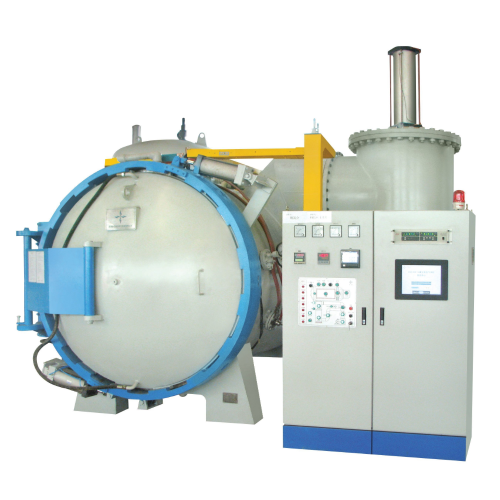
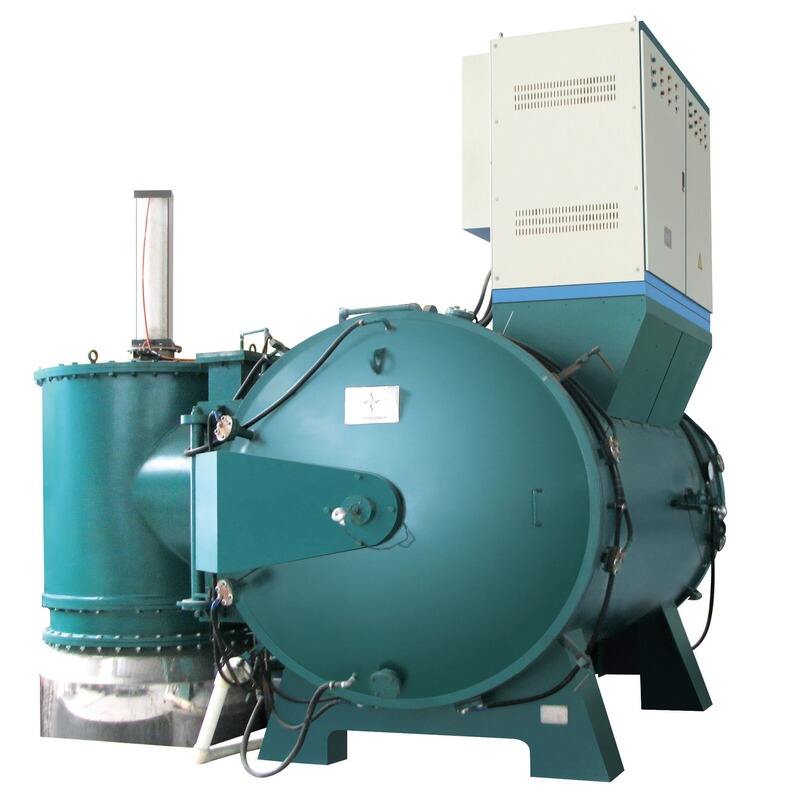
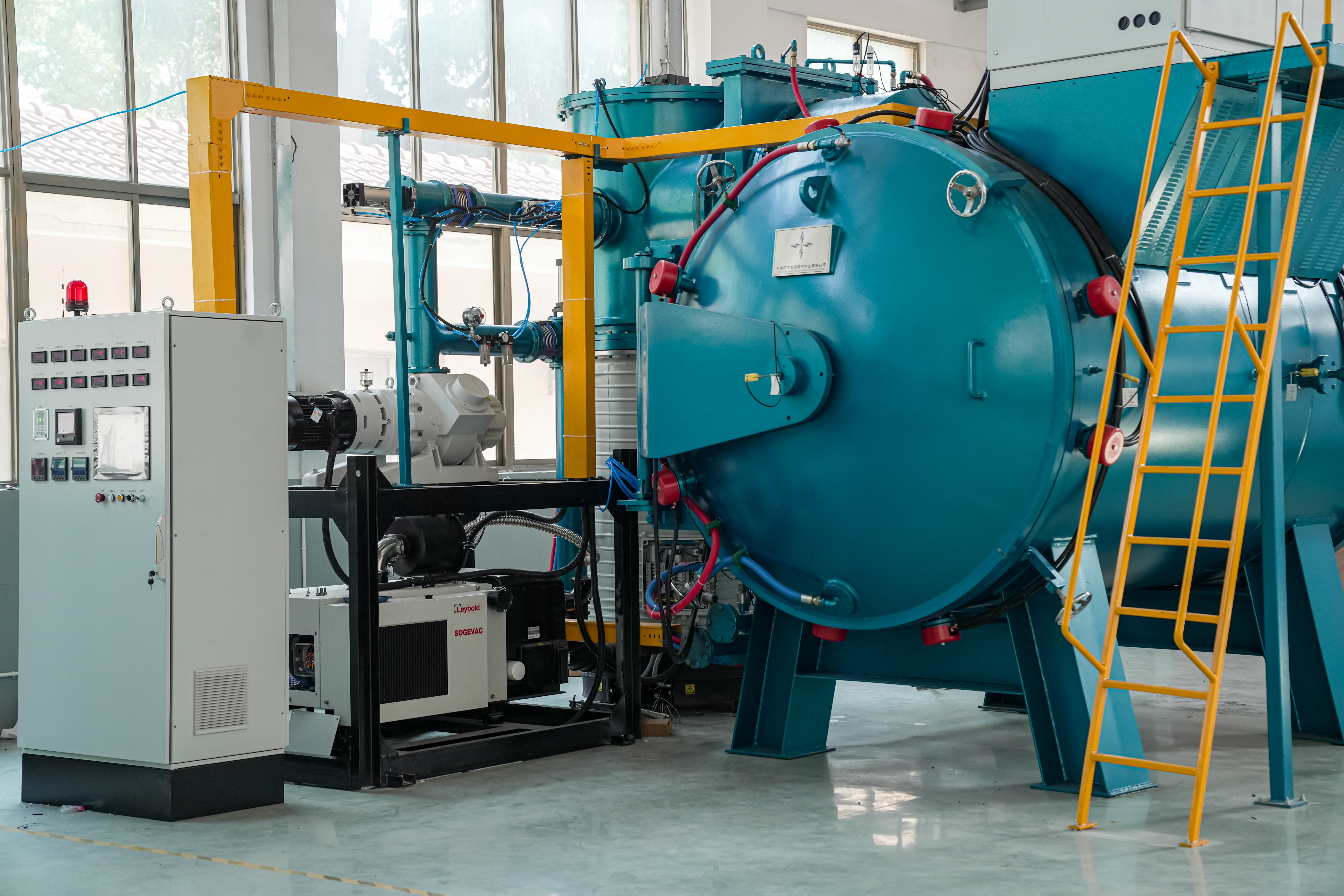
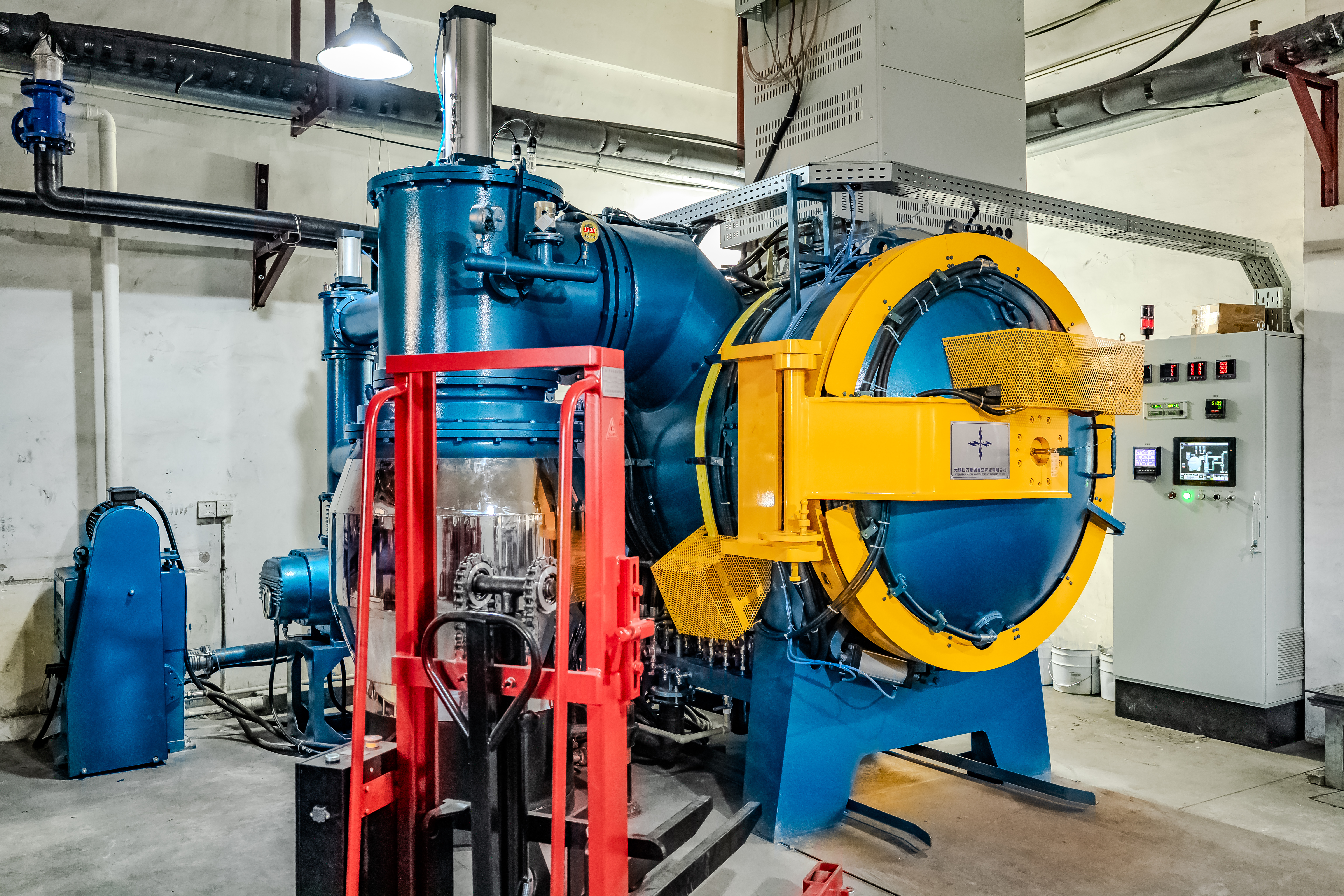
The large vacuum brazing furnace represents a sophisticated thermal processing solution designed for high-precision metal joining applications in industrial manufacturing environments. This advanced equipment operates under controlled vacuum conditions, creating an oxygen-free atmosphere that eliminates oxidation during the brazing process. The large vacuum brazing furnace utilizes specialized heating elements and temperature control systems to achieve uniform heat distribution across substantial work zones, accommodating sizeable components and batch processing requirements. The primary function involves heating metal assemblies to precise temperatures while maintaining vacuum levels that ensure clean, strong joints without flux contamination. The technological framework incorporates advanced pumping systems, including rotary vane pumps and turbomolecular pumps, which achieve vacuum levels ranging from 10^-3 to 10^-6 torr. Temperature capabilities typically extend from ambient conditions to 1200°C or higher, depending on specific model configurations. The large vacuum brazing furnace features programmable control systems that manage heating rates, hold times, and cooling cycles with exceptional accuracy. Multiple heating zones allow for gradient temperature profiles, essential for complex assemblies with varying thermal requirements. Applications span aerospace manufacturing, where critical components like heat exchangers, turbine blades, and structural assemblies require superior joint integrity. Automotive industries utilize these furnaces for transmission components, radiators, and exhaust systems. Electronics manufacturing benefits from precise brazing of heat sinks, semiconductor packages, and cooling systems. Medical device production employs large vacuum brazing furnaces for surgical instruments and implantable devices requiring biocompatible joints. The equipment accommodates various brazing alloys, including silver-based, copper-based, and specialized high-temperature alloys. Load capacities range from hundreds to thousands of pounds, supporting both prototype development and production-scale manufacturing. Safety features include emergency shutdown systems, over-temperature protection, and comprehensive monitoring capabilities that ensure operator security and equipment longevity throughout operational cycles.


New Products

The large vacuum brazing furnace delivers exceptional benefits that transform manufacturing processes and enhance product quality across multiple industries. Superior joint integrity stands as the most significant advantage, as the vacuum environment eliminates atmospheric contamination that typically weakens brazed connections. Without oxygen present, metal surfaces remain clean and receptive to brazing alloy flow, resulting in joints that often exceed the strength of base materials themselves. This clean environment eliminates the need for chemical fluxes, reducing material costs and eliminating post-process cleaning operations that consume time and resources. Production efficiency increases dramatically through batch processing capabilities, allowing manufacturers to braze multiple components simultaneously within the large vacuum brazing furnace chamber. This approach reduces per-unit processing time and energy consumption compared to individual part processing methods. The controlled atmosphere ensures consistent results across entire batches, minimizing quality variations that plague conventional brazing techniques. Temperature uniformity throughout the large work zone eliminates hot spots and cold zones that create inconsistent joint formation. Precise temperature control enables optimal brazing alloy flow characteristics, ensuring complete penetration and gap filling for complex geometries. The vacuum environment allows brazing of reactive metals like titanium and aluminum alloys that readily oxidize in atmospheric conditions, expanding material compatibility beyond traditional limitations. Energy efficiency benefits emerge from superior insulation systems and controlled heating profiles that minimize heat loss and reduce operational costs. The large vacuum brazing furnace operates with programmable cycles that optimize energy usage based on load characteristics and production requirements. Reduced distortion occurs because vacuum brazing operates at lower temperatures than welding processes while maintaining controlled heating rates that minimize thermal stress. This precision control preserves dimensional accuracy in precision components where tolerances are critical. Environmental benefits include elimination of flux residues and chemical emissions associated with conventional brazing methods. The closed-system operation contains all processing byproducts, supporting sustainable manufacturing practices. Long-term reliability results from robust construction and advanced control systems that provide consistent performance over extended operational periods. Maintenance requirements remain minimal due to the clean operating environment that prevents contamination buildup on internal components. Investment returns accelerate through improved product quality, reduced scrap rates, and enhanced production throughput that directly impact profitability metrics.

Latest News

What Makes a Metal Barrel Suitable for High-Temperature Applications?

26

Dec

What Makes a Metal Barrel Suitable for High-Temperature Applications?

Industrial applications requiring extreme heat resistance demand specialized equipment that can withstand temperatures often exceeding 1000°C. Metal barrels and chambers used in these high-temperature environments must possess exceptional thermal...
View More
Why Is Metal Barrel Corrosion Protection Important for Industrial Use?

26

Dec

Why Is Metal Barrel Corrosion Protection Important for Industrial Use?

Industrial operations across manufacturing, chemical processing, and petroleum sectors rely heavily on metal barrels for storage and transportation of various materials. These containers face constant exposure to corrosive elements that can compromis...
View More
How Does a Stainless Steel Drum Support Long-Term Material Storage?

25

Feb

How Does a Stainless Steel Drum Support Long-Term Material Storage?

Industrial material storage presents complex challenges that require robust, reliable solutions capable of maintaining product integrity over extended periods. A stainless steel drum serves as an exceptional storage vessel, offering unparalleled prot...
View More
How Does a Vacuum Brazing Furnace Improve the Strength of Metal Joints?

25

Feb

How Does a Vacuum Brazing Furnace Improve the Strength of Metal Joints?

Metal joining technologies have evolved significantly over the decades, with brazing standing out as one of the most reliable methods for creating strong, permanent connections between dissimilar materials. The advent of vacuum brazing furnace techno...
View More

Get a Free Quote

Our representative will contact you soon.
Email
Name
Company Name
Message
0/1000

large vacuum brazing furnace

Advanced Vacuum Technology Integration

Advanced Vacuum Technology Integration

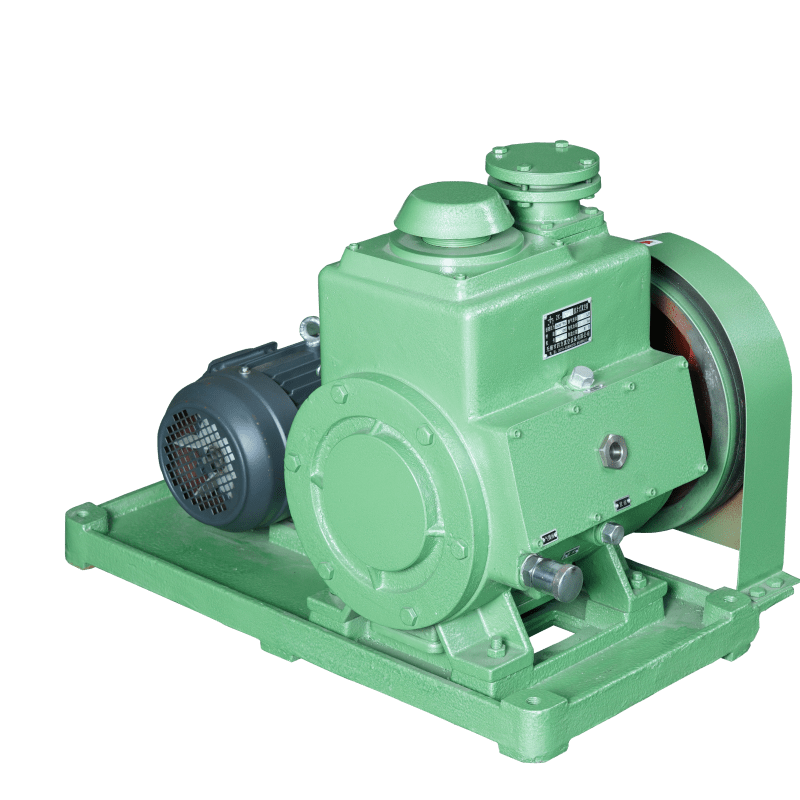
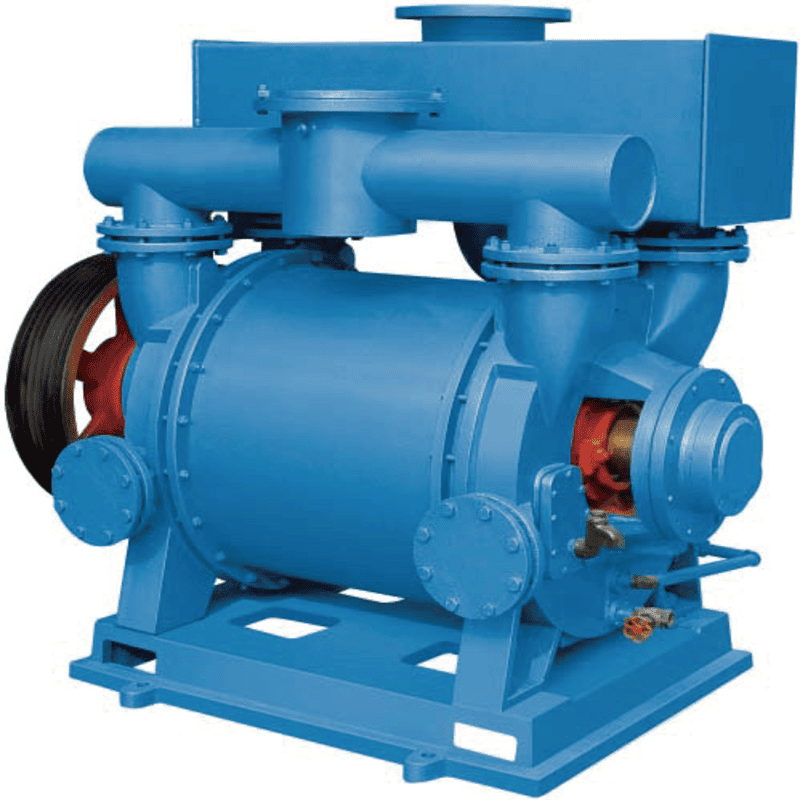
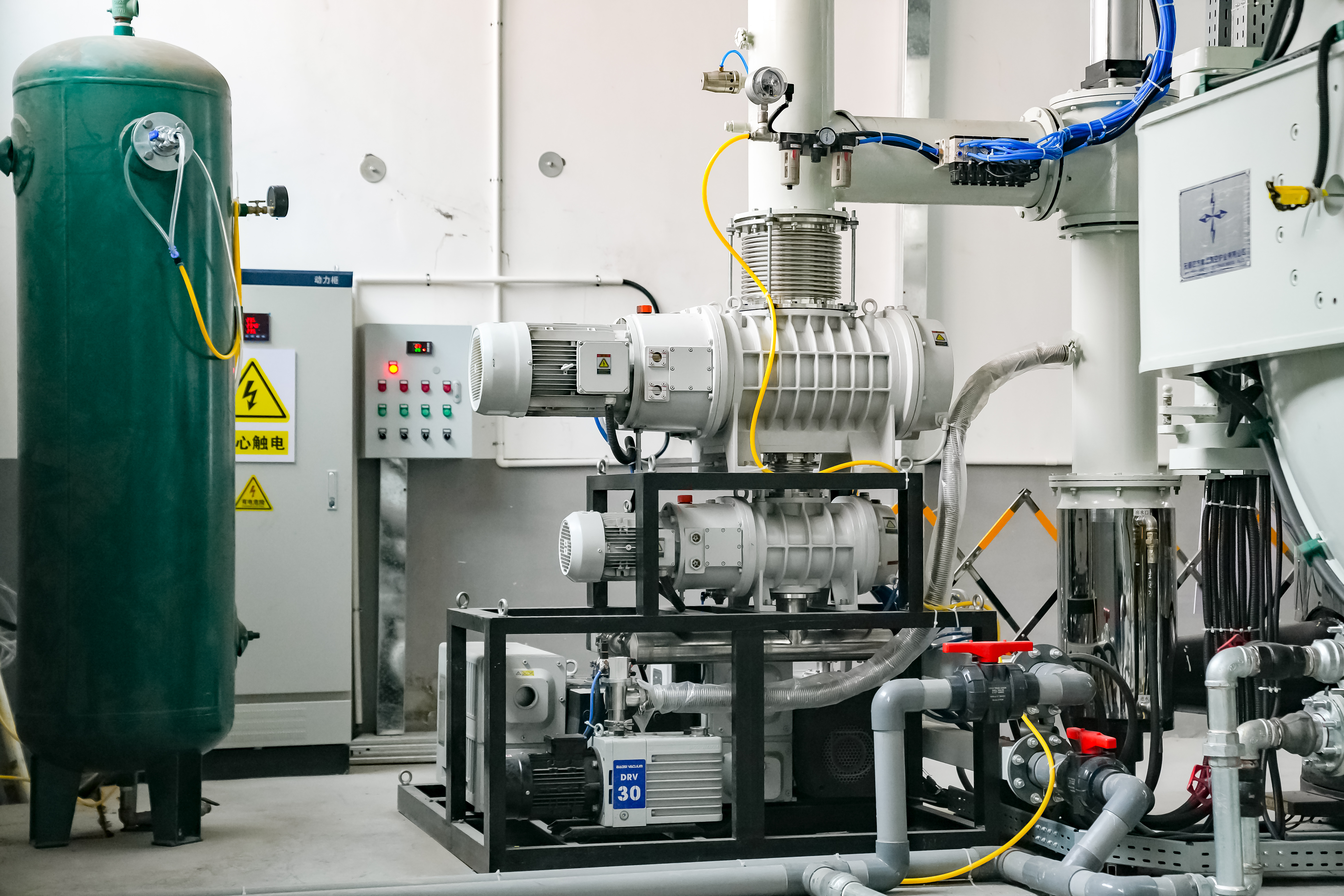
The large vacuum brazing furnace incorporates cutting-edge vacuum technology that revolutionizes metal joining processes through precise atmospheric control and contamination elimination. This sophisticated system employs multi-stage pumping configurations combining mechanical roughing pumps, roots blowers, and high-vacuum pumps to achieve ultimate vacuum levels below 10^-5 torr consistently. The vacuum technology creates an absolutely clean processing environment that prevents oxidation, decarburization, and contamination during critical brazing operations. Advanced leak detection systems continuously monitor chamber integrity, ensuring vacuum levels remain stable throughout processing cycles. The large vacuum brazing furnace features rapid pump-down capabilities that minimize cycle times while maintaining thorough degassing of workpieces and fixturing components. Vacuum level monitoring provides real-time feedback to control systems, enabling automatic adjustments that maintain optimal processing conditions regardless of load variations or chamber conditions. The technology eliminates atmospheric gases that typically interfere with brazing alloy wetting characteristics, ensuring complete joint formation even in complex geometries with restricted access areas. Partial pressure control allows introduction of controlled atmospheres when specific metallurgical requirements demand protective gases during processing. The vacuum system design incorporates redundant pumping capacity that ensures continued operation even during maintenance periods on individual pump components. Cold trap systems capture volatile contaminants and moisture, preventing recontamination of processed components during cooling cycles. The advanced vacuum technology enables processing of exotic materials including superalloys, refractory metals, and reactive materials that cannot be successfully brazed in conventional atmospheric furnaces. Vacuum level programming allows customized processing profiles that optimize joint formation for specific material combinations and component geometries. The large vacuum brazing furnace vacuum technology reduces processing temperatures compared to atmospheric methods while achieving superior joint properties, minimizing thermal distortion in precision components. This technology integration represents a fundamental advantage in modern manufacturing, enabling production of components with unprecedented quality levels and material property optimization that directly translates to enhanced product performance and reliability in demanding applications.
Precision Temperature Control System

Precision Temperature Control System

The precision temperature control system within the large vacuum brazing furnace delivers unparalleled thermal management capabilities that ensure optimal brazing conditions across extensive work zones. This advanced control architecture employs multiple thermocouples strategically positioned throughout the heating chamber to monitor temperature distribution with exceptional accuracy. The system utilizes sophisticated algorithms that compensate for thermal variations, load configurations, and heating element aging to maintain temperature uniformity within ±5°C across the entire processing volume. Programmable temperature profiles accommodate complex brazing cycles with multiple heating rates, hold periods, and controlled cooling sequences that optimize metallurgical outcomes for diverse material combinations. The large vacuum brazing furnace control system features zone-based heating that allows independent temperature management in different chamber regions, enabling gradient processing for components with varying thermal requirements. Advanced PID controllers continuously adjust heating element output based on real-time thermal feedback, preventing temperature overshoot that could damage sensitive components or compromise joint integrity. The system incorporates predictive heating algorithms that anticipate thermal responses based on load characteristics, chamber conditions, and historical processing data. Safety interlocks prevent operation outside predetermined temperature ranges while emergency shutdown capabilities protect equipment and workpieces from thermal damage during anomalous conditions. Data logging functions record complete thermal histories for quality assurance documentation and process optimization analysis. The precision control system enables brazing of temperature-sensitive assemblies where narrow processing windows demand exceptional thermal management. Multi-point temperature monitoring ensures uniform heating of large components that traditionally suffer from thermal gradients in conventional furnaces. The large vacuum brazing furnace temperature control integrates with vacuum monitoring systems to optimize processing parameters based on chamber conditions and material outgassing characteristics. Cooling rate control prevents thermal shock while managing metallurgical transformations that occur during temperature reduction phases. The system accommodates various brazing alloy types with customized thermal profiles that maximize wetting characteristics and joint formation quality. Remote monitoring capabilities allow process supervision from control rooms, enhancing operational flexibility while maintaining precise thermal management. This sophisticated temperature control system represents a critical differentiator that enables consistent production of high-quality brazed assemblies meeting stringent aerospace, automotive, and electronics industry requirements.
Large-Scale Production Capabilities

Large-Scale Production Capabilities

The large-scale production capabilities of the large vacuum brazing furnace transform manufacturing efficiency through substantial work zone volumes and advanced batch processing features that accommodate high-volume production requirements. These systems typically offer chamber volumes ranging from several cubic feet to room-sized processing areas, enabling simultaneous brazing of multiple large components or hundreds of smaller parts in single processing cycles. The expansive work zone design incorporates sophisticated fixturing systems that maximize loading density while ensuring uniform heat distribution and vacuum access throughout component assemblies. Heavy-duty construction supports substantial load weights, often exceeding several tons, making the large vacuum brazing furnace suitable for aerospace structural components, large heat exchangers, and automotive assemblies that demand high-volume production capabilities. Advanced loading systems including overhead cranes, roller conveyors, and automated transfer mechanisms streamline material handling operations while reducing cycle times between batches. The large processing volume enables complex assembly brazing where multiple joints require simultaneous formation, eliminating sequential processing steps that increase production time and costs. Flexible fixturing arrangements accommodate diverse component geometries within single batches, maximizing equipment utilization and reducing per-part processing costs through economies of scale. The large vacuum brazing furnace production capabilities include programmable processing sequences that optimize cycle times based on load characteristics, material types, and quality requirements. Multiple heating zones within the expansive chamber allow concurrent processing of different component types requiring varying thermal profiles, further enhancing production flexibility. Advanced monitoring systems track individual component locations and processing histories, ensuring traceability and quality control in high-volume production environments. The substantial thermal mass of large-scale systems provides excellent temperature stability during processing, minimizing thermal variations that could compromise joint quality in production batches. Energy efficiency optimizations include thermal recovery systems that capture waste heat for preheating incoming loads or facility heating applications. The large vacuum brazing furnace design accommodates continuous operation schedules with rapid cool-down capabilities that minimize turnaround times between production batches. Maintenance access features enable routine servicing without extended downtime, supporting continuous production schedules demanded by high-volume manufacturing operations. Quality consistency across large batches results from uniform processing conditions throughout the expansive work zone, reducing quality variations that require secondary operations or component rejection in production environments.

Get a Free Quote

Our representative will contact you soon.
Email
Name
Company Name
Message
0/1000