Versatile Applications and Material Compatibility
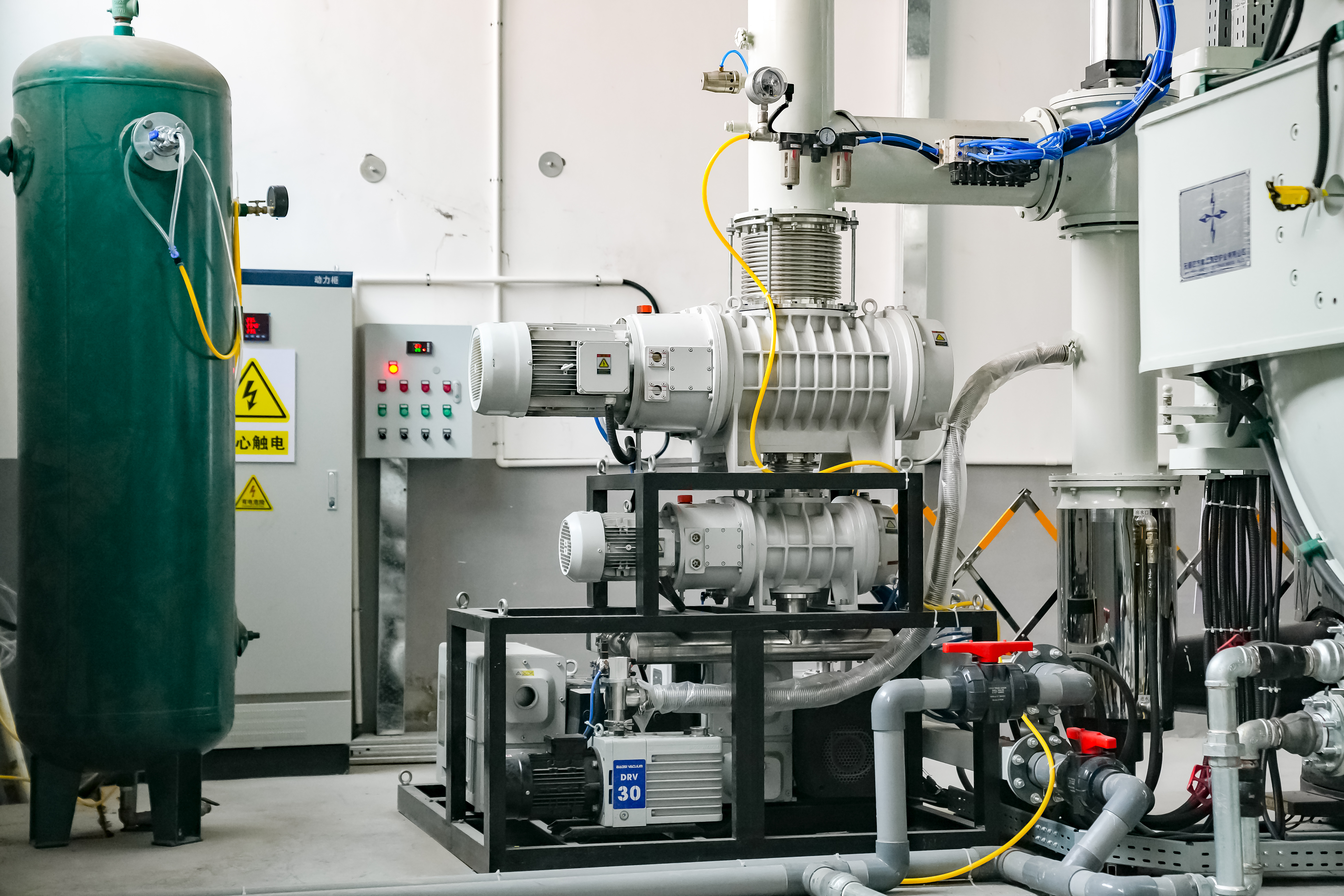
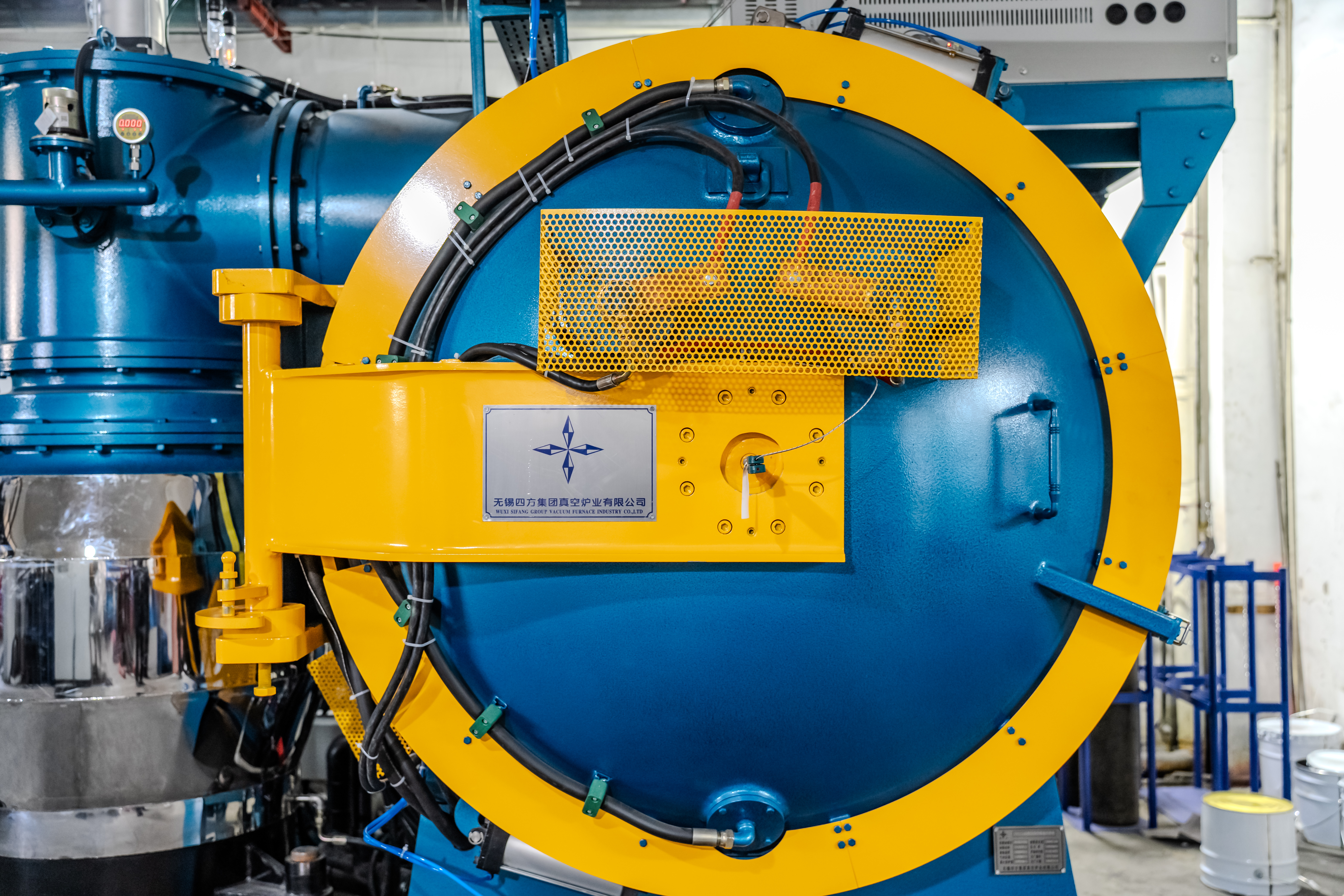
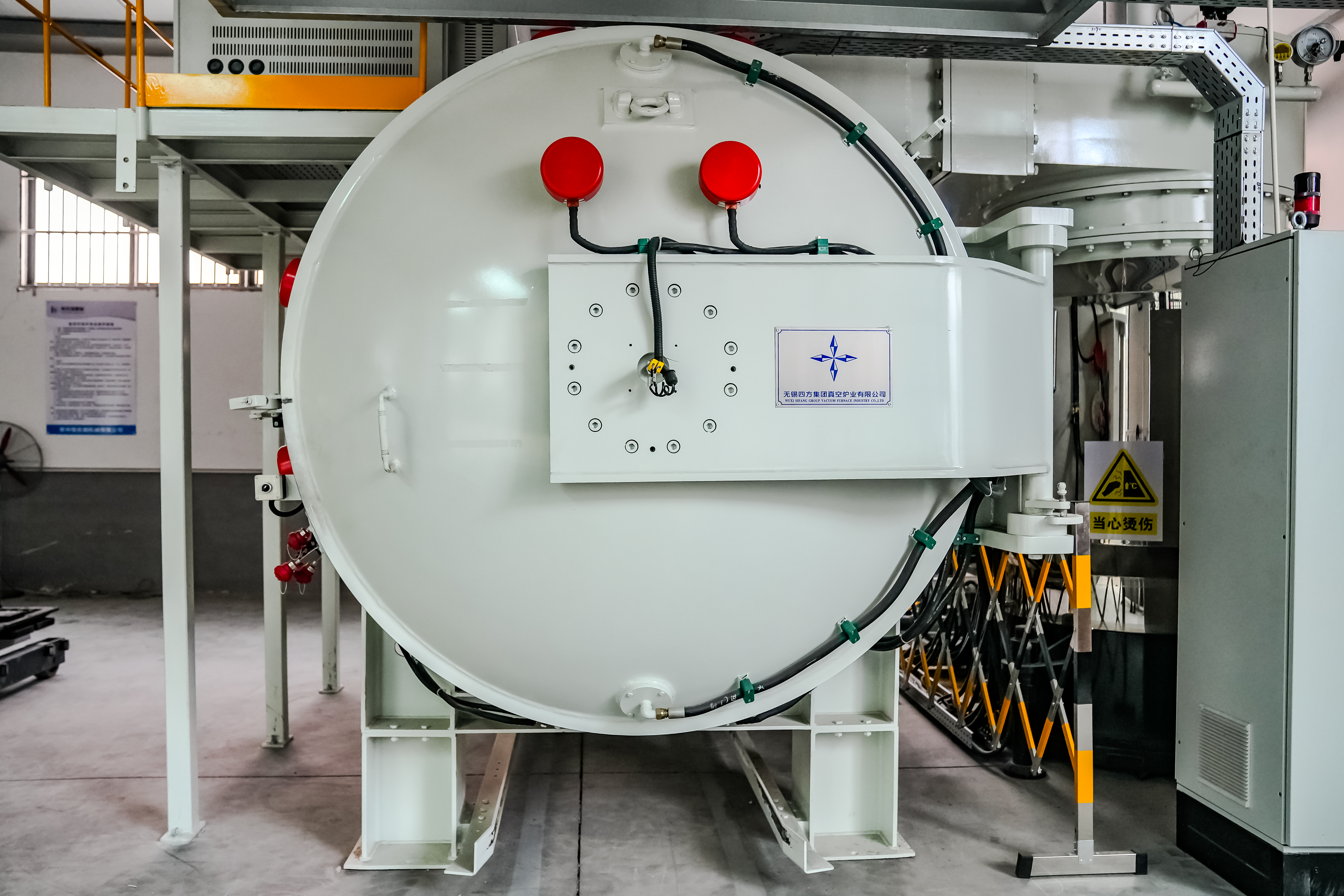
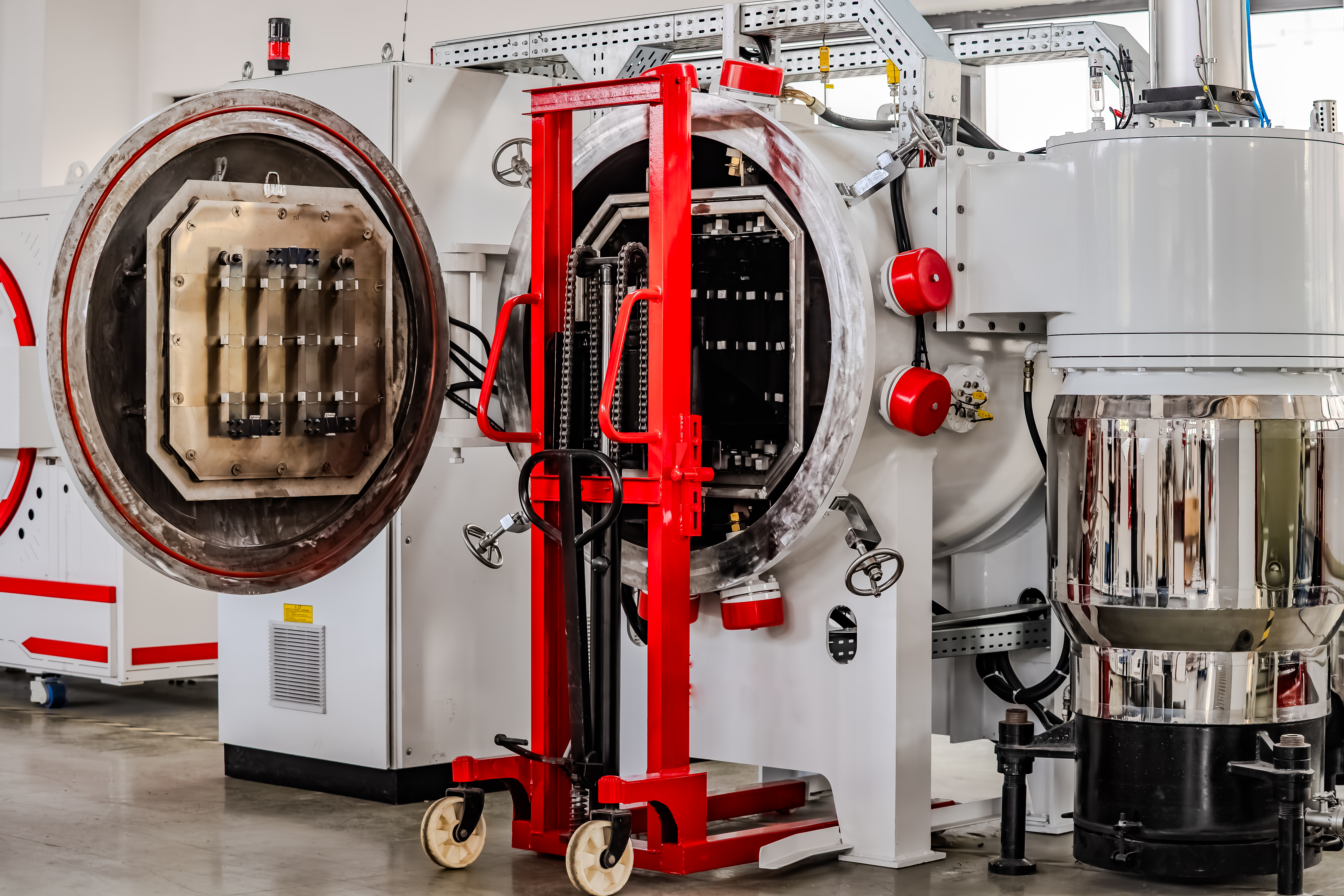
The durable vacuum brazing furnace demonstrates remarkable versatility in accommodating diverse materials, component geometries, and manufacturing requirements across multiple industries. This adaptability stems from the controlled vacuum environment and flexible heating configurations that enable successful brazing of material combinations impossible with conventional atmospheric methods. Aerospace manufacturers rely on the durable vacuum brazing furnace for creating critical assemblies such as heat exchangers, fuel system components, and structural joints where weight reduction and reliability are paramount. The process successfully joins aluminum alloys, stainless steels, titanium, and superalloys without compromising material properties or introducing contamination. Electronics industry applications include hermetic packaging for sensitive components, heat sink assemblies, and microwave devices where electrical performance depends on precise metallurgical bonding. The furnace accommodates delicate electronic substrates and thin-film coatings that would be damaged by flux residues or atmospheric contamination. Automotive applications encompass turbocharger assemblies, exhaust system components, and electric vehicle battery cooling systems where durability and leak-tight performance are essential. Medical device manufacturing utilizes the durable vacuum brazing furnace for surgical instruments, implantable components, and diagnostic equipment where biocompatibility and cleanliness requirements are stringent. The process creates smooth, crevice-free surfaces that resist bacterial adhesion and facilitate sterilization procedures. Industrial heat exchanger production benefits from the ability to create leak-tight joints in complex fin-and-tube assemblies without flux contamination that could impede heat transfer efficiency. The durable vacuum brazing furnace supports various filler metal systems, including silver-based, copper-based, nickel-based, and aluminum-based alloys, enabling optimization for specific service conditions and material combinations. Fixture design flexibility accommodates components ranging from small precision parts to large assemblies, with custom tooling solutions available for unique geometries. The process handles both thin-section components requiring gentle heating and massive assemblies needing extended soak times for thermal equilibrium.

 EN
EN