Industrial Filtration Unit with Vacuum Pump - Enhanced Separation Solutions

All Categories

Get a Free Quote

Our representative will contact you soon.
Email
Name
Company Name
Message
0/1000

filtration unit with vacuum pump

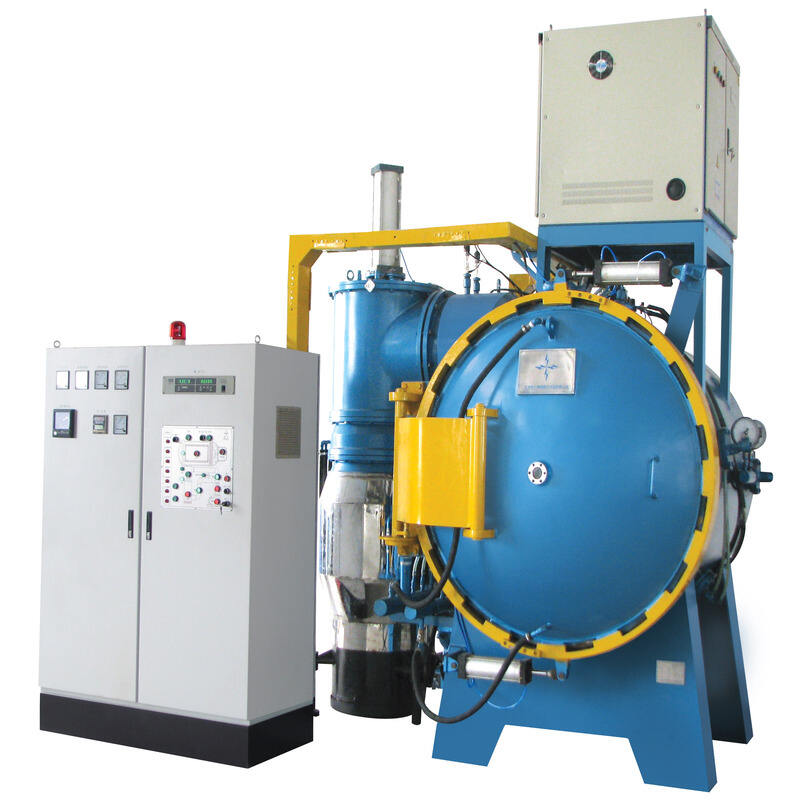
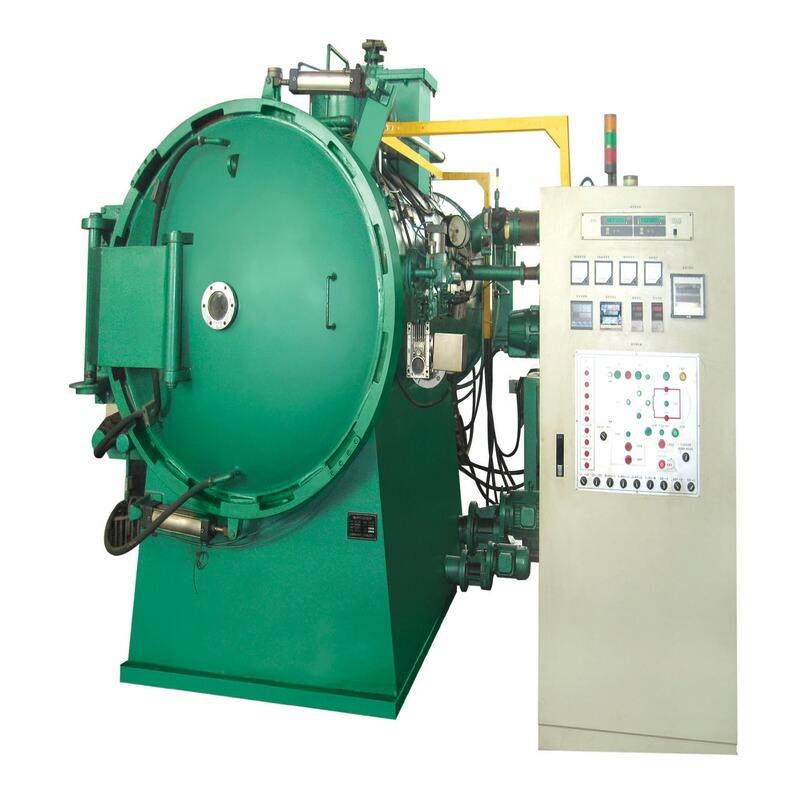
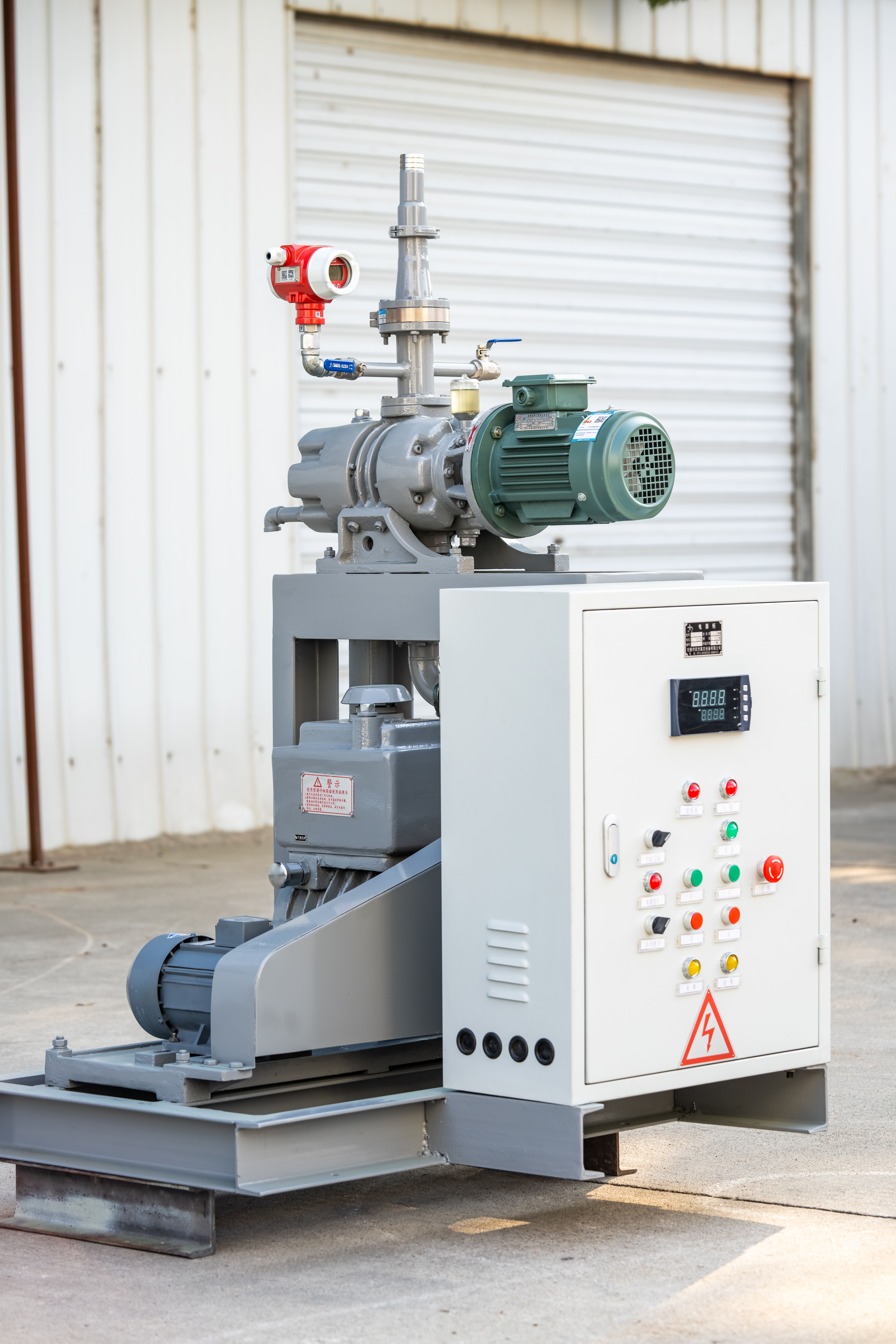
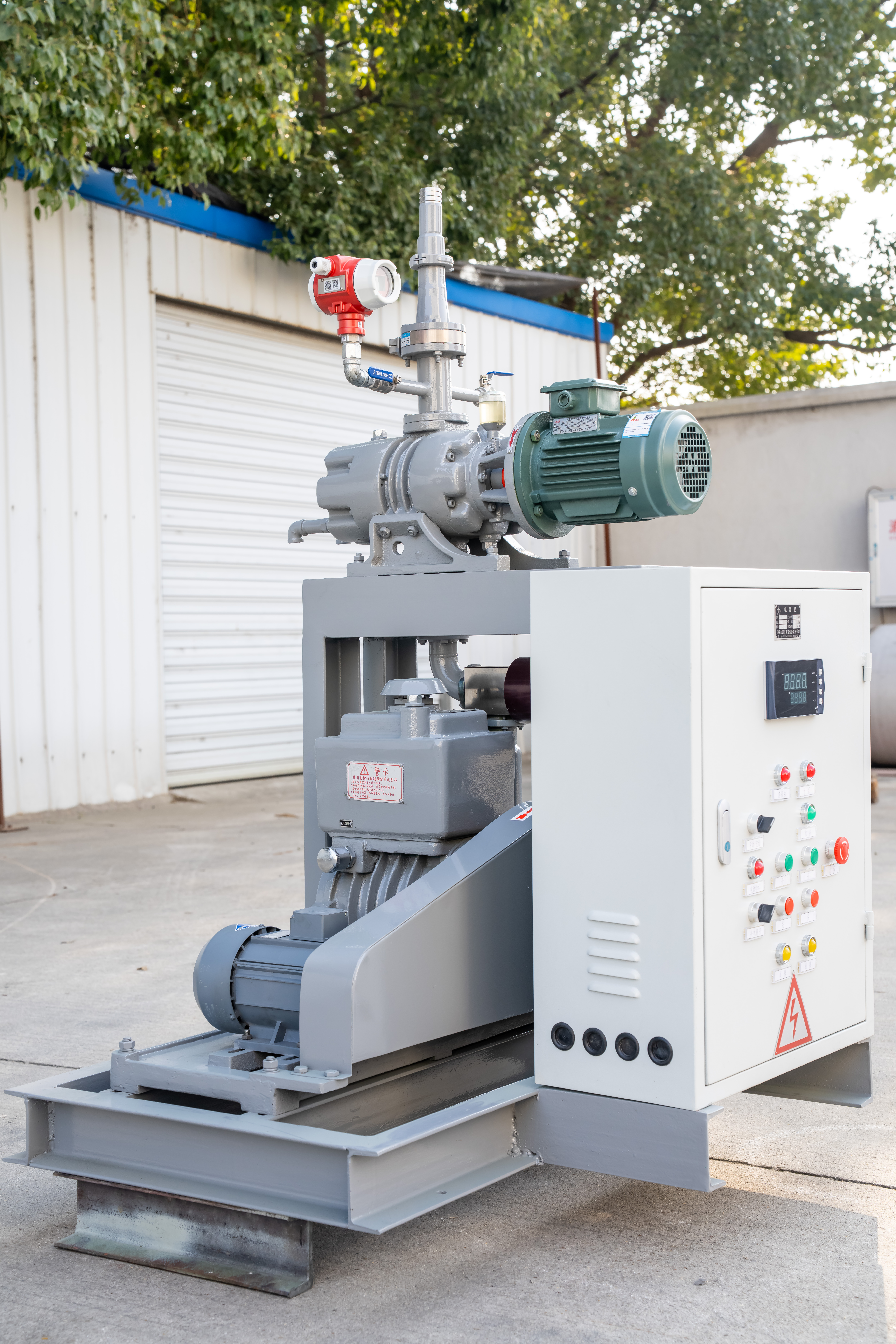
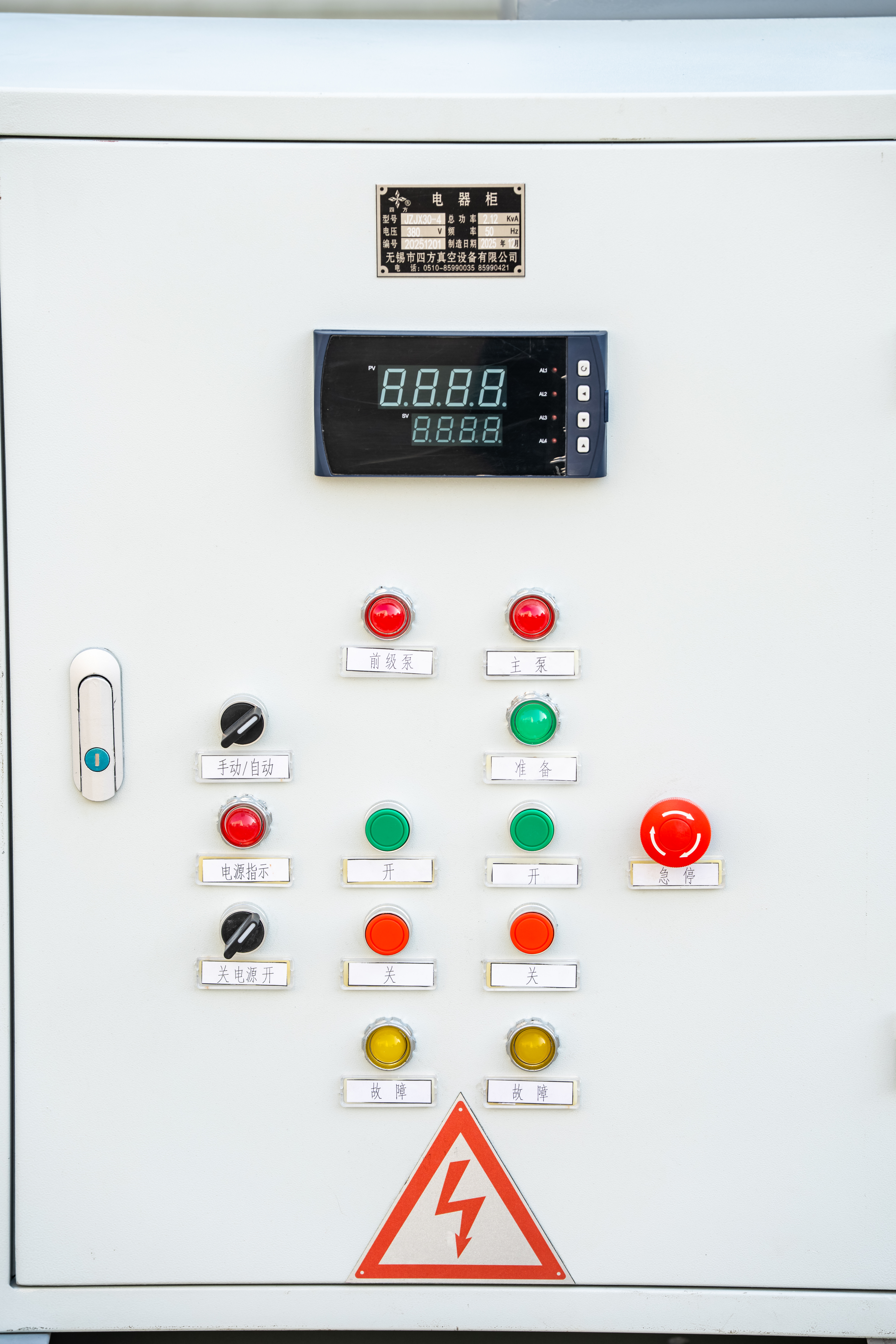
A filtration unit with vacuum pump represents an advanced solution designed to enhance liquid and gas separation processes across numerous industrial applications. This sophisticated equipment combines traditional filtration mechanisms with powerful vacuum technology to create an efficient, reliable system that dramatically improves filtration performance. The primary function of a filtration unit with vacuum pump involves removing unwanted particles, contaminants, and impurities from various substances through enhanced suction force that accelerates the separation process. The vacuum pump component generates negative pressure within the filtration chamber, creating a pressure differential that forces liquids through filtration media while retaining solid particles on the filter surface. This technology proves particularly effective for applications requiring rapid processing times and superior filtration quality. Modern filtration units with vacuum pumps incorporate multiple technological features including adjustable vacuum levels, automated control systems, and high-capacity filtration chambers. The equipment typically includes stainless steel construction for durability and chemical resistance, precision-engineered vacuum pumps for consistent performance, and interchangeable filter elements to accommodate different particle sizes and filtration requirements. Advanced models feature digital monitoring systems that track vacuum pressure, flow rates, and filter condition in real-time. These systems find extensive applications across pharmaceutical manufacturing, chemical processing, food and beverage production, wastewater treatment, and laboratory research environments. In pharmaceutical applications, the filtration unit with vacuum pump ensures sterile processing conditions while maintaining product purity standards. Chemical industries utilize these systems for solvent recovery, catalyst separation, and reaction mixture purification. The food industry benefits from efficient clarification processes, while environmental applications include groundwater remediation and industrial effluent treatment. The versatility of filtration units with vacuum pumps makes them indispensable for operations requiring consistent, high-quality separation results with minimal manual intervention and maximum operational efficiency.


New Product Releases

The filtration unit with vacuum pump offers numerous practical benefits that directly impact operational efficiency and cost-effectiveness for businesses across various industries. First, these systems significantly reduce processing time compared to gravity-fed filtration methods. The vacuum assistance accelerates fluid flow through filter media, enabling faster batch processing and increased throughput. This time savings translates directly into higher productivity and reduced labor costs, allowing operations to handle larger volumes without proportional increases in staffing or processing time. The enhanced separation efficiency represents another major advantage of the filtration unit with vacuum pump. The negative pressure created by the vacuum pump ensures complete liquid extraction from solid residues, maximizing yield recovery and minimizing product waste. This improved efficiency proves particularly valuable in industries where raw materials are expensive or where product loss represents significant financial impact. Users typically observe 15-25% improvement in separation efficiency compared to conventional filtration methods. Operating flexibility stands out as a key benefit, as the filtration unit with vacuum pump accommodates various liquid viscosities, particle sizes, and processing conditions. The adjustable vacuum settings allow operators to optimize performance for specific applications, ensuring consistent results regardless of material properties or environmental conditions. This adaptability eliminates the need for multiple specialized filtration systems, reducing equipment investment and maintenance complexity. The automated operation capabilities of modern filtration units with vacuum pumps reduce manual labor requirements and minimize human error potential. Digital control systems monitor critical parameters automatically, alerting operators to maintenance needs and process deviations. This automation enhances workplace safety by reducing direct contact with potentially hazardous materials while ensuring consistent processing quality. Energy efficiency represents another significant advantage, as the vacuum pump optimizes power consumption based on actual filtration demands. Variable speed drives and intelligent control systems adjust pump operation to match processing requirements, reducing unnecessary energy consumption during low-demand periods. The closed-system design of filtration units with vacuum pumps prevents contamination and reduces environmental impact by containing processed materials within sealed chambers. This containment feature proves essential for applications involving hazardous substances or sterile processing requirements, ensuring regulatory compliance and workplace safety standards are maintained throughout operation.

Tips And Tricks

Why Do Inner Coating Steel Drums Provide Better Protection for Sensitive Materials?

23

Jan

Why Do Inner Coating Steel Drums Provide Better Protection for Sensitive Materials?

The protection of sensitive materials during storage and transportation has become increasingly critical in today's industrial landscape. Industries handling chemicals, pharmaceuticals, and specialty materials require containers that offer superior p...
View More
Why Are Composite Drums Becoming a Preferred Choice in Hazardous Material Packaging?

23

Jan

Why Are Composite Drums Becoming a Preferred Choice in Hazardous Material Packaging?

The industrial packaging landscape has undergone significant transformation in recent years, with manufacturers increasingly seeking alternatives to traditional steel and plastic containers. Among the most notable innovations are composite drums, whi...
View More
How Do Intermediate & Bulk Container Solutions Improve Industrial Storage Efficiency?

25

Feb

How Do Intermediate & Bulk Container Solutions Improve Industrial Storage Efficiency?

Industrial storage efficiency has become a critical factor in modern supply chain management, with businesses constantly seeking solutions that maximize space utilization while minimizing operational costs. The intermediate & bulk container has emerg...
View More
How Does a Vacuum Heat Treatment Furnace Improve Mechanical Properties of Alloys?

25

Feb

How Does a Vacuum Heat Treatment Furnace Improve Mechanical Properties of Alloys?

Modern manufacturing industries rely heavily on advanced heat treatment processes to enhance the mechanical properties of metallic alloys. A vacuum heat treatment furnace represents one of the most sophisticated approaches to achieving superior mater...
View More

Get a Free Quote

Our representative will contact you soon.
Email
Name
Company Name
Message
0/1000

filtration unit with vacuum pump

Advanced Vacuum Technology for Superior Performance

Advanced Vacuum Technology for Superior Performance

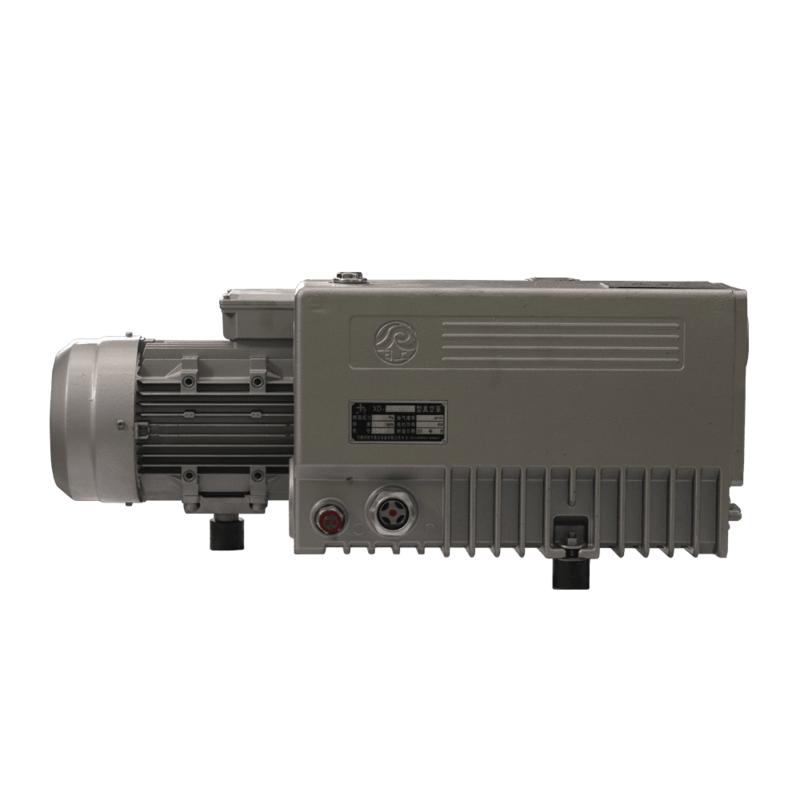
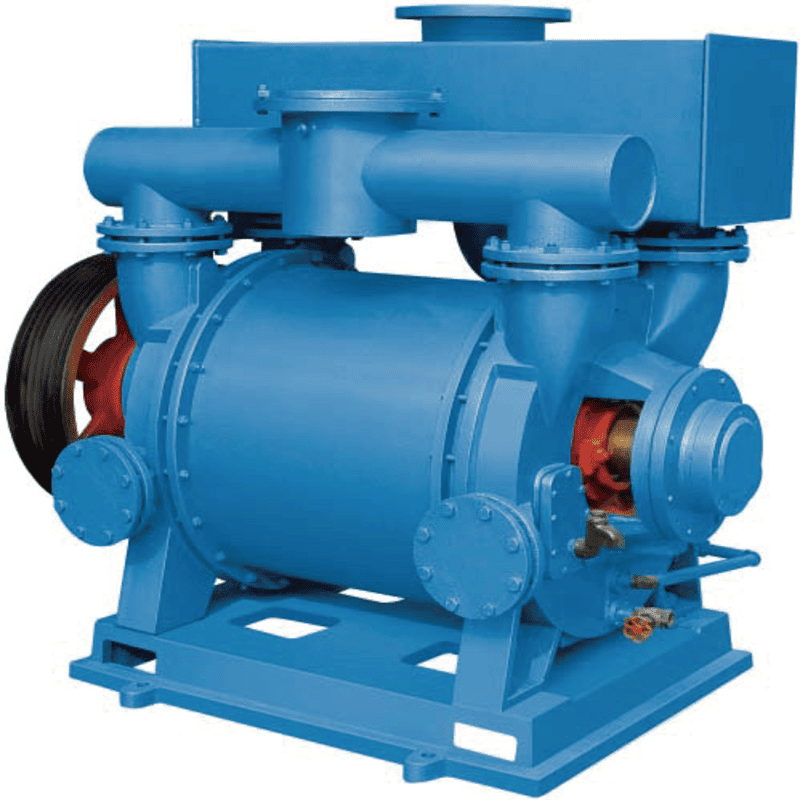
The heart of any filtration unit with vacuum pump lies in its sophisticated vacuum technology that revolutionizes traditional separation processes. This advanced system creates controlled negative pressure environments that dramatically enhance filtration efficiency and processing speed. Unlike conventional gravity-based filtration methods, the vacuum-assisted approach generates powerful suction forces that actively draw liquids through filter media while maintaining optimal pressure differentials throughout the filtration cycle. The vacuum pump component utilizes precision-engineered mechanisms including rotary vane, diaphragm, or liquid ring technologies, each selected based on specific application requirements and performance criteria. These pumps maintain consistent vacuum levels ranging from light vacuum conditions for delicate materials to deep vacuum applications for challenging separation tasks. The intelligent control systems monitor vacuum pressure continuously, automatically adjusting pump operation to maintain optimal conditions regardless of filter loading or material viscosity changes. This dynamic response capability ensures consistent performance throughout extended processing cycles, preventing common issues like filter breakthrough or incomplete separation that plague traditional filtration methods. The vacuum technology also enables the filtration unit with vacuum pump to handle materials with varying physical properties, from low-viscosity solvents to thick slurries containing high solid concentrations. The controlled vacuum environment prevents oxidation and contamination risks associated with open filtration systems, maintaining product integrity throughout processing. Advanced models incorporate variable frequency drives that optimize pump speed based on real-time filtration demands, reducing energy consumption while maximizing performance efficiency. The vacuum system design includes safety features such as automatic shutdown capabilities, pressure relief valves, and emergency venting systems that protect equipment and personnel from potential hazards. This comprehensive approach to vacuum technology ensures that the filtration unit with vacuum pump delivers reliable, consistent results while maintaining the highest safety standards in demanding industrial environments.
Versatile Applications Across Multiple Industries

Versatile Applications Across Multiple Industries

The filtration unit with vacuum pump demonstrates remarkable versatility across diverse industrial sectors, adapting seamlessly to various processing requirements and material characteristics. In pharmaceutical manufacturing, these systems excel at sterile filtration processes, removing bacteria, particles, and other contaminants from drug formulations while maintaining strict regulatory compliance standards. The closed-system design prevents cross-contamination risks, while the vacuum assistance ensures complete product recovery, critical for expensive active pharmaceutical ingredients. Chemical processing industries rely on filtration units with vacuum pumps for catalyst recovery, solvent purification, and reaction mixture separation. The equipment handles aggressive chemicals safely within sealed chambers, protecting both personnel and environment from potentially hazardous substances. The ability to process materials at various temperatures and pressures makes these systems invaluable for complex chemical manufacturing processes requiring precise control conditions. Food and beverage industries utilize the filtration unit with vacuum pump for clarification, dewatering, and purification applications. Wine and juice producers benefit from enhanced clarification processes that remove suspended particles while preserving flavor compounds and nutritional content. Dairy operations use these systems for whey processing and protein separation, maximizing product yield while maintaining quality standards. The sanitary design features ensure food safety compliance throughout processing cycles. Environmental applications showcase the adaptability of filtration units with vacuum pumps in groundwater remediation, industrial wastewater treatment, and soil decontamination projects. These systems effectively separate contaminants from water supplies, enabling environmental restoration efforts and regulatory compliance. Mining operations employ these filtration systems for tailings dewatering, concentrate processing, and water recycling applications. The robust construction withstands harsh operating conditions while maintaining consistent performance in challenging environments. Laboratory applications benefit from the precise control capabilities and scalable design of filtration units with vacuum pumps. Research facilities use these systems for sample preparation, analytical testing, and small-scale process development. The equipment accommodates various sample sizes and processing requirements, supporting both routine analysis and specialized research applications with equal efficiency and reliability.
Cost-Effective Operation with Long-Term Reliability

Cost-Effective Operation with Long-Term Reliability

The filtration unit with vacuum pump delivers exceptional value through cost-effective operation and long-term reliability that significantly impacts overall operational economics. The initial investment in vacuum-assisted filtration technology pays dividends through reduced processing time, improved product yield, and decreased labor requirements. The accelerated filtration process enabled by vacuum assistance allows operations to process larger volumes in shorter timeframes, effectively increasing production capacity without proportional increases in facility size or staffing levels. This enhanced throughput capability translates directly into improved return on investment and competitive advantages in time-sensitive markets. Maintenance requirements for the filtration unit with vacuum pump remain minimal due to robust engineering and high-quality component selection. The vacuum pump systems incorporate wear-resistant materials and precision manufacturing that extend service intervals and reduce replacement part frequency. Preventive maintenance programs based on operating hour schedules rather than calendar intervals optimize maintenance timing and costs. The modular design facilitates quick component replacement and system servicing, minimizing downtime and associated production losses. Automated monitoring systems provide early warning indicators for maintenance needs, preventing catastrophic failures and extending equipment lifespan. Energy efficiency represents a significant operational advantage, as modern filtration units with vacuum pumps incorporate variable speed drives and intelligent control systems that optimize power consumption based on actual processing demands. These systems automatically adjust vacuum pump operation to match filtration requirements, reducing unnecessary energy consumption during periods of reduced processing load. The resulting energy savings accumulate substantially over extended operation periods, contributing to lower operational costs and improved environmental sustainability. The closed-system design reduces product waste and contamination risks, protecting valuable materials from loss and ensuring consistent quality output. This waste reduction proves particularly valuable in industries processing expensive raw materials or producing high-value products where even small losses represent significant financial impact. The reliable operation of filtration units with vacuum pumps reduces quality control rejections and rework requirements, further enhancing operational efficiency and cost-effectiveness. Long-term reliability stems from comprehensive testing, quality engineering, and proven manufacturing processes that ensure consistent performance throughout extended service life, making these systems sound investments for sustainable business growth.

Get a Free Quote

Our representative will contact you soon.
Email
Name
Company Name
Message
0/1000