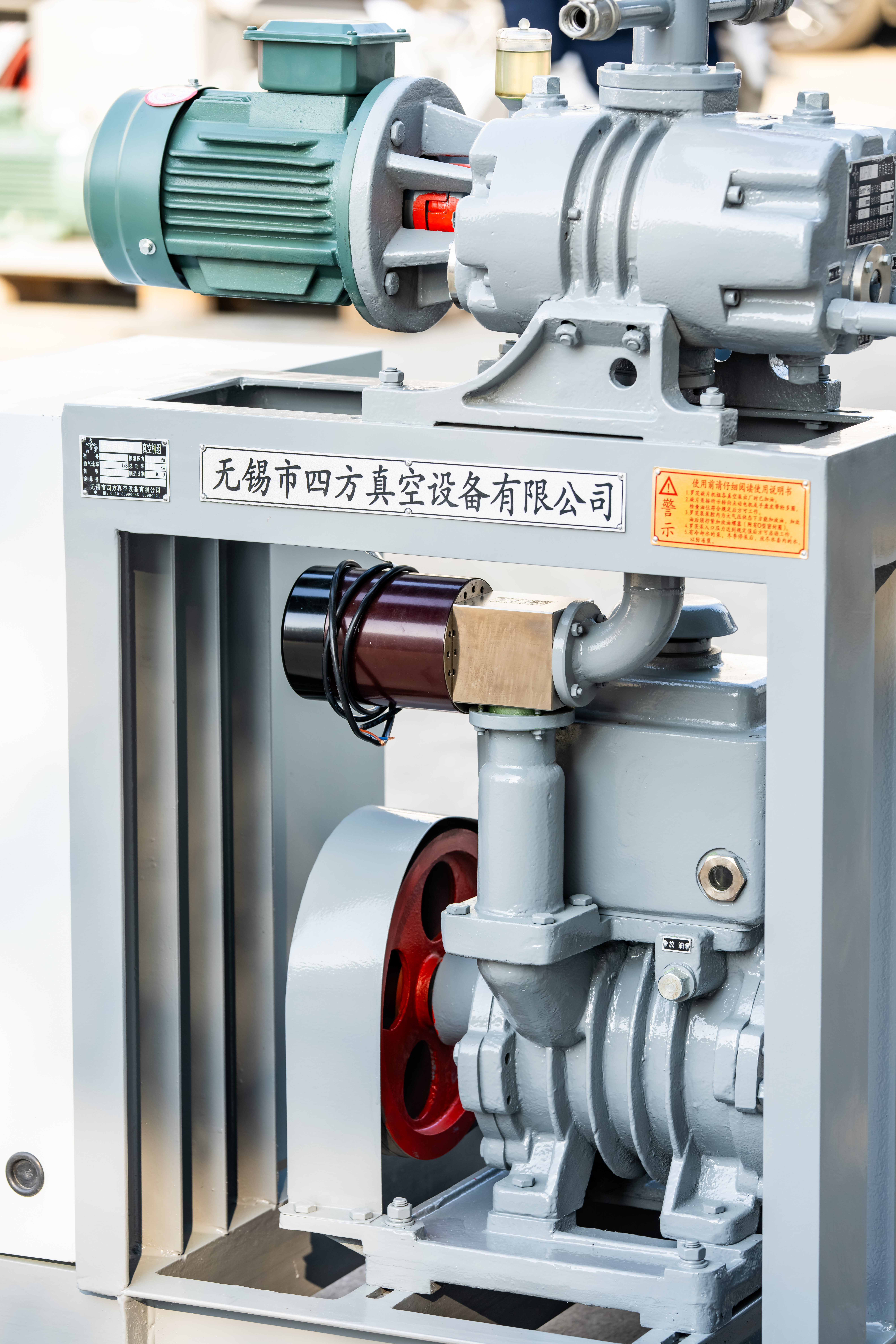
durable vacuum units
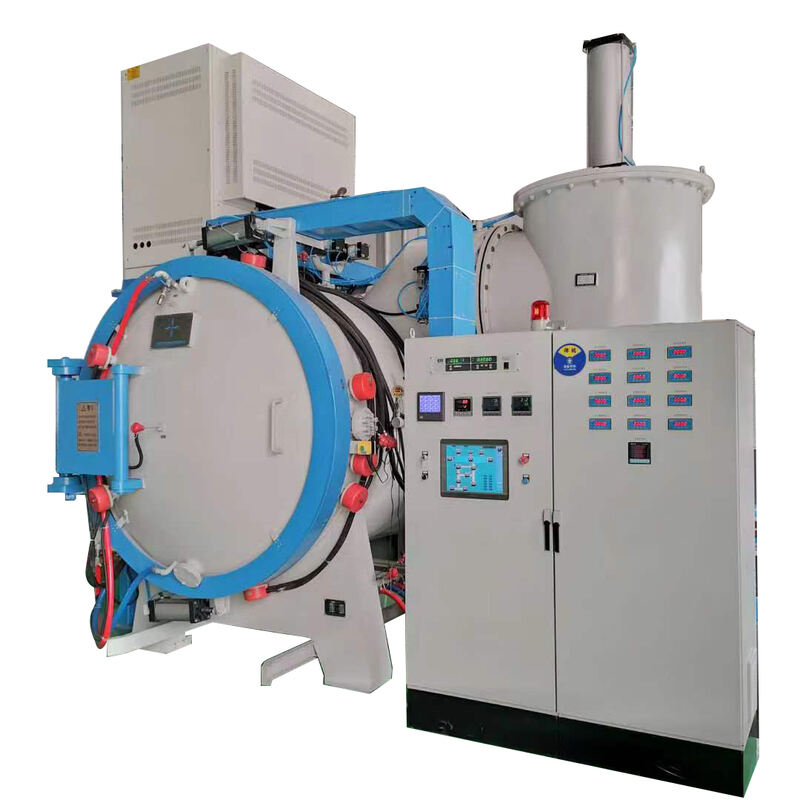
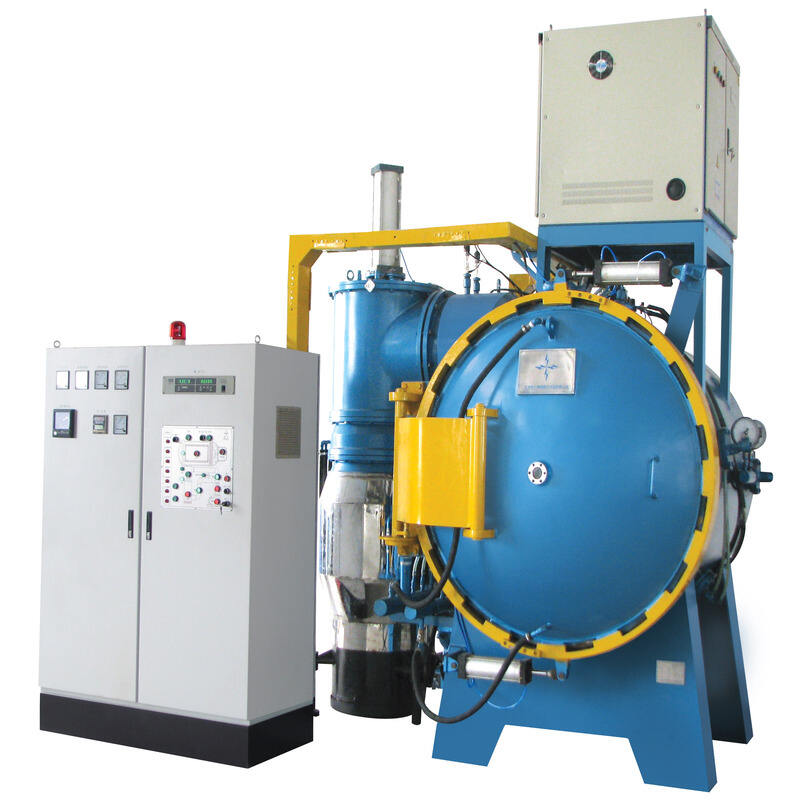
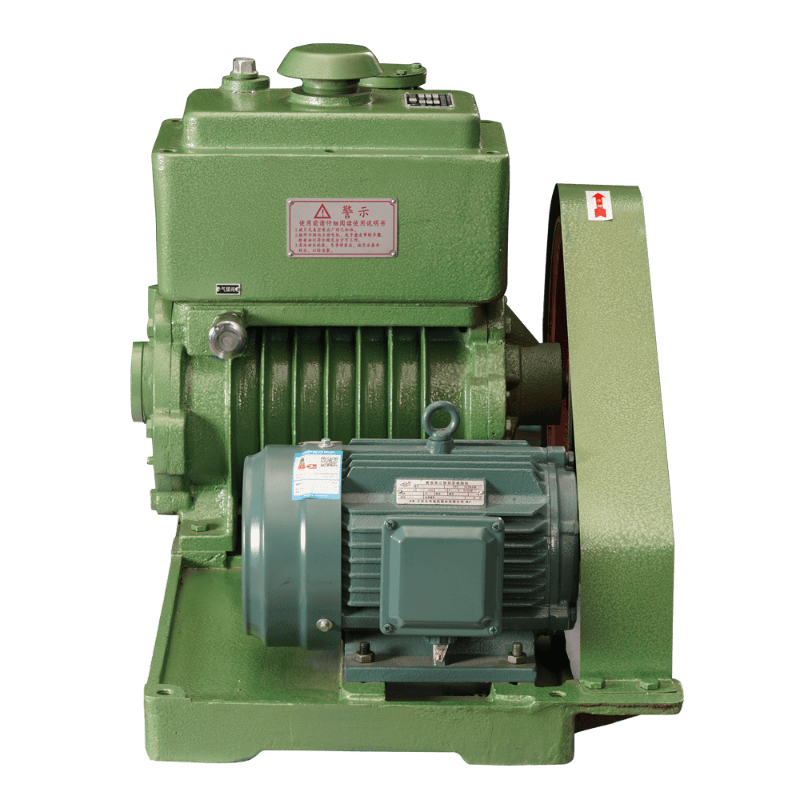
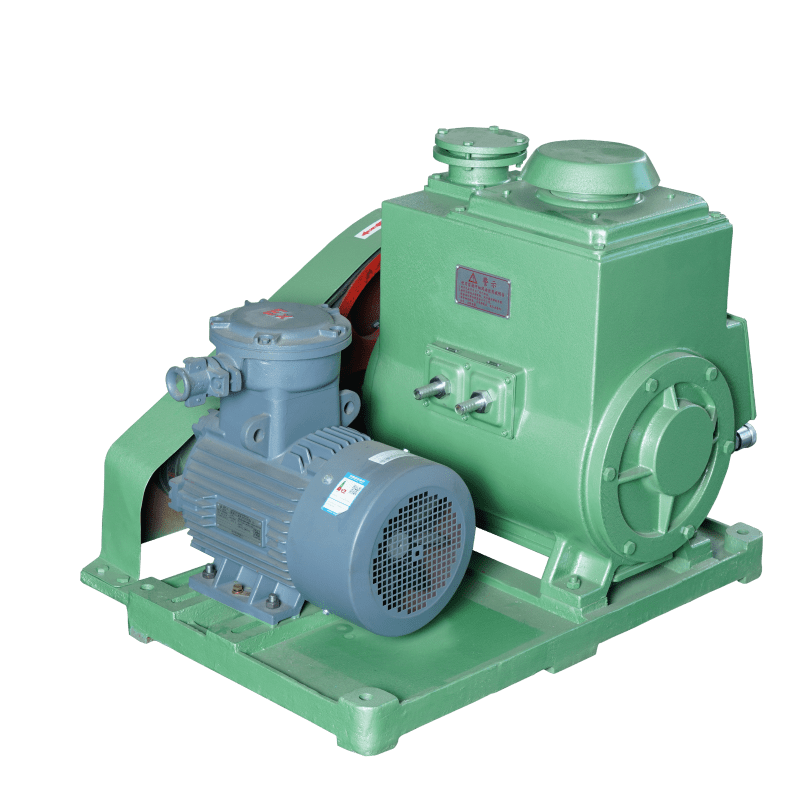
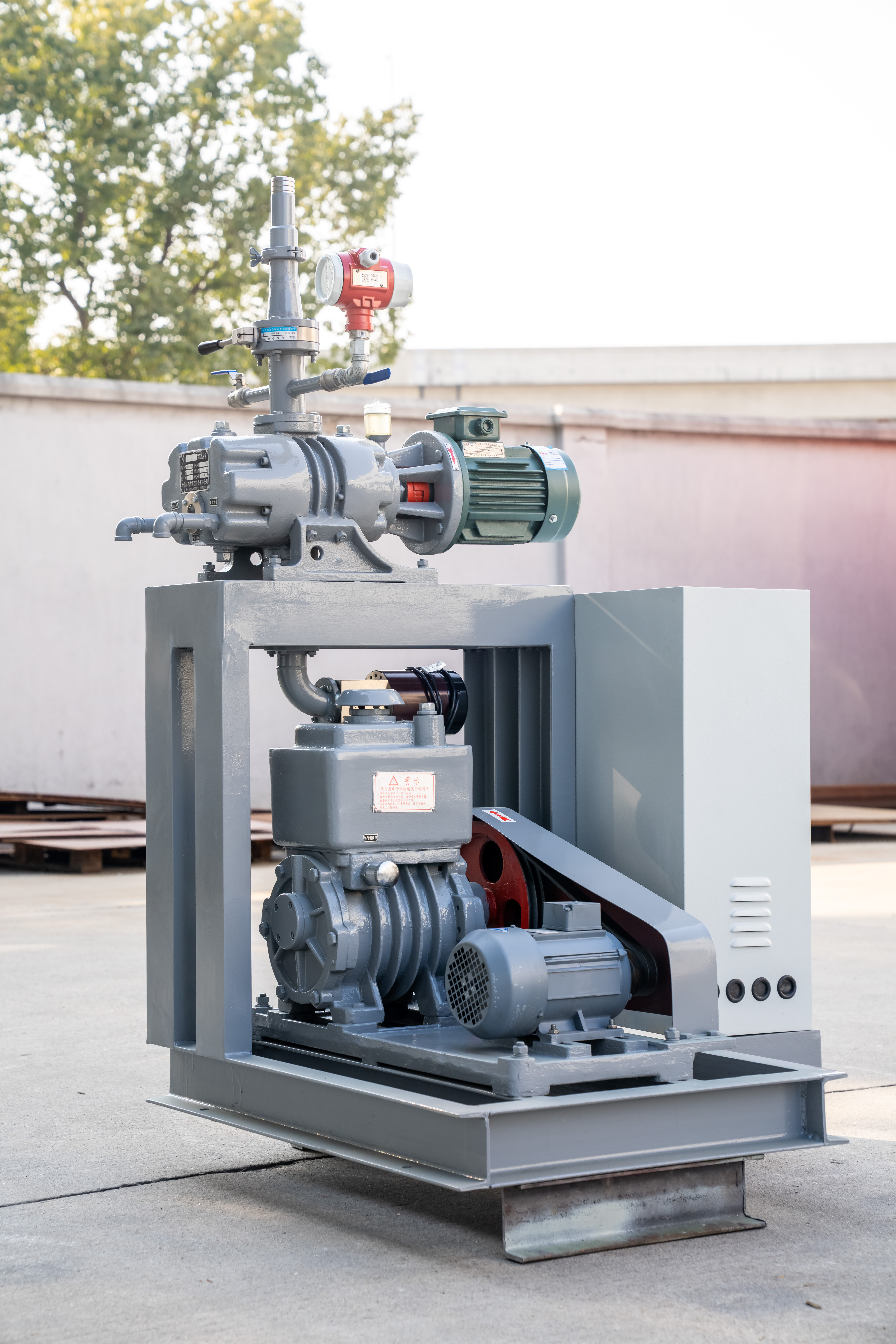
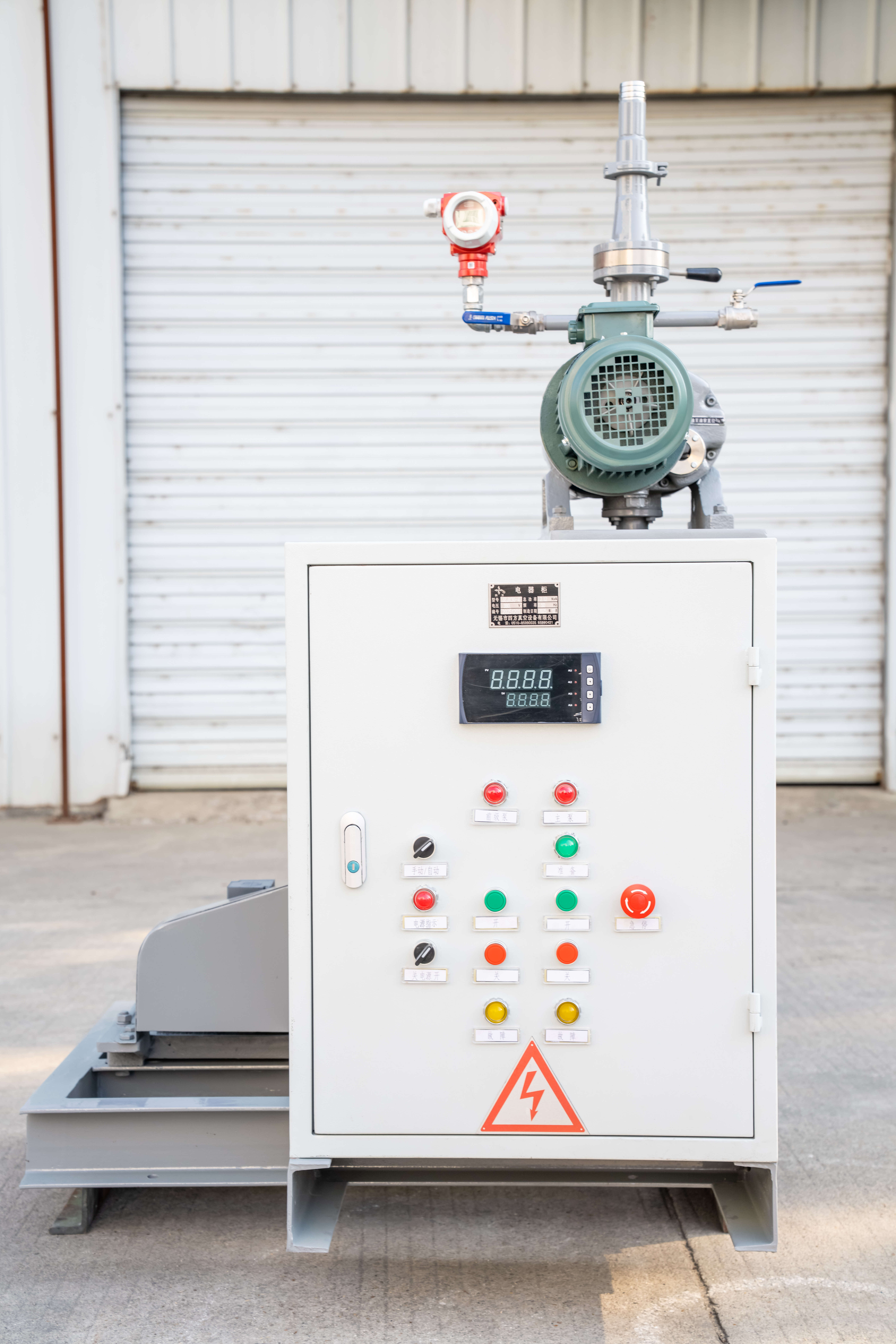
Durable vacuum units represent a significant advancement in industrial and commercial suction technology, designed to withstand demanding operational environments while delivering consistent performance over extended periods. These robust systems integrate sophisticated engineering principles with high-grade materials to create versatile cleaning and material handling solutions that excel in various applications. The fundamental purpose of durable vacuum units centers on generating powerful suction forces through advanced motor systems and precision-engineered components that maintain optimal airflow characteristics even under challenging conditions. These units typically feature reinforced housing constructed from heavy-duty materials such as stainless steel or industrial-grade polymers that resist corrosion, impact damage, and environmental stresses. The core functionality revolves around creating controlled negative pressure environments that enable efficient removal of debris, liquids, dust particles, and other materials from targeted surfaces or containers. Modern durable vacuum units incorporate variable speed controls, allowing operators to adjust suction power according to specific task requirements while optimizing energy consumption. Advanced filtration systems within these units employ multi-stage processes that capture particles of varying sizes, ensuring clean air discharge while protecting internal components from contamination. The technological framework includes intelligent monitoring systems that track performance metrics, alert users to maintenance requirements, and provide diagnostic information for troubleshooting purposes. These vacuum units find extensive applications across manufacturing facilities, construction sites, healthcare institutions, food processing plants, and automotive service centers where reliable performance and longevity are paramount. The versatility of durable vacuum units extends to specialized applications such as hazardous material cleanup, precision electronics manufacturing, and pharmaceutical production environments where contamination control is critical. Integration capabilities allow these systems to connect with existing equipment networks, automated production lines, and centralized control systems for seamless operational coordination.

 EN
EN