Industrial Vacuum Units: High-Performance Cleaning Solutions for Commercial Applications

All Categories

Get a Free Quote

Our representative will contact you soon.
Email
Name
Company Name
Message
0/1000

industrial vacuum units

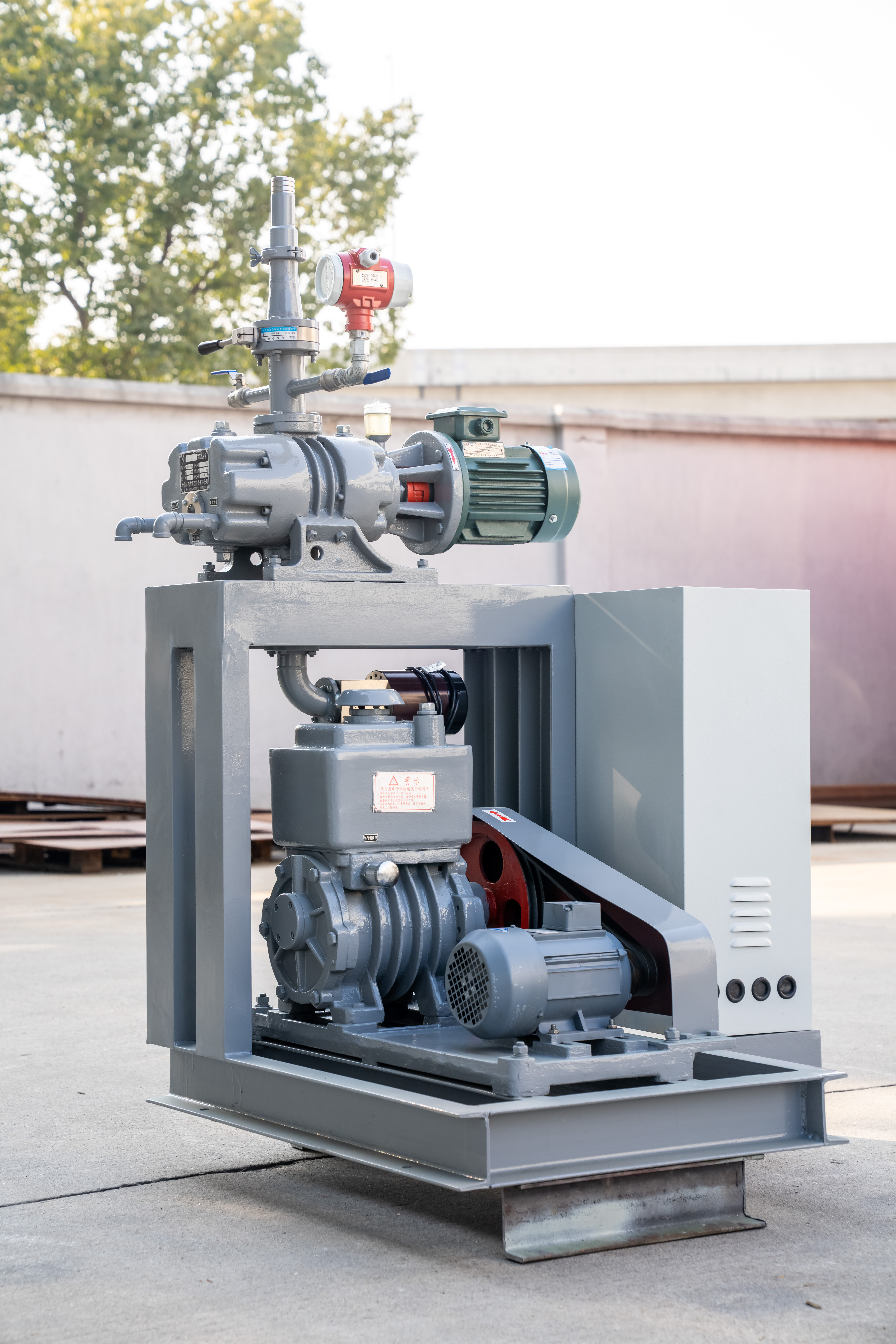
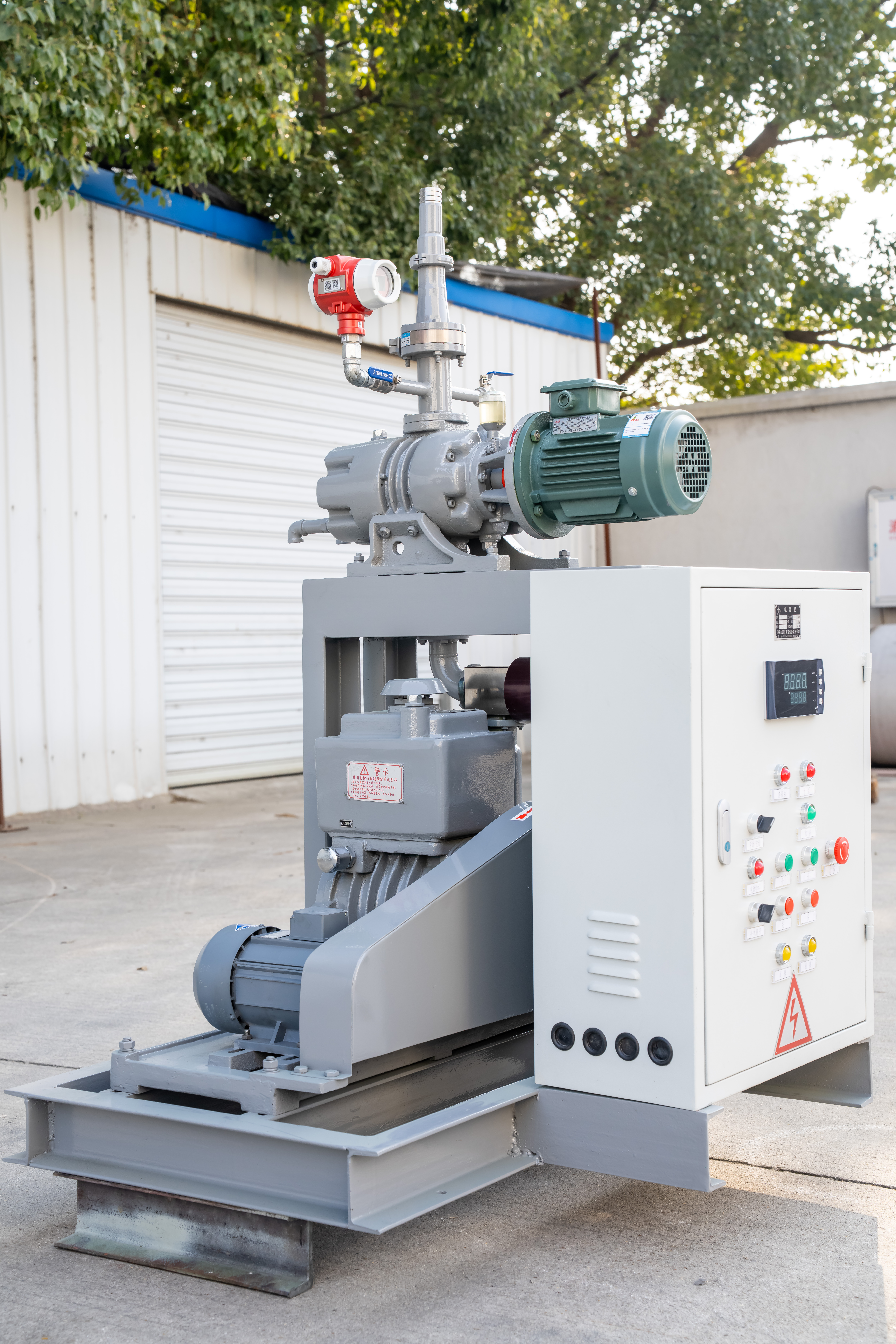
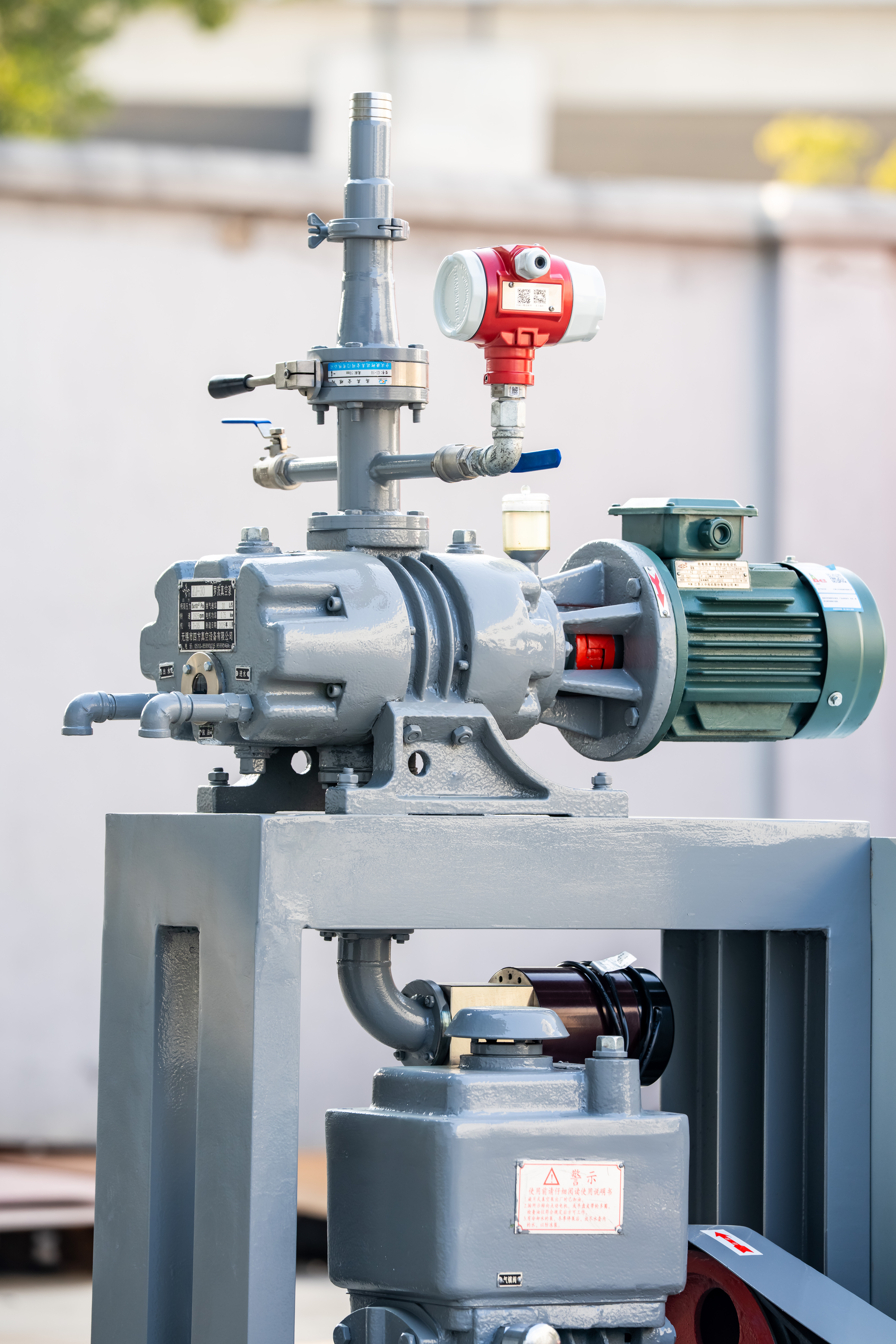
Industrial vacuum units represent sophisticated cleaning and material handling systems specifically engineered for demanding commercial and manufacturing environments. These powerful machines deliver exceptional suction capabilities far beyond conventional cleaning equipment, making them indispensable tools across diverse sectors including manufacturing, construction, pharmaceuticals, and food processing. Industrial vacuum units operate through advanced motor systems that generate substantial airflow and suction power, enabling them to effectively capture and contain various materials ranging from fine dust particles to heavy debris. The core functionality revolves around creating negative pressure within sealed collection chambers, drawing contaminants through specialized filtration systems that ensure clean air discharge while retaining captured materials. Modern industrial vacuum units incorporate multiple filtration stages, typically featuring primary cyclonic separation followed by high-efficiency particulate air filters or cartridge filtration systems. These units often include automated filter cleaning mechanisms that maintain optimal performance during extended operation periods. The robust construction of industrial vacuum units utilizes heavy-duty materials such as reinforced steel housings and commercial-grade components designed to withstand continuous operation in harsh environments. Many models feature mobility options including wheeled bases or portable configurations, while larger stationary units integrate directly into facility infrastructure. Advanced control systems enable operators to adjust suction power, monitor filter conditions, and receive maintenance alerts through digital interfaces. Industrial vacuum units commonly incorporate specialized accessories and attachments tailored for specific applications, such as extension wands for reaching elevated areas, brush attachments for surface cleaning, and specialized nozzles for particular material types. Safety features include emergency shutoffs, grounding systems to prevent static buildup, and explosion-proof designs for hazardous environments. These systems significantly improve workplace safety by eliminating airborne contaminants and maintaining clean work environments essential for quality control and regulatory compliance.

New Products

Industrial vacuum units deliver transformative benefits that directly impact operational efficiency and workplace safety across multiple dimensions. These powerful systems eliminate manual cleaning processes, reducing labor costs while achieving superior cleanliness standards impossible through traditional methods. Workers can focus on productive tasks instead of time-consuming cleanup activities, resulting in measurable productivity gains and improved job satisfaction. The exceptional suction power of industrial vacuum units enables rapid removal of materials that would otherwise require multiple cleaning steps, dramatically reducing project completion times. Advanced filtration systems capture microscopic particles that pose health risks, creating safer work environments and reducing liability concerns for employers. This comprehensive contaminant removal helps companies meet strict regulatory requirements in industries subject to health and safety inspections. Industrial vacuum units prevent cross-contamination between different work areas or production processes, essential for maintaining product quality in manufacturing environments. The versatility of these systems allows single units to handle multiple cleaning tasks throughout facilities, eliminating the need for various specialized equipment and reducing overall equipment investments. Automated features reduce operator training requirements while ensuring consistent performance regardless of user experience levels. The durability of industrial vacuum units translates into long-term cost savings through reduced maintenance needs and extended service life compared to consumer-grade alternatives. These systems protect expensive machinery and equipment by removing debris that could cause damage or malfunction, preventing costly repairs and production downtime. Environmental benefits include reduced waste generation through efficient collection and proper disposal of materials, supporting sustainability initiatives. Industrial vacuum units improve customer impressions by maintaining professional facility appearances, particularly important for businesses hosting client visits or inspections. The noise reduction capabilities of modern industrial vacuum units create more comfortable work environments, contributing to employee well-being and productivity. Real-time monitoring features help prevent equipment failures through predictive maintenance alerts, minimizing unexpected downtime costs. The scalability of industrial vacuum systems allows businesses to expand cleaning capabilities as operations grow without complete equipment replacement.

Practical Tips

What Applications Benefit Most From Small and Intermediate Steel Drums?

30

Dec

What Applications Benefit Most From Small and Intermediate Steel Drums?

Industrial packaging solutions have evolved significantly over the decades, with small and intermediate steel drums emerging as essential containers for countless applications across diverse sectors. These versatile vessels offer superior protection,...
View More
Why Do Inner Coating Steel Drums Provide Better Protection for Sensitive Materials?

23

Jan

Why Do Inner Coating Steel Drums Provide Better Protection for Sensitive Materials?

The protection of sensitive materials during storage and transportation has become increasingly critical in today's industrial landscape. Industries handling chemicals, pharmaceuticals, and specialty materials require containers that offer superior p...
View More
How Does Coating Thickness Affect the Performance of Inner Coating Steel Drums?

23

Jan

How Does Coating Thickness Affect the Performance of Inner Coating Steel Drums?

The performance and reliability of industrial storage containers depend heavily on the quality and specifications of their protective barriers. When it comes to inner coating steel drums, the thickness of the internal protective layer plays a crucial...
View More
How Does a Vacuum Brazing Furnace Improve the Strength of Metal Joints?

25

Feb

How Does a Vacuum Brazing Furnace Improve the Strength of Metal Joints?

Metal joining technologies have evolved significantly over the decades, with brazing standing out as one of the most reliable methods for creating strong, permanent connections between dissimilar materials. The advent of vacuum brazing furnace techno...
View More

Get a Free Quote

Our representative will contact you soon.
Email
Name
Company Name
Message
0/1000

industrial vacuum units

Superior Suction Power and Performance

Superior Suction Power and Performance

The exceptional suction capabilities of industrial vacuum units set them apart from conventional cleaning equipment, delivering performance levels that transform how businesses approach facility maintenance and material handling. These units generate suction forces measured in inches of water lift, often exceeding 100 inches compared to typical shop vacuums that rarely surpass 60 inches. This substantial difference translates into the ability to extract deeply embedded debris from carpets, remove materials from cracks and crevices, and handle dense materials like metal shavings or construction debris with remarkable efficiency. The powerful motors driving industrial vacuum units typically range from 5 to 20 horsepower, providing consistent performance even when handling challenging materials or operating for extended periods. This sustained power delivery ensures that cleaning tasks progress efficiently without frequent interruptions for motor cooling or reduced suction performance. The airflow capacity of these systems often exceeds 400 cubic feet per minute, creating the velocity necessary to transport materials through extended hose lengths without clogging or performance degradation. Industrial vacuum units maintain their suction power even when collection containers approach capacity, thanks to sophisticated design features that separate airflow from material collection. This consistent performance characteristic prevents the gradual decline in effectiveness common with lesser equipment, ensuring that cleaning tasks complete efficiently regardless of accumulated debris volume. The robust construction of these systems includes reinforced impellers and housing designed to handle abrasive materials without premature wear, maintaining peak performance throughout extended service life. Advanced models incorporate variable speed controls that allow operators to adjust suction power based on specific applications, optimizing energy consumption while ensuring adequate performance for each task. This flexibility proves particularly valuable in sensitive environments where excessive suction might damage delicate surfaces or materials. The superior performance of industrial vacuum units enables businesses to tackle cleaning challenges previously considered impossible or extremely labor-intensive, opening new possibilities for facility maintenance and contamination control strategies.
Advanced Filtration and Contamination Control

Advanced Filtration and Contamination Control

The sophisticated filtration systems integrated into industrial vacuum units provide unparalleled contamination control capabilities that protect both equipment and personnel while ensuring regulatory compliance across demanding applications. These multi-stage filtration systems typically begin with primary cyclonic separation that removes larger particles through centrifugal force, reducing the load on downstream filters and extending their service life significantly. Following cyclonic separation, industrial vacuum units employ high-efficiency particulate air filters or specialized cartridge systems capable of capturing particles as small as 0.3 microns with efficiency ratings exceeding 99.97 percent. This level of filtration performance ensures that even microscopic contaminants remain captured within the system rather than being recirculated into the work environment. The construction of these filters utilizes advanced materials including pleated media that maximizes surface area within compact designs, synthetic fibers resistant to moisture and chemicals, and antimicrobial treatments that prevent bacterial growth during storage periods. Many industrial vacuum units feature automatic filter cleaning mechanisms that use compressed air pulses to dislodge accumulated particles from filter surfaces, maintaining optimal airflow and suction performance throughout extended operation periods. This automated cleaning capability eliminates manual filter maintenance during operation while extending filter life and reducing replacement costs. The sealed design of industrial vacuum systems prevents contaminated air from bypassing filtration stages, ensuring that all captured materials remain contained until proper disposal. Advanced models incorporate differential pressure monitoring that tracks filter condition and alerts operators when cleaning or replacement becomes necessary, preventing performance degradation and ensuring consistent contamination control. Specialized filter options address specific contamination challenges, including activated carbon filters for odor control, spark-resistant filters for potentially explosive environments, and washable options for applications involving liquid contamination. The superior filtration capabilities of industrial vacuum units make them essential tools for cleanroom applications, pharmaceutical manufacturing, food processing, and other industries where contamination control directly impacts product quality and regulatory compliance. These systems effectively capture and contain hazardous materials including asbestos fibers, lead dust, and chemical residues, protecting workers from exposure while facilitating safe cleanup procedures.
Durability and Cost-Effectiveness

Durability and Cost-Effectiveness

Industrial vacuum units deliver exceptional value through their robust construction and long-term cost-effectiveness, representing smart investments that provide years of reliable service while reducing overall operational expenses. The heavy-duty construction of these systems utilizes premium materials including reinforced steel housings, commercial-grade motors, and industrial-strength components designed to withstand the demanding conditions found in manufacturing, construction, and processing facilities. This substantial build quality enables industrial vacuum units to operate continuously in harsh environments where temperature extremes, dust exposure, and physical impacts would quickly damage lesser equipment. The motors powering these systems feature thermal protection, sealed bearings, and cooling systems that ensure reliable operation even during extended use periods, while the housing design incorporates impact-resistant materials that protect internal components from accidental damage. Professional-grade wheels and casters facilitate mobility while supporting heavy loads, and reinforced hose connections prevent the separation failures common with consumer equipment. The long-term cost benefits of industrial vacuum units become apparent through reduced maintenance requirements, extended service intervals, and the elimination of frequent equipment replacement cycles. These systems typically provide 10 to 15 years of service with proper maintenance, compared to consumer vacuums that may require replacement every few years. The modular design of many industrial vacuum units allows for component replacement rather than complete system replacement, further extending service life while minimizing capital expenditure. The efficiency of these systems reduces cleaning time significantly, translating into labor cost savings that often exceed the initial equipment investment within the first year of operation. Industrial vacuum units eliminate the need for multiple specialized cleaning tools, reducing inventory costs and storage requirements while simplifying equipment management. The reliability of these systems minimizes unexpected downtime that could impact production schedules or project timelines, providing additional value through maintained operational continuity. Many industrial vacuum units include warranty coverage and service support programs that protect investments while ensuring optimal performance throughout their service life. The energy efficiency of modern industrial vacuum units helps control operational costs through reduced power consumption compared to operating multiple smaller units or manual cleaning processes.


Get a Free Quote

Our representative will contact you soon.
Email
Name
Company Name
Message
0/1000