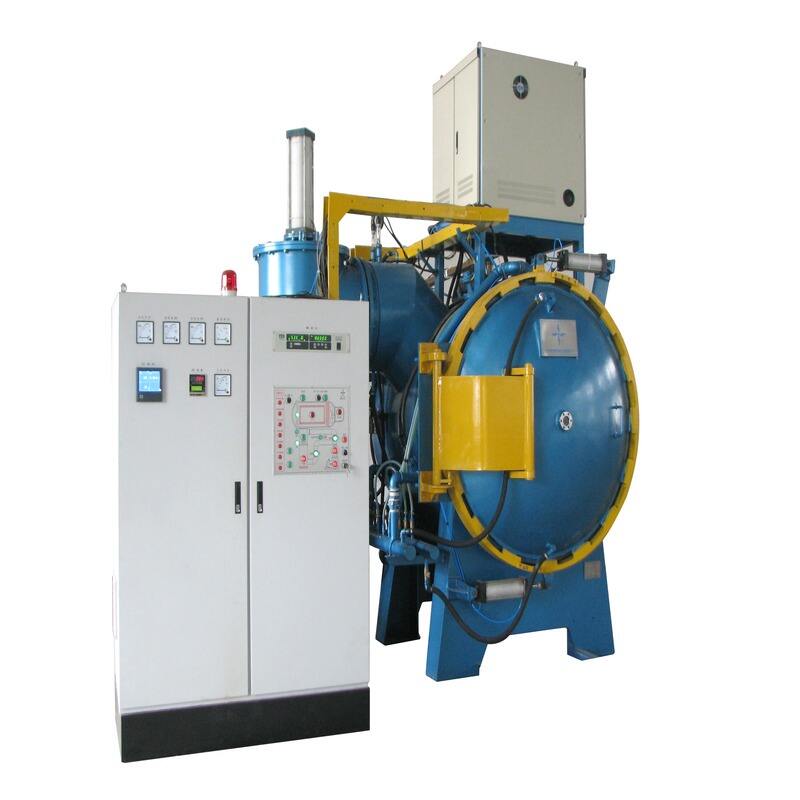
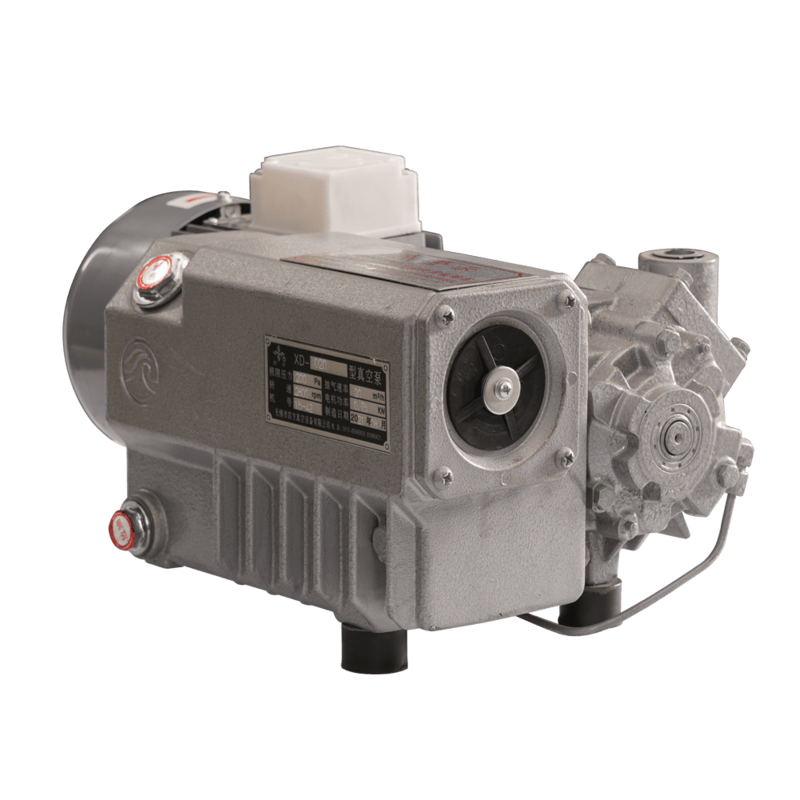
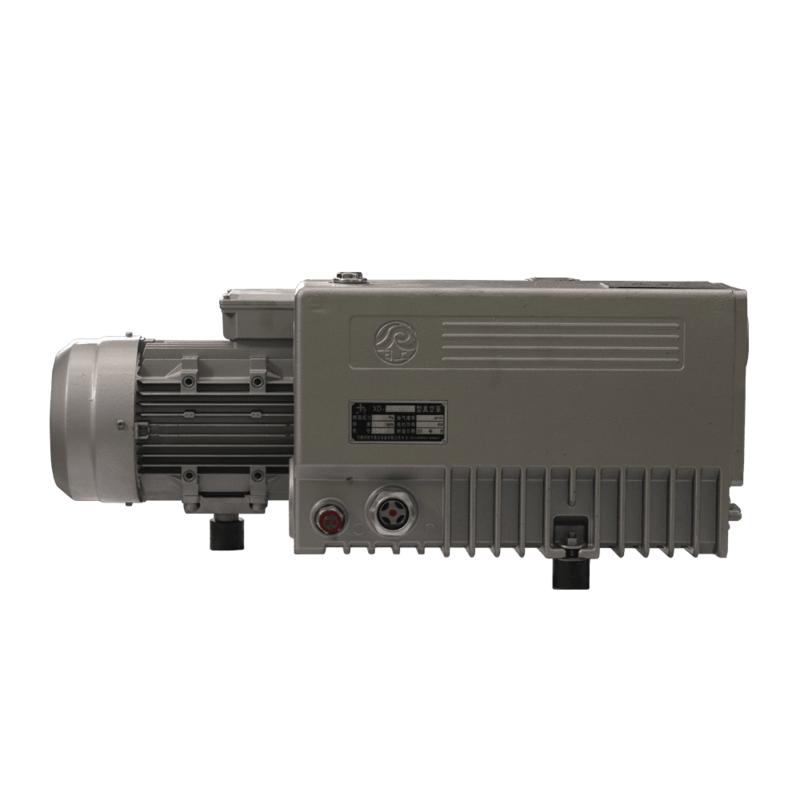
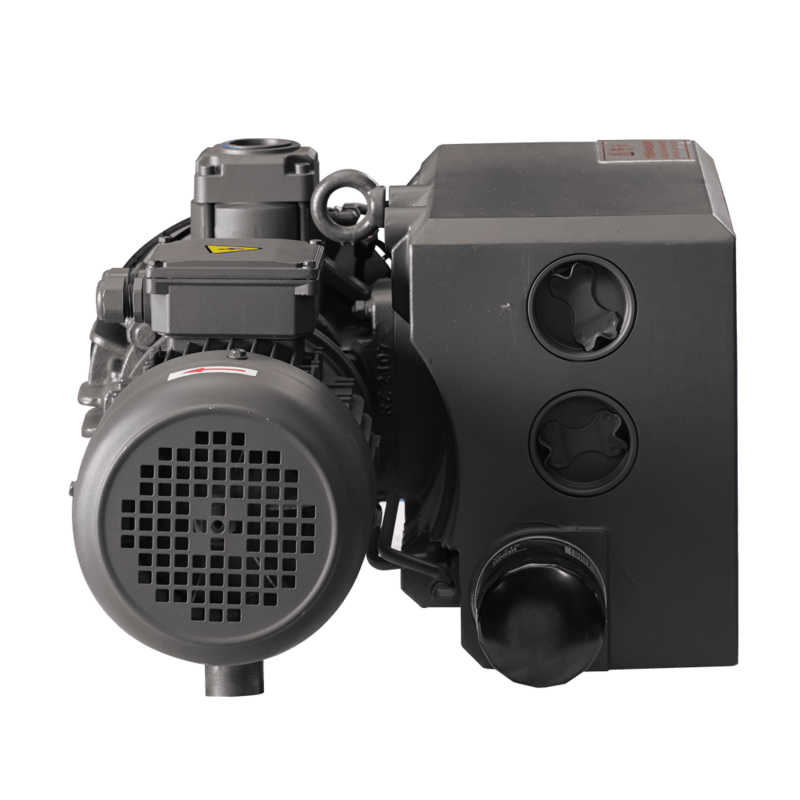
high quality vacuum tempering furnace
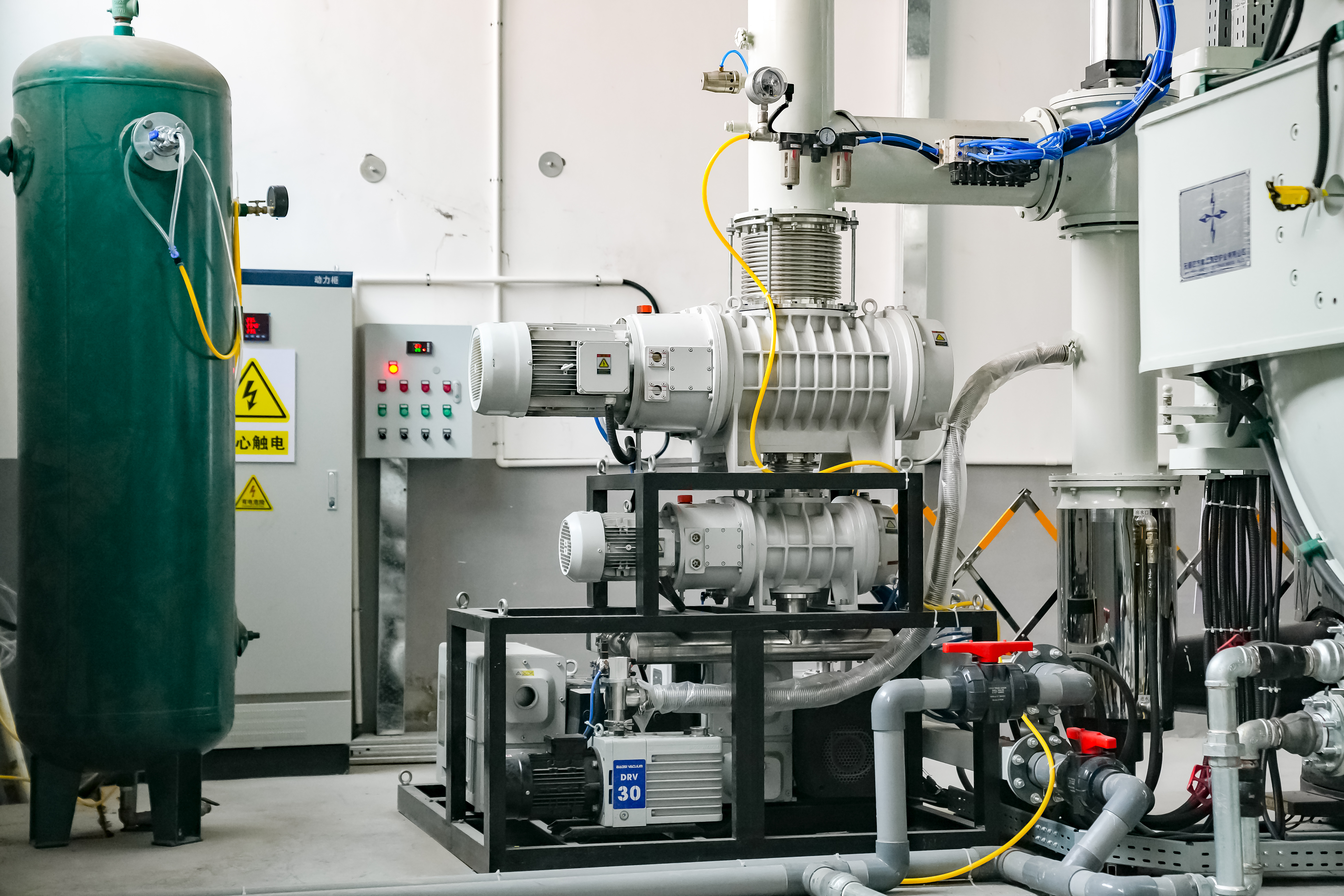
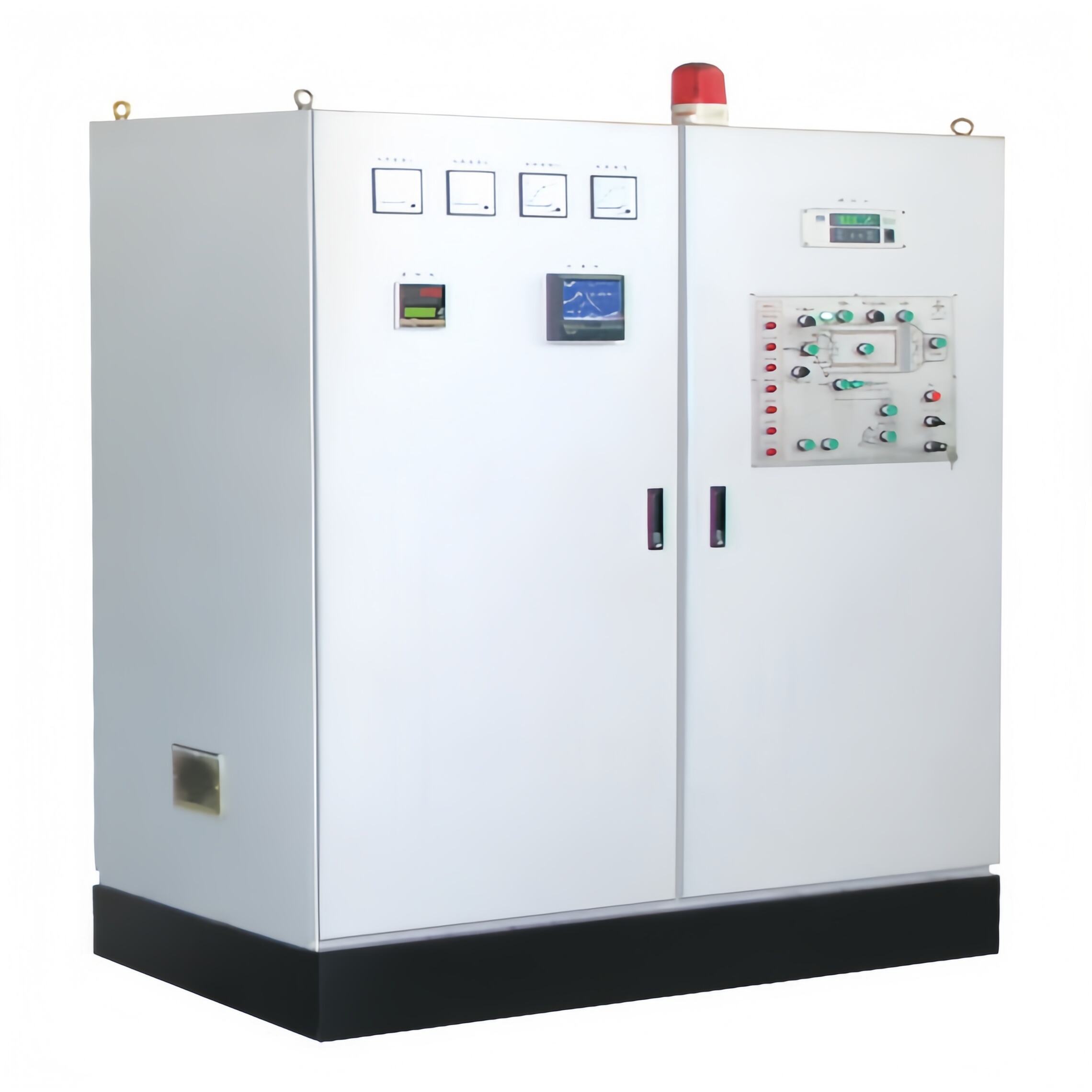
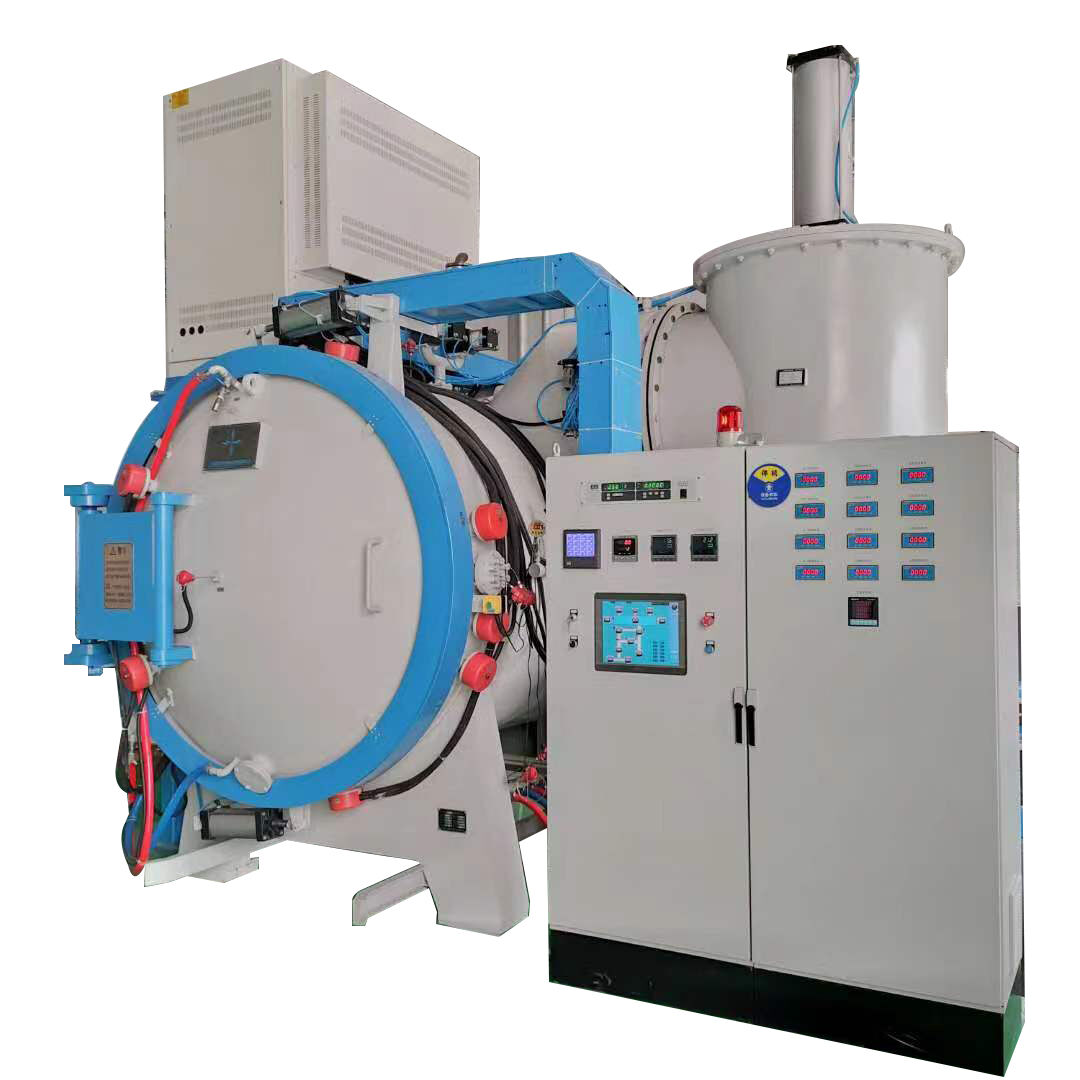
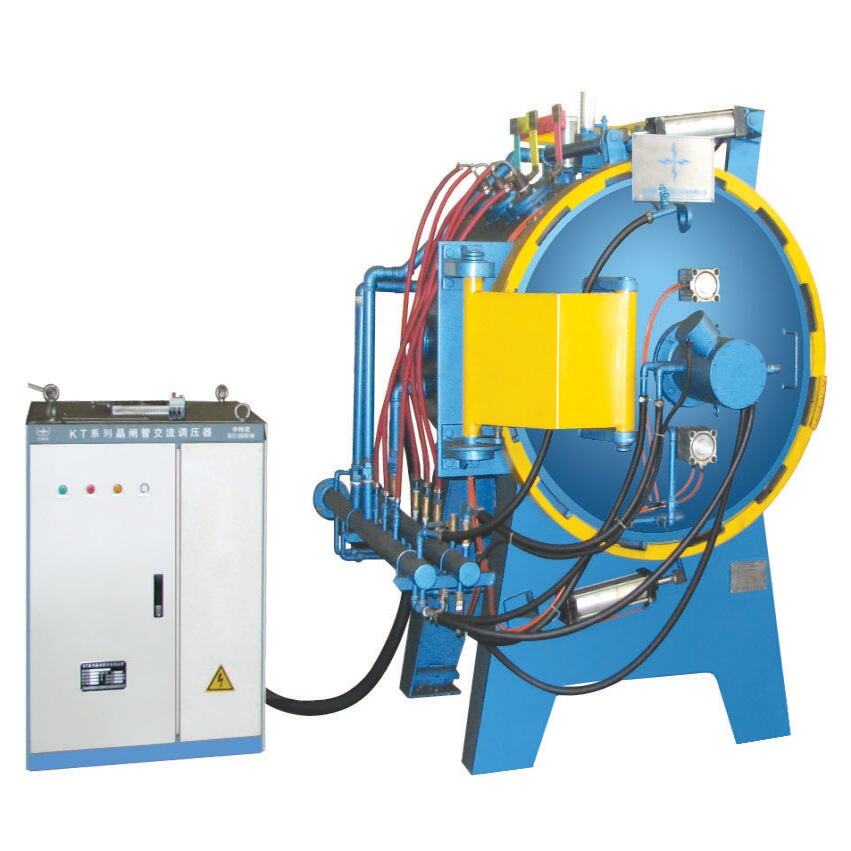
A high quality vacuum tempering furnace represents cutting-edge heat treatment technology that operates within a controlled vacuum environment to achieve precise metal hardening and stress relief processes. These sophisticated systems eliminate atmospheric interference during thermal processing, ensuring superior metallurgical outcomes compared to conventional atmospheric furnaces. The vacuum environment prevents oxidation, decarburization, and contamination while enabling precise temperature control across the entire workload. Modern high quality vacuum tempering furnace systems incorporate advanced heating elements, sophisticated control systems, and automated processing capabilities that deliver consistent results for critical applications. The main functions encompass controlled heating cycles, rapid cooling sequences, and precise temperature maintenance throughout the tempering process. These furnaces handle various materials including tool steels, stainless steels, high-speed steels, and specialty alloys requiring exacting heat treatment specifications. Technological features include programmable temperature controllers, multiple heating zones, integrated quenching systems, and comprehensive data logging capabilities. Advanced models feature touchscreen interfaces, recipe management systems, and remote monitoring capabilities for enhanced operational efficiency. The vacuum chamber design ensures uniform temperature distribution while preventing thermal gradients that could compromise part quality. Automated loading systems, precise atmosphere control, and energy-efficient heating elements characterize premium high quality vacuum tempering furnace installations. Applications span aerospace components, automotive parts, medical devices, cutting tools, and precision machinery requiring exceptional material properties. Industries rely on these systems for processing critical components where surface quality, dimensional stability, and mechanical properties cannot be compromised. The technology enables processing of complex geometries, thin sections, and delicate components that would suffer degradation in conventional atmospheric environments. Quality assurance features include temperature uniformity surveys, pyrometric verification, and traceability documentation supporting stringent industry standards and certification requirements.

 EN
EN